House Cleaning
House Cleaning Chesterfield: Room Priorities for Larger Homes
A larger home needs more than a long cleaning list. Learn how to rank rooms, choose the right first-visit scope, and share details that help prevent misunderstandings.
house cleaning Chesterfield: Room Priorities for Larger Homes
Booking house cleaning Chesterfield service for a large home starts with deciding what matters most, not assuming every room needs equal attention. A busy kitchen, frequently used bathrooms, and the bedroom you sleep in may deserve priority over a formal dining room or unused guest suite. Your first visit should reflect those differences through an agreed scope.
Before contacting Prime Cleaning MO LLC, walk through your home and write down what you want the visit to accomplish. Separate outcomes from individual tasks: “make our everyday rooms easier to maintain” gives useful direction, while “clean everything” leaves important questions unanswered. Note rooms that can wait, spaces that are off-limits, and concerns that need discussion.
In a Chesterfield home with multiple levels, priorities also help explain how you live. A finished basement used daily may rank above an upstairs guest room. Do not rank rooms by size alone. Rank them by use, present condition, and the difference cleaning would make to your household.
Choose the Right First-Visit Service Before Listing Extras
For an occupied home beginning ongoing service, standard or recurring cleaning starts only after an initial deep clean. It is not a one-time or first-time service. Your first standard or recurring quote includes that initial deep clean, so describe current buildup honestly rather than requesting a maintenance visit for rooms that need more attention.
A deep clean does not automatically include appliance interiors or inside cabinets; those are optional add-ons. If crumbs inside drawers or spills inside the refrigerator are priorities, name them during intake. Interior windows are also optional for house-cleaning services, not an assumed inclusion. Listing an extra does not confirm it until the scope is agreed.
A vacant-home transition may call for Move-In/Move-Out cleaning instead. That service includes inside and outside cabinets and appliances. Explain whether the home is occupied, empty, or partly packed, because belongings affect access. If the property recently underwent construction, disclose that separately; construction residue should not be treated as ordinary household dust.
Explore our house cleaning service and cleaning in Chesterfield, MO for property-specific information.
Build a Three-Tier Room List for a Large Home
Use a short written list that someone else can follow without guessing. Include each room’s name, level, use, and main concern. “Upstairs hall bathroom: daily use, shower buildup” is more actionable than “bathrooms.” Marking priorities guides planning, but it does not replace confirmation of the tasks included in each room.
Tier One: Essential Daily-Use Rooms
Start with spaces your household relies on every day: the main kitchen, primary bathroom, children’s bathroom, and occupied bedrooms. Choose a realistic order within this tier. For example, if meal preparation is your biggest frustration, put the kitchen first; if guests will use the hall bathroom, explain why that room outranks the primary suite.
Tiers Two and Three: Supporting and Low-Use Spaces
Place regularly used living areas, home offices, and entryways in tier two. Reserve tier three for infrequently used guest rooms, formal rooms, or storage areas that can be deferred. Identify any room that should remain untouched. Ask whether the proposed visit covers all three tiers or whether the team recommends a narrower scope or separate visit.
Describe Room Conditions, Not Just Bedroom Counts
Bedroom and bathroom counts establish the layout, but they do not explain workload by themselves. Share the number of levels, approximate home size if known, and which rooms are actually in use. Mention pet hair, grease buildup, soap residue, crowded counters, or long-unused rooms without trying to translate those conditions into an assumed rate.
Give concrete comparisons where useful. Two bathrooms may need very different attention if one is used daily and the other stays mostly untouched. A large, sparsely furnished living room may present fewer access challenges than a smaller office with crowded shelves. Photos can help explain layout and visible condition, but they cannot identify unknown substances.
Ask scope questions before booking: Which surfaces are included? What needs to be cleared? Are reachable shelves addressed only when empty? How are delicate items handled? Identify stairs, access restrictions, and any unusually detailed requests. Work beyond the deep-clean scope may take more than one day; do not assume every detailed request fits into a single visit.
Prepare Access Without Cleaning the House Yourself
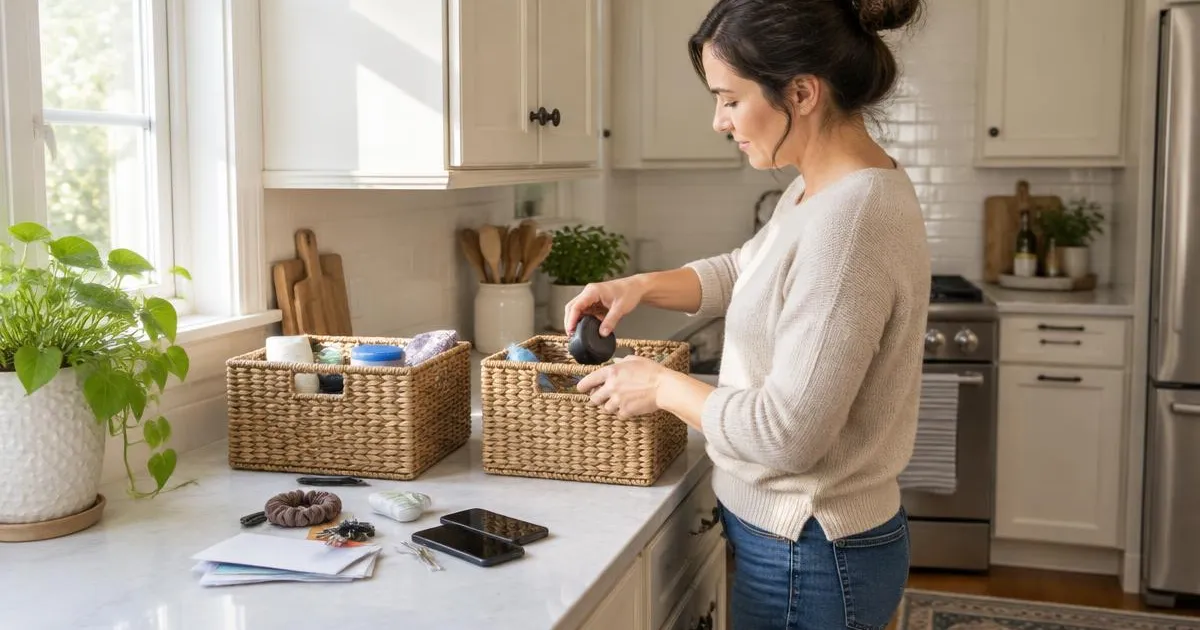
Your preparation should create access, not duplicate the service. Put away loose clothing, paperwork, toys, medication, and small valuables. Clear the counters or floors you want cleaned, and explain where items must remain undisturbed. If a room cannot be decluttered, say so early so its accessible surfaces can be discussed rather than assumed.
Arrange entry instructions and provide a reliable contact for questions. Secure pets in a comfortable area outside the agreed work zone, and identify any doors that must stay closed. Explain alarm procedures without leaving sensitive codes in public notes. Mention parking or building access restrictions that could complicate bringing supplies into the home.
For optional appliance-interior or cabinet-interior work, ask what must be emptied beforehand and how food or belongings should be handled. Do not assume the team will sort possessions or move heavy furniture. If your home office contains confidential documents or a guest room holds fragile collections, make boundaries explicit on your priority list.
Flag Sensitive Finishes and Construction Residue Early
Tell the team about natural stone, specialty coatings, newly installed flooring, and recently painted or sealed surfaces. Share manufacturer care instructions when available. Surface care should follow those instructions, including actual cure times; a surface that looks dry is not necessarily ready for cleaning. Avoid acids on stone, never mix cleaners, and disinfect only when appropriate using the full label contact time.
When Recent Work Changes the Intake
For residential construction cleaning, provide bedroom and bathroom counts and describe the condition: debris, dust, or more. State what work occurred and where residue remains. Heavy debris and hauling require separate scoping; they are not automatic parts of house cleaning. If dust is unknown or potentially hazardous, stop and request assessment by a qualified contractor before cleaning proceeds.
Keep Hazardous and Commercial Work Separate
Do not use a household vacuum on construction dust or ask the team to investigate suspect material. Hazardous work is not promised. Commercial or industrial cleaning, including commercial post-construction, requires a free in-person walkthrough before pricing. Supply the business name, approximate square footage, restroom count, preferred date/time window, and onsite contact for that separate assessment.
Confirm What Happens If Priorities Compete
Before approving the visit, compare your room list with the proposed scope. If the priorities exceed what is agreed, decide whether to reduce rooms, remove optional extras, or discuss additional service. Do not rely on “start upstairs and see how far you get” unless the limits and decision process have been clearly confirmed.
Consider a practical example: your kitchen and three active bathrooms need attention, while two guest bedrooms are lightly used. You also want interior windows cleaned. Ask how excluding the guest bedrooms or postponing the window add-on would change the scope. This creates a meaningful choice without assuming a price per room or an hourly rate.
Confirm who can approve changes if unexpected conditions appear. A useful instruction is, “Contact me before adding work; keep the kitchen and hall bathroom as the top priorities.” Also ask how unfinished or inaccessible tasks will be communicated. Clear authorization protects your plan better than expecting the team to infer which tradeoffs you would prefer.
Use the First Visit to Set Up Ongoing Care
After the visit, review the agreed areas rather than comparing the result with an imagined universal checklist. Discuss any inaccessible surfaces, omitted add-ons, or concerns that need follow-up. Refer to specific rooms and tasks so the conversation stays useful. Cleaning does not repair damaged finishes, so distinguish remaining buildup from wear or surface damage.
If you continue with recurring service after the initial deep clean, update the room priorities as household use changes. A guest suite may become important before visitors arrive, while a home office may need less attention during a quiet period. Ask how requested changes affect future scope instead of assuming extra rooms or tasks are interchangeable.
Keep one concise household note with room rankings, surface instructions, access details, pet arrangements, and excluded spaces. Send relevant updates to Prime Cleaning MO LLC before the next visit. A consistent record reduces repeated explanations and keeps a large home’s cleaning plan tied to the rooms you actually use.