House Cleaning
House Cleaning Clayton: Condo Access and Building Rules
A useful first-visit plan starts before the cleaner reaches your door. Coordinate condo permissions, parking, elevator access, and cleaning priorities without confusing routine cleaning with construction cleanup.
house cleaning Clayton: Condo Access and Building Rules
Booking house cleaning Clayton for the first time involves more than deciding which rooms need attention. In a condo, a locked lobby, restricted parking space, or missing building permission can prevent work from starting even when your home is ready. This guide from the Prime Cleaning MO Team at Prime Cleaning MO LLC explains how to prepare the route from the street to your rooms, choose the appropriate service, and communicate the details that matter.
Start with two separate questions: what cleaning does your home need, and what must happen for the team to enter with its equipment? Answering both before the visit helps you establish a workable scope rather than relying on assumptions at the front desk. You do not need to clean your home before cleaners arrive, but you should arrange authorized access and make the agreed surfaces reachable.
Confirm who can authorize entry
Ask your property manager whether residents may admit cleaning providers directly or whether management approval is required. Do not assume a visitor invitation also authorizes equipment transport through shared areas.
Resolve Condo Permissions Before Sharing Access Details
Contact the building office or property manager before choosing a visit window. Ask whether cleaning providers need advance registration, identification at reception, a vendor form, or documentation for review. Request the actual requirements instead of describing them generally as “building approval.” Share those requirements with Prime Cleaning MO LLC so any necessary coordination can happen before the appointment is finalized.
Establish whether your permission covers only your unit or also the route through the lobby, elevator, and corridor. A resident cannot necessarily authorize cleaning or staging in shared spaces. If you want an entry mat outside your door addressed, ask whether that area belongs to you or the building.
Choose an approved entry method and communicate sensitive instructions privately. Avoid putting permanent door codes in public notes. If reception must call you, keep your phone available. Confirm a backup contact who is authorized to help if the concierge cannot release access or your intercom fails.
Separate permission from physical access
A working key does not replace building authorization. Conversely, approval on file is not enough if nobody can unlock the service entrance. Verify both before the visit.
Explore our house cleaning service and cleaning in Clayton, MO for property-specific information.
Give Parking and Elevator Instructions That Actually Work
“Parking nearby” is rarely a useful instruction for a first condo visit. Identify the permitted space or garage entrance, whether a pass is required, and where that pass is obtained. If a space is assigned to your unit, confirm that a service vehicle may use it. Note vehicle restrictions and any applicable parking charges so expectations can be discussed.
Describe the route from parking to your door in order: entrance, reception check-in, elevator, floor, and unit. Mention stairs or a long walking route that affects equipment transport. Ask whether the building requires a service elevator and whether it must be reserved for cleaning visits.
For example, if unloading is permitted at a side entrance but parking is in a garage, explain both locations. Do not direct anyone to leave a vehicle in a fire lane or hold a secured door open. If the approved parking arrangement changes, send updated instructions rather than expecting reception to resolve it.
Choose the Right First-Visit Cleaning Scope
Describe your home as it is now, not only how you want it to look afterward. Provide bedroom and bathroom counts, occupied or vacant status, buildup concerns, and priority rooms. Explain whether belongings remain in cabinets and appliances, because access and service selection affect what can be cleaned.
Standard or recurring cleaning with Prime Cleaning MO LLC begins only after an initial deep clean. It is not a first-time or one-time standard-cleaning option, and the first standard or recurring quote includes that initial deep clean. For deep cleaning, appliance interiors and inside cabinets are optional add-ons; request them explicitly rather than assuming they are included.
Move-In/Move-Out cleaning includes inside and outside cabinets and appliances. If you are leaving a condo, coordinate the appointment with the point when those areas will be accessible. Interior windows are optional add-ons for house cleaning, deep cleaning, and Move-In/Move-Out service, not automatic inclusions. Airbnb turnovers are the exception to that optional-window rule.
Prepare Rooms Without Doing the Cleaning Yourself
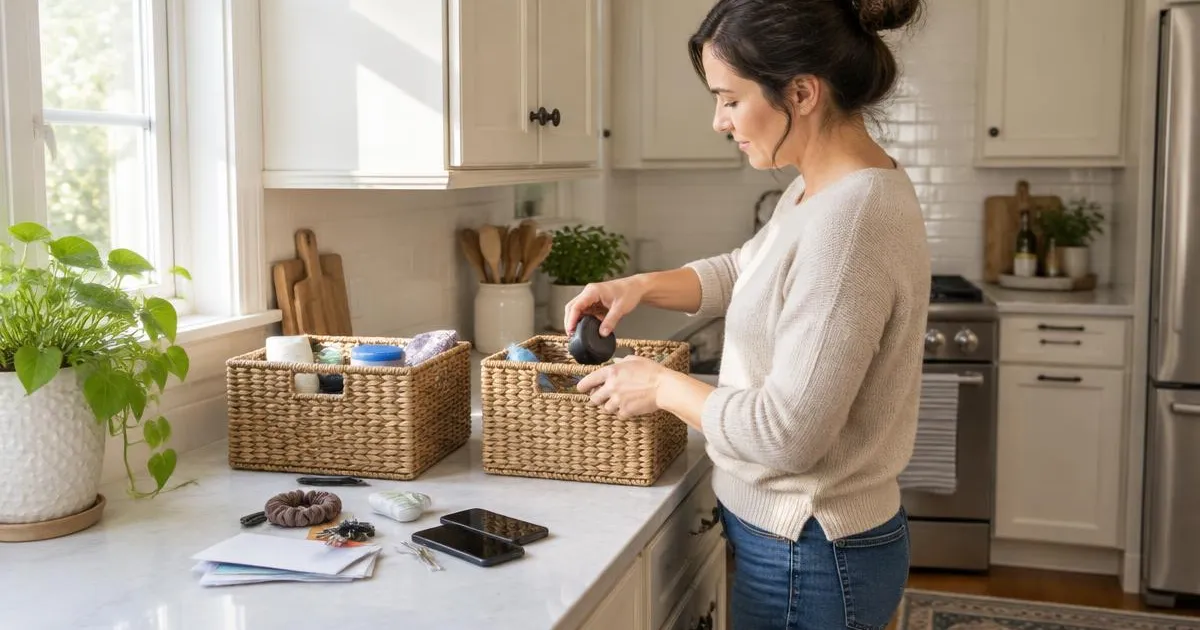
Focus your preparation on access. Pick up loose items from floors, clear the surfaces you want cleaned, and decide where papers, valuables, and fragile possessions should remain. A counter covered in mail cannot receive the same attention as an accessible surface. If sorting is unfinished, designate a clearly excluded area instead of asking cleaners to decide what to discard.
Arrange a comfortable, secure space for pets and explain any door restrictions. In a condo, opening the unit door may expose a pet directly to a shared corridor or elevator lobby. Tell the team if a bedroom must remain closed, and clarify whether that room is excluded or needs a separate access arrangement.
For requested appliance-interior or cabinet-interior work, ask what preparation is needed and remove contents as agreed. Do not move heavy appliances yourself merely to create access. Mention delicate finishes, loose handles, unstable shelves, or existing damage so the cleaning plan can respect those limitations.
Distinguish Household Buildup From Construction Dust
Tell the booking team if renovation or installation work has occurred, even when the contractor says the project is finished. Residential construction intake should identify bedrooms, bathrooms, and the condition: debris, dust, or more extensive residue. Specify which rooms were affected and whether contractors still need to return. Heavy debris and hauling must be scoped separately rather than folded into an ordinary house-cleaning request.
If dust is unknown or potentially hazardous, stop and request assessment by a qualified contractor before cleaning proceeds. Do not sweep, disturb it, or use a household vacuum on construction dust. Ordinary cleaning should not be treated as asbestos, lead, silica, or mold remediation, hazardous waste removal, or a guarantee of occupancy safety.
A residential condo appointment also does not authorize cleaning a building's commercial or shared project areas. Commercial or industrial cleaning and commercial post-construction cleaning require a free in-person walkthrough before pricing. Provide the business name, approximate square footage, restroom count, preferred date/time window, and onsite contact.
Set Surface-Care Priorities and Realistic Boundaries
Identify surfaces that need special care before products are selected. Share manufacturer instructions for stone, coated fixtures, specialty flooring, and recently installed finishes. Manufacturer-safe care matters more than using the strongest available cleaner. Avoid acids on stone, never mix cleaners, and use disinfectants only when appropriate while observing the full label contact time.
Recent paint, grout, sealant, or other finishes may not be ready for cleaning. Follow the manufacturer's cure times rather than assuming a surface is ready because it feels dry. If instructions are unavailable, request clarification from the installer or manufacturer before work on that surface.
Rank your priorities when access or scope is limited. You might prioritize bathroom buildup and kitchen surfaces over an optional window add-on. Describe stubborn marks without assuming they can be cleaned away; finish repairs are outside cleaning scope. Detailing beyond a deep clean may take more than one day, so discuss unusually intensive work before scheduling.
Send One Final Access and Scope Summary
Before the visit, send a single consolidated summary with your unit address, approved entry method, parking location, elevator instructions, and reachable contact. Add the agreed service, optional add-ons, priority rooms, excluded areas, and any surface restrictions. This prevents an important update from getting lost across several separate messages.
Confirm how the home should be secured afterward: which door to lock, where an authorized key belongs, and whether reception needs notification. Do not ask the team to bypass building security or leave a shared entrance unsecured. If you will be away, establish an approved way to raise access or scope questions during the visit.
At handoff, point out your priorities and any changes since booking. Afterward, discuss accessible areas that may need attention and record useful instructions for future visits. A repeatable parking and access plan makes subsequent recurring appointments easier to coordinate after the initial deep clean.