House Cleaning
House Cleaning Manchester: Cleaning After Repair Work
A successful first cleaning starts before the team arrives. Finish dust-producing repairs, confirm surface care instructions, and separate ordinary deep cleaning from construction cleanup.
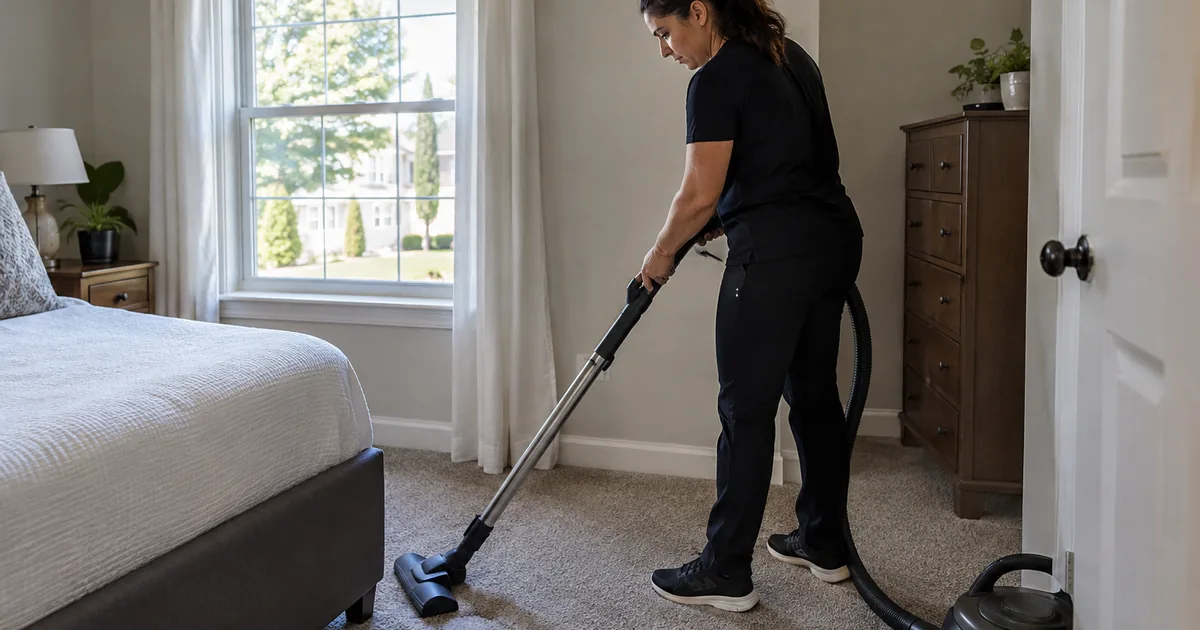
house cleaning Manchester: Cleaning After Repair Work
Preparing for house cleaning Manchester starts with one important question: is the repair work actually finished? A cleaner can remove ordinary household buildup, but sanding a patched wall afterward can put fresh dust across the same room. Before your first visit with Prime Cleaning MO LLC, separate the work that changes or repairs the home from the work that cleans it. That simple distinction helps you request the right service and avoid paying to clean surfaces that tradespeople still need to disturb.
Walk through each room and list unfinished tasks, including caulking, drilling, painting, hardware installation, and flooring touch-ups. Ask whether anyone will return with tools after the cleaning. If the answer is yes, identify exactly where they will work and what they might disturb. A room that looks finished may still need dusty adjustments, so base your cleaning date on confirmed work status rather than appearance alone.
Finish the work that would undo the cleaning
Complete dust-producing and splash-producing repairs before the cleaners arrive. This includes sanding filler, cutting trim, drilling mounting holes, and scraping old material. Have the responsible contractor remove tools and unused supplies and address their work area before the cleaning visit. Cleaning does not replace finish repairs: chipped paint, damaged grout, scratched flooring, and uneven caulk need the appropriate trade, not stronger scrubbing.
Choose between postponing and isolating the work
If a painter still needs to sand a hallway that connects every bedroom, postponing the cleaning is usually the more practical choice. If one closed bedroom needs a small repair, ask whether the remaining rooms can be cleaned under a clearly limited scope. Confirm how workers will enter, where materials will travel, and whether dust could spread beyond that room. Do not assume a closed door alone makes an active construction area suitable for cleaning. Tell the cleaning team about the unfinished work before they arrive, not at the doorway.
Explore our house cleaning service and cleaning in Manchester, MO for property-specific information.
Check cure times and identify unfamiliar dust
New paint, caulk, sealants, grout, adhesives, and floor coatings may have cleaning restrictions even when they feel dry. Obtain the product name and manufacturer instructions from the installer. Share any restrictions on water, chemicals, friction, or equipment with the cleaning team. Follow the manufacturer's cure times rather than choosing a convenient waiting period. If instructions are unavailable, request clarification from the installer before approving cleaning of that surface.
Stop when the material is unknown
If repair work has left unfamiliar powder, suspect material, or dust whose source cannot be identified, stop preparation and request a qualified contractor assessment. Do not sweep it around, disturb it to investigate, or use a household vacuum on construction dust. Ordinary cleaning is not a substitute for evaluating potentially hazardous material. Once the source has been assessed, discuss whether the remaining work falls within the cleaner's service scope. Keep affected areas out of the planned cleaning until that question is resolved.
Choose the first-visit service by actual condition
For an occupied home with ordinary accumulated soil, an initial deep clean establishes the starting point for ongoing service. Standard or recurring cleaning is available only after that initial deep clean; it is not a first-time or one-time service. Your first standard or recurring quote includes the initial deep clean. Explain whether rooms are furnished, how much buildup is present, and which spaces matter most.
Deep-clean appliance interiors and inside cabinets are optional add-ons, so request them explicitly rather than assuming they are included. Move-In/Move-Out cleaning includes inside and outside cabinets and appliances. Interior windows are an optional add-on for these services, not an automatic inclusion. If recent repairs have left construction residue, disclose it before selecting an ordinary deep clean. Detailed work beyond a deep clean may take more than one day, so discuss the extent of detailing rather than expecting every repair-related issue to fit a routine visit.
Give a useful repair and construction intake
For residential construction-related cleaning, provide the bedroom count, bathroom count, and current condition: debris, dust, or more. Describe what was repaired, which rooms were affected, and whether work is finished. Photos can help explain visible conditions, but they do not establish what unfamiliar dust contains. Separate ordinary household dirt from repair residue in your description so the requested scope reflects both.
List leftover packaging, offcuts, broken fixtures, and other bulky material separately. Heavy debris and hauling must be scoped separately; do not assume they come with cleaning. Ask who will remove those items before access is needed. For commercial construction, a free in-person walkthrough is required before pricing. Supply the business name, approximate square footage, restroom count, requested date and time window, and onsite contact. Commercial and industrial cleaning also require that walkthrough before pricing. A residential description or a set of photos does not replace the commercial assessment, and hazardous work is not promised.
Clear access without creating another worksite
Once repairs are finished and any material concerns are resolved, prepare the home for access rather than trying to pre-clean everything. Put away tools, cords, paint trays, and loose hardware. Move everyday belongings off counters and accessible floor areas. Store valuables, medication, documents, and fragile objects where they will not need to be handled. Arrange for pets to stay away from the work area and explain any entry instructions.
Do not pull heavy appliances or furniture away from walls just to expose dust. Ask about access limits and who is responsible for moving items. For approved inside-cabinet or appliance-interior work, confirm what must be emptied beforehand and how food or belongings will be stored. If an installer left protective film or coverings, ask who should remove them and when. Removing protection prematurely can expose a finish still awaiting other work; leaving it without explanation can also block surfaces you expected to have cleaned.
Agree on surface care and priorities before arrival
Send a short priority list that distinguishes cleaning concerns from damage. For example, “dust on the bedroom shelves” is a cleaning concern; “paint peeling beside the shelf brackets” is a repair concern. Mention new stone counters, coated floors, recently painted trim, and surfaces with special care instructions. Ask which areas can be cleaned now and which should remain untouched until the installer confirms readiness.
Manufacturer-safe surface care matters more than using an aggressive product to chase a mark. Avoid acids on stone, never mix cleaners, and use disinfectants only when appropriate, allowing the full label contact time. Some marks may be adhesive residue, coating damage, or installation defects rather than removable soil. Do not request scraping or solvent use without confirming compatibility. If your priorities include optional interior windows, appliance interiors, or cabinet interiors, get those choices recorded so the team can distinguish agreed work from a last-minute request.
Use a final walkthrough to prevent repeat cleaning
Before the visit, walk the route cleaners will use from the entrance through the assigned rooms. Check that no contractor has scheduled a return during the appointment, access areas are clear, and any restricted surfaces are identified. If a repair has restarted, contact Prime Cleaning MO LLC with the change so the scope or appointment can be reconsidered. A clear update is more useful than hoping the team can work around fresh sanding.
After cleaning, review the agreed priorities and distinguish missed soil from unfinished repairs or permanent damage. Avoid scheduling new dusty work immediately afterward if you can finish it first. If another trade must return, plan protection and responsibility for the resulting cleanup with that contractor. For ongoing household upkeep, discuss recurring service after the initial deep clean. The goal is a sensible sequence: finish repairs, confirm surface readiness, clean to an agreed scope, then maintain the home without repeatedly undoing that work.