House Cleaning
House Cleaning Oakville: Separate Kitchen and Bathroom Tools
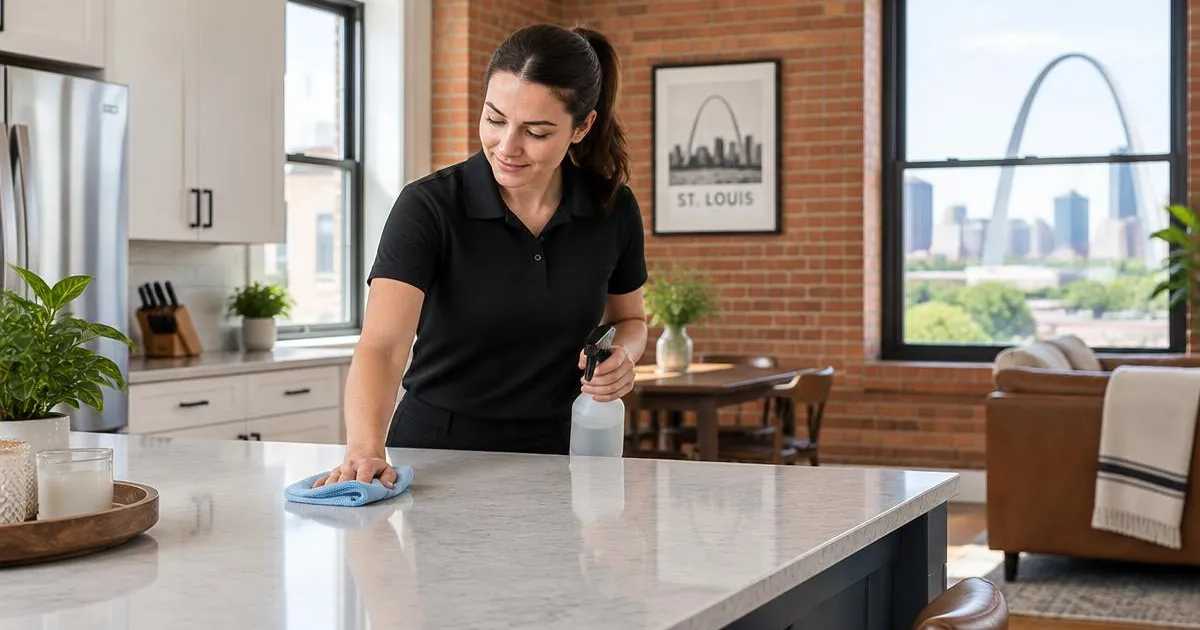
A useful first-visit plan starts with more than tidying. Separate kitchen and bathroom tools, identify sensitive surfaces, and agree on the right cleaning scope.
house cleaning Oakville: Separate Kitchen and Bathroom Tools
Your first house cleaning Oakville appointment should begin with a clear plan for keeping kitchen and bathroom cleaning tools separate. Both rooms need detailed attention, but a cloth used around a toilet should never travel to a food-preparation counter. Preparing for Prime Cleaning MO LLC means explaining your priorities, identifying sensitive surfaces, and discussing tool separation before cleaning begins—not scrubbing the house yourself.
Start by describing what is bothering you most: greasy cabinet fronts, bathroom buildup, dusty rooms, or several concerns together. Mention bedrooms, bathrooms, pets, and rooms that should remain untouched. Then ask how the proposed visit will address those priorities without moving bathroom soil into kitchen areas. A short conversation about room-specific supplies and workflow is more useful than a vague request to clean everything. It also gives you a practical way to evaluate the scope before approving it.
Choose the Right First-Visit Scope for house cleaning Oakville
An initial deep clean is the starting point before standard or recurring service. Standard cleaning is not a first-time or one-time option, and the first standard or recurring quote includes that initial deep clean. Explain whether you want a single deep clean or hope to establish ongoing visits afterward; the preparation and priorities should reflect that choice.
For a deep clean, appliance interiors and inside cabinets are optional add-ons rather than automatic inclusions. Interior windows are also optional. If an oven interior matters more than a guest bedroom, say so while requesting the quote rather than assuming the cleaner will fit it in.
Move-In/Move-Out service includes inside and outside cabinets and appliances. That makes it a different scope, not simply another name for deep cleaning. Ask which service matches the property's condition and contents. Detailing beyond a deep clean may take more than one day, so describe stubborn buildup and extensive detail requests before scheduling.
Explore our house cleaning service and cleaning in Oakville, MO for property-specific information.
Establish a Kitchen and Bathroom Tool Boundary
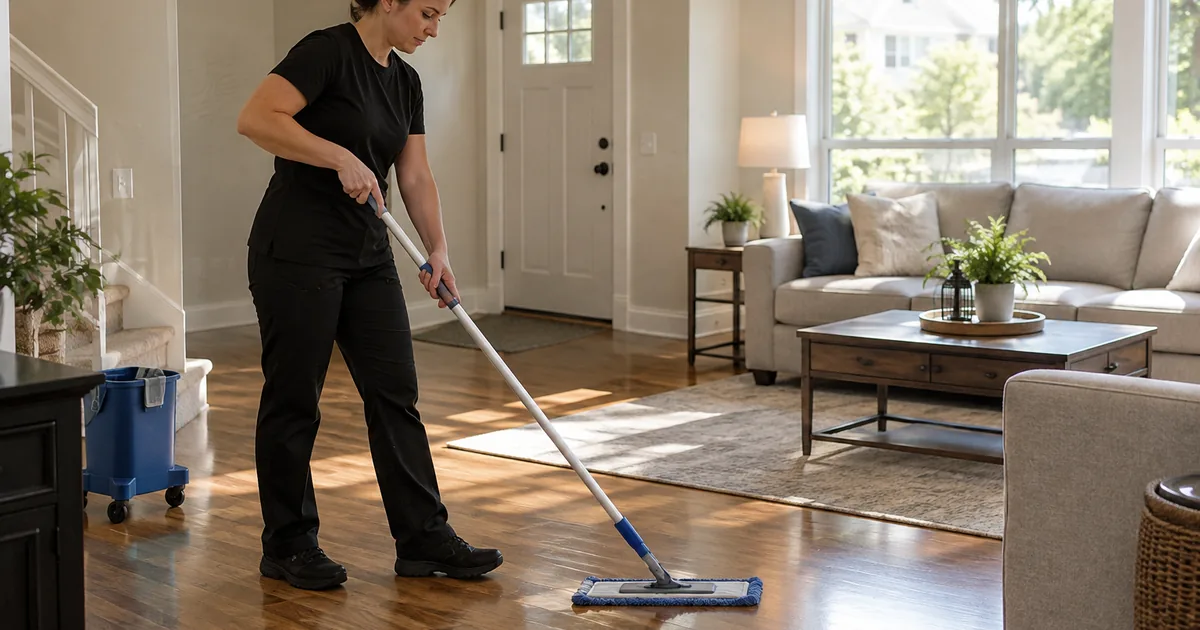
Ask for a room-specific tool plan rather than relying on the appearance of a tidy supply caddy. Discuss how cloths, brushes, sponges, gloves, and reusable mop materials will remain separated. Color coding can help, but labels or dedicated containers work too; the important part is preventing used bathroom tools from returning to kitchen work.
Keep Food-Area Tools Dedicated
Kitchen cloths should be reserved for kitchen tasks, with fresh cloths used as they become soiled. A cloth that collects grease from a range should not become the finishing cloth for a food-preparation surface. Ask how used materials are contained and how reusable tools are cleaned before reuse. If you supply cloths, place clean kitchen items in a clearly labeled container.
Give Toilet Tools Their Own Category
Bathroom separation needs another boundary within it: toilet tools should not be used on sinks, faucets, tubs, or shower surfaces. Discuss glove changes and hand hygiene when moving between toilet work and other tasks. Separate clean and used supplies so a wet toilet brush or used cloth cannot contact tools intended for another room.
Prepare the Kitchen Without Doing the Cleaning First
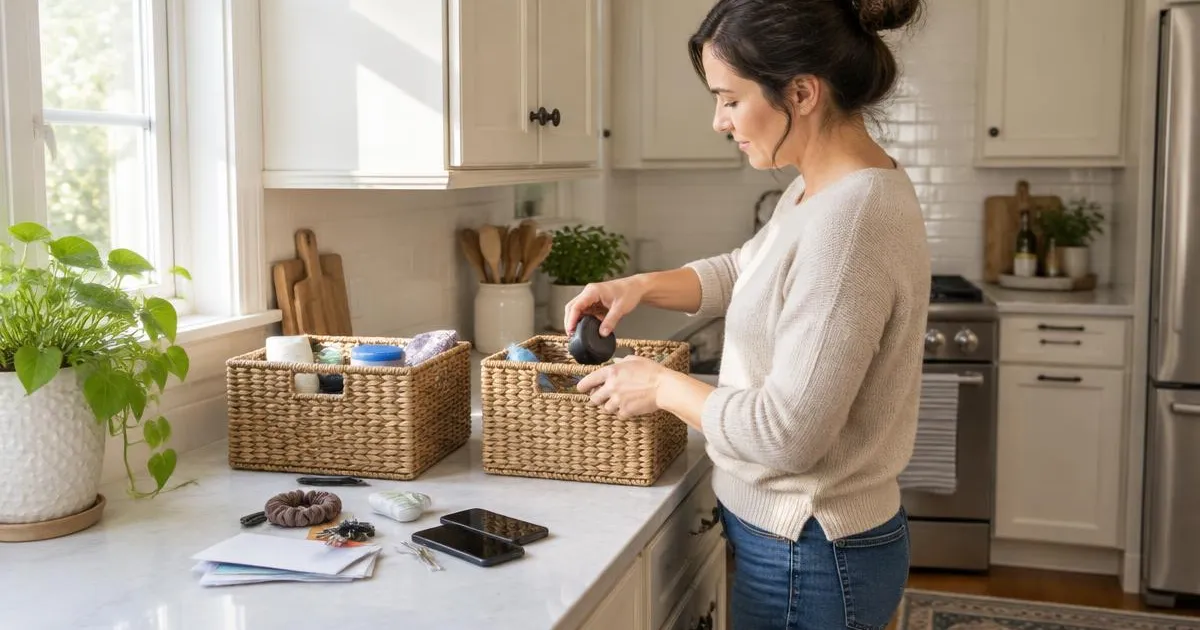
Clear enough counter space for the cleaner to reach the surfaces you want cleaned. Put away exposed food, medicines, paperwork, and small personal items. Handle dishes according to the agreed scope rather than assuming dishwashing is included. Leave frequently used appliances accessible, but do not disconnect or move heavy equipment just to expose hidden areas.
Identify countertop and backsplash materials if you know them. Natural stone, sealed wood, stainless steel, and coated appliance fronts may need different care. Share manufacturer instructions or point out uncertain finishes. Manufacturer-safe surface care matters more than using one strong product everywhere; acids should not be used on stone, and cleaners should never be mixed.
If you selected inside-cabinet or appliance-interior add-ons, ask what needs emptying beforehand. For example, an oven-interior request should be confirmed separately from cleaning its exterior. Tell the team about loose handles, damaged seals, or malfunctioning controls so cleaning does not become an unplanned repair task.
Prepare Bathrooms for Safe Access and Appropriate Products
Remove toothbrushes, razors, cosmetics, and other personal items from the surfaces being cleaned. Put towels and clothing where they will stay dry. Explain which bathrooms are used daily and whether one must remain available during the visit. If your household has specific hygiene concerns, discuss them without assuming routine cleaning provides medical-level infection control.
Point out stone shower walls, specialty faucet finishes, peeling coatings, and damaged grout. Cleaning cannot substitute for finish repairs, and aggressive scrubbing may worsen a vulnerable surface. Share any recently applied sealant or coating instructions; access and product choices should follow manufacturer cure times rather than an estimated waiting period.
Disinfection should be used only when appropriate for the surface and task. Where a disinfectant is appropriate, its full label contact time matters. Ask how the surface will remain treated for that period and whether the label requires rinsing afterward. More product or stronger combinations are not a substitute for following directions.
Describe Dust and Debris Before Selecting Residential Cleaning
Recent renovation changes the intake conversation. For residential construction cleaning, provide the bedroom count, bathroom count, and condition: debris, dust, or more. Explain what work occurred and whether materials or unfinished work remain. Do not describe construction residue as ordinary household dust simply to request a routine cleaning visit.
For example, a bathroom remodel may leave residue outside the bathroom along the route workers used. Describe affected rooms and surfaces before deciding whether kitchen and bathroom cleaning can proceed normally. Heavy debris and hauling must be scoped separately; neither should be assumed part of surface cleaning.
If dust is unknown or potentially hazardous, stop cleaning preparations and request assessment by a qualified contractor before disturbing it. Do not use a household vacuum for construction dust. House cleaning does not include asbestos, lead, silica, or mold remediation, hazardous waste removal, duct cleaning, or finish repairs. Cleaning also cannot establish that a construction area is safe for occupancy or deliver dust-free results.
Agree on Access, Room Order, and Practical Priorities
Before arrival, confirm entry instructions, parking or access restrictions, pets, and who can answer questions. Keep children and animals away from active cleaning areas and stored products. Identify fragile items and private rooms. You do not need to organize every drawer, but clear walkways and enough working space to reduce unnecessary handling.
Ask how the team will sequence rooms while maintaining tool separation. Working from cleaner tasks toward dirtier tasks within a room is useful, but room order alone does not prevent cross-contamination. Fresh supplies, controlled storage of used tools, and appropriate hand hygiene matter even if the kitchen is cleaned first.
Choose a few concrete priorities if the requested work needs narrowing. For example, prioritize accessible kitchen surfaces and two regularly used bathrooms over an optional interior-window add-on. Confirm what is excluded and what requires a revised scope. An agreed list of priorities is more reliable than assuming every surface, hidden area, and detailed task is included.
Review the Visit and Plan the Next Step
At the end, review the agreed priorities rather than searching for a universal checklist. Ask which requested areas were addressed, whether any surface needed a gentler approach, and whether blocked access prevented work. If you notice a concern, identify the room and surface specifically so the discussion stays useful.
If recurring cleaning is your goal, discuss the maintenance scope after the initial deep clean. Explain which kitchen and bathroom tasks need regular attention and retain the same room-specific tool expectations. Changes such as renovations, additional rooms, or newly requested interiors should prompt another scope conversation.
If your request concerns a business rather than a residence, use the commercial intake process. Commercial or industrial cleaning and commercial post-construction cleaning require a free in-person walkthrough before pricing. Provide the business name, approximate square footage, restroom count, preferred date/time window, and onsite contact. Hazardous work is not promised as part of those services.