House Cleaning
House Cleaning St. Charles: The Initial Deep-Clean Visit
Your first visit establishes the foundation for recurring cleaning. Learn what to share, what to put away, and how to choose the right scope before service begins.
house cleaning St. Charles: The Initial Deep-Clean Visit
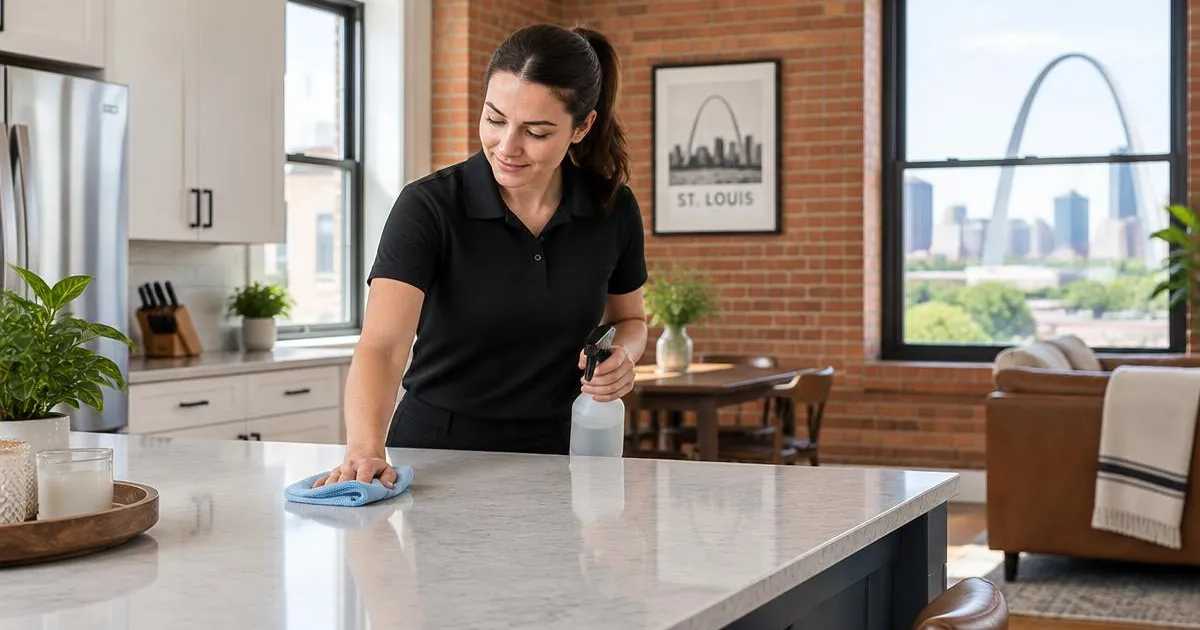
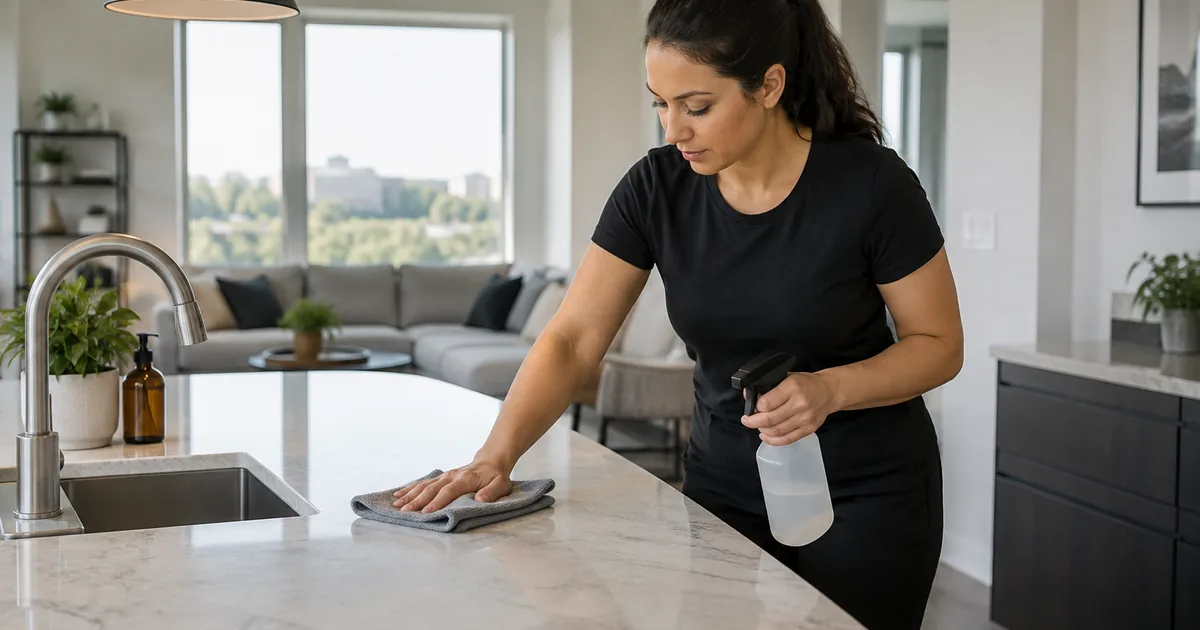
Searching for house cleaning St. Charles often starts with a practical question: how much should you do before someone comes to clean? The goal is not to clean the house yourself. It is to make important surfaces accessible, explain your priorities, and choose a service that matches the home's current condition. For Prime Cleaning MO LLC, standard or recurring maintenance begins only after an initial deep clean.
That starting visit addresses accumulated buildup before attention shifts to ongoing upkeep. This guide from the Prime Cleaning MO Team explains how to prepare, distinguish included work from optional additions, and avoid booking maintenance for a home that needs a different scope. A clear conversation matters more than making everything look presentable. Tell the team what has been difficult to maintain, which rooms matter most, and whether moving, remodeling, or delicate materials change the work.
Why house cleaning St. Charles starts with a deep clean
Recurring cleaning works best when there is an established baseline to maintain. A regularly wiped counter and a cabinet front with older cooking residue require different attention. Likewise, accessible flooring may need ordinary upkeep while edges and fixtures need more detailed work. The initial deep clean gives those differences a place in the service plan.
Standard or recurring cleaning is not offered as a first-time or one-time substitute for that starting visit. Your first standard or recurring quote includes the initial deep clean. Ask the team to distinguish the first-visit scope from later maintenance so you understand what changes rather than assuming every appointment involves the same detail.
For example, if you want ongoing bathroom and kitchen upkeep but have neglected buildup throughout the home, describe both needs. The right sequence is a deep clean followed by agreed maintenance. If the condition calls for detailing beyond a deep clean, that work may take more than one day and needs separate discussion.
Explore our house cleaning service and cleaning in St. Charles, MO for property-specific information.
Share the home's condition, not just its size
Start your inquiry with the St. Charles service address, bedroom and bathroom counts, approximate size, and whether the home is occupied. Explain which areas you want cleaned and identify rooms that will remain off-limits. Mention pets, access restrictions, and any surfaces that need special care.
Condition descriptions help more than labels such as “pretty clean” or “really bad.” Describe sticky kitchen surfaces, bathroom buildup, pet hair along furniture edges, or shelving blocked by stored belongings. Photos can support the conversation, but ask what views would actually help rather than sending unrelated close-ups.
Useful scope questions include: Does the home need general buildup addressed, move-related cleaning, or cleaning after construction? Are appliances staying in place? Can the team reach the requested areas without moving heavy furniture? Which two or three outcomes matter most? Accurate answers help the team identify the appropriate service without treating every home as the same assignment.
Clear access without pre-cleaning the house
Preparation should remove obstacles, not erase evidence of what needs attention. Leave ordinary cleaning work for the visit, but organize belongings enough for the team to reach agreed surfaces.
Make working surfaces reachable
Pick up clothing, toys, loose papers, and small items from floors. Gather toiletries into a container and clear selected kitchen counters. Handle dishes and food storage beforehand, or discuss those needs rather than assuming they are included. Put jewelry, cash, medications, fragile keepsakes, and private documents somewhere secure.
If you cannot clear everything, choose priority areas and disclose what will remain covered. For example, an accessible bathroom and kitchen may matter more than a desk stacked with paperwork. Ask how blocked areas will affect the agreed work.
Plan access, pets, and household routines
Confirm entry instructions, parking arrangements, and how to reach you with questions. Keep pets in an agreed secure area that does not prevent access to priority rooms. If you work from home, identify calls or rooms requiring privacy. Explain any locks, alarms, or doors that need special handling.
Choose extras deliberately and distinguish service types
A deep clean does not automatically include every enclosed space or specialty task. For deep-clean service, appliance interiors and inside cabinets are optional add-ons. Interior windows are also optional for house cleaning and should be requested explicitly rather than assumed.
Match add-ons to the problem you want solved
If the kitchen's main issue is residue on exposed surfaces, discuss that priority first. If you also want an oven interior or pantry cabinets cleaned, name those spaces before booking. Ask what must be emptied and whether the appliance's condition or care instructions affect the proposed work. Do not empty every cabinet unless that interior cleaning is part of the confirmed scope.
Recognize when you need move-related cleaning
Move-In/Move-Out cleaning includes inside and outside cabinets and appliances. That differs from deep-clean service, where those interiors are optional additions. If you are leaving a property or preparing an empty home, say so at intake. Interior windows remain optional for move-related cleaning; they are not automatically included because the home is vacant.
Flag construction dust before booking ordinary cleaning
Recent remodeling changes the intake conversation. For residential construction cleaning, provide bedroom and bathroom counts and describe the condition: debris, dust, or more. Explain what work occurred, whether contractors are finished, and which rooms were affected. Do not label renovation residue as ordinary household dust simply to fit a maintenance booking.
Heavy debris and hauling must be scoped separately. Unknown or potentially hazardous dust requires stopping and requesting assessment by a qualified contractor before cleaning proceeds. Do not disturb it or attempt to collect construction dust with a household vacuum. This service should not be understood as hazardous-material remediation or a determination that the property is safe to occupy.
Commercial post-construction and commercial or industrial cleaning follow a different process: a free in-person walkthrough is required before pricing. Provide the business name, approximate square footage, restroom count, requested date/time window, and onsite contact. A residential estimate should not be used as a shortcut for commercial work.
Identify delicate finishes and set realistic priorities
Point out natural stone, specialty flooring, coated fixtures, and recently installed or refinished materials. Share manufacturer care instructions when available. Cleaning should follow manufacturer-safe surface care, including applicable cure times; a surface that looks dry may not yet be ready for cleaning. Avoid acids on stone, and never mix cleaners.
Discuss whether disinfection is appropriate for a particular surface or situation rather than expecting it everywhere. When used, a disinfectant must be suitable for the surface and remain wet for the full label contact time. More product or stronger chemistry is not a substitute for correct use.
Also distinguish soil from damage. Scratches, worn coatings, discoloration, and damaged grout may not change with cleaning, and finish repairs are not part of the cleaning service. Choose priorities accordingly: accessible buildup in the bathrooms may be a better cleaning target than a worn countertop mark. Raise uncertain spots before work begins.
Use the first visit to build a realistic maintenance plan
Before the appointment, review the agreed rooms, priorities, optional additions, access arrangements, and exclusions. Ask how the team will communicate if the observed condition differs from the description. This gives you an opportunity to discuss scope changes rather than assuming extra work can simply be absorbed.
After the initial deep clean, discuss the maintenance needs that remain. Household activity, pets, cooking habits, and how quickly bathrooms accumulate soil can guide the recurring schedule. For example, a frequently used kitchen may need more consistent attention than a guest bedroom that stays closed.
Keep the recurring plan specific without treating it as a universal checklist. Confirm which rooms receive routine attention and how future add-ons are requested. If remodeling, a move, or a substantial change in condition interrupts the routine, tell Prime Cleaning MO LLC before the next visit so the service can be reassessed.