Junk Removal
Junk Removal in St. Louis: Prepare for Pickup
A practical pickup-preparation guide covering what to photograph, how to describe access, what to keep separate, and which materials need confirmation before collection.
Prepare for Junk Removal in St. Louis Before Moving Anything
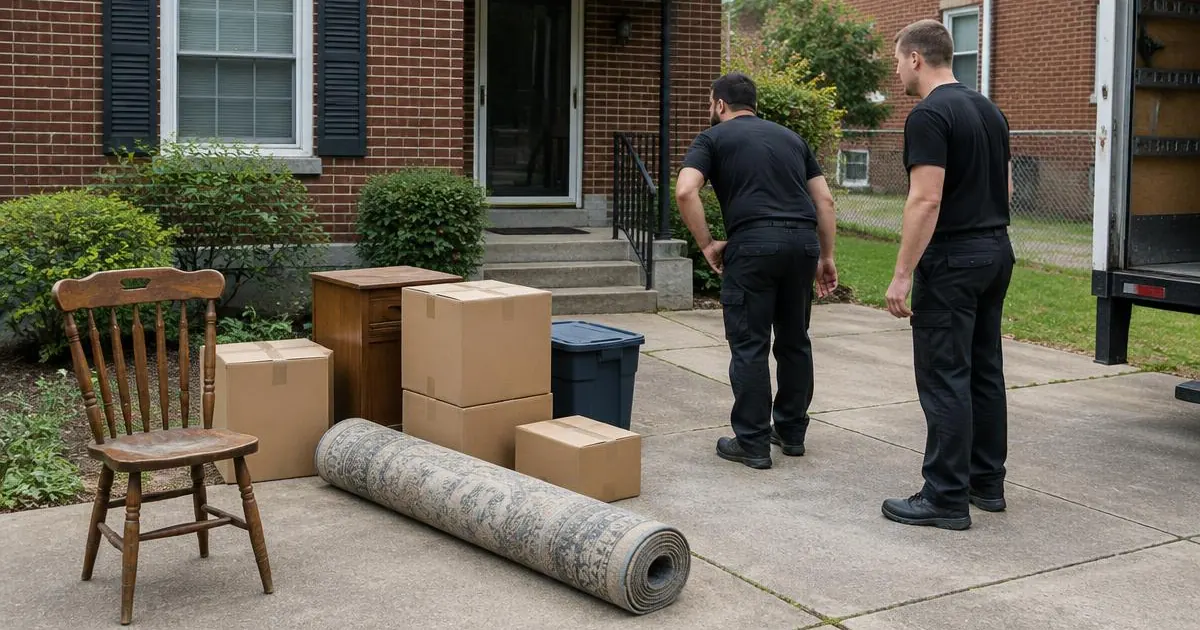
To prepare for junk removal in St. Louis, make an item inventory, photograph the load and exit route, separate belongings you are keeping, and confirm which materials the pickup provider accepts. Do this before dragging furniture outside or combining everything into bags. A clear description helps the provider assess the request without relying on guesses about size, access, or contents.
Start with three groups: remove, keep, and needs confirmation. Put uncertain items in the third group rather than assuming that anything unwanted belongs in the pickup. Paint, batteries, chemicals, unidentified containers, and some appliances may require different handling.
Then send your inventory, photos, location, and preferred pickup window together. Ask what preparation is required and whether items can remain where they are. For a St. Louis metro request through Prime Cleaning MO LLC, use the junk-removal inquiry or quote process to confirm scope rather than treating this guide as an accepted-materials list.
Build an Inventory That Describes the Actual Load
Walk through each affected room, basement, garage, and outdoor storage area. Record the item, quantity, approximate dimensions, location, and anything unusual about its condition. “One sofa in the basement, with a detached leg” is more useful than “some furniture.” Note unusually heavy objects without trying to lift them to estimate weight.
Separate loose contents from large objects in your description. A dresser containing clothing is not the same request as an empty dresser. Tell the provider whether shelves, drawers, or storage bins still hold material, and ask whether they should be emptied.
Describe Differences That Affect Handling
For example, distinguish a freestanding bookcase from a wall-mounted shelving unit. If something is attached, plumbed, wired, or connected to gas, disclose that before scheduling. Do not assume removal includes disconnection, demolition, or dismantling.
Update the inventory if the load changes. Adding a mattress, several bags, or another room’s contents after the initial discussion can change the scope and preparation requirements.
Explore our junk removal service and cleaning in St. Louis, MO for property-specific information.
Take Photos That Answer Practical Questions
Take one wide photo of each pickup area, then closer photos showing individual objects and their condition. Give large furniture enough space in the frame that its shape is understandable. Photograph visible damage, exposed fasteners, or loose components that could affect handling.
Next, photograph the path from the items to the proposed loading location. Include stairways, turns, door openings, gates, and any narrow passage. Measure a tight doorway rather than relying on a photo alone. Tell the provider if a sofa previously entered through a different entrance or before a railing was installed.
Avoid including mail, financial documents, family photos, or access codes in your images. Share entry details privately when needed. Do not open unknown containers or disturb suspicious debris just to improve a picture. Describe what you can safely see, and ask whether a separate assessment is needed.
Check the Entire Route, Not Just the Front Door
In a St. Louis brick home, the route may involve a narrow basement stair, a rear gate, or an alley rather than the front walk. Explain the actual route and identify steps, low ceilings, uneven surfaces, and doors that do not open fully. Do not assume an alley is usable simply because it appears close.
Ask where the pickup vehicle can legally and practically stop. Keep fire access, sidewalks, neighboring entrances, and shared lanes unobstructed. For an apartment or managed building, confirm loading arrangements, elevator access, and any building requirements with management before requesting a particular arrival window.
Clear small obstacles that you can safely move, including shoes, rugs that slide, and loose cords. Keep children and pets away from the handling route. Leave heavy items in place unless the provider requests a safe staging arrangement; moving them twice creates avoidable work and exposure to injury.
Separate Keepers and Pack Without Hiding Problems
Choose a clearly distinct keep area, ideally away from the pickup route. Tell everyone in the household what is leaving before pickup day. If two similar chairs have different destinations, separate them physically instead of relying only on a verbal description.
Check drawers, pockets, boxes, and storage furniture for keys, documents, jewelry, and other belongings. Set aside devices containing personal information until you have backed up and removed that information using an appropriate method.
Use Containers That Match the Contents
Ask how loose items should be packed. Use manageable containers in sound condition, and describe their contents accurately. Do not conceal sharp objects in ordinary bags or overload a box until its bottom bows.
Keep known sharp or broken materials separate and tell the provider about them before handling. If you discover an unknown liquid, powder, or leaking container, stop packing that area. Combining uncertain materials makes identification and safe handling harder.
Flag Materials That Need Separate Confirmation
Ask specifically about paint, solvents, cleaners, pesticides, fuel, propane cylinders, batteries, electronics, tires, mattresses, and appliances. These are questions to raise, not a list of accepted items. Identify appliances by type and disclose any leaks, damage, or remaining contents without attempting technical repairs.
For materials the provider does not accept, consult current City of St. Louis, St. Louis County, or your municipality’s waste guidance, as applicable to your address. Verify eligibility and preparation requirements with the destination before transporting anything. A location serving one jurisdiction may not serve another.
Construction debris needs extra care. Do not sweep, break apart, or bag material suspected of containing lead, asbestos, or silica. Suspected hazardous dust or biohazards require appropriate specialists and contractor assessment, not routine cleaning. Disclose needles, sewage contamination, or unidentified substances before anyone enters the affected area.
Never mix cleaners or pour leftover chemicals together to reduce the number of containers.
Confirm Scope Before Pickup Day
Send one final message summarizing the inventory, photos, floor or room locations, stairs, loading access, uncertain materials, and preferred date or window. Include a contact who can answer questions at the property. Identify who has authority to approve removal, especially when several relatives, tenants, or coworkers are involved.
Ask which items are included, which are excluded, what preparation is required, and how changes will be assessed. Also clarify whether dismantling or carrying from the current location is part of the proposed work. Do not assume a quote covers additional objects merely because they are nearby.
On pickup day, walk through the designated items with the provider before handling begins. Point out the keep area and any last-minute changes. If an item’s identity or acceptance remains uncertain, leave it out until clarified. Before the load departs, check the agreed removal areas for overlooked belongings.
Plan Cleaning as a Separate Next Step
Removing objects can reveal dirt, spills, or damage that was previously hidden. Ask whether any cleanup is included rather than assuming pickup includes detailed cleaning. Inspect the cleared area before deciding what comes next; damaged flooring, pest evidence, or suspicious residue may need assessment first.
For ordinary household soil, arrange cleaning after removal so surfaces are accessible. Prime Cleaning MO LLC serves the St. Louis metro, and a residential deep-clean inquiry can describe the newly cleared rooms and surfaces. Appliance interiors and inside cabinets are optional deep-clean add-ons. Standard or recurring cleaning is available only after an initial deep clean, not as a first-time or one-time service; the first cleaning quote includes that initial deep clean.
For DIY cleanup, follow manufacturer-safe care and avoid acids on marble. CDC guidance is to clean before disinfecting and disinfect when appropriate. EPA guidance calls for keeping disinfectant visibly wet for its full label contact time—not a universal number of minutes.
Written by the Prime Cleaning MO Team.