House Cleaning
Weekly vs. Biweekly Cleaning in St. Louis
Choose a recurring cleaning schedule based on household traffic, between-visit chores, and how quickly your most-used rooms need attention.
Weekly vs. Biweekly Cleaning in St. Louis: The Short Answer
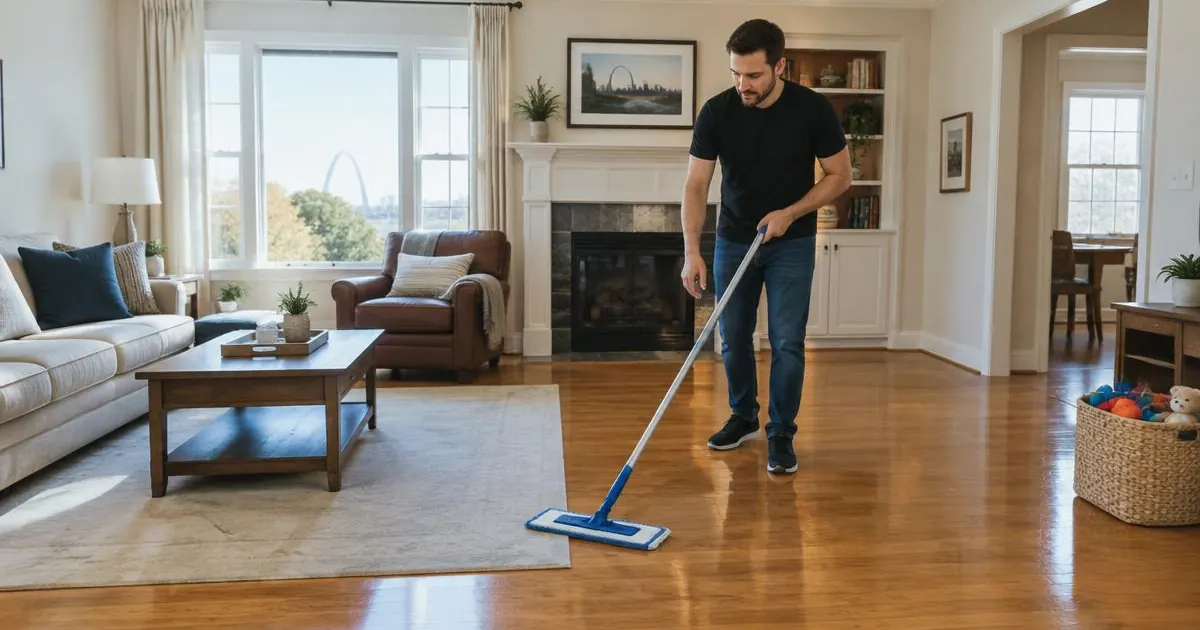
When choosing weekly vs. biweekly cleaning in St. Louis, start with how your home feels during the second week between visits. Weekly service generally makes more sense when kitchens, bathrooms, and floors need attention before that second week begins. Biweekly service can fit when normal household upkeep keeps those areas manageable for two weeks. Neither choice replaces daily tasks such as washing dishes, handling spills, or putting belongings away.
At Prime Cleaning MO LLC, both schedules begin after a mandatory initial deep clean. The first quote includes that initial deep clean, followed by the proposed recurring schedule. Standard cleaning is not available as a one-time service or for first-time clients.
A practical starting rule is to choose weekly if keeping up between visits repeatedly requires work you cannot reasonably fit into your routine. Choose biweekly if a few manageable chores preserve the result. Base the decision on your actual household, not a perfectly tidy version of it.
Establish the Baseline Before Choosing the Interval
An initial deep clean gives recurring service a clearer starting point. Existing buildup and ongoing maintenance are different needs: a bathroom with accumulated residue should not be used to judge whether a two-week maintenance interval will work after that buildup has been addressed.
When requesting your first quote, describe the home's current condition rather than simply calling it dirty or clean. Mention the rooms that need the most attention, surfaces with visible buildup, pet hair, and areas that have been difficult to maintain. Explain which rooms are used daily and which are rarely occupied.
For a deep clean, appliance interiors and inside cabinets are optional add-ons. If those areas matter to your starting point, ask to have them included in the quote rather than assuming they are part of the service. Interior windows are also an available add-on for residential deep and recurring cleaning.
After the initial visit, observe how the home changes with ordinary use. That fresh baseline makes the weekly-versus-biweekly decision more meaningful than judging from accumulated chores.
Explore our house cleaning service and cleaning in St. Louis, MO for property-specific information.
Match Frequency to Household Activity, Not Just Size
Square footage matters when describing a home, but it does not tell the whole scheduling story. A compact home with frequent cooking and shared bathrooms may need more frequent maintenance than a larger home with several unused rooms.
When Weekly Is the Stronger Starting Choice
Consider weekly visits when several people use the same bathrooms, meals are prepared at home most days, or pets leave noticeable hair along daily walking routes. Working from home can also mean more use of counters, sinks, and floors than an otherwise similar household experiences.
For example, a household that finds kitchen grease, bathroom residue, and tracked-in dirt returning together may benefit more from weekly service than from stretching visits and doing substantial cleanup in between.
When Biweekly Can Be a Good Fit
Consider biweekly visits when occupancy is lighter, mess stays localized, and basic upkeep feels manageable. Someone who cooks occasionally, keeps shoes near the entrance, and readily handles small spills may find the longer interval practical.
The deciding question is not whether the home stays untouched. It is whether its condition remains acceptable to you without an unrealistic amount of effort.
Run a Simple Between-Visit Check
First, identify three useful checkpoints: the busiest bathroom, the main food-preparation counter, and the floor near the entrance used most often. These usually reveal maintenance needs more clearly than a guest room or formal dining room.
Second, check those spots about a week after the initial deep clean, then again as the second week progresses. Note what changed and what you did to maintain them. A short phone note such as “vacuumed pet hair twice; bathroom still manageable” is more useful than a vague impression.
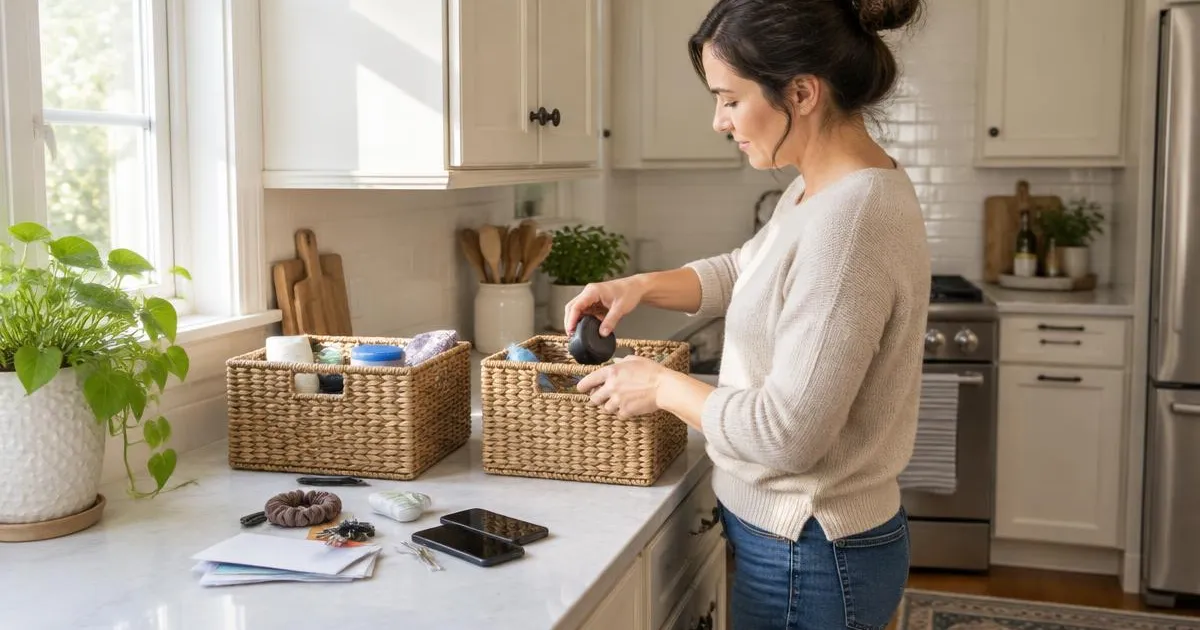
Third, distinguish clutter from cleaning needs. Mail covering a counter requires organizing; residue underneath it requires cleaning. More frequent visits will not solve an overflowing drop zone unless you also make the surface accessible.
Finally, use the pattern to choose. If the second week is manageable with small tasks, biweekly may fit. If you repeatedly postpone needed cleaning or spend your free time catching up, ask about weekly service. Discuss adjustments with Prime Cleaning MO LLC rather than assuming schedule changes are automatic.
Compare Quotes and Scope on Equal Terms
A useful comparison separates the initial deep clean from recurring maintenance and keeps the requested scope consistent. Ask for both cadence options using the same home details, access arrangements, and priorities. Otherwise, you may be comparing different work rather than different schedules.
Separate the Starting Visit From Ongoing Service
Confirm which part of your first quote covers the initial deep clean and what the proposed recurring visits include. Ask how any selected add-ons are handled. Do not assume that a longer gap simply means an identical visit at the same price; obtain the actual quote for each option.
If you are comparing monthly spending, ask how visits are scheduled and billed. Biweekly means every other week, not necessarily twice in each calendar month.
Price the Help You Actually Need
For example, if your main difficulty is keeping bathrooms and floors manageable, compare recurring options around those priorities and the confirmed service scope. If the concern is an oven interior or inside cabinets, discuss the appropriate add-on instead of expecting a weekly schedule alone to address it.
Plan Realistic Upkeep Between Visits
For either schedule, build a small routine around preventing mess from spreading. Handle spills promptly using surface-appropriate care, remove food scraps, and keep heavily used counters accessible. Vacuum or sweep localized dirt when needed rather than waiting for it to travel through the home.
For weekly service, those small tasks may be the main bridge between visits. For biweekly service, decide in advance whether you can also manage an occasional bathroom touch-up or floor pass. If that plan repeatedly fails, reconsider the interval instead of treating the missed chores as a personal failure.
Use manufacturer-safe products and methods. Avoid acidic cleaners on marble, and do not treat vinegar as a universal cleaning solution. Never mix cleaners.
Cleaning and disinfection are different tasks. CDC guidance recommends cleaning before disinfection and using disinfection when appropriate. When using an EPA-registered disinfectant, follow its label and keep the surface visibly wet for the full labeled contact time. There is no single contact time that applies to every product.
Account for St. Louis Weather and Changes at Home
In the St. Louis metro, wet weather and winter slush can change how quickly entry floors need attention. Before changing your whole schedule, look at where the dirt enters. An appropriately placed mat, a shoe-storage spot, and prompt cleanup using floor-safe methods may reduce the burden between visits.
Changes inside the home can matter just as much. A new pet, more people at home, or regular overnight guests can make a previously comfortable biweekly schedule feel inadequate. Tell the cleaning team what changed and which areas now need more attention.
Not every unusual mess belongs within recurring maintenance. If remodeling leaves construction dust or debris, describe it before booking rather than treating it as an ordinary visit. Suspected lead, asbestos, silica, or biohazards require contractor assessment and appropriate specialists, not routine cleaning.
If detailed catch-up work is needed, allow for assessment rather than expecting a fixed completion window. Detailing may take more than one day.
Request a Schedule That Fits Your Home
When contacting Prime Cleaning MO LLC, provide your St. Louis metro location, approximate home size, bedroom and bathroom counts, household activity, and pet information. State whether you are leaning toward weekly or biweekly service and describe the tasks that become difficult between cleanings.
Include current-condition details and any requested deep-clean add-ons. Mention access instructions, delicate surfaces, and rooms that are especially important to you. Clear information helps the conversation focus on the right starting service and maintenance needs.
You might say, “We need the initial deep clean, then want to compare weekly and biweekly visits. Our kitchen gets daily use, and pet hair builds up near the back door. Please explain the recurring scope and quote the oven interior separately.”
Choose the interval you can realistically support between visits, then revisit it if household use changes. The best schedule is the one that fits both your cleaning priorities and your routine.
Written by the Prime Cleaning MO Team.