Airbnb/Vacation Rental
Airbnb Laundry in St. Louis: Turnover Planning
Build a turnover laundry plan around complete linen sets, realistic machine capacity, careful stain checks, and a confirmed backup when washing cannot keep pace.
Plan Airbnb laundry in St. Louis around ready-to-use linens
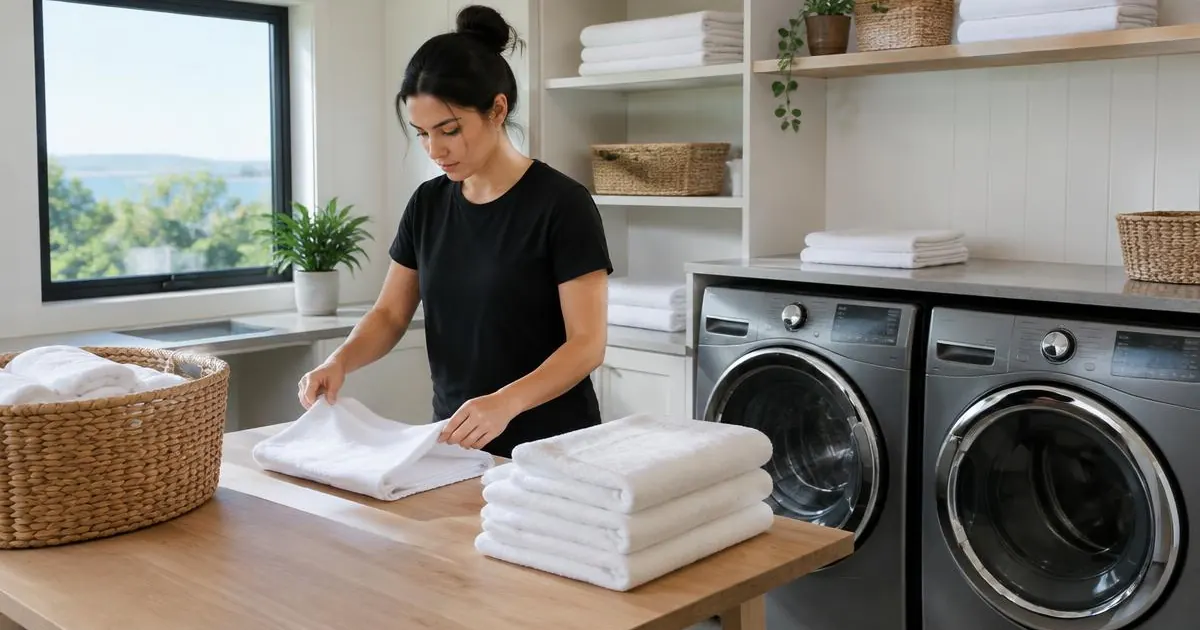
Airbnb laundry in St. Louis works best when the next guest’s bed does not depend on the load currently in the washer. Keep a complete clean replacement set for each sleeping setup, separate used textiles immediately, and confirm who handles washing, drying, folding, and shortages. Treat laundry as its own turnover task, not something that automatically fits around cleaning.
Start by counting everything needed for one fully prepared stay: sheets, pillowcases, duvet covers where used, bath towels, hand towels, washcloths, bath mats, and kitchen cloths. Then identify what can be replaced from storage while the used set is processed. A spare fitted sheet alone is not a usable backup if the matching pillowcases are missing.
When requesting Airbnb service from Prime Cleaning MO LLC in the St. Louis metro, provide bedrooms, bathrooms, square footage, approximate bookings, and whether you want service with or without laundry. Confirm laundry scope and supply responsibilities before relying on them.
Build linen stock by sleeping setup, not bedroom count
A two-bedroom rental with a sleeper sofa has more laundry requirements than its bedroom count suggests. Record mattress sizes, pillows actually presented to guests, and each bathroom’s towel allocation. Include optional beds only if you also establish when they should be made up.
Use that inventory to build complete, labeled bundles. For example, a queen bundle might contain its fitted sheet, flat sheet if used, duvet cover, and the required pillowcases. Keep bath bundles separate so a towel shortage does not hide inside bedding inventory.
Choose a buffer that matches your operation
A practical starting model is one set in use, one clean replacement set, and one reserve set for each sleeping setup. This is a planning approach, not a universal requirement. Increase the buffer if laundry leaves the property, bookings cluster together, or replacement textiles are difficult to source.
Make shortages visible
Label shelves by bed size and item type. Keep reserves in a designated area rather than scattered through guest closets. After each turnover, record missing or withdrawn items so the host can replenish before the next reset.
Explore our airbnb/vacation rental service and cleaning in St. Louis, MO for property-specific information.
Check washer capacity before assigning the work
Washer capacity is not the same as the amount you can push through the door. Check the appliance manual for load limits and bulky-item instructions. Textiles need room to move, and a stuffed drum can leave laundry needing another wash or an unexpectedly difficult drying cycle.
Before deciding that on-site laundry is workable, sort a representative used set into actual loads: bedding, towels, and any items requiring different care. Photograph or note those groupings for whoever handles future turnovers. Do not assume all linens from a small rental belong in one load.
Next, compare the laundry sequence with the access window between guests. Include sorting, stain treatment, washing, transfers, drying, checking, folding, and storage. If a duvet must be washed separately, account for that separately. When the sequence cannot fit reliably, use clean replacement stock and arrange later processing or an outside laundry option rather than overloading machines.
Assess stains before washing and before applying heat
At stripping, keep stained items apart from ordinary used linens. Note what is visible without guessing its source: makeup-like marks on a pillowcase, a dark spill on a sheet, or an unidentified spot on a towel. Follow textile care labels and the treatment product’s directions, including compatibility checks.
Check the treated area after washing and before machine drying. Heat can make some stains harder to remove. If the mark remains, hold the item out of guest-ready stock and decide whether another label-compatible treatment, professional laundering, or replacement makes sense.
Use a clear withdrawal rule: holes, persistent marks, damaged elastic, or an unpleasant odor after laundering mean the item needs review rather than automatic reuse. Keep withdrawn pieces in a separate labeled container. Photographing damage may support host decisions, but the reporting method and who authorizes replacement must be agreed in advance.
For suspected biohazard contamination, stop ordinary handling and seek appropriate specialist guidance rather than treating it as routine laundry.
Let drying and storage determine whether linens are ready
A finished dryer cycle does not prove every item is dry. Open folded edges and check thick towel hems, fitted-sheet corners, and duvet-cover seams before folding. If an item is still damp, keep it out of storage and continue drying according to its care instructions.
Separate loads when their drying needs differ. Lightweight pillowcases may be ready while dense towels remain damp. Untangle sheets that have wrapped around smaller items, and follow the dryer manufacturer’s instructions for lint-filter cleaning and safe operation.
Never use a bed or closed linen cupboard as a place to finish drying damp fabric. Fold on a clean, dry surface, then store fully dry items away from used laundry and cleaning products.
Choose repeatable folding and bundle labels over elaborate presentation. Anyone authorized to reset the property should be able to identify a complete bed set without unfolding every piece.
Write a backup plan for machine trouble and busy booking patterns
Choose your fallback before a washer stops draining or a load needs rewashing. Options include extra on-site stock, host-managed laundry elsewhere, or an outside laundry provider whose acceptance rules and availability you have checked. None should be assumed available without confirmation.
For example, if clean queen bedding remains available but towels are running short, release the designated towel reserve and arrange processing of the used towels separately. If no complete replacement set exists, notify the host promptly rather than dressing a bed with mismatched sizes or damp linens.
Document who can authorize outside processing, how access is arranged, where used bags go, and how clean items return. Keep clean and used textiles physically separate during transport.
For an outside option, consider its route from the property and its actual collection arrangements. A convenient location near a St. Louis rental does not by itself establish dependable pickup or return service.
Keep laundry handling separate from cleaning chemicals
Set up distinct places for used laundry, clean folding, and cleaning supplies. Do not place fresh pillowcases on a bathroom counter that has not yet been cleaned or use guest towels as cleaning cloths.
Never mix cleaners or laundry chemicals. Follow product labels and appliance instructions rather than combining products to make a stain treatment stronger. Use manufacturer-safe care for surrounding surfaces; acids can damage marble, so vinegar is not an all-purpose solution.
For hard surfaces, CDC guidance is to clean before disinfection and disinfect when appropriate. If using an EPA-registered disinfectant, keep the surface visibly wet for the full label contact time. There is no universal number of minutes, and surface disinfectant instructions should not be substituted for textile laundering directions.
Confirm the turnover handoff before the next booking
Send the turnover provider a short property brief covering bed sizes, towel allocation, linen storage, appliance instructions, and the backup contact. State whether laundry should be completed on-site, left for the host, or transferred through an agreed outside arrangement.
Confirm who supplies detergent, stain treatment, replacement linens, and guest consumables. Also agree on what gets reported: shortages, remaining stains, damaged textiles, appliance problems, and laundry still in progress. Host supply and reporting arrangements are not automatic guarantees.
For Prime Cleaning MO LLC, use the Airbnb turnover quote request with bedrooms, bathrooms, square footage, approximate bookings, and your with-or-without-laundry preference. Explain any bulky bedding or access constraints. Request interior-window work separately elsewhere; it is not an Airbnb turnover add-on.
Written by the Prime Cleaning MO Team.