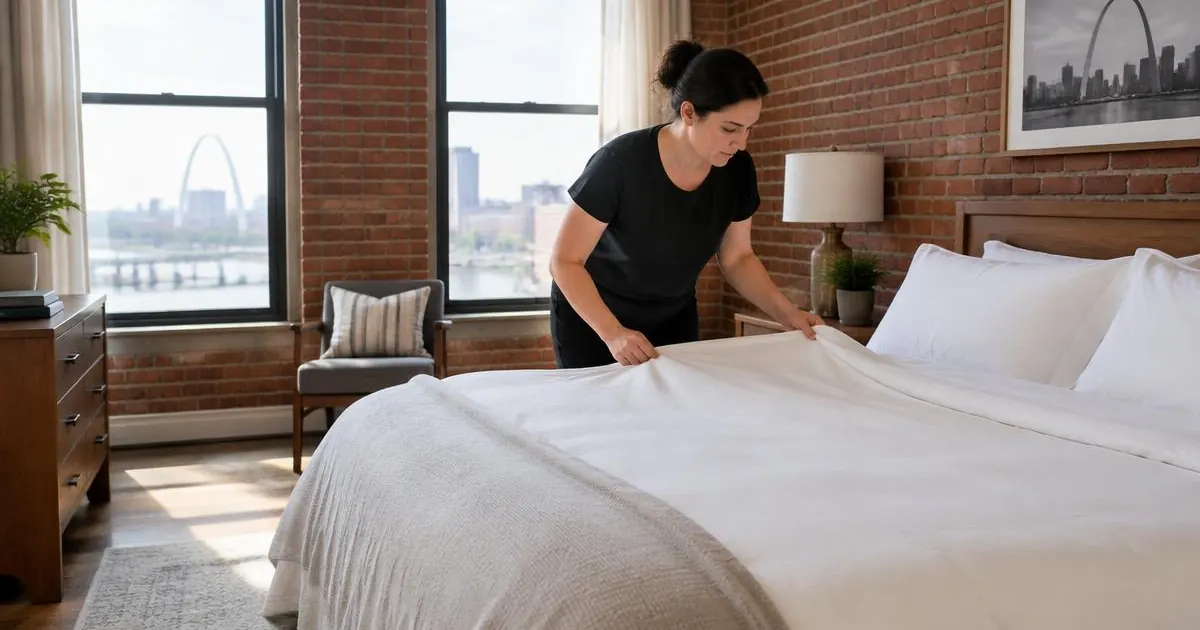
Airbnb/Vacation Rental
Vacation Rental Cleaning St. Louis: Checkout-to-Check-in Priorities
A useful turnover plan separates cleaning from host decisions. Define access, laundry capacity, supply responsibilities and unresolved issues before the next guest arrives.
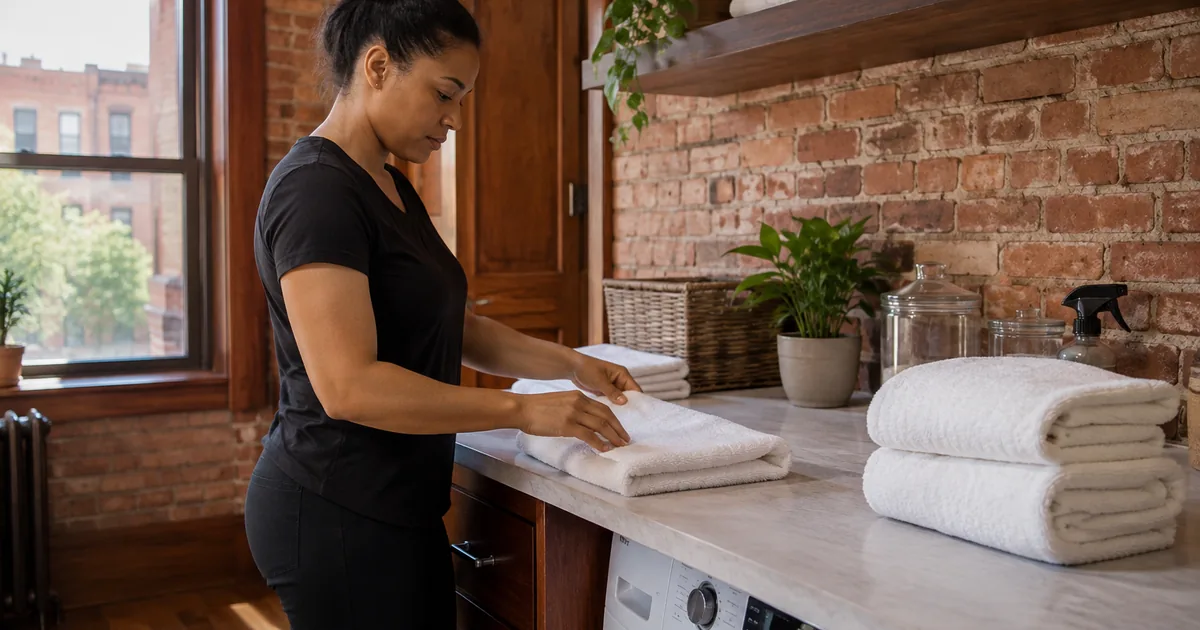
vacation rental cleaning St. Louis: Checkout-to-Check-in Priorities
For hosts planning vacation rental cleaning St. Louis, the hardest part is often the gap between a departing guest and an incoming reservation. A clean bathroom does not solve a missing entry code, damp bedding or an unreported broken latch. The handoff needs to connect cleaning work with decisions that only the host can authorize.
Start by separating three responsibilities: what the cleaning team is scheduled to do, what the host must supply or approve, and what must be verified before guest entry. Prime Cleaning MO LLC can discuss the requested turnover scope, but laundry, restocking, linen inventory, reports and damage photos should each be confirmed rather than assumed.
Build the plan around the actual checkout and check-in windows, not a guaranteed turnaround. If departure runs late or the property needs unexpected attention, the host needs a decision path for access, guest communication and revised priorities. Cleaning status and permission to release the property are separate decisions.
Gather the property facts before setting the schedule
A useful Airbnb intake asks for bedrooms, bathrooms, square footage, approximate bookings and whether laundry is needed. Add the number and sizes of beds actually used, including sofa beds. A two-bedroom rental with several sleeping surfaces can create a different linen workload from another property with the same room count.
Provide the scheduled departure and arrival windows, building entry requirements, parking instructions and any restrictions on supply deliveries or machine use. Identify who can approve extra work and who will respond if access fails. Share these details through an agreed communication method rather than leaving critical instructions scattered across messages.
Ask specific scope questions: Are dishes expected to be washed? Does the refrigerator need an agreed turnover check? Are patio areas part of the request? Who replaces consumables? Tell the team about delicate finishes and existing maintenance issues. These answers support scheduling discussions without assuming every booking or property condition will fit the same window.
Explore our airbnb/vacation rental service and cleaning in St. Louis, MO for property-specific information.
Confirm lawful access before anyone starts work
The host must confirm lawful access and ensure the cleaning visit is authorized. Supply current entry instructions and explain whether a building desk, gate or separate unit lock affects entry. Confirm the permitted work window and the person to contact if a guest is still present.
Do not treat a reservation’s checkout time as proof that the property is vacant. Agree on how departure will be confirmed and what happens when occupancy is unclear. The cleaning team should not be expected to resolve a dispute with a guest or decide whether belongings have been abandoned.
Use a stop-and-contact rule for uncertain access
If luggage remains inside or someone is still occupying the unit, pause and contact the host. Do not move, pack, discard or otherwise handle guest belongings without permission. For a forgotten item discovered during authorized cleaning, agree on an approved procedure that protects privacy and records the host’s instructions. Keep access credentials out of routine condition photos.
Prioritize the turnover by what blocks guest readiness
Organize the visit around dependencies rather than a room-by-room list alone. If laundry is included, determine whether it must start early. Check for conditions that could prevent safe use, such as a leaking appliance, before spending the available window on presentation details. Cleaning cannot substitute for repairs or a host’s safety decision.
Confirm the cleaning scope for bathrooms, kitchen surfaces, sleeping areas, floors and waste removal. Bedding changes, dish handling and checks for food left behind also need clear agreement. The aim is to avoid discovering near departure that an essential task was outside the booked scope.
Separate essential readiness from optional presentation
For example, if delayed checkout reduces the available window, a host may defer decorative pillow styling while keeping agreed bathroom cleaning and clean bedding as priorities. That does not authorize quietly skipping booked tasks. Communicate constraints, identify unfinished work and let the host decide whether check-in arrangements must change. Never describe a partially completed turnover as fully ready.
Make laundry capacity part of the booking decision
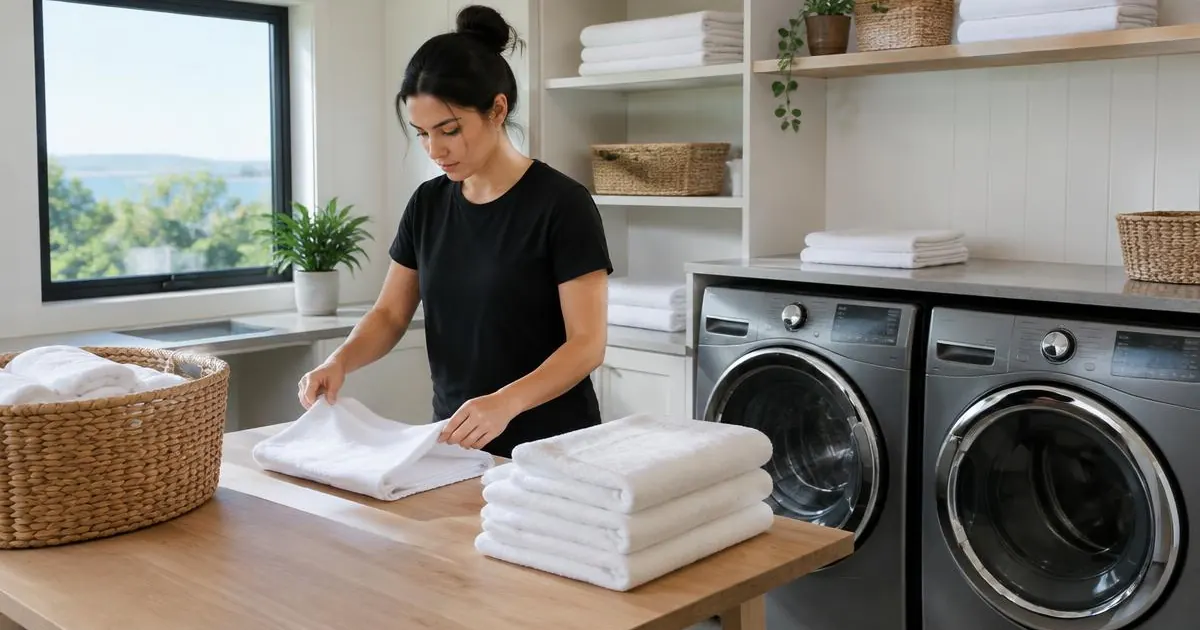
Laundry can determine whether the proposed handoff is practical. Confirm whether the request covers washing, drying, folding, bed-making, transport to another laundry location or only changing beds with host-provided clean sets. Establish who supplies detergent and where clean and used textiles belong.
Ask about machine capacity, operating restrictions and how long the property’s actual loads generally take. Do not assume every towel and sheet can be processed together. Follow textile care labels, and avoid putting damp linens into storage or onto beds just to close out the visit.
Base spare linen planning on the number and sizes of beds, towel usage and actual laundry capacity rather than a fixed universal quantity. If back-to-back reservations create more laundry than the machines can handle, discuss additional clean inventory or another agreed laundry arrangement. Decide who tracks shortages and removes worn pieces from circulation; linen inventory is not automatically part of cleaning.
Assign restocking decisions and supply storage
Restocking only works when the host defines the products, storage location and refill expectations. Confirm whether the cleaning scope includes placing supplied toilet paper, soap, trash liners or other guest consumables. Purchasing replacements, tracking stock and reporting shortages are separate responsibilities to discuss.
Create a simple supply map with approved storage areas and product instructions. Keep guest supplies separate from cleaning chemicals. If a product runs out, identify who authorizes a substitute; the team should not have to guess whether a different fragrance, dispenser refill or appliance product is acceptable.
Specify manufacturer-safe care for surfaces and equipment. Never mix cleaners, avoid acids on stone, and disinfect only when appropriate using the product’s full label contact time. A hurried handoff is not a reason to shorten directions. For example, a stone vanity needs a suitable product, not whichever bathroom cleaner is closest. Report damaged finishes rather than attempting an unapproved corrective treatment.
Agree on the report that supports the host’s decision
A useful handoff report tells the host what was completed, what remains unresolved and what needs authorization. Confirm whether reporting is requested, its format and the recipient. Do the same for damage photos; do not assume photography or a detailed condition inspection is automatically included.
Photos should document the relevant issue without exposing access codes, guest documents or unnecessary personal information. Describe observations neutrally: a cracked chair leg is an observed condition, not proof of who caused it. The host handles guest communication, maintenance arrangements and any platform claim.
Set an escalation order for access problems, missing linens, appliance trouble and concerning conditions. Suspected pests, mold, bodily fluids or other potentially hazardous contamination require separate assessment; do not expect routine turnover treatment. Agree on when work should pause. The closing message should distinguish cleaning completion from unresolved maintenance, laundry or supply issues so the host can make an informed release decision.
Keep turnover work separate from periodic deeper cleaning
Turnovers address the agreed reset between reservations. Periodic deep cleaning addresses accumulated buildup and less frequently reached areas through a separately planned scope. It is not automatically required before Airbnb turnover service, and adding deeper work to a tight reservation gap may make the schedule impractical.
For deep cleaning, appliance interiors and inside cabinets are optional add-ons. Do not assume a turnover includes those tasks. Move-In/Move-Out is a different service that includes inside and outside cabinets and appliances. If requesting standard or recurring residential service instead, it begins only after an initial deep clean, which is included in the first standard/recurring quote.
Review recurring handoff problems before requesting the next visit. Repeated wet-linen delays suggest a laundry-capacity issue; repeated shortages suggest unclear inventory ownership. Schedule separately agreed deeper work in a suitable vacancy window. Detailing beyond deep cleaning may take more than one day, so confirm scope and scheduling before accepting reservations around that work.