Deep Cleaning
Deep Cleaning Checklist for St. Louis Homes
A room-by-room plan for cleaning overlooked buildup, protecting finishes, and deciding when cabinet and appliance interiors belong in your deep clean.
Your deep cleaning checklist for St. Louis homes: where to start
Start with the kitchen and bathrooms, then work through bedrooms, living spaces, and entryways, cleaning each room from high surfaces down to floors. This deep cleaning checklist for St. Louis homes targets buildup that routine upkeep can miss: greasy cabinet fronts, shower residue, dusty trim, reachable vents, and floor edges. Decide before starting whether cabinet and appliance interiors belong in your reset.
First, walk through your home and note three things in each room: visible buildup, delicate finishes, and anything blocking access. Clear counters, put away loose belongings, and remove washable textiles according to their care labels. Keep one place for items that need sorting later rather than moving clutter from room to room.
If you are booking Prime Cleaning MO LLC in the St. Louis metro, your standard or recurring-service quote includes the required initial deep clean. Standard or recurring cleaning follows that initial service; it is not offered as a one-time service or to first-time clients.
Prepare supplies and protect the surfaces you have
Gather microfiber cloths, a vacuum with suitable attachments, a mop, a soft brush, gloves appropriate to the product, and cleaners matched to your surfaces. Separate bathroom cloths from kitchen cloths. Check labels before opening products, and ventilate as directed. Never mix cleaners, including bleach with ammonia or acidic products.
Test an unfamiliar cleaner on a small, inconspicuous area. Read the surface manufacturer's care instructions where available. Avoid acids on marble, including vinegar and acidic bathroom descalers. Use minimal moisture on wood, and never assume that one spray is suitable for stone, painted cabinetry, stainless steel, and screens.
Cleaning and disinfection are different tasks. CDC guidance calls for cleaning before disinfection and using disinfection when appropriate. If you use an EPA-registered disinfectant, keep the surface visibly wet for the full contact time on that product's label. There is no universal number of minutes, and the product must also be compatible with the surface.
Explore our deep cleaning service and cleaning in St. Louis, MO for property-specific information.
Kitchen: remove grease without expanding the job by accident
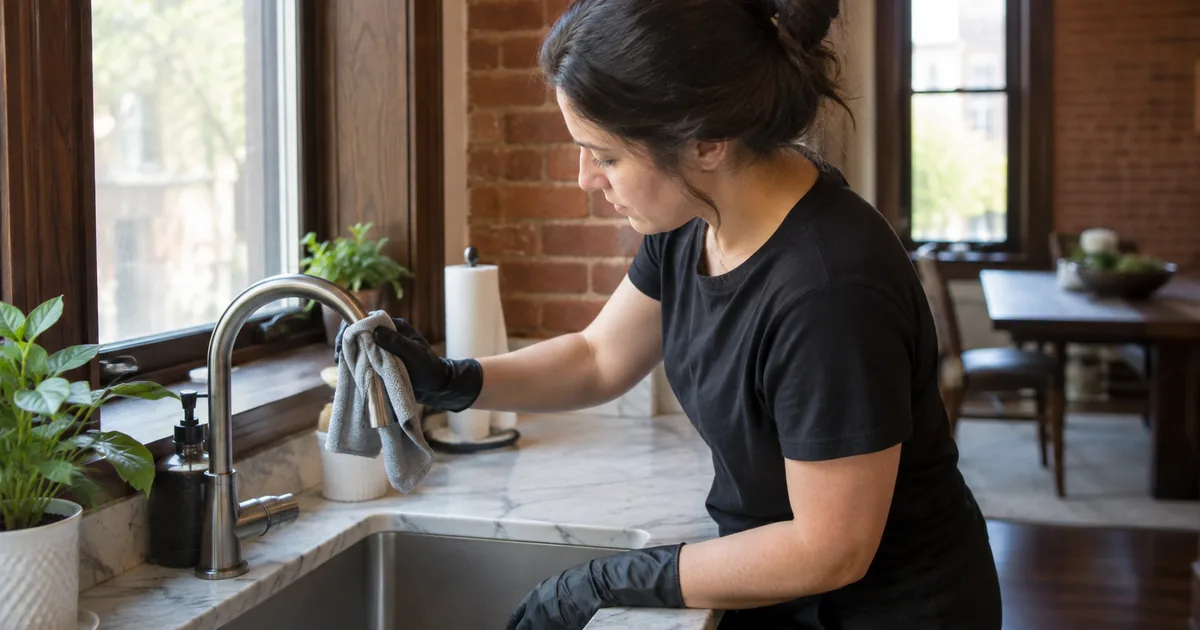
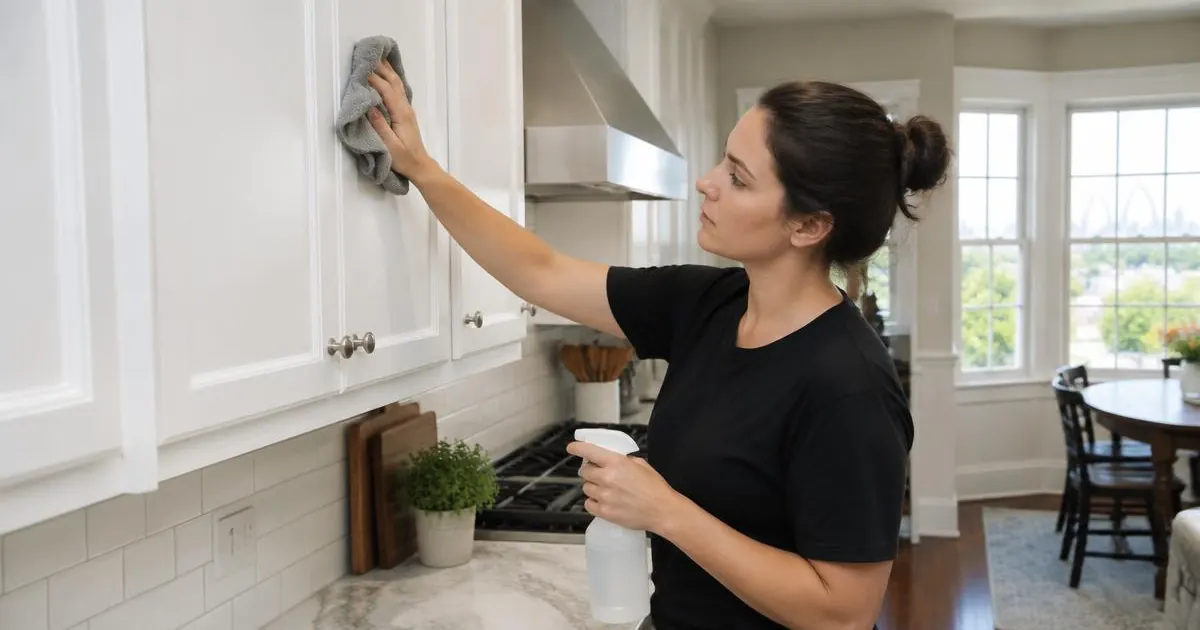
Clear the sink and counters before tackling grease. Dust reachable upper surfaces, then clean cabinet fronts, handles, the backsplash, counters, and appliance exteriors with finish-appropriate products. Work in small areas so residue does not dry before you remove it. Finish the sink after the surrounding surfaces, then vacuum and mop the floor, including accessible edges.
For a greasy range hood, check the manufacturer's directions for the exterior and removable filters. Do not spray into controls, vents, or electrical openings. Leave heavy appliances in place unless moving them has been safely arranged; reaching behind a refrigerator is not worth damaging a water line or flooring.
Choose cabinet interiors based on what you will actually empty
Inside cabinets are optional add-ons for a deep clean with Prime Cleaning MO LLC. Choose specific cabinets or request the full interior scope, then confirm who will empty and reload them. For example, sticky pantry shelves may deserve attention now, while clean dish cabinets can wait. Flag lifting shelf liners, swollen shelving, or loose hardware before wiping.
Plan appliance interiors separately
Oven and refrigerator interiors are also optional deep-clean add-ons. Identify the appliances you want included, explain the buildup, and arrange food removal or other preparation in advance. Follow appliance instructions rather than applying oven cleaner to every oven type. By contrast, move-in/out cleaning includes inside and outside cabinets and appliances.
Bathrooms: separate soap residue from surface damage
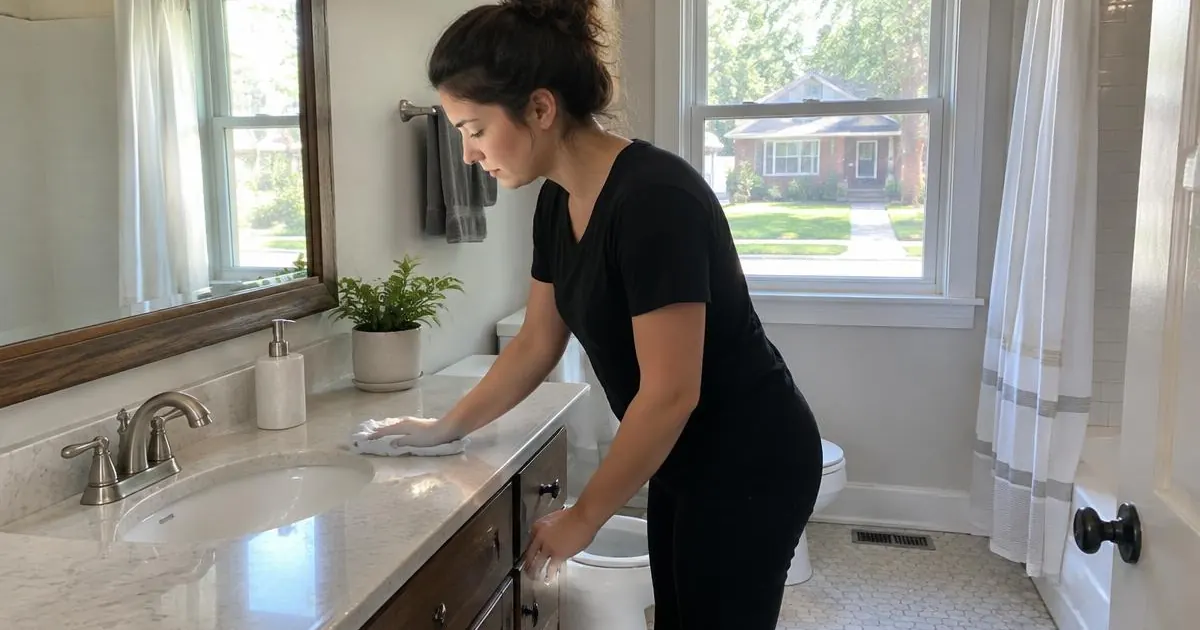
Remove toiletries and bath mats, then dust reachable vents and ledges before wet cleaning. Apply a surface-compatible product to shower walls and fixtures as directed. While it works, clean the vanity exterior, mirror, and sink. Use a separate cloth for the toilet, cleaning its handle, exterior, base, and surrounding floor as well as the bowl.
Check the material before treating pale crust around a faucet or dull patches on shower walls. Mineral deposits, soap residue, and etched stone are different problems. A cleaner that dissolves buildup on one surface may damage another. If you cannot identify the material, begin with its recommended gentle care method rather than a stronger acid.
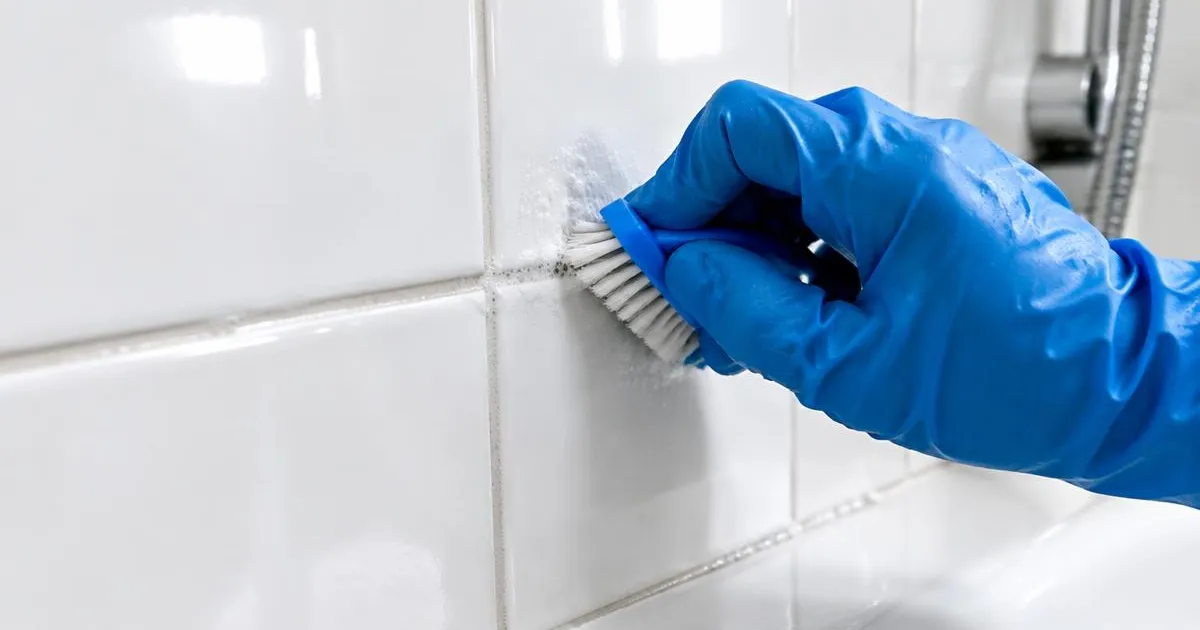
Use a soft brush on sound grout and rinse away loosened residue. Avoid aggressive scrubbing on peeling caulk or cracked grout. Note those areas for repair; cleaning cannot restore failed seals. Wash textiles according to their labels and let cleaned surfaces dry before replacing items.
Bedrooms and living rooms: follow the dust path
Start with reachable light fixtures, shelving, and trim, then move down to furniture, baseboards, and floors. Switch off fixtures and let bulbs cool before cleaning nearby. Use a stable, suitable step stool where needed, never a chair. Leave inaccessible high areas for a separately discussed plan.
Remove objects from one shelf at a time, dust the shelf and objects appropriately, and return only what belongs there. Vacuum upholstery with the correct attachment, checking care labels before any spot treatment. Clean under cushions where accessible, but leave delicate textiles or unidentified stains for material-specific advice.
In bedrooms, strip bedding first so dust is not dropped onto fresh sheets. Vacuum accessible bed edges and beneath furniture only when access is safe. Do not drag heavy dressers across the floor. For a room with crowded shelves, prioritize exposed surfaces and floor edges now, then schedule sorting separately.
Clean switches and handles without spraying liquid directly into electrical components. Apply compatible cleaner to a cloth and use controlled moisture.
Entryways, trim, and floors: finish the routes you use most
In a St. Louis home, check the routes from the front door, back porch, or garage rather than treating every floor equally. Grit around a busy doorway may need more vacuuming than a spare bedroom. Lift movable mats, clean underneath, and follow their care instructions before putting them back.
Dust baseboards and reachable door frames before cleaning floors. Spot-test painted trim and avoid saturating joints or worn finishes. Vacuum edges with an attachment, then mop using a method suitable for the flooring. Use controlled moisture on wood and laminate rather than leaving standing water.
Inspect window sills and tracks for loose grit, damaged paint, or moisture before cleaning. Avoid abrasive work on deteriorating coatings. Interior window cleaning is an add-on for deep cleaning and other services except Airbnb turnovers. Confirm which windows are included and whether access or fragile treatments need special arrangements.
Recognize when ordinary deep cleaning is not the right scope
A deep clean addresses household buildup, not every condition a home can contain. If several rooms need extensive attention to intricate trim, fixtures, and overlooked details, discuss complete house detailing rather than assuming every task fits the same visit. Detailing may take more than one day; set priorities without relying on a fixed completion time.
Renovation residue needs a separate conversation. For post-construction cleaning, provide bedroom and bathroom counts and say whether the issue is dust, debris, or both. Explain what work occurred and what the contractor has already removed.
Suspected lead, asbestos, silica, or biohazards require appropriate specialists and contractor assessment, not routine cleaning. Do not sweep or vacuum unidentified renovation dust with ordinary household equipment. Pause work in the affected area and establish what is present before choosing a cleaning method.
Turn the walkthrough into a clear cleaning request
Send a room-by-room description with your main priorities, surface concerns, and access limitations. Distinguish everyday clutter from buildup that needs cleaning. A useful request might say: kitchen grease and bathroom residue are priorities; marble vanity needs compatible care; oven interior requested; cabinet interiors excluded; interior windows requested.
Confirm optional work before the visit, along with preparation such as clearing shelves or removing refrigerator contents. Ask what furniture can be safely accessed without moving it. Afterward, compare the agreed scope with the areas addressed and discuss remaining concerns directly.
Once the initial deep clean is complete, consider recurring service for ongoing upkeep rather than repeatedly letting buildup accumulate. Prime Cleaning MO LLC can discuss residential cleaning options for your St. Louis metro home.
By Prime Cleaning MO Team.