Deep Cleaning
Deep Cleaning in St. Louis: Scope and Add-On Questions
An occupied brick townhouse needs a cleaning plan that accounts for stairs, belongings, surface finishes, and optional interior work. Use these questions to define your scope before requesting a quote.
Start your deep cleaning St. Louis scope with an inventory
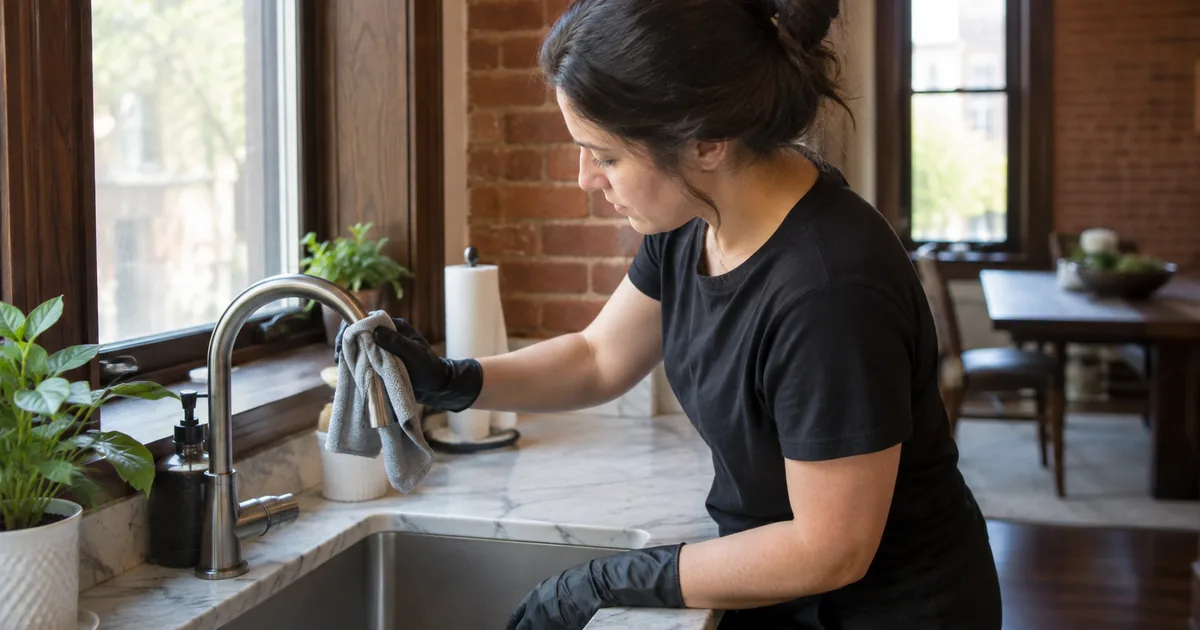
For an occupied brick townhouse, a deep cleaning St. Louis request should start with what needs attention, not just a bedroom count. Narrow stairs, furnished rooms, tall trim, and everyday belongings can make two similarly sized homes very different cleaning projects. Prime Cleaning MO LLC can use a clear inventory to discuss the requested work without treating every visible surface as automatically included.
Walk through each level and record the rooms, flooring, bathrooms, stairs, and main buildup concerns. Include a finished basement or attic only if you want it considered. Separate ordinary household soil from problems needing inspection or another trade, such as loose plaster, active leaks, or deteriorating masonry.
Then identify your three highest priorities. For example, a kitchen with greasy exterior surfaces, bathroom mineral deposits, and dusty stair trim creates a more useful starting point than “clean everything.” Ask which tasks fit the proposed deep-clean scope and which require separate approval.
Account for occupied rooms, stairs, and safe access
An occupied townhouse is not an empty shell. Furniture, work equipment, pet supplies, and storage can limit access even when a room looks tidy. Describe the number of levels, where cleaning supplies can enter, and whether stairs or hallways have tight turns. Share entry instructions and identify any doors that must remain closed.
Clarify what you will move before the visit. Clearing counters allows more surface access; moving fragile collections requires a separate conversation. Do not assume cleaners will shift heavy furniture, disconnect electronics, or reorganize personal belongings. If a desk must remain undisturbed, designate it as an exclusion rather than leaving that decision to the crew.
Plan around household activity, too. Ask whether a home office needs to stay usable, where pets will be secured, and whether anyone needs uninterrupted access to a bathroom. These details help establish a practical room sequence while keeping the agreed cleaning scope intact.
Explore our deep cleaning service and cleaning in St. Louis, MO for property-specific information.
Separate kitchen detail work from optional interiors
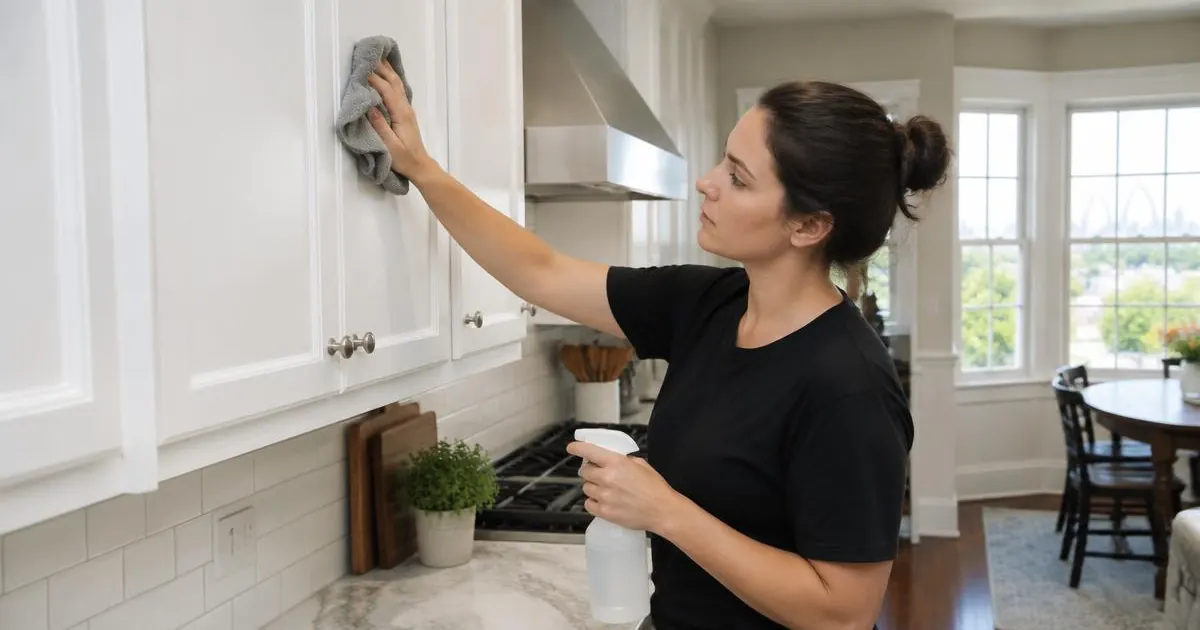
In a lived-in kitchen, distinguish accessible exterior surfaces from enclosed storage and appliance compartments. Note grease near cooking areas, crumbs at cabinet edges, backsplash residue, and the flooring beneath movable items. Ask how each concern is handled rather than assuming that a deep clean includes every interior space.
Appliance interiors need explicit approval
For deep cleaning, appliance interiors are optional add-ons. Identify each requested appliance and describe its condition. An oven with baked-on residue presents different questions from a refrigerator that mainly needs shelves cleaned. Ask whether food must be removed, whether removable components can be washed, and what access or preparation is needed. Do not assume an appliance will be pulled away from the wall.
Cabinet interiors are a separate scope choice
Inside cabinets are also optional add-ons for deep cleaning. Specify the pantry, drawers, or cabinet banks you want included, and ask whether they must be emptied beforehand. If you only need accessible cabinet exteriors addressed, say so. For occupied storage, decide who removes and replaces dishes, food, and shelf liners before confirming the work.
Describe bathroom buildup and protect sensitive finishes
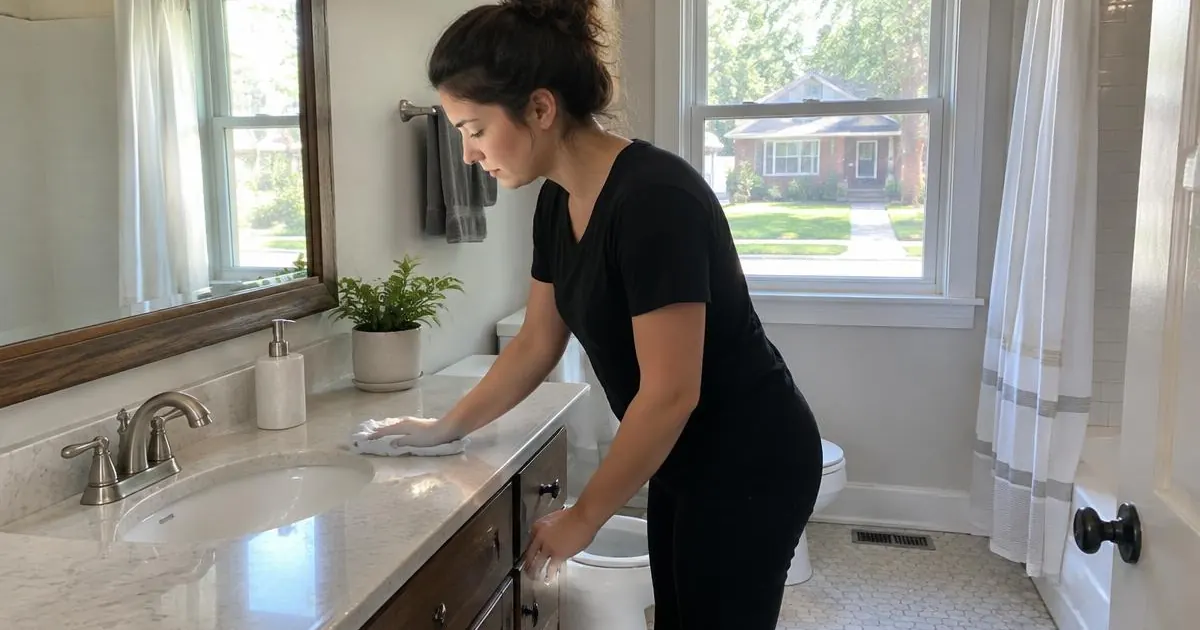
List each bathroom separately, including half baths. Record the fixtures and finishes: porcelain, glass, chrome, natural stone, painted cabinetry, or other materials. Describe what you see without diagnosing it. “White deposits along the shower glass” is more useful than assuming every mark can be removed through stronger chemicals.
Manufacturer-safe surface care should guide product and tool choices. Avoid acids on stone, never mix cleaners, and flag any care instructions for specialty finishes. If a material is unknown, ask how it will be assessed before treatment. Existing etching, scratches, failing sealant, and worn finishes may remain after cleaning; cleaning is not restoration.
Discuss disinfection only where appropriate. It requires a suitable labeled product and the full label contact time, not merely a quick wipe. If you notice persistent dampness or suspected mold, disclose it before booking rather than treating the concern as routine bathroom buildup. Mold removal should not be assumed.
Map trim, floors, windows, and exposed brick carefully
Townhouse detail work often extends beyond open floors. Inventory baseboards, stair rails, door frames, accessible ledges, and trim that collects dust. Note which areas are blocked by furniture and which are above ordinary reach. Ask about access limits instead of assuming high stairwell surfaces can be safely reached.
For floors, identify the material room by room and flag loose boards, damaged grout, or finish wear. Request manufacturer-safe methods appropriate to each surface. On exposed interior brick, disclose powdering mortar or loose material before requesting cleaning. Aggressive scrubbing or excess moisture may be unsuitable, and masonry repair is outside a household cleaning plan.
Interior windows are optional for deep cleaning. Specify the panes you want considered and ask separately about sills, tracks, screens, and access; those are not interchangeable tasks. Interior windows are optional across services except Airbnb turnovers. Do not apply the same window add-on assumption to an Airbnb turnover booking.
Choose priorities when detailing exceeds a deep clean
A scope inventory should distinguish normal deep-clean work from unusually intensive detailing. Describe dense grease, extensive residue, crowded display shelves, or repeated small crevices that need individual attention. Photos can support the discussion, but include written notes about texture, access, and anything the image does not show.
Detailing beyond a deep clean may take more than one day. Rather than seeking an unsupported completion promise, ask how unusually demanding areas will be evaluated and how additional work would be authorized. Agree on whether the priority is addressing selected rooms first or completing approved tasks throughout the home.
For example, you might prioritize kitchen exterior buildup, both bathrooms, and the main staircase while leaving cabinet interiors for another request. Alternatively, an emptied pantry may matter more than guest-room trim. Record those choices so that an optional task does not quietly displace a higher-priority item.
Match the service category to the property's use
Choose the service based on occupancy and purpose, not only the amount of dirt. An occupied townhouse deep clean differs from a move-related service. Move-In/Move-Out cleaning includes inside and outside cabinets and appliances; for deep cleaning, those interiors remain optional add-ons.
Recurring cleaning begins with an initial deep clean
Standard/recurring cleaning is available only after an initial deep clean, not as a one-time or first-time service. The first standard/recurring quote includes that deep clean. Share your ongoing priorities, but distinguish the initial scope from subsequent maintenance visits.
Business use requires a different pricing process
If the property is used commercially, disclose that before seeking a residential quote. Commercial/industrial cleaning and commercial post-construction cleaning require a free in-person walkthrough before pricing. Provide the business name, approximate square footage, restroom count, preferred date/time window, and onsite contact. Describe construction residue or unusual materials without assuming hazardous work can be accepted; hazardous work is never promised.
Send a scope request that supports a clear quote
Bring your notes into one message for Prime Cleaning MO LLC. Include the St. Louis property address, occupied status, levels, rooms, bathrooms, surface types, and access limitations. State your highest priorities, list requested add-ons separately, and identify rooms or belongings that should remain untouched. Mention the preferred scheduling window without assuming availability.
A useful request might read: “Occupied brick townhouse with two levels and a finished basement. Please assess kitchen exterior grease, two bathrooms, and stair trim. Quote the oven interior separately. Cabinet interiors are not requested. Please discuss interior windows and confirm access expectations.” Add any known finish concerns or household restrictions.
Before approving, ask for confirmation of included tasks, exclusions, preparation responsibilities, and how scope changes are handled. Keep that record available for the visit. A specific agreement is more useful than a supposedly universal checklist, especially when daily living and cleaning must share the same space.