Deep Cleaning
How Often Should You Deep Clean Your Home?
There is no single deep-cleaning interval that fits every household. Use visible buildup, daily activity, and the condition of hard-to-reach areas to plan detail work before it becomes an overwhelming project.
Choose a starting point instead of a rigid rule
How often should you deep clean your home? The useful answer depends on how the home is used and what ordinary upkeep leaves behind. A busy household with pets, frequent cooking, and several bathrooms may need detail work more often than a lightly used apartment. Instead of treating a calendar interval as a universal requirement, assess visible buildup and the time needed to restore areas that routine cleaning does not fully address.
Deep cleaning generally means a more detailed scope than ongoing maintenance, but the exact tasks still need to be agreed. It might focus on accessible baseboards, accumulated bathroom residue, kitchen buildup, and overlooked surfaces. It does not automatically include every appliance interior, interior window, heavy furniture move, or specialist treatment. Start with a written room list so the phrase deep clean means the same thing to you and the provider.
If you cannot remember the last detailed clean, use the current condition as your baseline. Walk through each room, identify where ordinary upkeep is no longer keeping pace, and prioritize the areas with the clearest need. The Deep Cleaning page is a practical starting point for that conversation. A realistic plan is better than either waiting for the whole house to feel unmanageable or ordering extra work that your home does not yet need.
Distinguish daily upkeep from periodic detail work
Daily and weekly habits help control the soil that would otherwise make a later deep clean more demanding. Wiping spills, washing dishes, removing routine waste, and cleaning frequently used floors are examples of ongoing upkeep. Deep cleaning addresses the less frequent or more time-consuming tasks left outside that routine. The two approaches support each other rather than competing as alternatives.
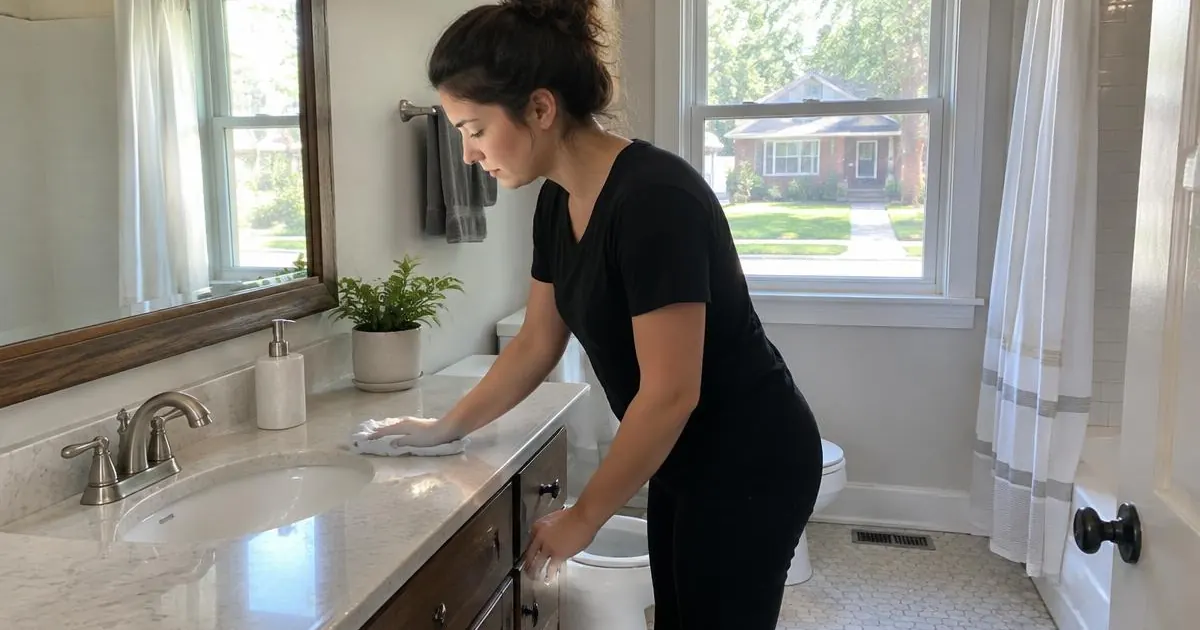
Consider a kitchen counter and the edges around its appliances. The open counter may be wiped regularly while grease and crumbs accumulate along accessible seams or nearby cabinet handles. In a bathroom, a quick wipe of the sink may leave soap residue around fixtures and along shower edges. These differences explain why a house can look generally tidy and still benefit from focused detail work.
Keep tidying separate as well. Sorting paperwork, putting away clothes, and organizing storage can improve access, but they do not remove surface soil on their own. If the home is cluttered, make a preparation plan before booking. A cleaner should not have to guess which items can be moved or discarded. Clearing approved surfaces lets the agreed cleaning time go toward the actual buildup instead of decisions about personal belongings.
Explore our deep cleaning service and cleaning in St. Louis, MO for property-specific information.
Use household activity to set your review interval
Start by reviewing the home at a repeatable interval rather than committing immediately to a fixed deep-cleaning frequency. A monthly room-by-room check can show whether kitchen grease, bathroom residue, and dust on overlooked surfaces are returning quickly. If conditions remain manageable with ordinary upkeep, the next detailed service may be farther away. If buildup persists despite regular attention, adjust the task list or frequency.
Household size matters, but patterns of use matter more than a head count alone. Someone who works from home and cooks most meals creates different demands from someone who travels frequently. Pets can add hair and tracked debris, and guest visits can temporarily increase bathroom and kitchen use. Describe those patterns without assuming that every pet-owning home needs exactly the same schedule.
Changes are useful signals. A new baby, a roommate, a long recovery period, a renovation, or a stretch of travel can alter what you can maintain. You do not need to preserve an old schedule simply because it once worked. Ask which rooms are falling behind and whether a targeted service or a broader deep clean makes more sense. Review the result afterward so the next decision reflects experience in your own home.
Let kitchen and bathroom conditions guide priorities
Kitchens and bathrooms often provide the clearest clues that detail work is due. Look for grease on accessible cabinet fronts, residue around faucet bases, soil along floor edges, and buildup on frequently used fixtures. These signs are more helpful than judging the whole house by whether a sofa blanket is folded. Address spills and obvious soil promptly rather than postponing every task until a scheduled service.
In the kitchen, inspect the areas around cooking and food preparation without pulling out connected appliances or dismantling anything. Check what ordinary wiping is missing and ask whether appliance interiors require a separate task. Oven buildup, refrigerator spills, and heavy deposits may need additional time and suitable methods. The right cleaning product depends on the finish and manufacturer guidance, not simply on how stubborn a mark looks.
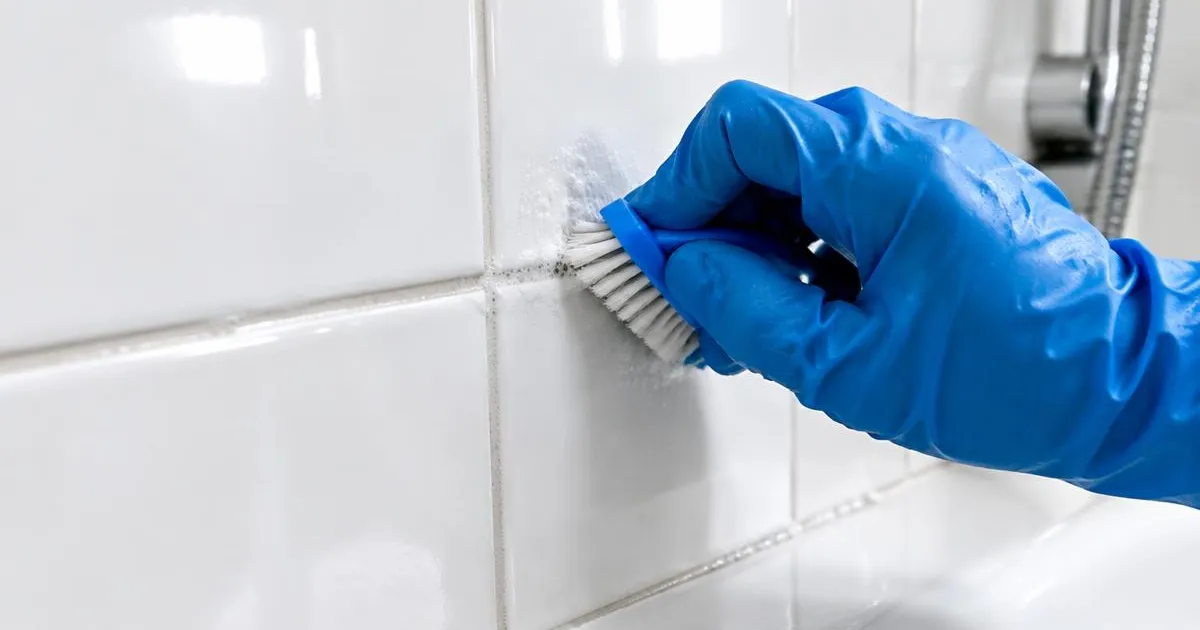
In bathrooms, distinguish removable residue from maintenance issues. A leak, a failing seal, or a damaged finish may need repair rather than more aggressive scrubbing. Report those concerns and avoid mixing chemicals or escalating to abrasive tools without understanding the surface. A deep clean can improve the agreed surfaces, but it cannot promise to reverse wear or solve a plumbing problem. Prioritizing accurately prevents repeated spending on a task that is really a repair.
Watch dust, textiles, and hard-to-reach areas
Dust on accessible ledges, trim, and furniture edges can reveal what the regular routine misses. Check a few representative locations instead of inspecting only the middle of the floor. Dust accumulation varies with open windows, entry traffic, furnishing choices, and nearby work. Seasonal pollen and tracked debris can also change what you notice in a St. Louis home, without proving that every room needs the same intervention.
Textiles need their own care plan. Washable bedding, removable covers, rugs, and upholstered items have different instructions and may not be included in a general deep clean. Follow care labels and arrange specialist cleaning where appropriate. Vacuuming accessible surfaces is not the same as washing every textile, and a house-cleaning appointment should not be described as a treatment for a medical condition or a guarantee of improved air quality.
Discuss access honestly. High ledges, crowded shelves, heavy furniture, and fragile displays may limit what can safely be reached. A clear scope should identify accessible work and excluded areas rather than implying the entire home will be dismantled. If you want attention behind a large item, agree in advance who can move it and whether that is safe. Do not make an unsafe reach or heavy lift the hidden condition of a complete-looking checklist.
Use seasons and life events as planning reminders
A seasonal reminder can be useful because it prompts a review, not because the calendar creates a cleaning rule. In spring, you may notice tracked debris or buildup in rooms that stayed closed during colder weather. Before hosting, you might prioritize guest bathrooms and shared spaces. After a long period away, inspect the actual condition before deciding whether the entire home needs detailed work.
Move-ins, move-outs, and renovations can call for services that differ from a normal deep clean. An empty home may allow access to areas hidden by furniture, while a renovation may introduce dust requiring a post-construction scope. Tell the provider what happened rather than requesting a standard visit and hoping the team can absorb the extra work. Unknown construction dust or suspected hazards need appropriate assessment, not an assumption that every powder is ordinary household soil.
Plan ahead of events so the appointment is not competing with unpacking, decorating, or contractor visits. Give yourself time to clear surfaces and resolve access issues. If the goal is maintaining a comfortable everyday home, you do not need to clean everything for an upcoming photograph or guest visit. Use the event as a checkpoint, identify what genuinely needs attention, and choose the service that matches those conditions.
Build maintenance around an initial deep clean
Prime Cleaning MO LLC requires an initial deep clean before standard or recurring service begins. That starting visit establishes the agreed condition so later maintenance can focus on keeping up rather than silently working through old buildup. Standard or recurring cleaning is not a first-time shortcut around the initial deep clean. Discuss starting conditions honestly when asking about ongoing service.
The Recurring Cleaning page helps frame the next step after that baseline. Frequency should reflect use, the tasks you handle between visits, and the areas you want maintained. A recurring schedule does not mean every detail task is repeated every time. Ask which tasks belong in ordinary maintenance and how periodic extras will be reviewed. The more clearly those boundaries are written, the easier it is to notice when the plan needs to change.
Interior window cleaning is an optional add-on for residential deep cleaning and ongoing home service. Use the Add-On Services page to discuss that and other optional work rather than assuming the word deep includes every possible task. Confirm appliance interiors and other special requests individually. A well-scoped plan can combine initial detail work, sensible maintenance, and occasional extras without turning each visit into an undefined whole-house project.
Create a simple home-specific cleaning plan
Write down the rooms that need attention now, the visible issues in each, and the tasks you can comfortably maintain yourself. Separate immediate cleaning needs from repairs, organization projects, and optional work. Then choose a review date to see how quickly the same issues return. Your own observations are a better foundation for frequency than a universal claim that everyone needs a deep clean a certain number of times each year.
When requesting service, share the home’s size, bathroom count, pets, occupancy, and current condition. Mention long gaps in cleaning, difficult access, and specific priorities such as a heavily used kitchen or neglected guest bathroom. Clear information helps the provider suggest a realistic scope. Ask what preparation is needed and which tasks are not included so you can decide whether to add them or handle them separately.
Confirm the next step
Call Prime Cleaning MO LLC at (314) 274-6907 to discuss the Deep Cleaning service, the Recurring Cleaning plan that may follow, and optional work listed on Add-On Services. The aim is not to keep a perfect home on an arbitrary calendar. It is to address buildup before it becomes harder to manage, protect surfaces with appropriate methods, and set an upkeep routine that fits the people who actually live there.