Deep Cleaning
Deep Cleaning in Ballwin: Scope and Add-On Questions
Choose deep-clean add-ons by what you need cleaned, not by room names alone. Learn when interior work fits a deep clean and when move-clean scope makes more sense.
Planning deep cleaning Ballwin households can define clearly
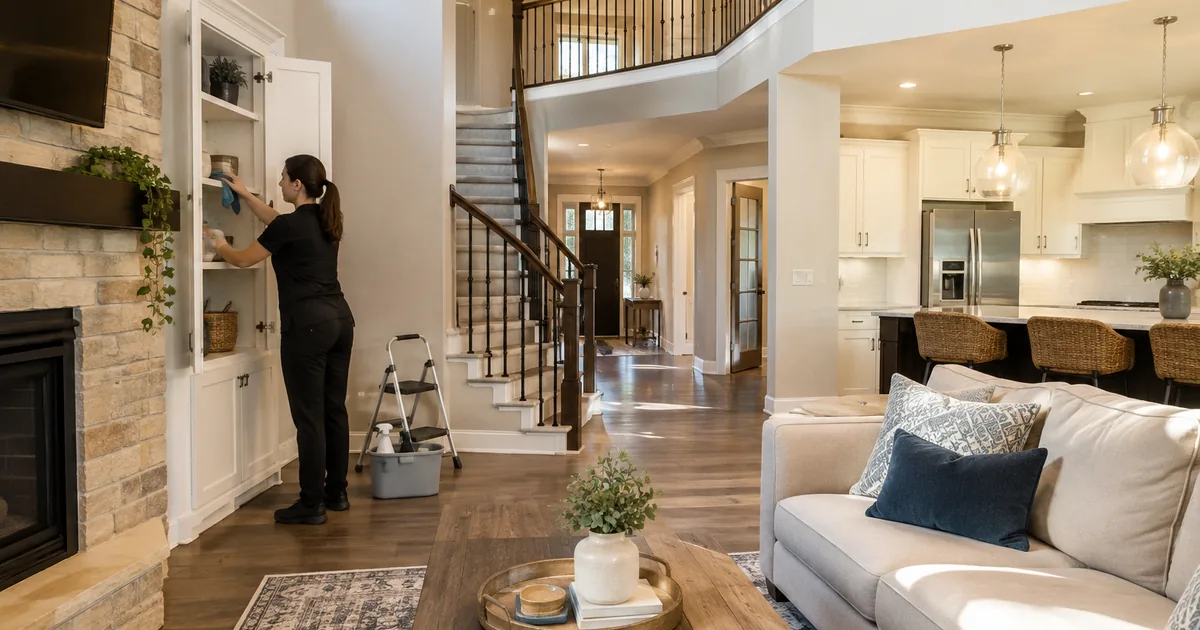
A search for deep cleaning Ballwin should lead to a clear scope, not assumptions about every surface behind every door. With Prime Cleaning MO LLC, appliance interiors and inside cabinets are optional deep-clean add-ons. Move-In/Move-Out cleaning includes inside and outside cabinets and appliances. That distinction matters when deciding whether you need detailed cleaning in an occupied home or cleaning connected to a move.
Start with the reason for the visit. Are you addressing accumulated kitchen grease, preparing bathrooms for guests, or leaving a home after furniture is removed? Then identify the areas that matter most and anything that requires clarification. A useful request describes the property's condition, occupancy, priorities, and access—not simply a request to clean everything.
The goal is an agreed scope with visible boundaries. You should understand which tasks belong to the selected service, which are optional, and which require further assessment before anyone assumes they can be completed.
Separate deep cleaning from moving-related cleaning
An occupied-home deep clean and a move clean can involve similar rooms but different access and expectations. In a lived-in kitchen, cabinets may contain dishes and the refrigerator may be full. In a vacant kitchen, those interiors may be ready for cleaning. Choose the service based on your situation rather than adding interior tasks automatically.
If you are staying in your home and want the oven interior addressed along with a deep clean, ask for that optional add-on. If you are moving out and need cabinet and appliance interiors and exteriors cleaned, discuss Move-In/Move-Out service. Those areas are already part of its scope and should not be duplicated as separate deep-clean extras.
Tell Prime Cleaning MO LLC whether the property will be empty, partly packed, or occupied. Ask what preparation is needed for included interiors and whether belongings or inaccessible areas will affect the work. An included task still needs appropriate access; service selection does not remove that practical requirement.
Explore our deep cleaning service and cleaning in Ballwin, MO for property-specific information.
Choose interior add-ons by the problem they solve
Make an interior-cleaning list before requesting a quote. Name each appliance or cabinet area, describe its condition, and explain the outcome you want. This keeps a focused deep clean from expanding into an undefined project.
Appliance interiors: name each appliance
Instead of asking for kitchen appliance cleaning, specify whether you mean the oven cavity, refrigerator shelves, or another interior. Ask what components can be safely accessed and whether any preparation is required. Do not assume the team will move heavy appliances, disconnect utilities, or dismantle parts.
For example, crumbs inside a refrigerator and grease inside an oven are separate needs. Requesting both explicitly allows the scope to address each without treating every appliance as an automatic interior add-on.
Inside cabinets: define the boundaries
Identify whether you need all kitchen cabinet interiors or only selected cupboards. Mention drawers separately and ask whether they are included in the requested interior work. Describe shelf liners, stored items, or sticky residue that may affect access.
If you only need one emptied pantry cupboard cleaned, say so. If you are moving and need cabinet interiors and exteriors throughout, revisit Move-In/Move-Out service rather than building that scope through overlapping deep-clean add-ons.
Ask about windows and less obvious boundaries
Interior windows are optional for deep cleaning and the other services except Airbnb turnovers. For a deep-clean request, identify the windows you want addressed and ask exactly what the window option covers. Glass, sills, frames, and tracks are different surfaces; the phrase interior windows should not substitute for a specific agreement about them.
Describe access concerns before scheduling. Mention furniture blocking a window, fragile blinds, or areas beyond ordinary reach. Ask whether screens or other components fall within the proposed scope rather than assuming they do. Access and material condition may limit what can safely be cleaned.
Apply the same approach elsewhere. Ask whether your requested work concerns exposed surfaces, reachable edges, or areas behind furniture. A room name is not a complete checklist. Clear boundaries are especially helpful when balancing visible cleaning priorities against optional interiors that may matter more to you but are less noticeable during a walkthrough.
Prepare the home without creating extra work
Once the scope is agreed, ask what needs to be emptied and who is responsible for doing it. For cabinet-interior add-ons, confirm whether shelves and drawers must be clear before arrival. For refrigerator work, discuss how food will be handled and where it can remain safely stored. Do not leave those decisions until cleaning begins.
Separate belongings from cleaning tasks. Put away personal paperwork, medicines, loose utensils, and fragile items where practical. If an area cannot be cleared, explain that beforehand so the scope reflects accessible surfaces. Avoid moving heavy furniture or appliances simply to prepare; ask about access first.
Share practical entry details, pet arrangements, and any rooms that should remain closed. Provide photographs when useful, but pair them with written descriptions of the requested work. A photograph can show a crowded shelf; it cannot establish permission to handle its contents or explain whether interior cleaning is actually wanted.
Match cleaning methods to materials and conditions
Good scope planning includes material information. Tell the team about natural stone, delicate finishes, coated appliance panels, damaged seals, and any manufacturer care instructions you have. Manufacturer-safe surface care should guide product and method selection. Cleaning should not be presented as restoration, and existing damage may remain visible after soil is removed.
Never mix cleaners, and avoid acids on stone. If you have already applied a product to a problem area, disclose what it was and where it was used. That information matters before another cleaner is introduced. Do not ask for stronger chemicals as a shortcut around identifying the surface or residue.
Disinfect only when appropriate, using a suitable product and its full label contact time. Cleaning and disinfecting serve different purposes, so discuss the actual need rather than requesting disinfection everywhere. Suspected mold, unknown residues, or potentially hazardous materials need separate assessment; ordinary cleaning scope should not imply mold removal or hazardous-waste handling.
Build a quote around priorities and future service
Before accepting a quote, review the selected service, optional interiors, interior windows if requested, and any access limitations. Ask how newly discovered conditions or additional requests will be discussed before the scope changes. Prioritize the work: for example, bathroom buildup and the oven interior may matter more than optional window cleaning.
Standard/recurring service is available only after an initial deep clean; it is not a one-time or first-time cleaning option. The first standard/recurring quote includes that initial deep clean. If ongoing service is your goal, ask for the initial scope and subsequent recurring scope to be distinguished clearly, including how any optional add-ons are treated.
Avoid assuming every detailing request fits a single visit. Detailing beyond deep cleaning may take more than one day. Explain unusually heavy buildup or intricate detail requests in advance, and ask whether they exceed deep-clean scope. An honest assessment is more useful than a promise made without understanding the condition.
Use a different quoting process for business properties
If your Ballwin request concerns commercial or industrial premises, or commercial post-construction cleaning, a free in-person walkthrough is required before pricing. Residential deep-clean assumptions are not a substitute for assessing business access, surfaces, restrooms, construction residue, or operational constraints.
Provide the business name, approximate square footage, restroom count, preferred date/time window, and onsite contact. Explain whether the space will be occupied during cleaning and identify restricted areas or materials that need assessment. Hazardous work is never promised. A walkthrough establishes what can be considered; it does not imply that every condition falls within cleaning services.
For a home, finish your inquiry with three direct questions: Is this the right service for my situation? Which requested interiors are optional or already included? What must I prepare before arrival? Those answers help Prime Cleaning MO LLC define a useful scope without duplicating move-clean work. Article by Prime Cleaning MO Team.