Deep Cleaning
Deep Cleaning in Crestwood: Scope and Add-On Questions
A useful deep-cleaning plan identifies what needs attention, what requires gentler treatment, and what should stay untouched. These questions help Crestwood homeowners define scope before work begins.
Deep Cleaning in Crestwood: Scope and Add-On Questions
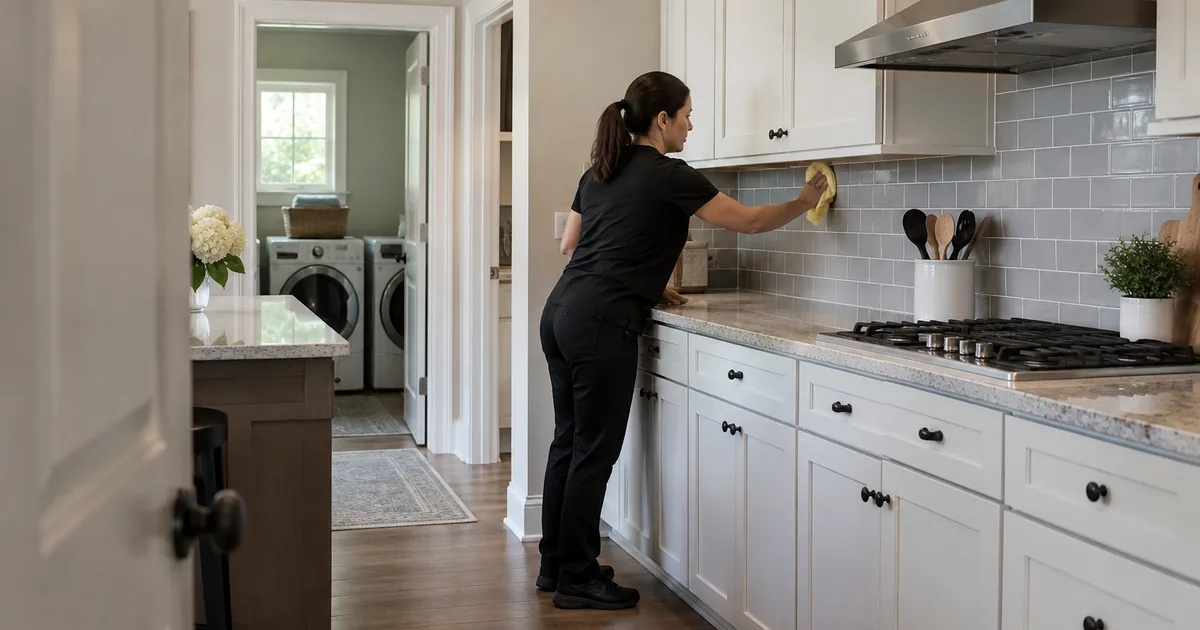
Planning deep cleaning Crestwood service starts with two decisions: which buildup needs attention, and which surfaces need limits. A cloudy stone counter, peeling cabinet edge, or loose faucet finish should not automatically receive stronger chemicals or harder scrubbing. The goal is to remove appropriate soil without treating existing wear as something cleaning can repair.
Before requesting a quote, walk through your home and identify priority rooms, fragile materials, and areas you want excluded. Describe the actual problem rather than asking for everything to look new. Grease on a backsplash, residue around a faucet, and dust along accessible trim require different methods and access.
This guide helps you prepare that conversation with Prime Cleaning MO LLC. It is a planning framework, not a universal checklist. Your agreed scope should identify included work, optional add-ons, access conditions, and any surfaces that must be skipped or handled with a limited method.
Define deep cleaning Crestwood scope before choosing extras
Separate your request into three groups: essential cleaning, optional additions, and restricted areas. Essential work might focus on bathroom buildup, kitchen grease, or neglected accessible edges. Ask which tasks are included rather than assuming that every hidden compartment or surface is covered by the service name.
For deep cleaning, appliance interiors and inside cabinets are optional add-ons. If your main concern is crumbs inside kitchen drawers, explicitly request interior cabinet and drawer work and confirm its extent. If the oven interior needs attention, name it separately instead of relying on a general kitchen-cleaning request.
Move-In/Move-Out cleaning is different: it includes inside and outside cabinets and appliances. Ask which service fits the property's occupancy and access conditions. Interior windows are optional for services except Airbnb turnovers; do not assume they can be added to that turnover service. Confirm whether any agreed window work covers glass alone or additional components, and identify damaged glass or loose hardware beforehand.
Explore our deep cleaning service and cleaning in Crestwood, MO for property-specific information.
Set material-specific boundaries for fragile surfaces
Create a short surface note for each room before the visit. Record the material if known, the finish, existing damage, and any manufacturer care instructions. When you cannot identify a surface, say so; appearance alone does not reliably distinguish natural stone, engineered material, or a coated imitation.
Stone, grout, and sensitive metal finishes
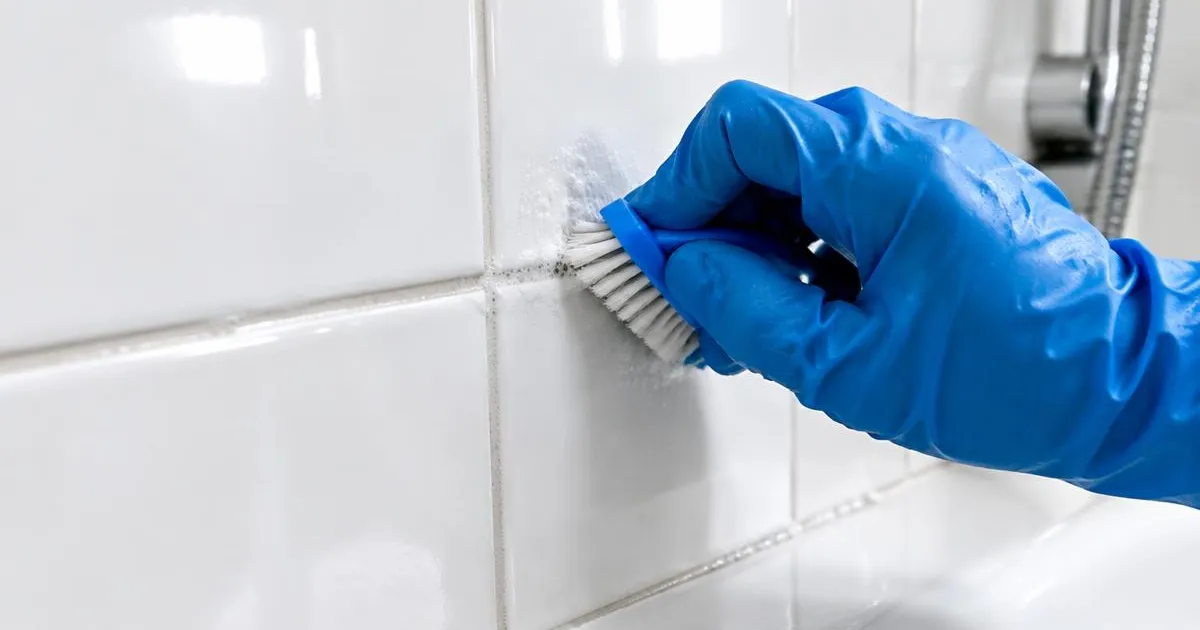
Avoid acids on stone, including vinegar-based approaches that can etch susceptible surfaces. Ask for manufacturer-safe care rather than a stronger product when marks remain. Identify unsealed stone, crumbling grout, and plated fixtures with flaking finishes. For example, a dull ring on marble may be etching rather than removable residue. Its presence calls for a cleaning limit, not a promise that scrubbing will erase it.
Painted cabinets, wood, and coated surfaces
Point out lifting paint, swollen seams, worn varnish, and peeling coatings. Set boundaries against soaking joints or abrasive treatment where manufacturer guidance does not permit it. Ask whether a discreet test is appropriate, while recognizing that a small test cannot establish safety for every damaged area.
Agree on stop points instead of escalating treatment
A useful boundary states what should happen if ordinary cleaning does not resolve a mark. For example: remove accessible residue from the cabinet fronts, but stop if the finish transfers, flakes, or becomes tacky. That instruction is more actionable than asking for extra care without defining what matters.
Identify items that should remain untouched, such as an unstable shelf, antique furniture, a cracked mirror, or a decorative object with an unknown coating. Decide who will move valuable or breakable belongings. Do not assume cleaners can safely lift heavy appliances, disconnect equipment, or reach every area behind installed fixtures.
Also distinguish cleaning from detailing beyond a deep clean. Fine work across many grooves, heavily layered residue, or numerous delicate objects can require a separately discussed scope and may take more than one day. Ask which tasks are realistic within the proposed service and which should be deferred. Cleaning does not promise restoration of worn finishes or reversal of permanent discoloration.
Choose interior add-ons with contents and access in mind
An interior add-on is useful only when the intended area can be reached safely. For inside-cabinet work, ask whether you must empty shelves and drawers beforehand. Identify shelf liners, loose shelves, raw wood, and damaged hinges. Agree whether liners stay in place and whether any interior finish needs restricted moisture.
For appliance interiors, identify the appliance, its condition, and any manufacturer instructions. Ask who will remove food or stored cookware and what preparation is required. Do not unplug equipment or activate an oven's self-cleaning cycle simply because a cleaning visit is planned; confirm the appropriate preparation first.
Choose additions according to your actual priorities. A household concerned about food residue may value refrigerator interior cleaning more than interior windows. Someone preparing an occupied home for guests may prioritize visible kitchen and bathroom buildup instead. Put the selected additions in the quote request, and make clear which fragile components, seals, controls, or damaged surfaces require limits.
Prepare rooms without creating new cleaning risks
Clear everyday clutter from the areas you want cleaned, but do not dismantle fixtures or move unstable furniture to create access. Secure pets and identify any room that must remain closed. Tell the team about loose outlets, leaks, broken glass, or other conditions that could affect safe work.
Share care instructions and disclose any recently applied product. Never mix cleaners, and do not pre-treat a problem area with multiple products before someone else works on it. Residue from an unknown treatment complicates product selection. When possible, provide the product name and explain where it was used.
Discuss disinfection separately from soil removal. Disinfect only when appropriate, using a product suitable for the surface and maintaining the full label contact time. A fragile finish may not tolerate a particular disinfectant. Ask how high-touch areas will be addressed without assuming that every surface should receive the same treatment or that routine cleaning requires disinfection everywhere.
Match the quote process to the property and service
For a home, describe occupancy, priority rooms, buildup, access limitations, fragile surfaces, and requested add-ons. Photos can help explain a concern, but they may not reveal whether a mark is soil, etching, or finish loss. Ask that unresolved material questions remain visible in the scope rather than being treated as guaranteed results.
Standard/recurring cleaning is available only after an initial deep clean, not as a one-time or first-time cleaning service. The first standard/recurring quote includes that deep clean. Explain what ongoing upkeep you want while still identifying the initial work needed to establish a manageable baseline.
Commercial/industrial cleaning and commercial post-construction require a free in-person walkthrough before pricing. Provide the business name, approximate square footage, restroom count, preferred date/time window, and onsite contact. Flag operational restrictions and suspected hazardous conditions for assessment. Do not assume hazardous work, mold removal, or hazardous waste handling is available as part of a cleaning request.
Review the agreement against your priorities
Before approving service, read the scope room by room. Check that selected add-ons are named and that excluded or delicate surfaces have clear instructions. Ask what happens if the team encounters an unidentified finish, concealed damage, or a condition that makes the planned method unsuitable.
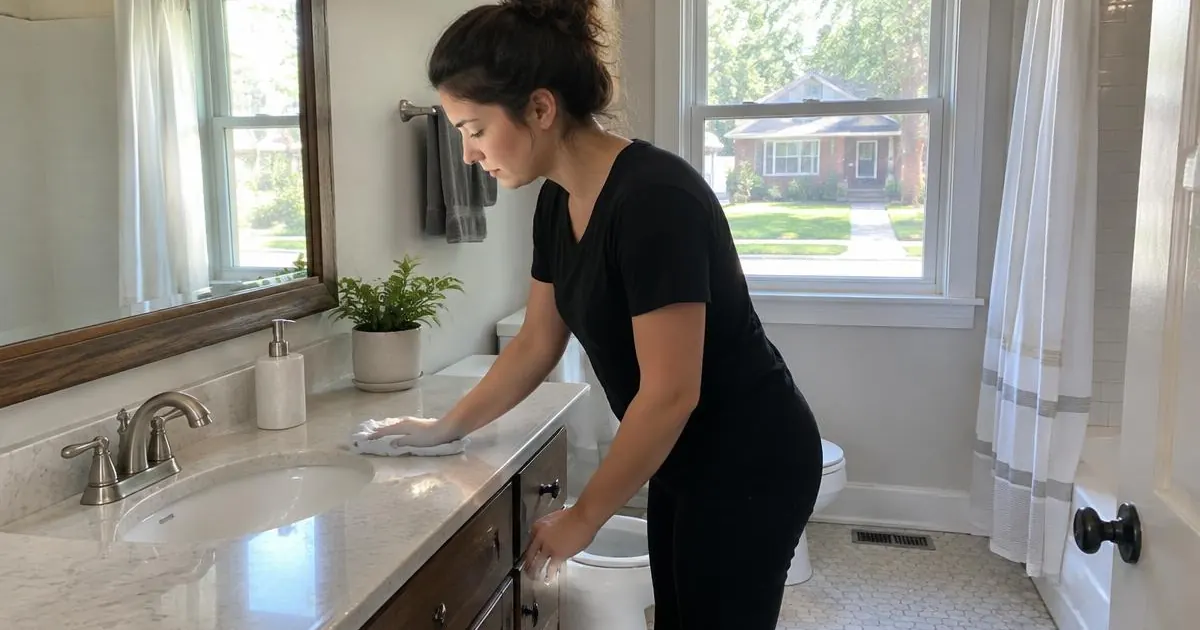
Use a practical decision example: if a bathroom faucet has both removable soap residue and peeling plating, request residue removal with limits around the damaged finish. Accept that some visible defects may remain. If a cabinet interior is swollen from a leak, ask whether cleaning should wait until the moisture issue is addressed.
After the visit, compare the work with the agreed tasks rather than an imagined complete checklist. Discuss an omitted task separately from a mark that could not safely be removed. Clear boundaries help Prime Cleaning MO LLC understand your priorities while keeping the conversation focused on appropriate cleaning, optional work, and the condition of your home.