Deep Cleaning
Deep Cleaning in Des Peres: Scope and Add-On Questions
Build a practical room-by-room scope that separates deep cleaning from optional interior work, identifies access issues, and makes your priorities clear before booking.
Start your deep cleaning Des Peres plan by floor
A useful request for deep cleaning Des Peres starts with how your home is arranged, not simply how many bedrooms it has. List every level you want addressed, including a finished basement, main floor, upper floor, and any split-level spaces. Then identify the rooms, surfaces, and priorities on each level. This gives Prime Cleaning MO LLC a clearer basis for discussing your requested scope.
Use the same format for each floor: room name, current condition, desired work, surface material, and access concerns. A kitchen with cooking residue needs a different discussion from a seldom-used guest bedroom with settled dust. Mark spaces that are excluded as clearly as those that are included.
For a Des Peres home, this floor-by-floor inventory provides more useful context than assumptions based on the neighborhood. Begin with the areas that matter most to you, then confirm which tasks belong in the agreed service rather than assuming every visible surface is covered.
Map the main floor around use and buildup
Start at the entrance and walk through the main level in the order someone would naturally move through it. Note entry flooring, living areas, dining spaces, the kitchen, and any powder room. Identify buildup precisely: dust on accessible trim, fingerprints on doors, grease near cooking surfaces, or residue around fixtures. Specific observations make the scope easier to evaluate.
Separate cleaning needs from access problems. If dining chairs, countertop appliances, or decorative items cover surfaces, decide what you can relocate beforehand. Ask whether furniture movement is included and what limitations apply. Do not assume heavy pieces will be moved or inaccessible areas reached.
Make the kitchen its own scope conversation
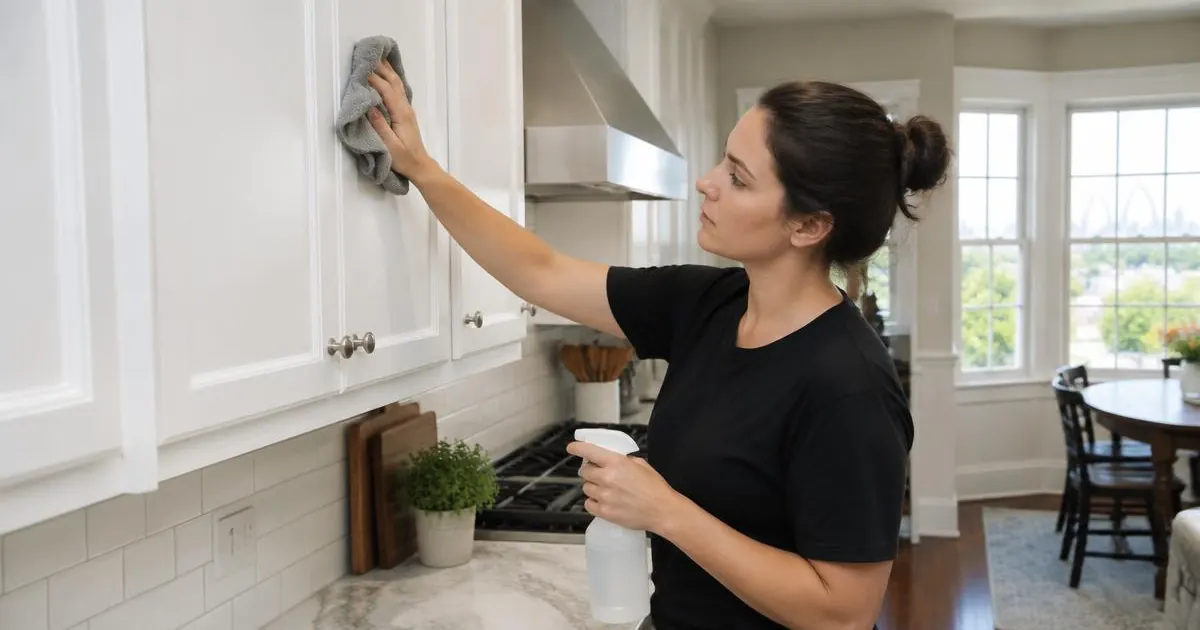
List counters, backsplash materials, sink surfaces, appliance exteriors, and cabinet exteriors as items to discuss. Then separately flag appliance interiors and inside cabinets: these are optional add-ons for deep cleaning. For example, requesting greasy cabinet fronts does not automatically request emptying and cleaning the storage space behind them.
Explore our deep cleaning service and cleaning in Des Peres, MO for property-specific information.
Give upper floors and bathrooms separate priorities
On bedroom levels, identify occupied rooms, guest rooms, home offices, and connecting halls. Note accessible trim, doors, floor edges, and surfaces you want evaluated. Explain whether rooms will be cleared or remain furnished. A crowded office may require you to remove papers and electronics from a desk before its surface can be cleaned.
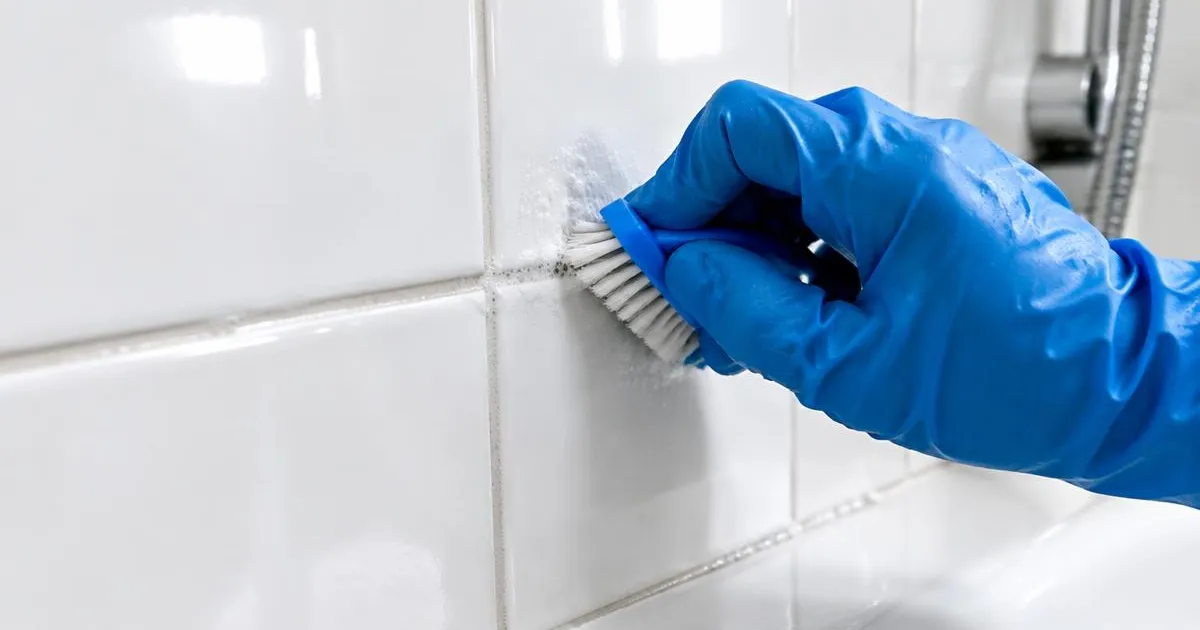
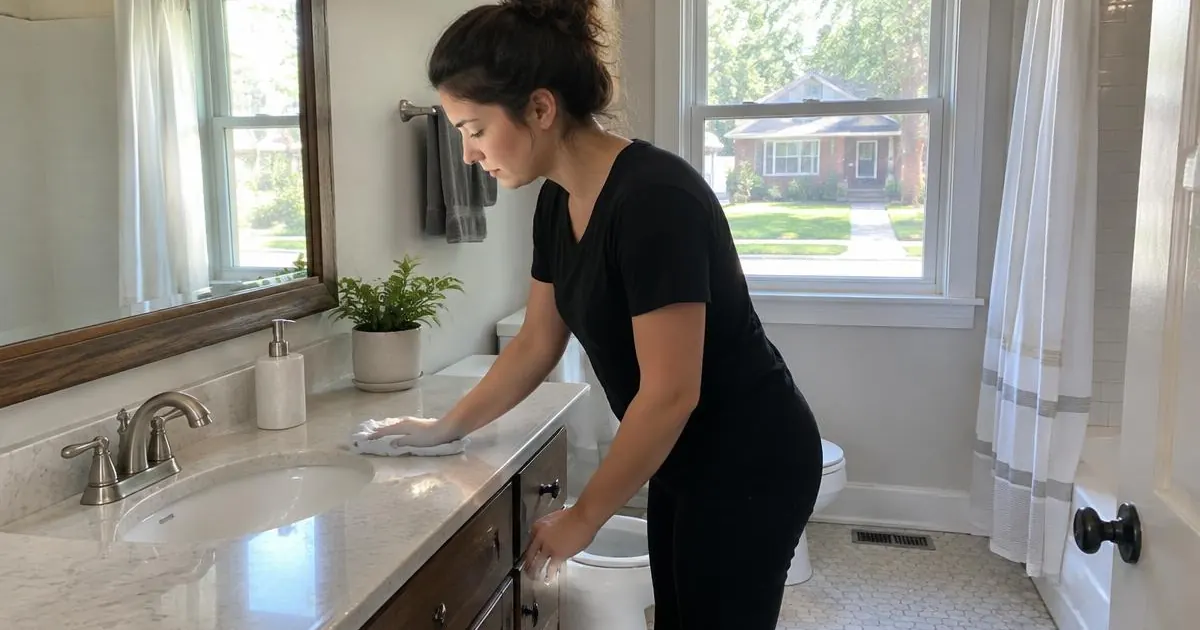
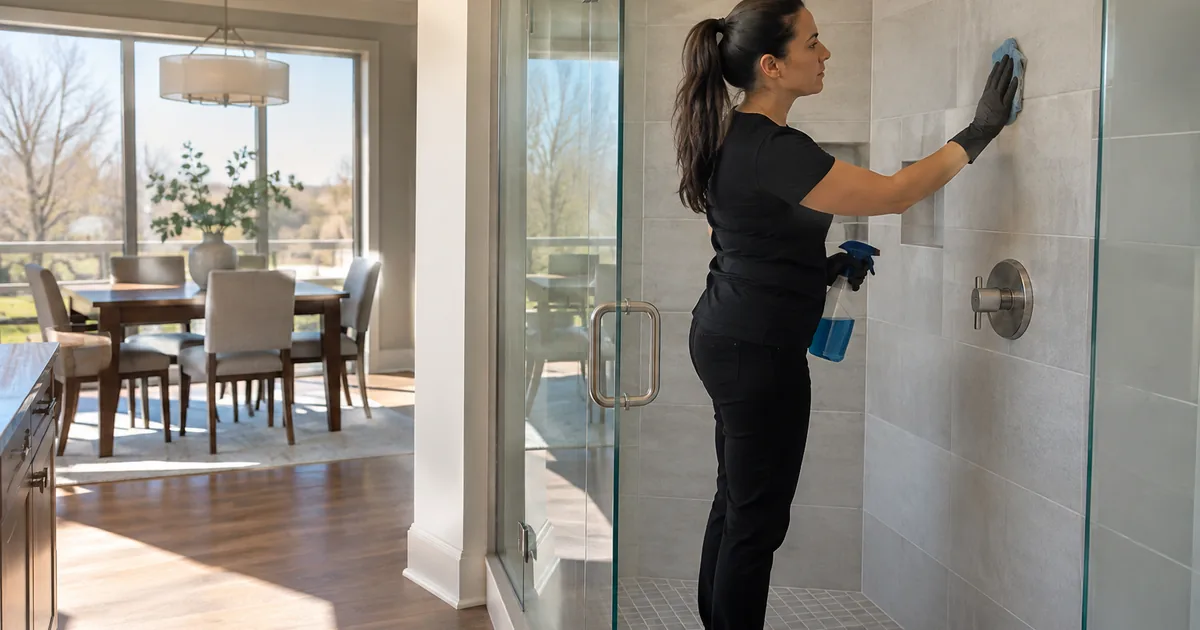
Bathrooms need more detail than a room count. Describe shower enclosures, tubs, tile, fixtures, and any natural stone. Report visible residue without diagnosing it. Discoloration may have causes that routine cleaning cannot resolve, and deep cleaning should not be presented as restoration or mold removal.
Rank needs instead of calling everything urgent
If the upstairs shower and hallway edges are your main concerns, identify those as priorities before discussing less-used guest rooms. Ask which accessible surfaces can be addressed within the proposed scope and what needs separate assessment. Priorities help define the request; they do not replace an agreed task list.
Account for basements, stairs, and transition spaces
Lower levels can introduce conditions that are easy to miss in a bedroom-and-bathroom summary. Specify whether the basement is finished, partly finished, or used for storage. Distinguish occupied rooms from utility areas, and explain whether stored belongings block floors or walls. Request only accessible areas that can be evaluated safely.
Treat stairs and landings as their own scope entries. Record the flooring type, railings, and access between levels. Mention narrow passages, fragile items along the route, or doors that must remain closed for pets. These details affect movement through the home and should be discussed before arrival.
Do not fold renovation debris, unknown substances, or potentially hazardous conditions into an ordinary deep-clean request. Describe concerns in advance so the company can determine whether the work is appropriate. If you want detailing beyond deep cleaning, ask for a separate assessment; that additional work may take more than one day.
Choose add-ons without confusing service types
Once every floor is mapped, create a separate add-on list. For deep cleaning, appliance interiors and inside cabinets are optional add-ons, not automatic inclusions. Name each appliance and each cabinet area you want addressed. Ask what must be emptied, cooled, unplugged, or otherwise prepared, following manufacturer instructions rather than improvising.
Interior windows are optional for services other than Airbnb turnovers; they are not offered as an optional add-on for Airbnb turnovers. For a deep-clean window request, identify the rooms and clarify whether you mean glass only or also want tracks, sills, or other components assessed. Access and condition still need discussion.
Keep service categories distinct. Move-In/Move-Out includes inside and outside cabinets and appliances. If you are moving rather than cleaning an occupied home, say so at the start. Standard/recurring service is available only after an initial deep clean, not as a first-time or one-time standard cleaning; the first standard/recurring quote includes that deep clean.
Identify materials before choosing cleaning methods
Add surface information to your floor plan wherever care requirements differ. Examples include stone bathroom counters, sealed wood flooring, painted cabinetry, and stainless steel appliance fronts. Share manufacturer care instructions when available, and point out loose finishes, damaged grout, or areas that have reacted poorly to previous products.
Manufacturer-safe surface care should guide the method. Avoid acids on stone, and never mix cleaners. A product suitable for one bathroom surface may be unsuitable for the adjacent fixture or countertop. If you do not know what a material is, flag that uncertainty rather than requesting an aggressive treatment.
Disinfection is not a substitute for removing soil and is not necessary on every surface. When appropriate, it requires a suitable product used according to its label, including the full contact time. Ask about the intended approach for relevant touchpoints, and avoid interpreting a deep clean as a promise to sterilize the home.
Prepare access and send a quote-ready request
Combine your notes into one message organized by floor. Include the property layout, rooms requested, approximate size if known, current condition, priority concerns, optional add-ons, preferred scheduling window, and access instructions. Photos can help explain buildup or layout, but they should accompany a written scope rather than stand in for it.
Before the visit, secure valuables and private documents, arrange pet separation, and clear the surfaces you want cleaned. If cabinet or appliance interiors are requested, confirm preparation requirements first. Do not empty an entire kitchen unless those interiors are part of the agreed work.
For commercial/industrial properties and commercial post-construction requests, a free in-person walkthrough is required before pricing. Provide the business name, approximate square footage, restroom count, requested date/time window, and onsite contact. A residential floor plan does not replace that walkthrough, and hazardous work should never be assumed or promised as part of the service.
Confirm the written scope and plan the next visit
Before approving the work, read the proposed scope floor by floor. Check that each requested room appears, exclusions are clear, and optional interiors or windows are listed separately where applicable. Ask how unexpected conditions will be handled and whether any additional work requires your approval. This prevents a general phrase such as “whole-house clean” from hiding different expectations.
Use decision examples to resolve uncertainty. If the refrigerator interior matters more than a guest bedroom, request that scope adjustment before booking. If cabinets will remain full, discuss exterior cleaning instead of assuming interior work can proceed. If the request involves unusually detailed work, clarify whether it exceeds deep cleaning.
After the initial deep clean, discuss standard/recurring service based on the rooms you use and the upkeep you need. Keep your floor-by-floor notes for future visits, updating access, materials, and priorities when they change. A clear scope remains useful long after the first appointment.