Deep Cleaning
Deep Cleaning in Lake Saint Louis: Scope and Add-On Questions
A useful deep clean starts with clear priorities and ends with a realistic upkeep plan. Learn what to ask, which extras to separate and how recurring service begins.
deep cleaning Lake Saint Louis: Deep Cleaning in Lake Saint Louis: Scope and Add-On Questions
When comparing deep cleaning Lake Saint Louis options, start with what you want to maintain afterward, not just what looks dirty today. A kitchen that becomes difficult to reset every evening needs a different plan from a guest bathroom used occasionally. Identify the rooms, buildup and household routines that make cleaning hard, then use those details to request a defined scope.
Prime Cleaning MO LLC can discuss your Lake Saint Louis home around those practical priorities. Walk through each room and note visible residue, dust-catching edges, access limitations and surfaces needing special care. Separate cleaning needs from repairs or damaged finishes; cleaning is not restoration.
Ask three opening questions: Which tasks are included in my proposed deep clean? What requires an optional add-on? What preparation will make the agreed work accessible? Keep the answers with your booking details. They become the starting point for a maintainable routine rather than an assumed universal checklist.
Build the Scope Around Your Hardest-to-Maintain Areas
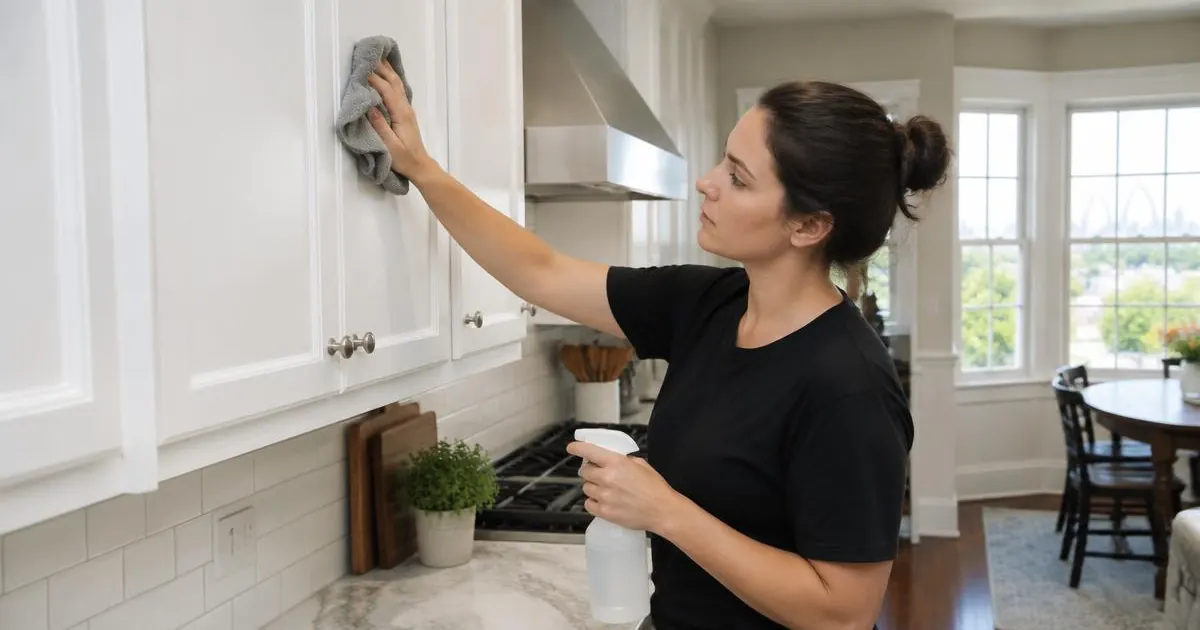
Choose a short priority list before discussing every room. For example, cooking residue around the stove, bathroom soap film and dust along accessible trim may matter more to your daily comfort than an infrequently used dining room. Describe the condition, not simply the room name. “Residue on cabinet fronts near the range” communicates more than “clean the kitchen.”
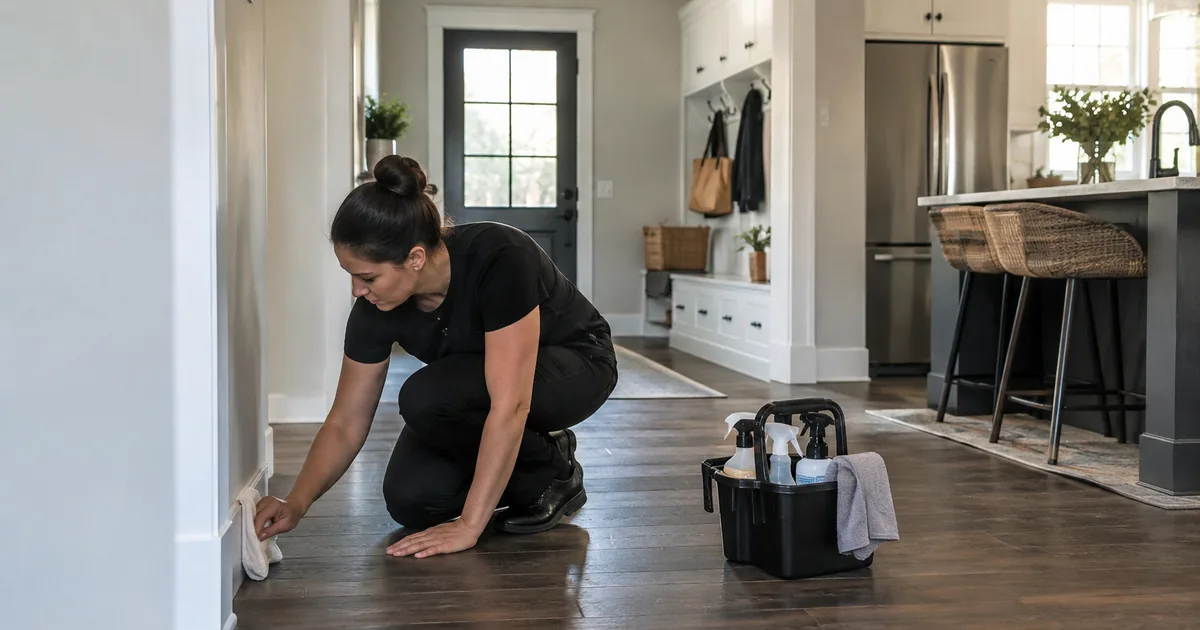
Next, distinguish surface cleaning from tasks requiring contents to be removed, furniture to be shifted or unusual access. Ask whether accessible baseboards, doors, fixtures and reachable ledges are included in your proposed scope. Explain where belongings block floors or counters. Do not assume a cleaner will move heavy furniture, handle fragile collections or organize personal items.
If your priorities exceed the agreed visit scope, decide what should come first. A useful decision example is choosing kitchen and bathroom buildup removal before detailed work in a spare room. Discuss unusually intensive detailing separately: work beyond a deep clean may take more than one day, depending on the condition and agreed tasks.
Explore our deep cleaning service and cleaning in Lake Saint Louis, MO for property-specific information.
Separate Included Work From Optional Add-Ons
The service name matters because similar-looking requests can have different inclusions. Have the quote identify your service and each approved extra so that access, preparation and expectations match.
Appliance Interiors and Inside Cabinets
For deep cleaning, appliance interiors and inside cabinets are optional add-ons. If you want the oven interior, refrigerator interior or cabinet shelves cleaned, name each request rather than assuming “kitchen deep clean” includes it. Ask what must be emptied and who will handle food, dishes or removable parts.
Move-In/Move-Out cleaning includes inside and outside cabinets and appliances. If you are leaving or taking possession of a home, discuss that service instead of trying to recreate its scope through assumptions about a deep clean. Confirm access and whether any belongings remain.
Interior Windows and Other Detail Requests
Interior windows are optional for all services except Airbnb turnovers. For a deep-clean quote, identify the windows you want addressed and ask which components are covered; glass, tracks and screens are not interchangeable requests. Describe access concerns before booking. For Airbnb turnovers, clarify the defined turnover scope rather than assuming the same optional window add-on applies.
Prepare the Home Without Doing the Cleaning Yourself
Preparation should make the booked work reachable, not require you to scrub beforehand. Clear personal items from the counters and floors included in the scope. Put away medications, paperwork, jewelry and fragile objects. If cabinet or appliance interiors are booked, agree on an emptying plan before the visit rather than leaving that responsibility unresolved.
Tell the team about pets, entry instructions, parking restrictions and rooms that should remain closed. Identify any loose fixtures, damaged grout, peeling finishes or appliance problems. A surface that looks stained may have wear that cleaning cannot correct, so flag questionable areas and ask what outcome is reasonable.
For a lived-in Lake Saint Louis home, decide where displaced belongings will go. Moving everything from one counter to another can simply block the next task. Use a designated holding area outside the cleaning scope, then return only what belongs after service. That small decision makes both the initial work and future household resets easier to manage.
Agree on Surface Care Before Tackling Buildup
Share manufacturer care instructions for stone counters, coated fixtures, specialty flooring and appliance finishes when available. Ask for manufacturer-safe surface care suited to the material rather than the strongest product available. If a finish is uncertain, identify it before treatment and discuss an appropriate cautious approach, including testing where suitable.
Never mix cleaners. Avoid acids on stone, and do not assume a product suitable for a shower wall is suitable for adjacent metal, grout or flooring. Tell the team if you have recently applied a product or treatment. That information helps prevent incompatible product use and unnecessary damage.
Disinfection should be used only when appropriate, with the surface and product label guiding the process. A disinfectant must remain on the surface for its full label contact time to be used as directed. Cleaning away soil and disinfecting are different tasks; ask what is being proposed and why. Report suspected hazardous contamination separately rather than treating it as ordinary household buildup.
Turn the First Deep Clean Into a Recurring Plan
Standard/recurring service is available only after an initial deep clean; it is not a first-time or one-time cleaning option. Your first standard/recurring quote includes that initial deep clean. This distinction gives the maintenance discussion a clear starting point: first address the agreed buildup, then plan ongoing cleaning around how the household actually uses the home.
Before committing to a frequency, explain how quickly your busiest rooms become difficult to manage. Consider cooking habits, bathroom use, pets, visitors and how much upkeep you realistically handle. A household cooking daily may prioritize kitchen maintenance differently from someone who uses that space lightly. Ask which recurring tasks address those needs and which detailed tasks remain separate.
After the first deep clean, review what is now easier to maintain and what still needs attention. If counters remain crowded, additional cleaning alone will not solve the access problem. Adjust the household setup and recurring scope together. Do not assume appliance interiors, cabinet interiors or interior windows automatically carry into future visits.
Use Simple Resets Between Professional Visits
Choose a routine small enough to repeat. After cooking, clear food debris and wipe suitable surfaces according to their care instructions. Address spills promptly, put loose belongings away and keep bathroom surfaces accessible. These steps are not substitutes for the agreed professional scope; they help prevent everyday obstacles from consuming your attention.
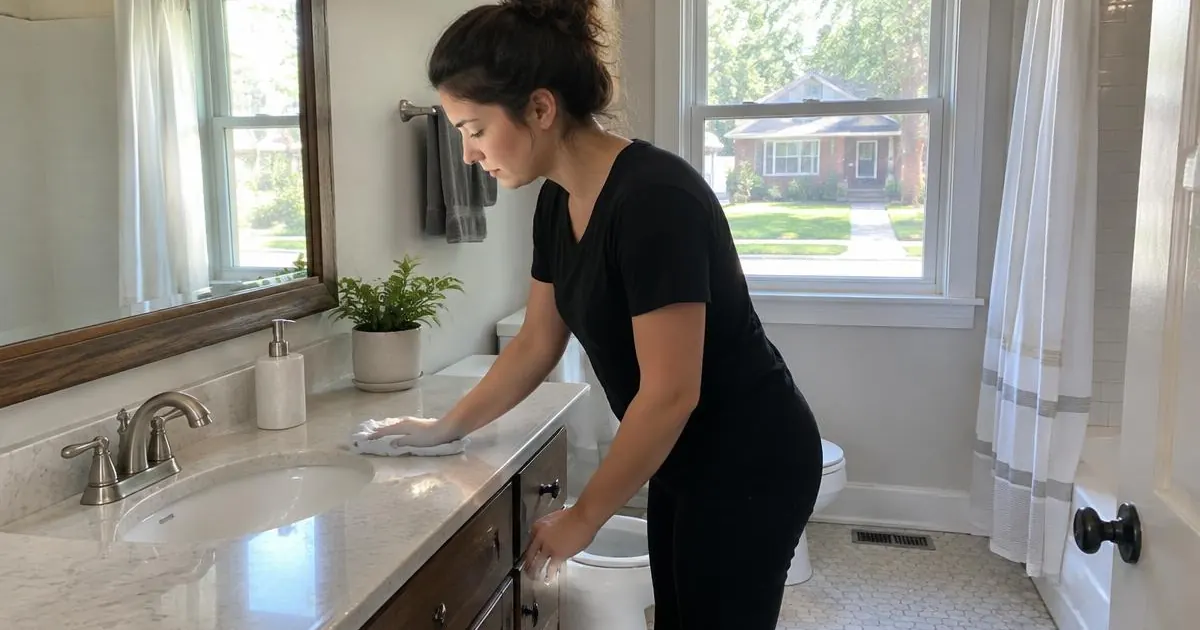
Assign tasks by the problem they prevent. If entryway grit spreads through the house, focus household upkeep there. If products crowd a bathroom vanity, reduce what stays out. If dishes block the sink, make clearing it the first kitchen reset. A targeted habit is more useful than an ambitious schedule nobody follows.
Keep a brief note of changes to discuss before the next service: a newly used room, extra visitors or a surface developing residue. Review the plan when household use changes, rather than assuming the original priorities remain correct. This feedback helps you decide whether to adjust recurring work or request a separately scoped add-on.
Request a Quote That Matches the Property
For a residential request, give Prime Cleaning MO LLC the property location, rooms involved, condition concerns, access information and desired service. Identify optional interiors and windows explicitly. Ask for confirmation of inclusions, exclusions, preparation responsibilities and how additional requests will be handled. Photos may help explain concerns, but describe anything they do not show.
Commercial/industrial cleaning and commercial post-construction cleaning require a free in-person walkthrough before pricing. Provide the business name, approximate square footage, restroom count, preferred date/time window and onsite contact. The walkthrough is necessary to assess conditions and define the proposed work; residential assumptions should not determine a business property's scope.
Hazardous work is never promised. Disclose unusual materials or site conditions so suitability and limitations can be discussed. For any property, finish with one practical question: “What should I maintain between visits, and what should I ask you to revisit?” That answer connects the initial cleaning investment to an achievable ongoing plan.