Deep Cleaning
Deep Cleaning in Manchester: Scope and Add-On Questions
Understand which glass surfaces need separate approval, when appliance and cabinet interiors are add-ons, and how to request a clearly scoped Manchester deep clean.
Start with a clear deep cleaning Manchester scope
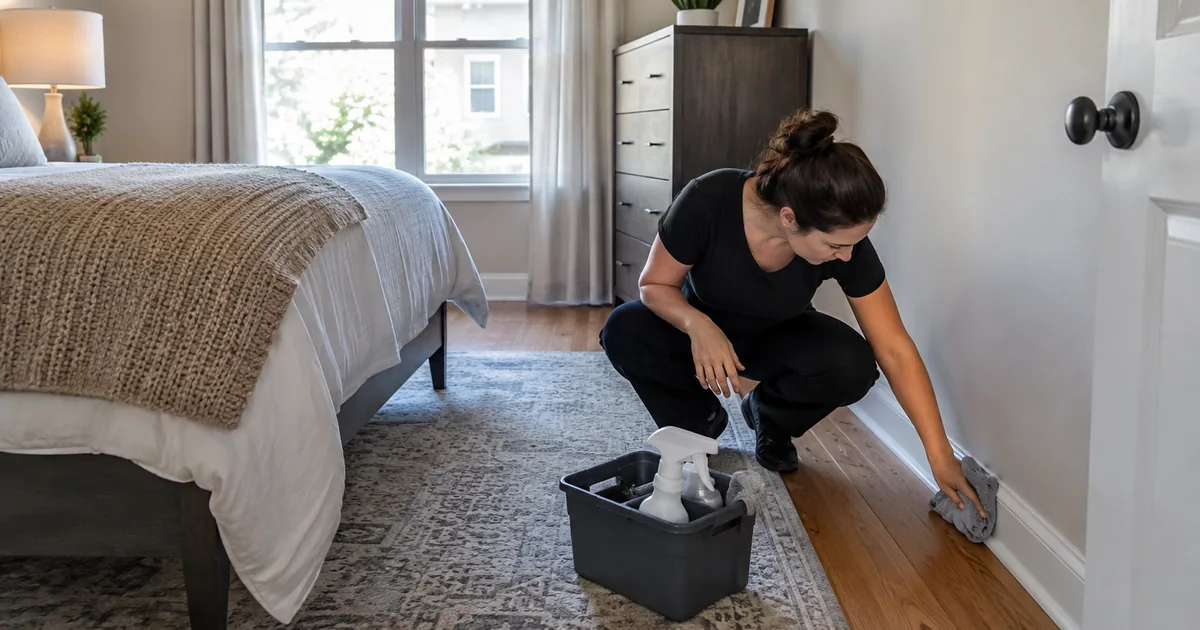
When comparing deep cleaning Manchester options, start with surfaces and access rather than the phrase “everything cleaned.” A useful request explains which rooms need attention, what buildup is present, and whether you mean exposed surfaces or enclosed interiors. Prime Cleaning MO LLC can use those details to clarify the requested work before you decide which extras belong in your quote.
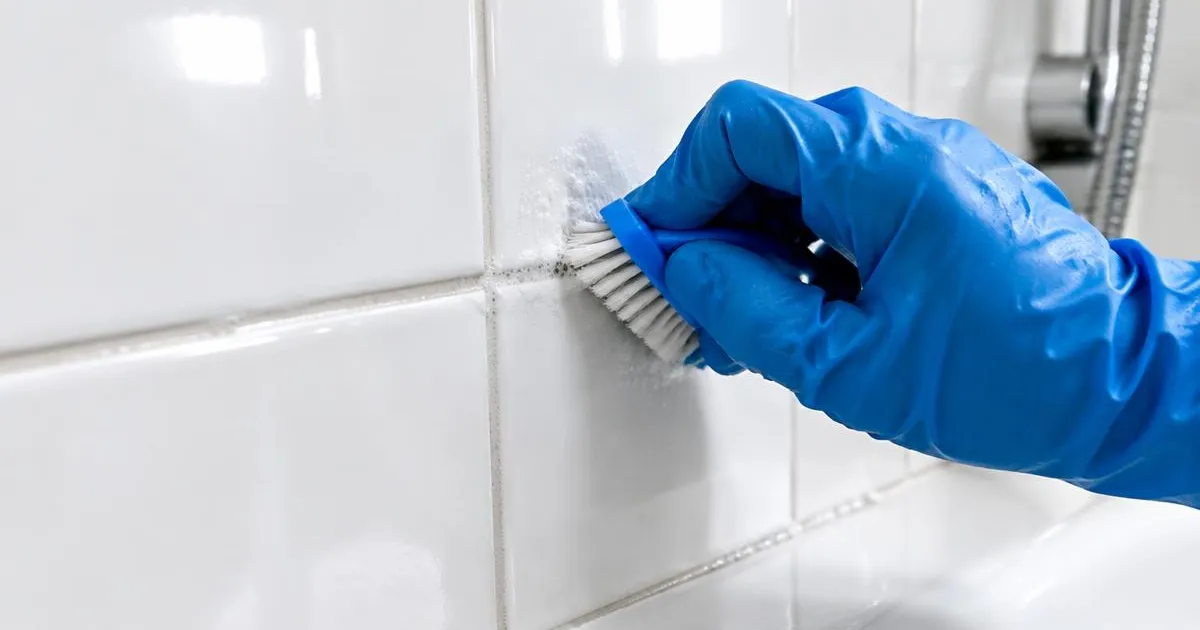
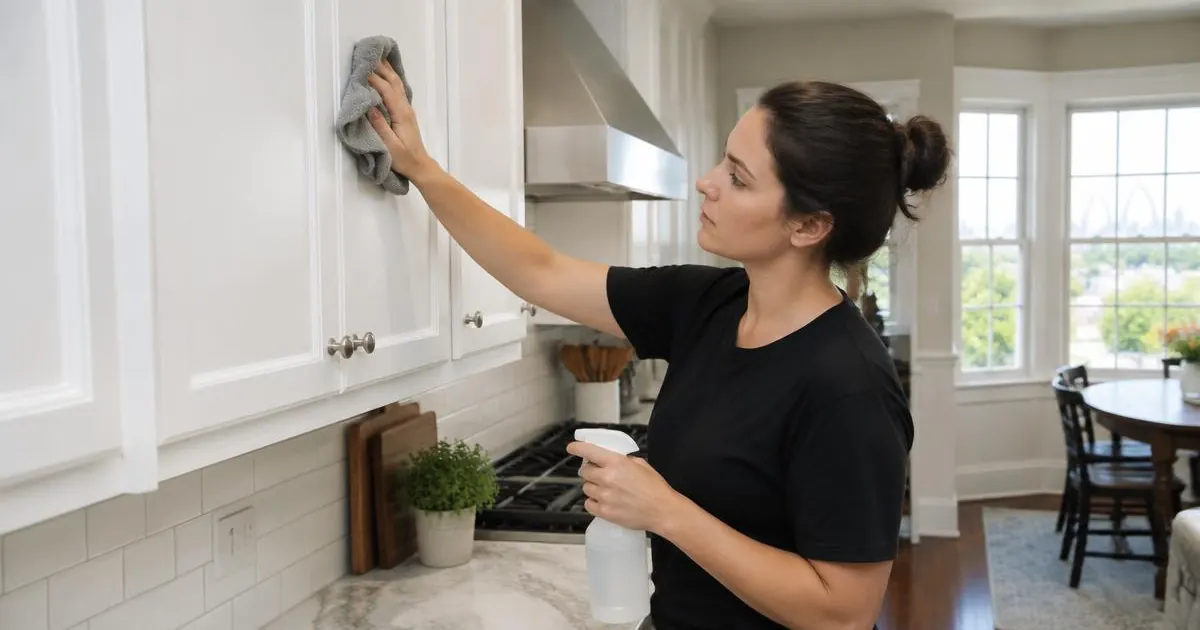
Deep cleaning is not an unlimited detailing agreement. Describe visible conditions without guessing their cause: greasy cabinet fronts, dusty baseboards, soap residue, or fingerprints on glass. Ask which of those concerns the proposed scope addresses and which require separate approval. Photos can help show the difference between ordinary buildup and a surface that may need assessment rather than more aggressive cleaning.
For a Manchester home, identify occupied rooms, storage areas, and access restrictions. If one bedroom is excluded or a home office contains sensitive equipment, say so before the quote is finalized. Written boundaries make the visit easier to prepare for.
Interior windows are different from other glass
“Glass cleaning” is too broad to define a deep clean. A bathroom mirror, shower enclosure, glass tabletop, and interior window pane have different access needs and surface-care considerations. Name each type separately instead of assuming that a quote mentioning mirrors also covers windows. Interior windows are optional across services except Airbnb turnovers; do not request them as an optional turnover add-on.
Define the window components
For an interior-window request, distinguish the room-facing pane from the frame, sill, tracks, and screens. Ask what the quoted add-on covers and what access is required. Exterior glass is a separate question, not an automatic extension of interior-window cleaning. Identify tall panes, divided panes, and furniture blocking access before approval.
Separate windows from mirrors and shower glass
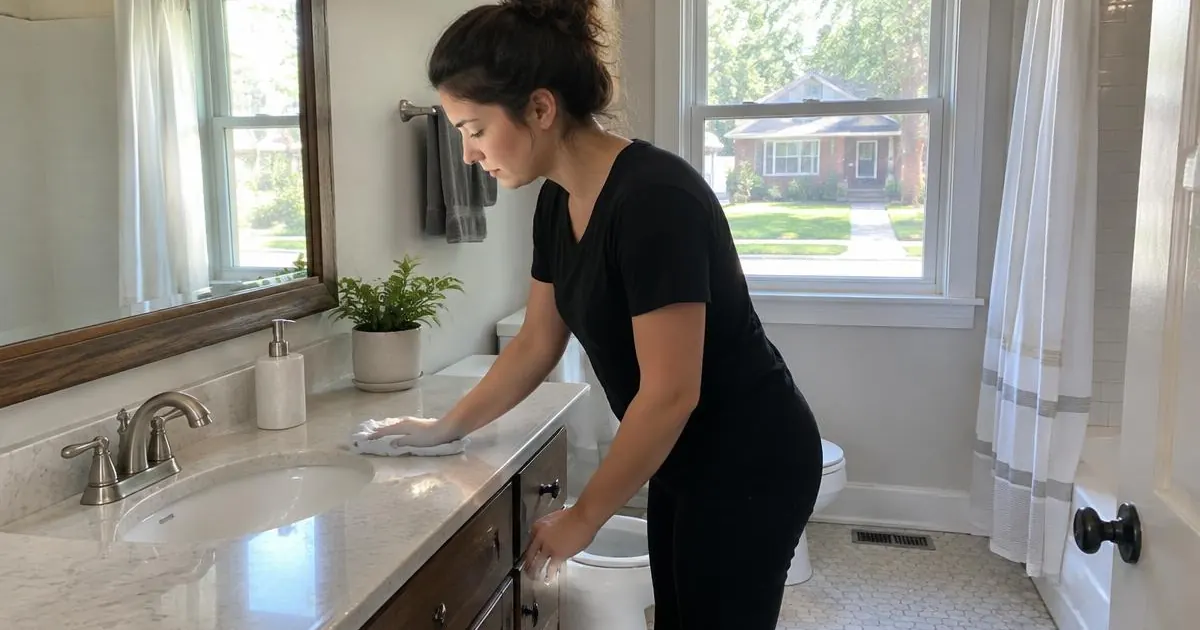
Ask whether accessible mirrors, shower glass, and glass furniture are in the proposed deep-clean scope. Describe film, tint, coatings, or existing scratches. A cloudy shower panel should not be treated as a promise of restored clarity; residue, mineral deposits, and surface damage can look similar but require different decisions.
Explore our deep cleaning service and cleaning in Manchester, MO for property-specific information.
Choose appliance and cabinet interiors deliberately
For deep cleaning, appliance interiors and inside cabinets are optional add-ons. Exterior attention does not automatically authorize opening, emptying, or cleaning every enclosed space. If these areas matter, identify the appliance or cabinet group in the request and have the added scope confirmed. “Kitchen deep clean” alone leaves too much room for different expectations.
For example, you might request an oven interior while declining refrigerator interior cleaning because it remains stocked. Or you might request empty pantry shelves but exclude drawers holding utensils. Ask who will remove food, cookware, shelf liners, and personal items, and whether removable components can be safely handled. Do not assume belongings will be sorted or discarded.
Move-In/Move-Out cleaning is different: it includes inside and outside cabinets and appliances. Identify the correct service before comparing quotes so you are not comparing a deep clean without interior add-ons against a move-out scope that includes them. Disclose any contents or access limitations even for an otherwise vacant property.
Match the service to occupancy and future visits
Choose the service based on how the property will be used. An occupied home needing concentrated attention may call for a deep clean with selected add-ons. A property being vacated or prepared for new occupants points toward Move-In/Move-Out cleaning. Neither choice should depend solely on which label sounds more thorough; the included interiors and preparation requirements matter.
Standard/recurring service is available only after an initial deep clean. It is not a one-time or first-time cleaning option. The first standard/recurring quote includes that initial deep clean, so ask to see how the starting scope differs from the ongoing maintenance scope. This helps you compare the same work rather than assuming every visit has identical tasks.
If you want continuing service, list the rooms and concerns you expect to maintain after the first visit. For instance, confirm whether an interior-window add-on is wanted initially, on a later visit, or not at all. Do not assume that selecting it once makes it part of every recurring appointment.
Request surface care that fits the material
A detailed clean should respect the surface, not simply use a stronger product. Identify natural stone, finished wood, stainless steel, coated glass, and other materials with manufacturer-specific care requirements. Share available care instructions and point out loose finishes, damaged seals, or existing scratches. When a material is uncertain, ask for assessment before treatment rather than requesting aggressive scrubbing.
Manufacturer-safe surface care matters particularly around windows. Cleaner appropriate for a pane may not suit a nearby stone sill, painted frame, or specialty coating. Avoid acids on stone, and never mix cleaners. If you have already applied a product, tell the cleaning team what it was and where it was used so incompatible products are not layered together.
Disinfection should be used only when appropriate, with the full label contact time and directions followed. It is not interchangeable with removing soil. Ask whether a concern calls for cleaning, appropriate disinfection, or a different professional assessment. Cleaning should not be presented as restoration or a promise to reverse permanent damage.
Prepare access and prioritize the work
Preparation is most useful when it creates safe access without turning into a separate cleaning project. Clear counters where possible, put away fragile items, and identify rooms that must remain closed. Arrange pets and household activity so approved areas are accessible. Ask before moving heavy furniture or disconnecting appliances; those actions should never be assumed necessary or included.
For interior windows, describe what stands between the room and the glass. A clear pane above a low sill is different from one behind a full bookcase. Ask who handles blinds or curtains and whether any high or obstructed areas must be excluded. Keep keys, entry instructions, and permission to access specific rooms straightforward.
Rank your priorities if several areas need intensive attention. You might prioritize kitchen buildup and bathroom surfaces over detailed decorative trim. Detailing beyond deep cleaning may take more than one day, so discuss exceptional buildup or intricate features before booking. Agree on how scope changes will be approved rather than expecting unlimited work within the original request.
Use a walkthrough for commercial and industrial requests
Commercial/industrial cleaning and commercial post-construction cleaning require a free in-person walkthrough before pricing. A residential-style room list or a few photos cannot replace that step. When contacting Prime Cleaning MO LLC, provide the business name, approximate square footage, restroom count, preferred date/time window, and onsite contact so the walkthrough can be arranged around access requirements.
During the walkthrough, distinguish office glass, interior windows, partitions, entrance glazing, and other surfaces. Explain which areas are occupied, where equipment restricts access, and whether work must avoid active operations. For post-construction requests, describe visible debris and residue without assuming every substance can be safely removed through ordinary cleaning.
Ask what preparation, exclusions, and access arrangements will be documented before pricing. Hazardous work is never promised, and a request should not imply mold removal or hazardous waste handling. If questionable materials or conditions are present, flag them before work is planned. The assessment should establish an appropriate cleaning scope, not turn uncertainty into a blanket commitment.
Confirm the quote with specific scope questions
Before approving the quote, read it against your original priorities. Does it identify the selected service, included rooms, requested glass surfaces, and approved add-ons? Does it distinguish appliance exteriors from interiors and cabinet fronts from inside shelves? If interior windows are selected, confirm the components covered and any height or access exclusions. Resolve vague wording before the visit.
A useful Manchester request might say: “Occupied home; kitchen and bathrooms are priorities. Please quote a deep clean with oven interior and accessible interior-window panes. Refrigerator interior and inside cabinets are not requested. Please clarify mirror, shower-glass, sill, and track coverage.” Add the property details and photos needed to assess those requests.
Finally, ask how unexpected conditions will be communicated and who may authorize additional work. Keep the agreed scope available for the appointment, including exclusions and preparation instructions. That record supports a focused discussion about the work actually requested rather than an assumed universal checklist.