Deep Cleaning
Deep Cleaning in Maplewood: Scope and Add-On Questions
A useful deep-cleaning plan starts with surface identification and clear boundaries. Learn what to ask about mixed materials, appliance interiors, cabinets, and extra detailing.
Start your deep cleaning Maplewood plan with priorities
When comparing options for deep cleaning Maplewood homes, start with the surfaces that need attention and the results that matter most. A kitchen with stone counters, painted cabinets, and stainless steel appliances needs more than a stronger cleaner. It needs compatible products, controlled moisture, and a clear agreement about which areas are included. This guide from the Prime Cleaning MO Team explains how to prepare that agreement with Prime Cleaning MO LLC.
Walk through the home and identify three priorities: the room that bothers you most, the buildup you want addressed, and any finish you are worried about damaging. For example, greasy cabinet fronts and cloudy shower glass present different problems from worn paint or etched stone. Cleaning should not be presented as a way to repair damaged finishes.
Share whether the home is occupied, empty, or being prepared for a move. Mention pets, access restrictions, and rooms that should remain untouched. These details help define a practical scope rather than an assumed universal checklist.
Identify mixed materials before choosing products
Create a simple surface inventory before your quote conversation. Note counter materials, flooring, cabinet finishes, shower walls, metal fixtures, and any recently installed or refinished surfaces. If you have care instructions, share them. A photo may help explain a concern, but it may not reliably distinguish natural stone from a similar-looking manufactured surface.
Stone, tile, and grout need separate decisions
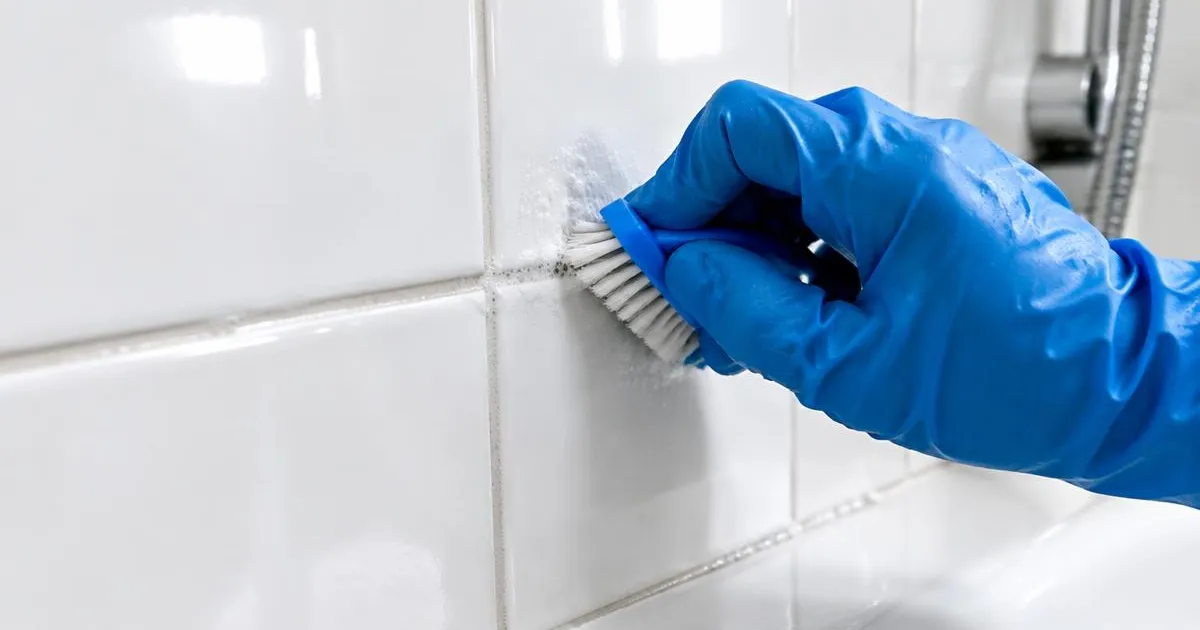
Ask whether the proposed method follows the surface manufacturer's guidance. Avoid acidic cleaners on natural stone, including vinegar-based approaches that can etch susceptible finishes. Tile, grout, and surrounding sealants may require different treatment even within one shower. If the material or sealer is uncertain, request clarification before an aggressive buildup-removal method is used.
Painted wood, metal, and flooring need controlled care
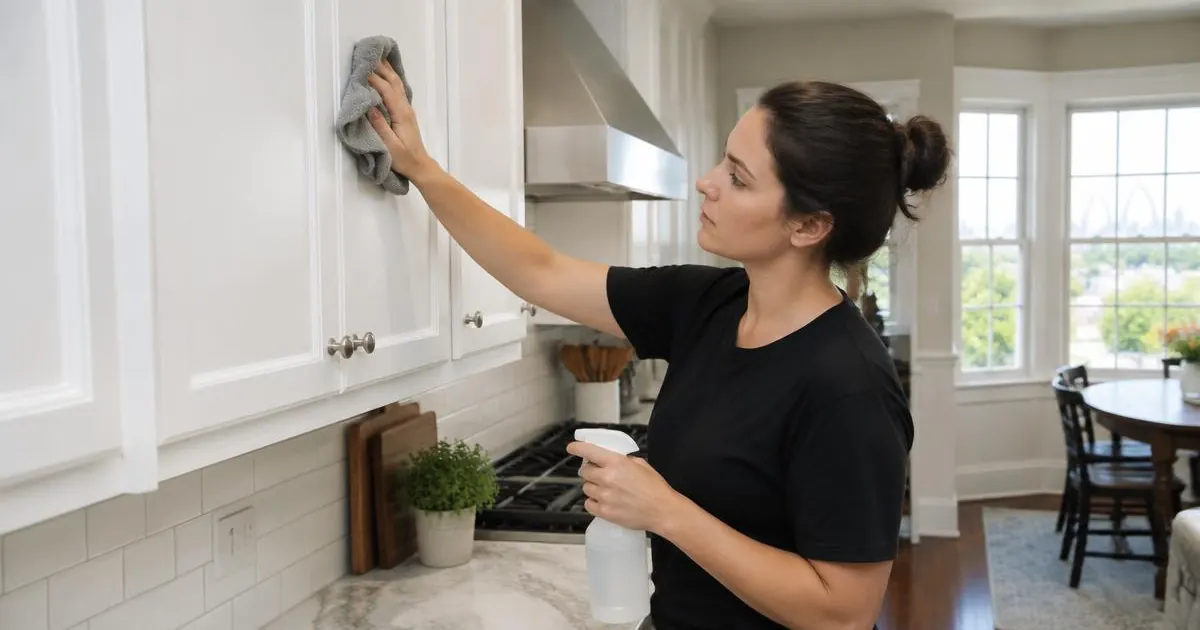
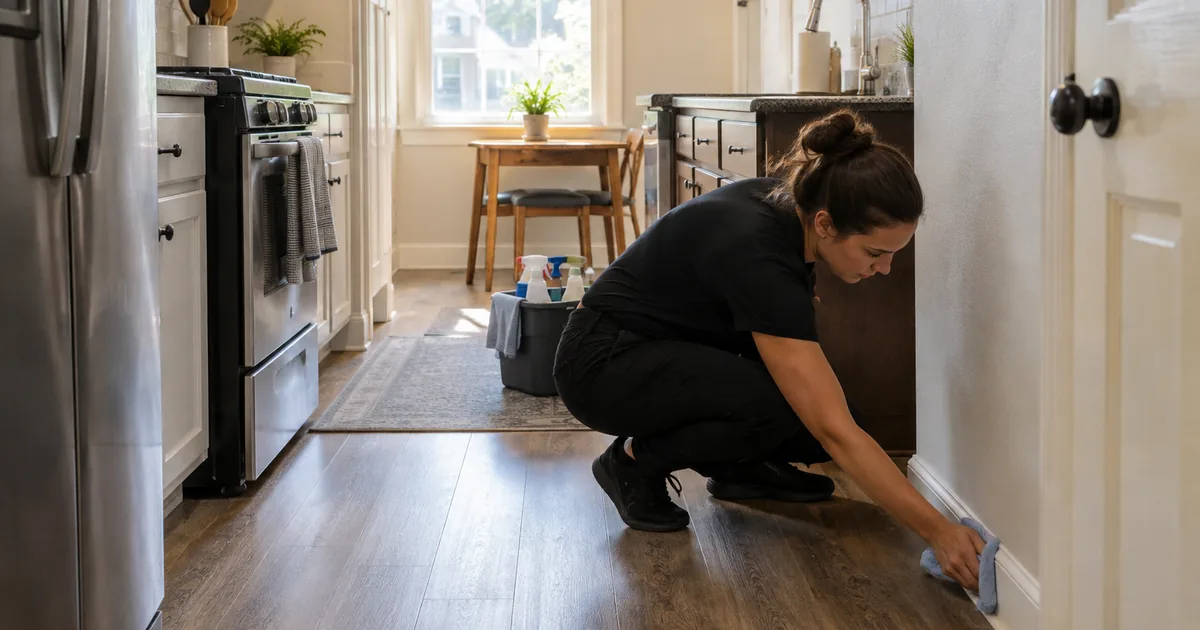
Painted cabinet fronts can be vulnerable around chipped edges and seams. Wood and laminate flooring should not be saturated. Stainless steel should receive a finish-compatible method rather than an abrasive tool chosen only for speed. Identify peeling coatings, loose flooring, and damaged seals beforehand so existing damage is not mistaken for removable dirt.
Explore our deep cleaning service and cleaning in Maplewood, MO for property-specific information.
Define the deep-clean scope room by room
Ask for a written description of the proposed deep clean rather than relying on the service name alone. Discuss kitchen work surfaces, bathroom fixtures, accessible trim, doors, floors, and dust-collecting areas. Confirm which tasks are included, what requires additional authorization, and what cannot be safely accessed. A useful scope describes your home, not every possible task in every home.
Separate cleaning from organizing. If a counter holds appliances, paperwork, and dishes, explain whether you will clear it or want to discuss handling those items. Ask about furniture movement, high areas, fragile belongings, and surfaces behind heavy appliances. Do not assume that access, lifting, or disassembly is included.
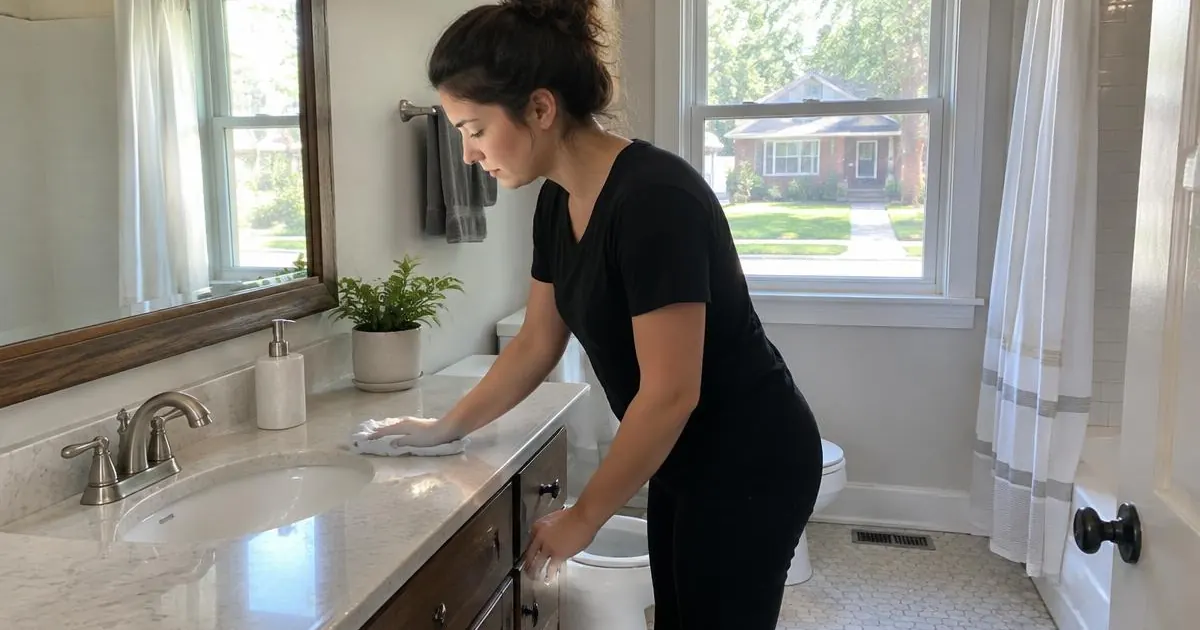
Use a room-specific decision example: if the bathroom is your priority, identify whether the main concern is soap film on glass, buildup around fixtures, or dust on trim. Those observations guide the plan more effectively than asking for everything to be scrubbed harder. Staining, etching, and wear may remain after cleaning.
Choose appliance, cabinet, and window add-ons deliberately
For a deep clean, appliance interiors and inside cabinets are optional add-ons. Ask for each desired interior to be named in the scope. Saying “clean the kitchen” does not clearly authorize oven-interior work, refrigerator-interior cleaning, or wiping shelves inside cabinets. Specify the appliance and the areas you want addressed.
Before adding refrigerator interiors, ask how food should be removed and where it will be kept during cleaning. For cabinets, clarify whether shelves must be emptied before service. Discuss delicate shelf liners, damaged finishes, and any appliance components that should not be removed. Manufacturer instructions should guide care, including restrictions around heating elements and electronic controls.
Interior windows are optional across services except Airbnb turnovers, where this add-on is not offered. For an eligible service, clarify whether your request concerns the glass only or also accessible sills and tracks. Ask about screens and access separately rather than assuming they are included. Choose add-ons according to the areas you actually use and notice.
Match the service category to the property situation
An occupied-home deep clean and a Move-In/Move-Out service have different scope rules. Move-In/Move-Out includes inside and outside cabinets and appliances. If you are leaving or entering a home, identify that situation when requesting service instead of booking a deep clean and assuming those interiors are automatically included.
Standard/recurring cleaning is available only after an initial deep clean; it is not a one-time or first-time service. Your first standard/recurring quote includes that initial deep clean. Discuss the maintenance visits separately so you understand how the ongoing scope differs from the starting visit.
For example, someone staying in a furnished home might choose a deep clean with an optional oven interior. Someone handing over an empty property should discuss Move-In/Move-Out and its included interiors. A homeowner seeking ongoing upkeep should request recurring service with the initial deep clean included in the first quote. Also explain whether utilities are available and belongings will remain.
Set practical safety and detailing boundaries
Manufacturer-safe surface care should guide the work even when buildup is stubborn. Never mix cleaners. Disinfection should be used only when appropriate for the surface and purpose, with the full label contact time followed. A quick wipe is not automatically disinfection, and a disinfectant is not automatically suitable for every finish.
Point out sensitivities to fragrances or products, ventilation limitations, and spaces that children or pets need to avoid during work. Ask how products will be selected for incompatible neighboring materials, such as stone beside metal fixtures. Protective care matters at these transitions because overspray or runoff can reach a different surface.
Describe unusually heavy buildup before booking. Detailing beyond a deep clean may take more than one day, and its scope should be discussed rather than promised within a routine visit. Do not treat suspected mold, hazardous residue, or sharp waste as ordinary cleaning requests. Flag those conditions so limitations can be addressed; hazardous work is never promised.
Prepare useful information for residential or business pricing
For a residential request, provide the approximate home size, rooms and bathrooms to be cleaned, occupancy, condition, material concerns, and desired add-ons. Photos of problem areas can support the discussion without replacing questions about access or finishes. State your preferred date and access arrangements, but do not assume availability until confirmed.
Commercial/industrial cleaning and commercial post-construction cleaning require a free in-person walkthrough before pricing. Provide the business name, approximate square footage, restroom count, preferred date/time window for the visit, and an onsite contact. This requirement allows the property conditions and scope to be reviewed before a price is offered.
At a business property, identify operating areas, sensitive equipment, restricted spaces, and known residues. For commercial post-construction, explain what work has occurred and whether trades are still active. Construction dust does not make every residue suitable for ordinary cleaning. Hazardous work is not promised, and uncertain materials or conditions need clarification before a scope can be agreed.
Confirm the plan before the cleaning visit
Read the proposed scope once as a homeowner and once as the person doing the work. Can someone tell which rooms are included, which interiors are authorized, and which surfaces require special care? If a phrase such as “detailed kitchen cleaning” leaves questions unanswered, ask for clarification before approving it.
Prepare by securing valuables, sharing access instructions, clearing agreed work areas, and following the arrangements for cabinet contents or refrigerated food. Keep manufacturer care information available. If a surface has recently been painted, sealed, or installed, share any cleaning restrictions rather than assuming it is ready for treatment.
Finally, ask how unexpected conditions and scope changes will be communicated. A good decision might be to leave an uncertain stone stain untreated until the material is identified, or to discuss extended detailing separately. Clear boundaries help Prime Cleaning MO LLC understand your priorities while keeping attention on appropriate care, agreed tasks, and realistic expectations.