Deep Cleaning
Deep Cleaning in Mehlville: Scope and Add-On Questions
Build a practical deep-cleaning plan that starts with kitchen buildup, moves through bathrooms, and separates included work from optional add-ons.
Start Your Deep Cleaning Mehlville Plan With Priorities
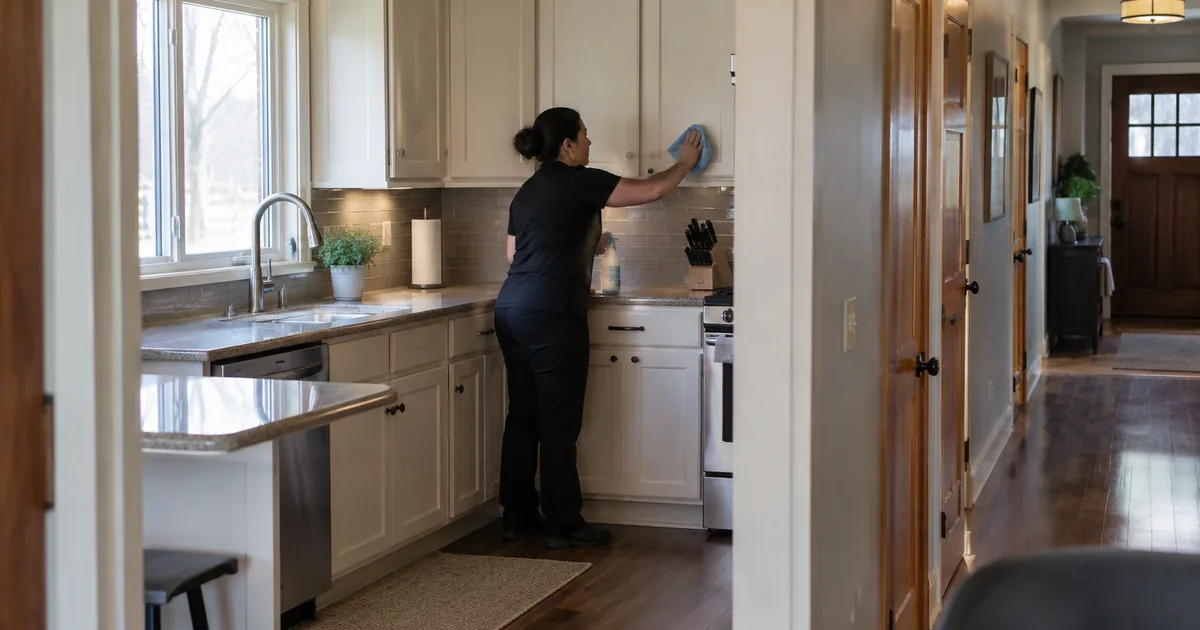
When comparing options for deep cleaning Mehlville homes, start with the rooms that create the most daily friction. A greasy cooking area and bathrooms with visible buildup usually deserve more discussion than a rarely used guest room. For Prime Cleaning MO LLC, your inquiry should explain what needs attention, which surfaces require special care, and whether the home is occupied, empty, or being prepared for a move.
Build a short priority list before requesting a quote. Identify your first-choice kitchen tasks, your most important bathroom concerns, and the remaining rooms you want included. This helps distinguish a focused scope from an assumption that every reachable surface, hidden compartment, and appliance interior is automatically covered.
Useful questions include: Where is buildup concentrated? Are counters crowded? Can cleaners access the shower edges and floor behind the toilet? Are there fragile finishes or existing damage? Those answers make the requested work clearer than simply asking for a thorough clean.
Begin in the Kitchen With Access and Surface Identification
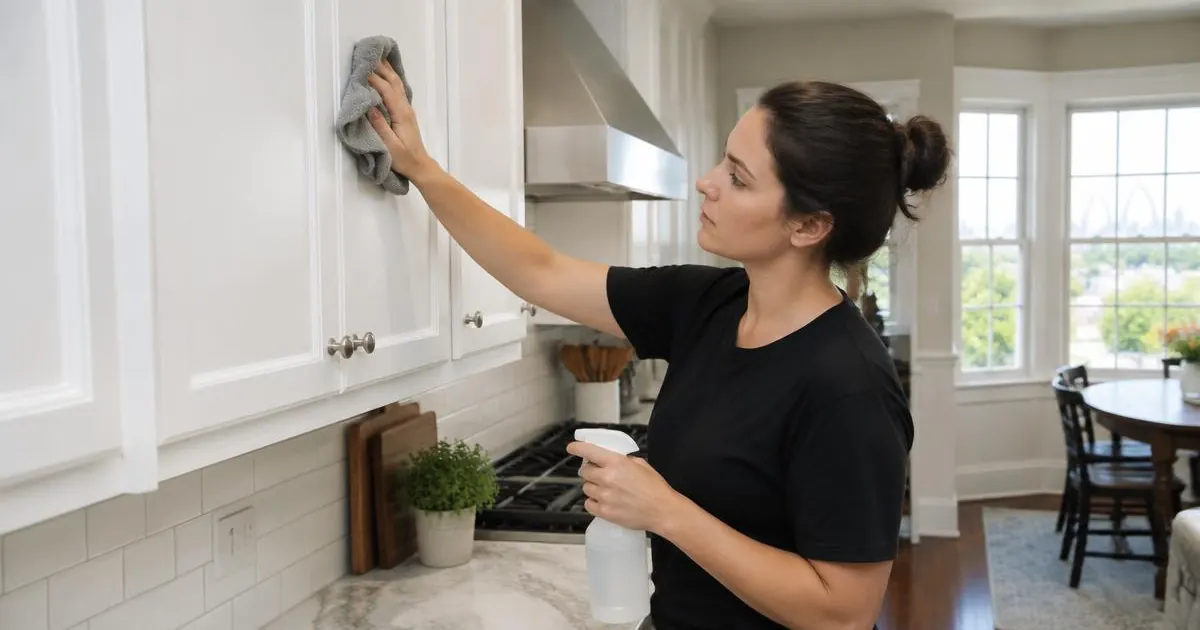
The kitchen is a useful starting point because food residue, cooking grease, and everyday clutter can overlap. Before cleaning begins, put away food, clear the sink, and remove personal items from counters you want addressed. Do not relocate heavy appliances yourself just to expose a difficult area; ask what access is needed and whether moving anything is within scope.
Identify countertop, backsplash, cabinet, and appliance finishes when possible. Sealed stone, painted cabinetry, stainless steel, and coated fixtures may require different products and methods. Manufacturer-safe surface care should guide the approach. Avoid acids on stone, and never mix cleaners. If you have care instructions for an unusual finish, share them rather than relying on a product advertised for many surfaces.
Separate Visible Buildup From Permanent Surface Changes
Point out sticky handles, greasy backsplash areas, and residue around the sink. Also flag scratches, worn coatings, discoloration, or damaged caulk. Cleaning can address removable soil, but it should not be presented as restoration or a promise to reverse permanent changes.
Explore our deep cleaning service and cleaning in Mehlville, MO for property-specific information.
Set the Kitchen Sequence Before Adding Interior Work
A practical kitchen sequence moves from higher accessible surfaces toward counters, cooking-area exteriors, the sink, and finally the floor. Discuss cabinet fronts, appliance exteriors, backsplash edges, and accessible trim individually rather than assuming a universal checklist. Cleaning the floor last helps avoid repeating work after crumbs or residue fall from surfaces above.
For a deep clean, appliance interiors and inside cabinets are optional add-ons. Name each requested interior, such as the oven or refrigerator, and explain its condition. Ask what preparation is needed, whether shelves or drawers must be emptied, and which removable components can be handled according to manufacturer instructions. Do not assume an interior request authorizes appliance disassembly.
Choose Add-Ons Around the Problem You Actually Have
If your counters and stove exterior are the main concern, prioritize those before adding every cabinet interior. If spilled food inside the refrigerator is the problem, request that interior specifically. A cabinet-interior add-on makes more sense when the space can be emptied and its contents kept out of the cleaning area.
Move Into Bathrooms Without Carrying Kitchen Soil Along
After defining kitchen priorities, apply the same clarity to bathrooms: identify buildup, establish access, confirm finishes, and work toward the floor. Keep bathroom tools and cloths separate from those used on food-contact surfaces. The kitchen-to-bathroom sequence is a planning framework, not a reason to carry the same supplies from room to room without appropriate separation.
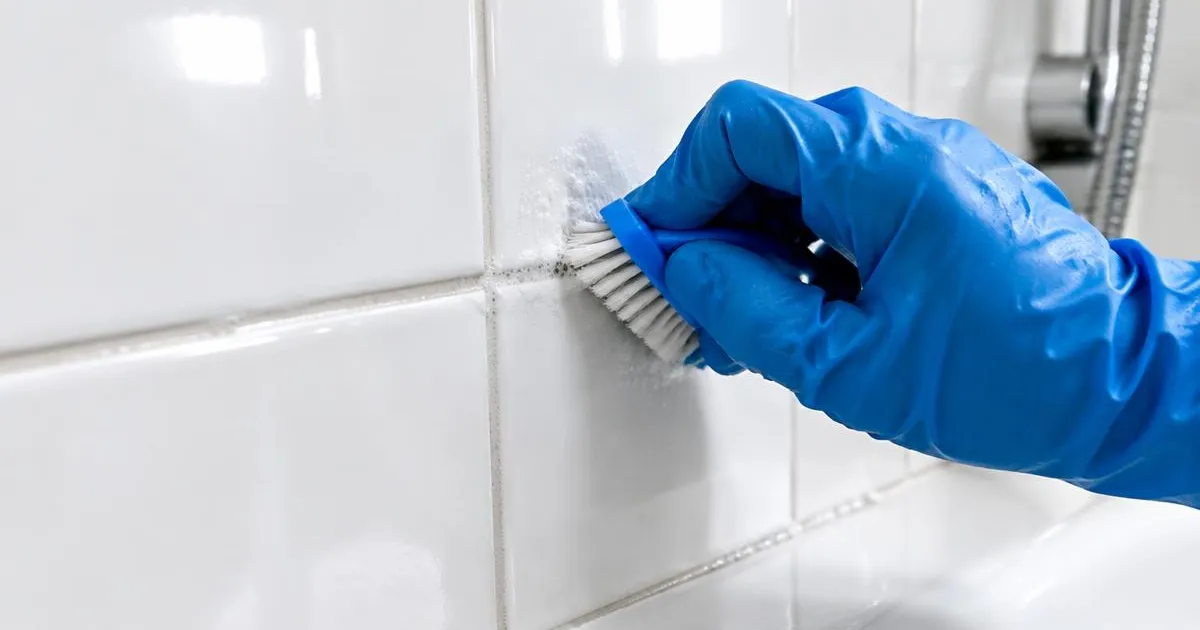
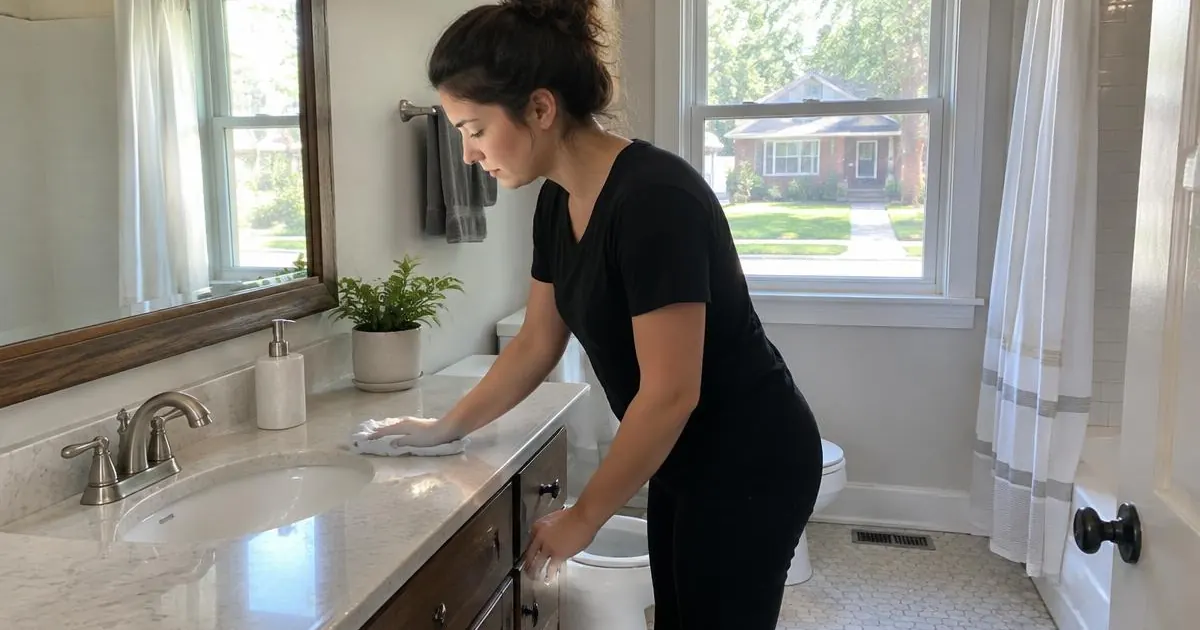
Discuss shower walls, tub edges, fixtures, vanity surfaces, mirrors, the toilet, and accessible floor edges. Ask which areas are included and flag narrow gaps or items that block access. Remove toiletries from surfaces being cleaned, and mention loose fixtures, failing grout, or peeling finishes before work begins.
Soap residue and mineral deposits do not justify using the strongest available cleaner. Product selection must suit the surface. Disinfect only when appropriate, following the product label and allowing the full stated contact time. Cleaning and disinfecting are different steps; neither should become a blanket promise about every bathroom surface or condition.
Extend the Plan to Remaining Rooms and Finishing Details
Once kitchen and bathroom needs are defined, decide how bedrooms, living areas, hallways, and other requested spaces fit into the visit. Ask about accessible baseboards, doors, trim, light switches, dusting, and floor care. Describe furniture density and access restrictions. A room with clear floors presents different access needs from one filled with stored boxes or delicate objects.
Interior windows are optional for all services except Airbnb turnovers. For a deep clean, request them explicitly and clarify whether your request concerns glass only or also tracks and sills. Note screens, window coverings, height, and difficult access so nobody assumes that a window request includes every surrounding component.
Detailing beyond deep cleaning may take more than one day. If you want extensive work on small crevices, numerous decorative pieces, or unusually heavy buildup, describe that separately. Choose the highest-priority areas first and ask whether the extra detailing needs a different scope rather than treating it as an unlimited extension.
Match the Service to Occupancy and Future Maintenance
Service selection changes what should be discussed. Deep cleaning suits a request for more involved cleaning, with appliance interiors and inside cabinets treated as optional add-ons. Move-In/Move-Out includes inside and outside cabinets and appliances. If you are leaving or entering a home, identify that situation early rather than requesting a deep clean and assuming those interiors are included.
Standard/recurring cleaning is available only after an initial deep clean; it is not a one-time or first-time service. The first standard/recurring quote includes that deep clean. Ask how the initial visit differs from later maintenance visits and which optional tasks, if any, you want separately considered.
For example, an occupied household seeking ongoing maintenance should discuss the initial deep clean first. Someone preparing an empty home for occupancy should ask about Move-In/Move-Out. In either case, confirm access, utilities, remaining belongings, and requested extras. These practical details matter more than selecting a service solely by its name.
Keep Commercial Requests Separate From Residential Quotes
A kitchen-and-bathroom priority list can help describe a workplace, but it does not replace an onsite assessment. Commercial/industrial cleaning and commercial post-construction cleaning require a free in-person walkthrough before pricing. Do not use a residential room count or a few photographs as a substitute for that requirement.
When contacting Prime Cleaning MO LLC about these services, provide the business name, approximate square footage, restroom count, preferred date/time window, and onsite contact. Explain whether the site is occupied, operating, or still affected by construction activity. Mention access controls and any known restrictions the walkthrough needs to address.
Use the walkthrough to discuss surfaces, equipment boundaries, debris, and areas that cannot be entered. Hazardous work is never promised. Mold removal and hazardous waste handling should not be assumed to be part of cleaning. If a concern falls outside the agreed service, it needs separate evaluation rather than being folded into an ordinary cleaning request.
Confirm the Scope Before the Cleaning Visit
Turn your priorities into a written summary: kitchen tasks first, bathroom concerns next, remaining rooms, and separately requested add-ons. Ask for confirmation of what is included, what is excluded, and what preparation you must complete. This is especially important for appliance interiors, cabinet interiors, and interior windows, where service type changes expectations.
Share entry instructions, parking or building-access restrictions, pet arrangements, and a contact who can answer questions. Identify any room that must remain untouched. Keep valuables, medications, and paperwork away from the work area, and ask before leaving a product for use on a particular surface.
Before approving the plan, compare it with your original priorities. Does it address the cooking buildup that prompted the inquiry? Are bathroom access issues understood? Are optional interiors clearly identified? A useful scope answers those questions without promising every possible task. Keep the confirmed summary available for discussing any changes before additional work is undertaken.