Deep Cleaning
Deep Cleaning in Oakville: Scope and Add-On Questions
Understand bathroom scale, soap film, and stubborn buildup before booking, then choose the right scope and optional add-ons for your Oakville home.
Define Your Deep Cleaning Oakville Scope Before Booking
When comparing deep cleaning Oakville options, start with the conditions you want addressed rather than assuming every service includes the same tasks. A cloudy shower door, rough faucet deposits, and sticky kitchen cabinet fronts involve different surfaces and cleaning decisions. Prime Cleaning MO LLC can discuss those priorities alongside room access, visible buildup, and optional add-ons so the requested scope is clear before service.
Walk through your home and identify three categories: your highest-priority concerns, other areas you want included, and spaces that should be left alone. Explain whether the home is occupied, mostly empty, or being prepared for a move. Mention delicate finishes, loose fixtures, damaged grout, and areas blocked by belongings. These details help distinguish accessible cleaning work from conditions that may require repair or another specialist.
Ask which bathroom surfaces, kitchen areas, floors, and reachable details the proposed service covers. A useful scope describes your home and its priorities; it should not rely on a supposedly universal checklist.
Describe Bathroom Scale and Buildup Precisely
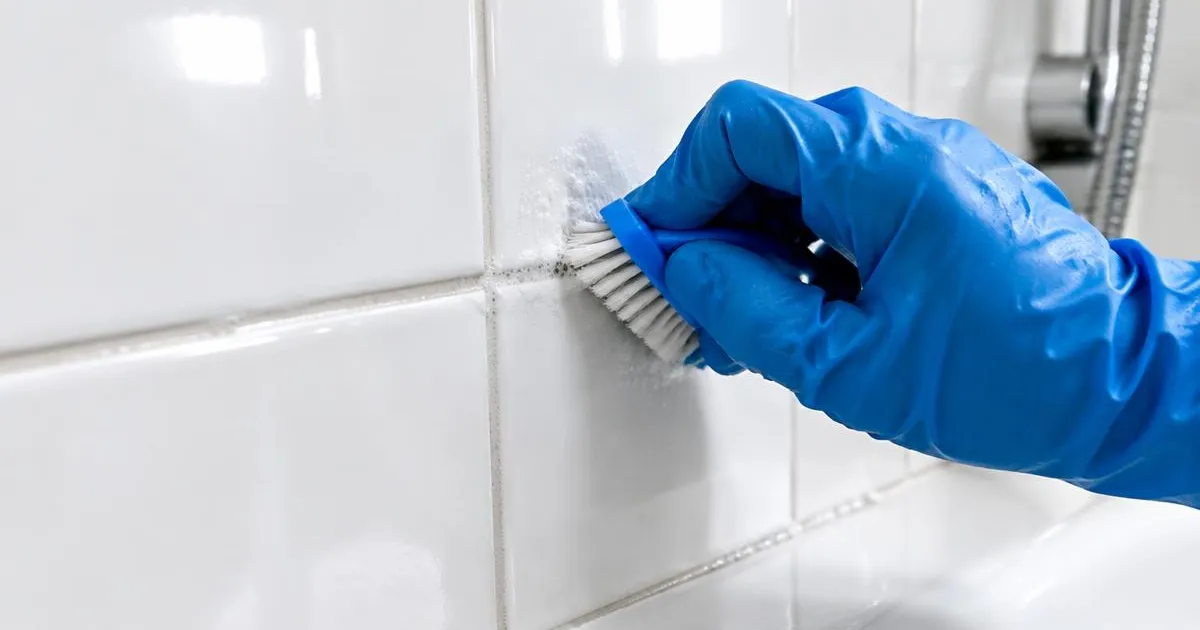
Bathroom buildup is easier to discuss when you describe its texture, location, and behavior. White, chalky material around faucet bases may be mineral deposits. A cloudy or waxy layer on shower walls may include soap residue. Darkened grout, orange discoloration, or a persistent mark cannot be reliably identified from color alone, so avoid treating a photograph as a diagnosis.
Separate Raised Deposits From Surface Changes
Tell the team whether a mark feels raised, looks like a film, or appears embedded in the finish. For example, crust around a showerhead differs from a dull patch on stone. Deposits may respond to appropriate cleaning, while etching, worn coatings, corrosion, and permanent staining may remain. Describe the condition without assuming that stronger scrubbing will solve it.
Point Out Places Where Buildup Collects
Check the faucet base, shower-door track, tile edges, tub waterline, and the area behind the toilet. Note whether deposits are isolated or spread across several surfaces. Ask how accessible buildup will be approached and which areas need closer assessment. Do not request fixture disassembly or concealed-area cleaning without first confirming what is feasible.
Explore our deep cleaning service and cleaning in Oakville, MO for property-specific information.
Make Surface Safety Part of the Bathroom Conversation
Identify bathroom materials before choosing a cleaning approach. Marble, limestone, glass, glazed tile, acrylic, and plated fixtures do not tolerate identical products or tools. Share manufacturer instructions when available, especially for coated shower glass and specialty hardware. If a material is uncertain, ask for a cautious assessment rather than an aggressive attempt to remove every visible mark.
Manufacturer-safe surface care matters more than making a deposit disappear at any cost. Avoid acids on stone, and do not assume a product intended for ceramic tile is appropriate for adjacent metal trim. Abrasive pads can also damage some finishes. Cleaning products must never be mixed; tell the team if you recently applied a product and whether any residue remains.
Disinfection is a separate decision from removing soap film or mineral deposits. Use it only when appropriate for the surface and situation, following the product label, including its full contact time. Ask what improvement is reasonable where scale sits beside damaged grout or failing caulk; cleaning does not repair those materials.
Choose Appliance, Cabinet, and Window Add-Ons Deliberately
For a deep clean, appliance interiors and inside cabinets are optional add-ons, not automatic inclusions. Request them explicitly and identify the appliances or cabinet areas involved. An oven interior with baked-on residue presents a different task from wiping an empty refrigerator compartment. Ask about preparation, accessible components, and any manufacturer restrictions before including the work.
For cabinets, specify whether you mean kitchen storage, bathroom vanities, or both. Explain whether shelves will be emptied and who will remove and replace contents. For a refrigerator interior, clarify arrangements for food and removable shelves. Do not assume the team will move heavy appliances, disconnect equipment, or handle stored belongings without prior agreement.
Interior windows are optional for all services except Airbnb turnovers. If you want them added to a deep clean, identify the rooms and ask whether the proposed window scope addresses glass only or other accessible components. Mention height, furniture obstructions, and damaged screens or hardware rather than assuming every window can be reached safely.
Select Deep Cleaning, Move Cleaning, or Recurring Service
Choose the service around the purpose of the visit, not just how dirty the home looks. A deep clean can suit an occupied home needing more attention to accumulated residue and detailed areas, with appliance interiors and cabinet interiors added if requested. Move-In/Move-Out cleaning includes inside and outside cabinets and appliances. That inclusion matters when comparing scopes for an empty property.
For example, if you are staying in your home and mainly want bathroom scale and kitchen buildup addressed, discuss a deep clean and only the interior add-ons you need. If you are handing over an emptied home, discuss Move-In/Move-Out service instead of assuming its inclusions match a regular deep clean.
Standard/recurring service is available only after an initial deep clean. It is not a one-time or first-time service, and the first standard/recurring quote includes that initial deep clean. When requesting ongoing cleaning, explain both the current buildup and the maintenance priorities you want addressed afterward so the starting scope is not overlooked.
Prepare Access and Set Practical Detail Priorities
Preparation should make agreed surfaces accessible without requiring you to perform the deep clean yourself. Remove personal items from bathroom counters, shower ledges, and tub edges where possible. Secure medications, jewelry, and fragile belongings. Explain any doors that must remain closed and how pets will be kept clear of the work areas.
Choose priorities that reflect how you use the home. If the shower has heavy deposits but a guest bathroom is lightly used, say which result matters most. If a cabinet-interior add-on is requested but the shelves remain full, settle the contents-handling question before arrival. Access can affect what is practical, even when the requested task sounds straightforward.
Detailing beyond a deep clean may take more than one day. If you want unusually intensive attention to accumulated buildup or intricate features, request a separate discussion of that work rather than assuming it fits within the same visit. Ask how additional findings will be communicated before the scope changes.
Use a Walkthrough for Business or Construction-Related Requests
Do not treat an Oakville business space as a residential deep clean simply because it contains bathrooms and a kitchenette. Commercial/industrial cleaning and commercial post-construction cleaning require a free in-person walkthrough before pricing. Access, surface conditions, operational restrictions, and the nature of remaining debris need assessment rather than assumptions based on square footage alone.
When making that request, provide the business name, approximate square footage, restroom count, preferred date/time window, and onsite contact. Explain whether the premises will be operating during the proposed work and identify any restricted areas. For post-construction requests, describe the remaining dust or residue without assuming all materials are ordinary household soil.
Hazardous work is never promised. Flag unknown substances, exposed sharps, suspected contamination, or unsafe building conditions before scheduling. A walkthrough supports a scope decision; it is not a commitment to handle every condition found onsite. Ask which areas can be considered and which concerns require a different provider.
Confirm the Scope With Questions That Prevent Surprises
Before approving your Oakville request with Prime Cleaning MO LLC, review it room by room. Ask: Which bathroom deposits are priorities? Are any marks likely to be surface damage rather than removable residue? Which materials need special care? Are appliance interiors, cabinet interiors, and interior windows included by request, or excluded from this deep clean?
Then confirm the practical details: Who empties storage areas? What needs to be moved for access? Are there fragile fixtures or recently applied products to flag? If inspection reveals a condition outside the agreed scope, how will it be discussed? These questions turn a broad request for a thorough clean into a more useful plan.
Keep a short list of the agreed priorities for your final review. Compare the work with that scope, while distinguishing remaining buildup from wear or damage. Clear expectations allow you to discuss specific surfaces and concerns without treating cleaning as restoration.