Deep Cleaning
Deep Cleaning in O’Fallon: Scope and Add-On Questions
A useful deep-cleaning quote starts with the source of the mess. Learn how to describe household buildup, flag renovation dust, and choose optional interior cleaning.
Deep cleaning O’Fallon: Start With the Source
When requesting deep cleaning O’Fallon service, describe what created the mess before listing rooms. Kitchen grease, shower residue, tracked-in dirt and settled household dust suggest a different cleaning scope from fine powder left by sanding, drywall work or flooring installation. Both can make a home look dusty, but they require different questions about surfaces, access and safe removal.
This guide from the Prime Cleaning MO Team explains how to prepare a useful request for Prime Cleaning MO LLC. Begin with three facts: whether the home is occupied, whether any renovation occurred, and which areas need the most attention. Mention active work, damaged finishes or unfamiliar residue rather than assuming everything belongs in an ordinary deep clean.
For example, an occupied kitchen with greasy cabinet fronts is a household-buildup discussion. The same kitchen after cabinet sanding needs a construction-dust discussion, even if only one room was renovated. Identifying that difference helps establish the right scope before pricing or scheduling decisions.
Distinguish Household Buildup From Construction Dust
Appearance alone cannot reliably identify dust. Explain its source, where it settles and whether it returns after wiping. Photographs can show distribution, but they cannot establish whether an unknown material is safe to disturb. Disclose older materials, demolition and any contractor warnings before requesting removal.
Clues That Point to Household Buildup
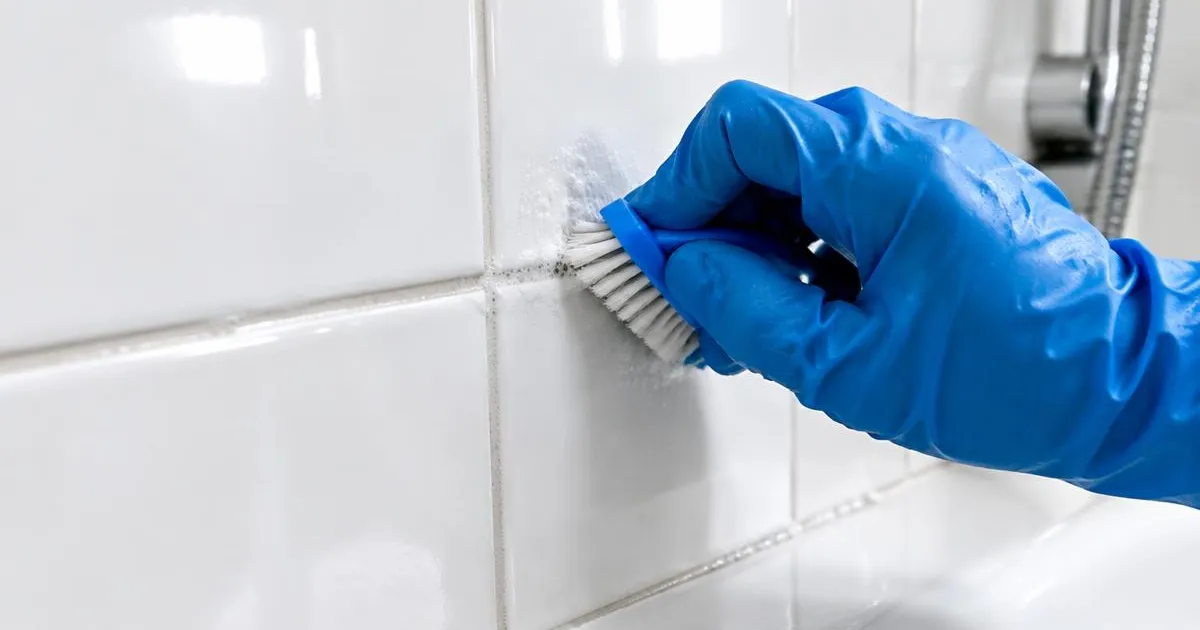
Household buildup often varies by location: sticky residue near cooking areas, soap film around bathing fixtures and lint along accessible edges. Describe texture and severity without testing unfamiliar residue by touch. Ask which affected surfaces are included and whether belongings must be moved first. A heavily used bathroom may need focused attention without turning the entire request into post-construction cleaning.
Clues That Require Construction Questions
Fine powder across several rooms after sanding, dust inside empty drawers or residue around newly installed fixtures should be disclosed as renovation-related. Ask whether the project is finished, whether the contractor has removed debris and whether materials have special cleaning instructions. Suspected hazardous dust requires assessment before cleaning; ordinary cleaning is not a substitute for specialized hazard evaluation or remediation.
Explore our deep cleaning service and cleaning in O'Fallon, MO for property-specific information.
Define the Deep-Clean Scope by Surface and Access
A useful scope names surfaces rather than promising that every possible task is included. Walk through each room and note accessible baseboards, doors, trim, fixture surfaces and other areas of concern. Ask Prime Cleaning MO LLC to confirm what will be addressed, what requires an add-on and what cannot be reached safely. Room names alone leave too much open to interpretation.
Access can change the work substantially. A counter covered with small appliances offers less cleaning access than a cleared counter. Shelves packed with collectibles require different handling decisions from empty shelves. Decide whether you will clear those areas, leave selected belongings in place or ask about handling arrangements before the visit.
Separate cleaning needs from damage. Scratched flooring, worn grout, etched stone and peeling coatings may remain visibly imperfect after soil is removed. Explain any known defects and point out delicate finishes. Deep cleaning should be scoped around removable buildup, not described as restoration or a promise to reverse wear.
Choose Interior Add-Ons Before the Quote Is Finalized
For deep cleaning, appliance interiors and inside cabinets are optional add-ons. Do not assume an oven, refrigerator or every cupboard interior is included because the kitchen is being cleaned. Name each requested interior and explain its condition. Ask whether it must be emptied, cooled, defrosted or otherwise prepared, following the appliance manufacturer’s instructions.
Interior windows are also optional for eligible services, but they are not offered as an option for Airbnb turnovers. If requesting them with deep cleaning, clarify the glass involved, accessibility and whether tracks, frames or screens are part of the proposed work. Avoid using “windows” as shorthand for several separate tasks.
Consider a practical choice: if cabinet interiors are orderly but the oven has substantial baked-on residue, request the oven interior rather than adding every interior task indiscriminately. If renovation dust reached cupboards, disclose that source before choosing cabinet cleaning. The add-on decision and the dust assessment need to happen together, not as surprises during the visit.
Match Deep Cleaning, Recurring Care or Moving Service
Choose the service around occupancy and purpose, not just how dirty the property looks. Standard or recurring cleaning is available only after an initial deep clean; it is not a first-time or one-time cleaning option. The first standard or recurring quote includes that initial deep clean. Ask for the quote to distinguish the starting scope from the ongoing maintenance scope.
Move-In/Move-Out cleaning includes inside and outside cabinets and appliances. That differs from deep cleaning, where those interiors are optional add-ons. Tell the team whether the property will be empty and whether food, shelf liners or belongings will remain. Inclusion does not remove the need to discuss access and preparation.
For example, someone staying in their home and seeking ongoing upkeep would discuss an initial deep clean followed by recurring service. Someone handing over an empty residence would discuss Move-In/Move-Out cleaning. Either person should still disclose recent construction: a service label does not explain the source or potential risks of leftover dust.
Handle Construction-Related Requests Without Guesswork
For residential renovation dust, provide the work area, materials disturbed, project status and any instructions supplied by the contractor. Note whether dust spread into adjacent rooms or stored belongings. Do not assume vent interiors, ductwork, paint removal or adhesive removal are included. Each raises separate access, material or specialist-service questions.
Commercial/industrial cleaning and commercial post-construction cleaning require a free in-person walkthrough before pricing. Prepare the business name, approximate square footage, restroom count, requested date/time window and onsite contact. Also explain occupancy, contractor access and areas that cannot be entered. These details support the walkthrough rather than replacing it with a remote estimate.
Flag unknown chemicals, sharp debris or suspected hazardous materials before anyone begins. Hazardous work is never promised. If contractors are still generating dust, discuss that openly because cleaning cannot prevent new residue from settling. Detailing beyond deep cleaning may take more than one day; ask how expanded work would be assessed rather than expecting every condition to fit a single visit.
Set Safe Surface-Care and Preparation Expectations
Share manufacturer care instructions for stone, coated fixtures, specialty flooring and new appliances whenever available. Manufacturer-safe surface care matters more than using the strongest product. Avoid acids on stone, never mix cleaners, and identify any product already applied to a problem area. An unknown chemical residue deserves caution, not another product layered over it.
Cleaning and disinfection are different decisions. Disinfect only when appropriate for the surface and purpose, using a suitable labeled product and its full label contact time. Ask about specific concerns instead of requesting blanket disinfection of every material. Some finishes need a gentler cleaning approach rather than a disinfectant.
Before arrival, secure pets, set aside valuables and clear agreed working areas. Leave instructions for fragile items or surfaces that should not be touched. For construction-related residue, ask before sweeping or vacuuming unfamiliar dust; disturbing it may spread the material. Preparation should improve safe access, not require you to investigate or handle a potential hazard yourself.
Turn Your Observations Into a Clear Cleaning Request
Build your request in a short sequence: identify the service purpose, describe the source of the soil, list priority rooms and name optional interiors. Add access restrictions and photographs where useful. Finish by asking what is included, what is excluded and what information is still needed. This gives Prime Cleaning MO LLC a clearer starting point than “please clean everything.”
For an occupied home, a useful description might explain that cooking residue and bathroom buildup are the priorities, with an oven-interior add-on requested and no recent renovation. For a home after flooring work, explain when the work stopped, where dust traveled and whether the contractor identified the materials involved.
Before approving the scope, confirm preparation responsibilities and how newly discovered conditions will be discussed. Ask whether any requested detailing extends beyond deep cleaning. A written understanding of surfaces, interiors and exclusions makes it easier to compare the proposed work with your actual priorities without assuming universal coverage.