Deep Cleaning
Deep Cleaning in Rock Hill: Scope and Add-On Questions
A useful deep-clean quote separates appliance exteriors from interiors and identifies optional work before the visit. Here is what to ask and how to prepare.
Start Your Deep Cleaning Rock Hill Request With Clear Priorities
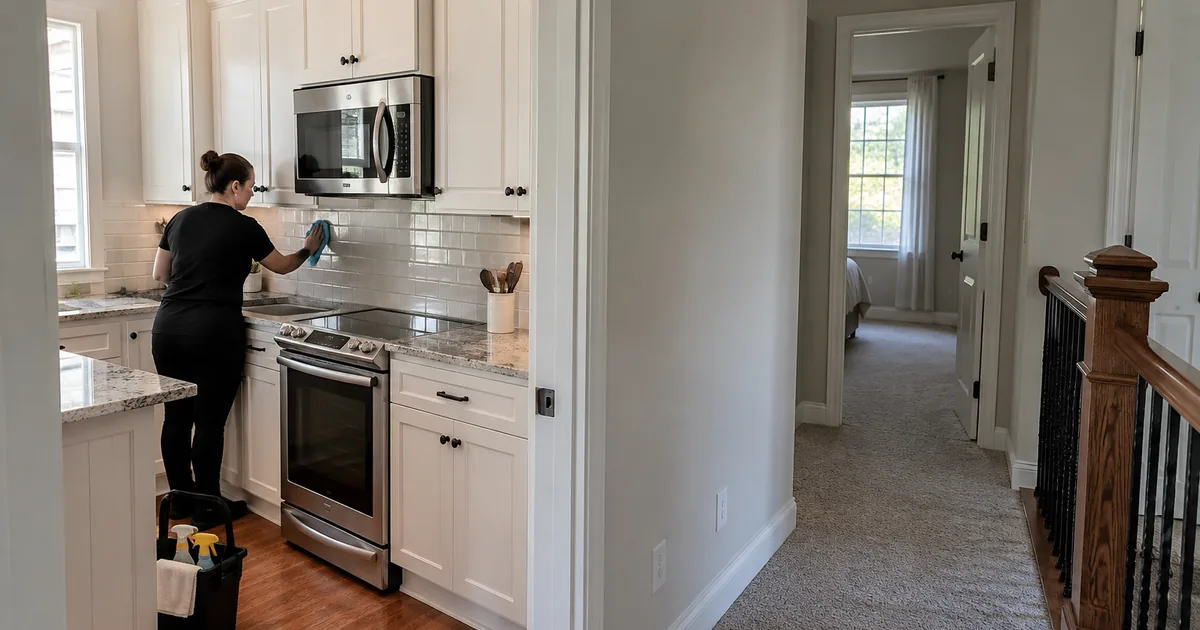
When comparing deep cleaning Rock Hill options, start with what needs attention rather than assuming that “deep” means every surface and compartment. A refrigerator door, its shelves, and the floor beneath it are three different tasks. For Prime Cleaning MO LLC, appliance interiors and inside cabinets are optional deep-clean add-ons. Identifying them individually helps make the requested scope clear before a quote is prepared.
Walk through your home and write down your three highest priorities. These might be greasy cooking surfaces, bathroom buildup, or dust along accessible edges. Then separate ordinary access from work involving stored belongings, heavy appliances, or delicate finishes. Ask what is included, what needs an add-on, and what cannot be safely accessed. If your request involves detailing beyond a deep clean, allow for the possibility that it may take more than one day. Do not assume every requested task can fit into a single visit.
Use the Room, Item, Surface Method
Describe each request as a room, an item, and a surface: “kitchen, refrigerator, interior shelves” is more useful than “extra kitchen cleaning.” Use the same method throughout your list.
Clarify the Refrigerator and Freezer Separately
For a refrigerator, ask whether the quoted work addresses exterior doors, handles, edges, or other accessible surfaces. Then request interior cleaning separately if wanted. Identify shelves, drawers, door bins, and the condition of seals without assuming every part can be removed. Mention spills or stuck residue so the discussion reflects the actual appliance rather than a generic kitchen description.
For the interior add-on, agree on who removes food, where temperature-sensitive items will go, and whether drawers or shelves can be safely taken out. Avoid scheduling around a full grocery delivery unless you have a workable storage plan. Never assume a cleaner will decide which food to discard. Keep disposal decisions with you and identify any items that must remain untouched.
Treat the freezer as its own question. State whether it is a refrigerator compartment or a separate unit, and describe ice accumulation if present. Ask whether defrosting is needed and who would handle it according to the manufacturer’s instructions. Access behind or beneath either appliance requires separate discussion; do not assume heavy units will be moved.
Explore our deep cleaning service and cleaning in Rock Hill, MO for property-specific information.
Separate the Oven, Cooktop, and Range Hood
An oven interior is an optional add-on for a deep clean, even when the surrounding cooking area is a priority. Specify whether you mean the oven cavity, racks, interior door glass, or an accessible lower drawer. Describe baked-on residue and provide the model or care instructions when available. Ask which requested components can be addressed safely rather than treating “clean the oven” as a complete specification.
Identify the cooktop separately: glass, enamel, stainless steel, and other finishes need different care. Note removable grates or burner caps, but do not assume disassembly is included. Controls and electrical components should receive care consistent with manufacturer guidance. Do not run a self-cleaning cycle simply to prepare for the appointment without checking the appliance instructions and discussing your plan.
Ask About the Hood and Filter
A hood’s visible exterior is not the same task as its underside or removable filter. Ask about each area individually. If a filter requires replacement rather than cleaning, that is a separate maintenance decision. Internal ductwork should not be assumed part of kitchen cleaning.
Name the Microwave, Dishwasher, and Smaller Appliances
Microwave requests should distinguish the exterior, interior cavity, turntable, and accessible door edges. Interior cleaning is an optional deep-clean add-on. If it is an over-the-range model, clarify whether the underside belongs in the requested scope; its location does not automatically make it part of an oven or hood request. Mention loose or damaged components before any handling.
For a dishwasher, separate the exterior panel from the interior, racks, accessible seals, and filter. Ask what is feasible under the manufacturer’s instructions. Cleaning should not be confused with repairing drainage issues or diagnosing an appliance fault. If standing water or a malfunction is present, disclose it before requesting interior work.
List countertop appliances by name instead of writing “all appliances.” A toaster oven, coffee maker, and air fryer have different removable parts and care requirements. Confirm whether each is accepted, which surfaces are included, and who empties it. Never assume internal mechanisms, descaling, or dismantling are included. Leaving an appliance unplugged does not by itself make every internal area safe to clean.
Define Cabinet Interiors and Other Optional Work
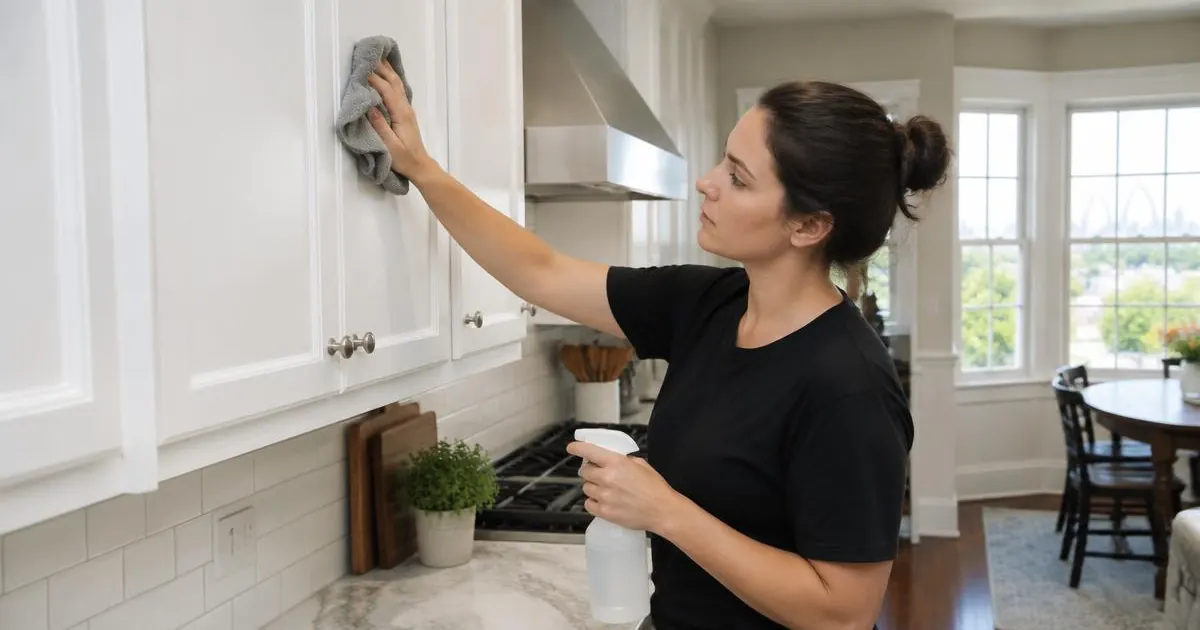
Inside cabinets are optional add-ons to a deep clean. Identify the particular cabinets or drawers you want addressed, including pantry shelving if relevant. Clarify whether your request covers empty interior surfaces only or involves removing and replacing belongings. Do not assume organizing, sorting, or deciding what to discard is part of cleaning.
For example, if cooking oil leaked in one lower cabinet, request that cabinet’s interior rather than using the vague phrase “deep-clean all kitchen storage.” If you want every cabinet interior addressed, say so and discuss emptying arrangements. Mention peeling finishes, swollen material, or loose shelf supports, because cleaning cannot correct physical damage.
Interior windows are also optional across services except Airbnb turnovers; do not add them to an Airbnb turnover request. For an eligible service, identify the windows you mean and ask about glass, tracks, sills, and safe access separately. A request for interior glass should not silently expand into exterior windows or difficult-to-reach areas. Confirm the agreed boundaries before clearing furniture or removing window coverings.
Choose the Service That Matches the Property’s Use
A deep clean and a move-in/move-out clean should not be treated as interchangeable labels. Move-In/Move-Out cleaning includes inside and outside cabinets and appliances. For a deep clean, the interiors are optional add-ons. If you are leaving a home or preparing an empty property, describe that situation before choosing the service so the scope reflects the transition.
Standard/recurring cleaning is available only after an initial deep clean. It is not a one-time or first-time service. The first standard/recurring quote includes that initial deep clean. If your goal is ongoing maintenance, explain both the starting condition and the areas you want maintained, while identifying any optional interior work requested for the initial visit.
For a decision example, an occupied kitchen needing periodic upkeep may call for an initial deep clean followed by recurring service. An empty home between occupants points toward Move-In/Move-Out. A heavily detailed request may need more than one day; selecting a service name does not establish a completion schedule.
Agree on Access and Manufacturer-Safe Surface Care
Before the visit, identify stone counters, specialty coatings, unfinished materials, and any surface with specific care instructions. Manufacturer-safe methods matter more than using the strongest available product. Avoid acids on stone, never mix cleaners, and use disinfectants only when appropriate. When disinfection is appropriate, the full label contact time must be observed; a quick wipe is not a substitute.
Clear agreed work areas and explain any access restrictions, fragile items, or damaged surfaces. Ask whether you should remove countertop belongings and empty selected cabinets beforehand. Keep pets and household traffic away from active work areas. A short preparation list tailored to the agreed scope is more useful than emptying your entire kitchen unnecessarily.
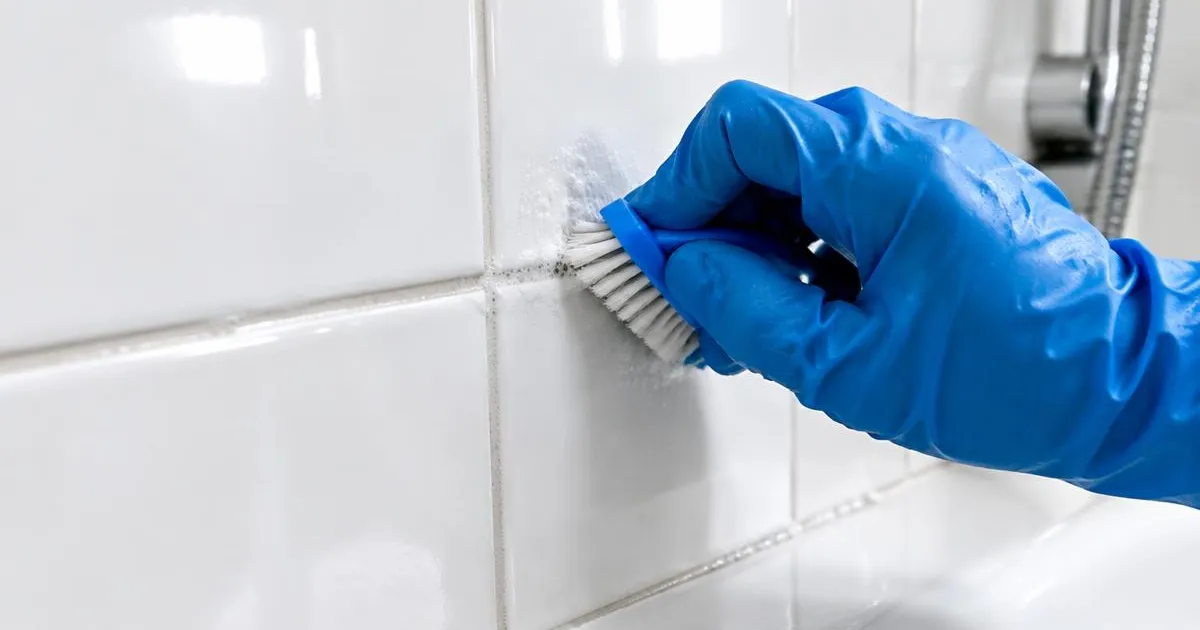
Discuss expectations for worn grout, etched stone, scratched stainless steel, and damaged finishes. Cleaning may address removable soil, but it is not restoration. If you notice suspected mold or potentially hazardous material, disclose it before service; do not assume mold removal or hazardous waste handling is offered.
Send a Quote Request That Can Be Answered Clearly
Send Prime Cleaning MO LLC your Rock Hill service address, the service you are considering, property details, and your priority list. Include appliance names and distinguish exterior from interior requests for each. Note cabinet interiors, eligible interior-window requests, access limits, and visible condition concerns. Photos may help explain a residential request, but they should support—not replace—clear scope questions.
Ask for confirmation of included work, optional add-ons, preparation responsibilities, and exclusions. Review those points before accepting the quote. If priorities change, communicate the changes rather than assuming additional tasks can be absorbed into the original scope.
Commercial/industrial cleaning and commercial post-construction cleaning require a free in-person walkthrough before pricing. Provide the business name, approximate square footage, restroom count, preferred date/time window, and onsite contact. A photo-only discussion does not replace that walkthrough. Describe site conditions and any safety concerns without assuming hazardous work will be accepted or promised.