Deep Cleaning
Deep Cleaning in St. Peters: Scope and Add-On Questions
A useful deep-cleaning plan starts with deciding what stays, what moves, and which surfaces need access. Use these room-by-room questions to clarify your scope.
Deep cleaning St. Peters: start with access and priorities
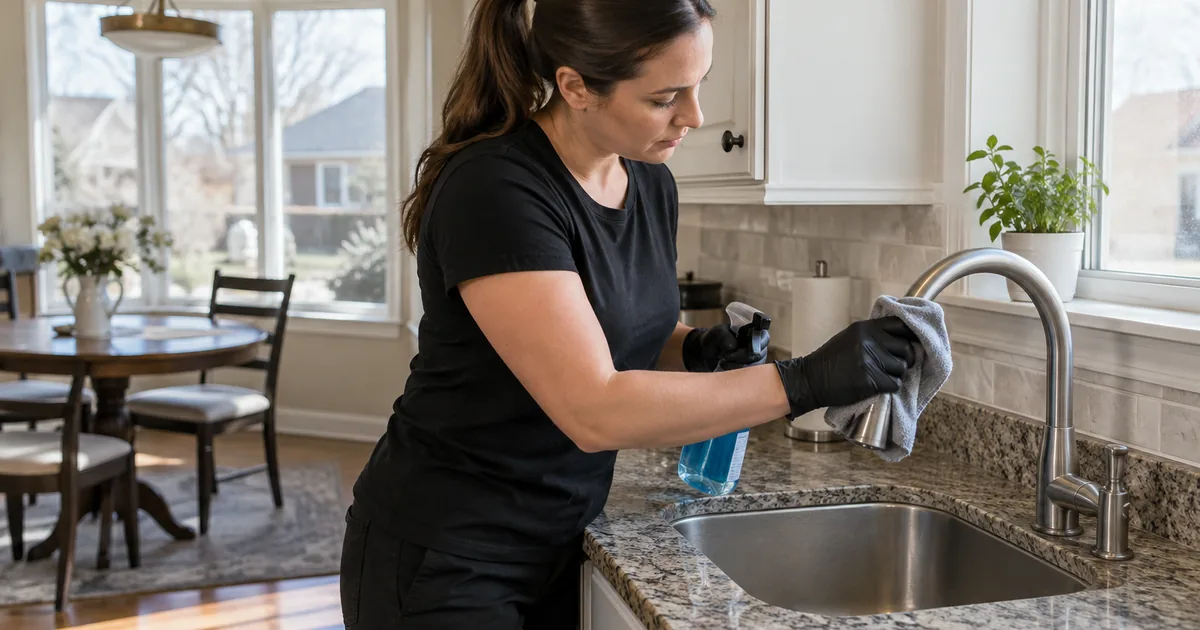
A search for deep cleaning St. Peters should lead to more than a list of surfaces. Before requesting a quote from Prime Cleaning MO LLC, decide which rooms need attention, what blocks access, and which belongings should remain untouched. A useful scope connects your priorities with the home's actual condition rather than assuming every room needs identical work.
Start with a walkthrough of your own. Note buildup, crowded surfaces, delicate finishes, and areas you cannot safely reach. Separate cleaning requests from organizing decisions: cleaning a dresser top is different from sorting its drawers. Tell the team whether the home is occupied, being prepared for guests, or changing occupants, because those situations can call for different service scopes.
Choose three priorities, such as kitchen grease, bathroom buildup, and dusty bedroom surfaces. Then identify anything excluded, including private rooms or fragile displays. Photos can help explain access, but ask whether an assessment is needed for unusual conditions. Detail work beyond a deep clean may take more than one day.
Stage clutter without simply moving it to another room
Use a room-by-room staging plan instead of piling everything onto a bed or kitchen counter. Each pile can block a surface you wanted cleaned. Establish a temporary holding area outside the agreed cleaning path, and keep doorways, stairs, and exits clear. Small labeled containers make belongings easier to return afterward.
Create four categories: stays in place, temporarily relocated, owner decision needed, and do not touch. Put medication, jewelry, documents, keys, and small valuables under your own control. A cleaner should not have to decide whether a loose receipt is trash or whether an unfamiliar device can be unplugged.
Choose between clearing a surface and excluding it
If you can empty a crowded desk, request attention to the exposed surface. If sorting it would disrupt important paperwork, exclude the desktop and discuss accessible surrounding areas instead. Ask how limited access affects the proposed work. This makes the decision explicit without pressuring you to discard belongings or expecting the team to organize them.
Explore our deep cleaning service and cleaning in St. Peters, MO for property-specific information.
Kitchen decisions: counters first, interiors by request
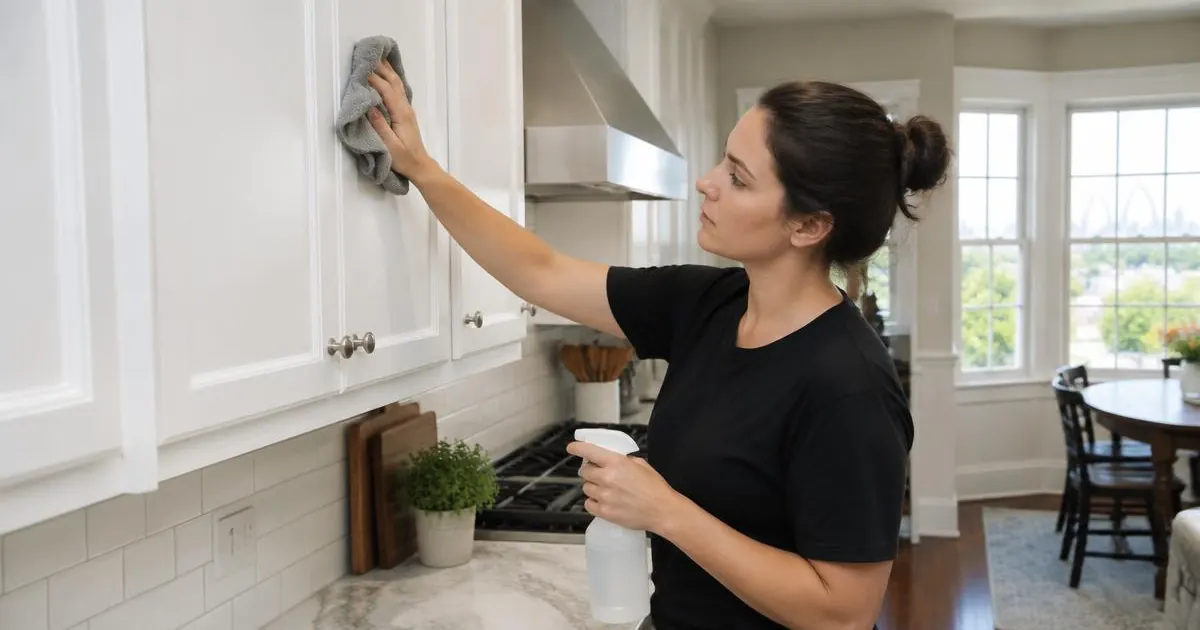
Divide the kitchen into exposed surfaces, food-storage areas, and appliance interiors. Remove food, dishes, mail, and countertop collections from areas you want cleaned. Decide which small appliances you will relocate safely and which should stay. Identify stone counters, specialty finishes, or damaged seals so surface care can follow manufacturer guidance.
For a deep clean, appliance interiors and inside cabinets are optional add-ons, not automatic inclusions. Ask separately about the oven, refrigerator, and specific cabinets. Explain whether each interior will be emptied and whether shelves or removable parts need attention. Do not assume a request to clean the kitchen includes every compartment.
Match the add-on to the actual problem
If cabinet shelves are tidy but cooking residue is your concern, prioritize accessible exterior surfaces and clarify that scope. If a refrigerator spill is the issue, request that interior as an add-on and plan safe food storage while it is unavailable. Ask about required preparation before disconnecting anything or starting an appliance cleaning cycle.
Bathrooms: clear products and identify sensitive surfaces
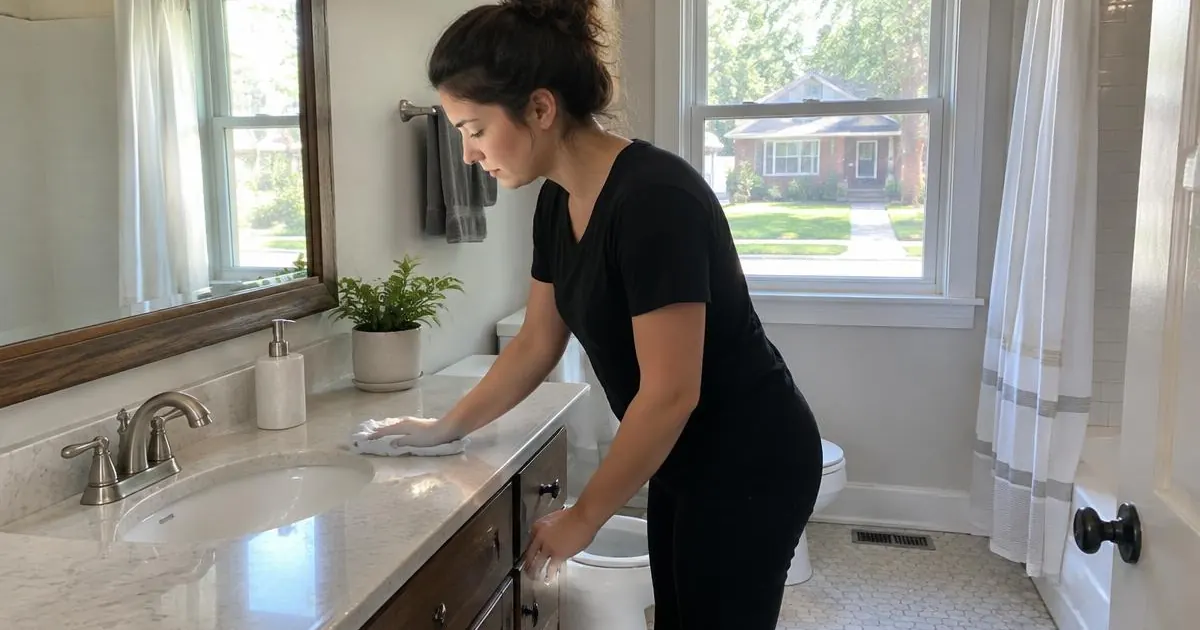
Bathroom clutter often hides the areas that need attention. Move toothbrushes, cosmetics, razors, bath toys, and loose toiletries into a container for each person. Empty only the shelves or storage areas included in your agreed scope. Keep essential items together so the bathroom remains usable without immediately rebuilding clutter.
Point out natural stone, specialty metal finishes, worn grout, loose caulk, or peeling coatings. Ask which surfaces can be addressed safely and which need repair rather than additional scrubbing. Cleaning should not be presented as restoration, mold removal, or a remedy for moisture problems. Report persistent dampness or recurring discoloration before work is planned.
Surface care should follow manufacturer instructions. Never mix cleaners, and avoid acids on stone. Disinfect only when appropriate, using a suitable product and its full label contact time. If you have a particular hygiene concern, describe the situation rather than asking for stronger chemicals everywhere; the surface, product directions, and intended use should guide the approach.
Bedrooms and living areas: protect decisions, expose surfaces
In bedrooms, decide what happens to clothing, bedside items, under-bed storage, and display pieces before the visit. Put laundry in a designated container rather than on furniture that needs cleaning. Secure personal papers and explain whether decorative objects may be moved. Do not assume heavy furniture will be shifted; ask about safe access and movement limits.
For living spaces, group remote controls, chargers, toys, and hobby materials without disconnecting equipment unnecessarily. Identify unstable shelves, delicate collectibles, and furniture finishes requiring special care. If a bookcase is packed tightly, choose whether to clear selected shelves or limit the request to accessible areas. Whole-room access is not the same as permission to handle every object.
For example, a family preparing for visitors might prioritize exposed seating areas and floors while excluding a crowded craft desk. A bedroom with accessible surfaces but blocked floor edges needs a different plan. Describe both the desired result and the belongings that must stay in place.
Choose the service category before comparing quotes
Deep cleaning, recurring maintenance, and move-related cleaning have different boundaries. With Prime Cleaning MO LLC, standard or recurring service is available only after an initial deep clean. It is not a one-time or first-time service. The first standard or recurring quote includes that initial deep clean, so compare the starting scope separately from later maintenance.
Move-In/Move-Out cleaning includes inside and outside cabinets and appliances. That differs from a deep clean, where appliance interiors and inside cabinets are optional add-ons. Explain whether the property will be empty and whether stored items could prevent access to those interiors. An occupied home preparing for a move still needs a clear staging plan.
Interior windows are optional for all services except Airbnb turnovers. Identify the rooms and window surfaces you want discussed rather than assuming glass work is included. For an Airbnb turnover request, confirm the turnover scope directly rather than carrying over the interior-window option from another service. Ask how access restrictions affect any requested add-on.
Turn your walkthrough notes into clear scope questions
Send a concise room list with your priorities, access limits, surface concerns, and requested add-ons. Useful questions include: Which tasks are included in each room? What must I empty? Are appliance interiors listed separately? Which items will remain untouched? How will work beyond the agreed scope be discussed? Ask for exclusions as well as inclusions.
Be specific about buildup without diagnosing it. Describe greasy cabinet fronts, residue on shower glass, or dust along exposed trim. Mention pets, parking or entry instructions, and spaces that must remain available. If detailing beyond deep cleaning is requested, discuss whether it may take more than one day rather than assuming everything fits into one visit.
For commercial, industrial, or commercial post-construction requests, a free in-person walkthrough is required before pricing. Provide the business name, approximate square footage, restroom count, preferred date/time window, and onsite contact. Residential assumptions should not be carried over to business sites, and hazardous work must never be promised.
Finish with a practical day-of access check
Before the visit, walk the agreed route through the home. Confirm that staged containers do not block floors, doors, or requested surfaces. Check that refrigerator contents or cabinet items have been handled according to the preparation discussed. Keep pets secure and make entry arrangements clear without leaving sensitive access information publicly visible.
Point out any change since the quote: another room requested, belongings returned to counters, an appliance now unavailable, or newly noticed surface damage. Ask how changes affect scope before work begins. Keep your priority list available so any access problem can be resolved through a clear choice rather than an assumption.
Afterward, review the agreed areas and raise specific questions about anything that appears missed. Distinguish inaccessible surfaces, excluded tasks, and requested add-ons from the main scope. Return belongings selectively so cleaned surfaces remain practical to maintain. The goal is a clear, workable cleaning plan—not a claim that every possible task is universally included.