Deep Cleaning
Deep Cleaning in University City: Scope and Add-On Questions
Older interiors need thoughtful cleaning, not restoration promises. Learn how to define priorities, choose add-ons, and request the right cleaning scope.
Planning deep cleaning University City around older interiors
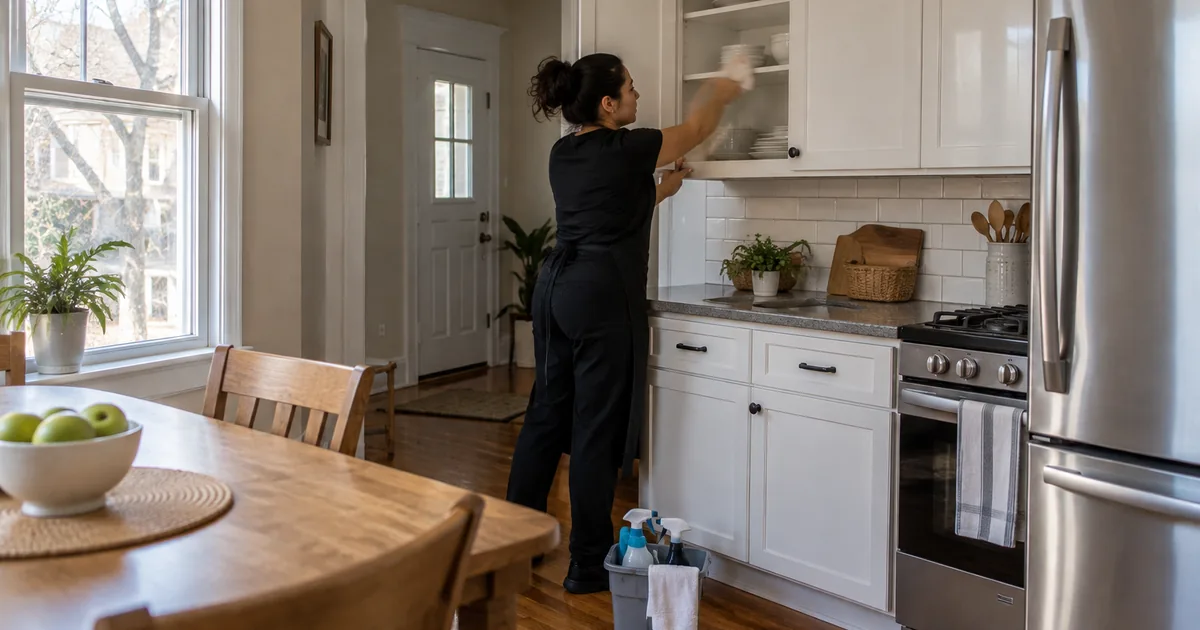
When comparing deep cleaning University City options, start with the condition of your rooms rather than a promise that everything will look new. Older interiors can contain layered paint, worn finishes, delicate trim, and surfaces changed by years of use. Prime Cleaning MO LLC can use your priorities and condition notes to discuss a cleaning scope without confusing soil removal with repair or restoration.
Walk through the property and identify three things: the rooms that need attention, the buildup you want addressed, and any surfaces you are unsure about. Describe observable conditions, such as greasy cabinet fronts or dust along baseboards, rather than diagnosing damage. Tell the team whether the home is occupied, empty, or being prepared for a new resident.
Ask, “Which of these concerns can cleaning reasonably address, and which may remain?” That question establishes a useful boundary before a quote. A faded floor, chipped coating, or permanently discolored grout may still show its age after removable dirt is gone.
Separate removable buildup from wear and damage
A good assessment distinguishes dirt sitting on a surface from deterioration within the material. Kitchen grease and loose dust are different problems from flaking paint, rust, swollen wood, or missing grout. More force or stronger chemistry is not automatically the answer when a mark persists. Describe peeling paint and fragile finishes before work begins so the cleaning approach can account for them.
Identify surfaces that need a cautious approach
Note natural stone, hardwood, older tile, painted woodwork, plated fixtures, and any finish with existing scratches. Share manufacturer instructions when available. If the material or coating is unknown, say so; appearance alone may not identify it reliably. Ask whether an inconspicuous test is appropriate before treating a conspicuous area.
Define what a successful result means
For a worn doorway, success might mean removing dust and fingerprints while leaving chipped paint undisturbed. For a stained sink, it may mean addressing removable residue without promising the discoloration will disappear. Suspected mold, damaged building materials, and hazardous conditions require separate assessment; ordinary deep cleaning is not a promise to remediate them.
Explore our deep cleaning service and cleaning in University City, MO for property-specific information.
Build a room-by-room scope without assuming everything
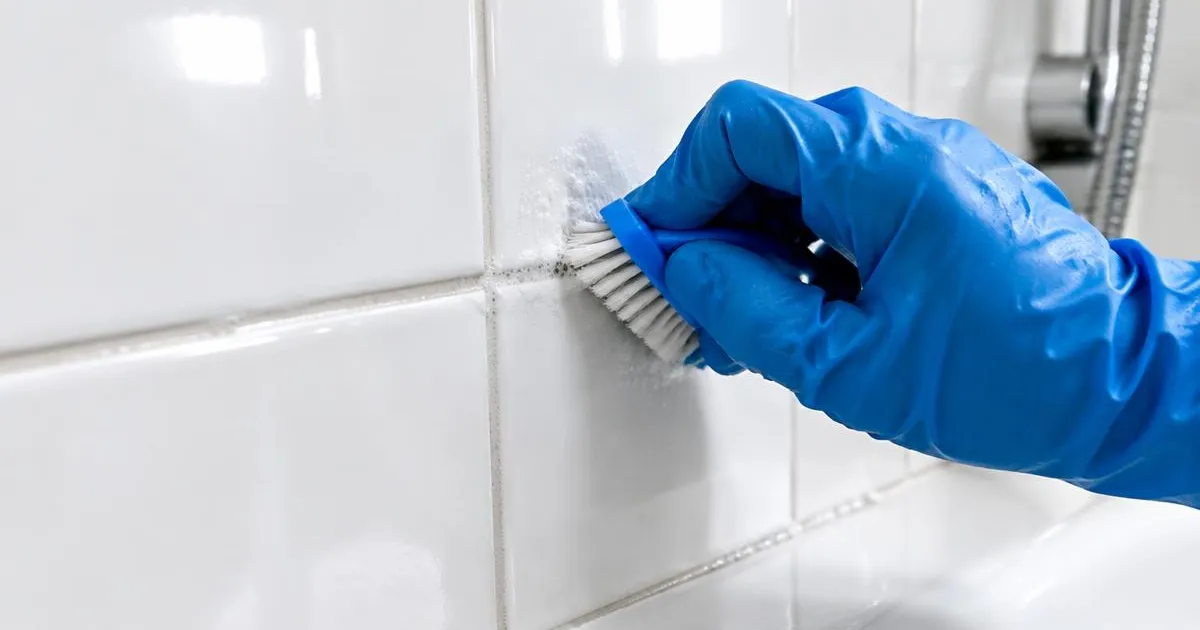
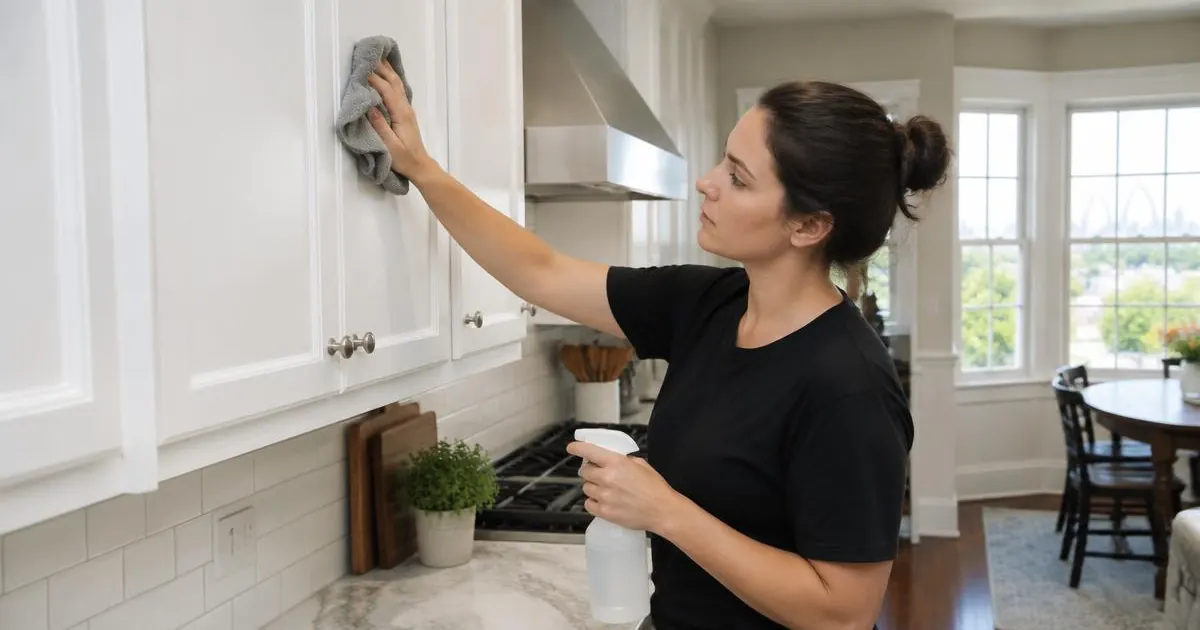
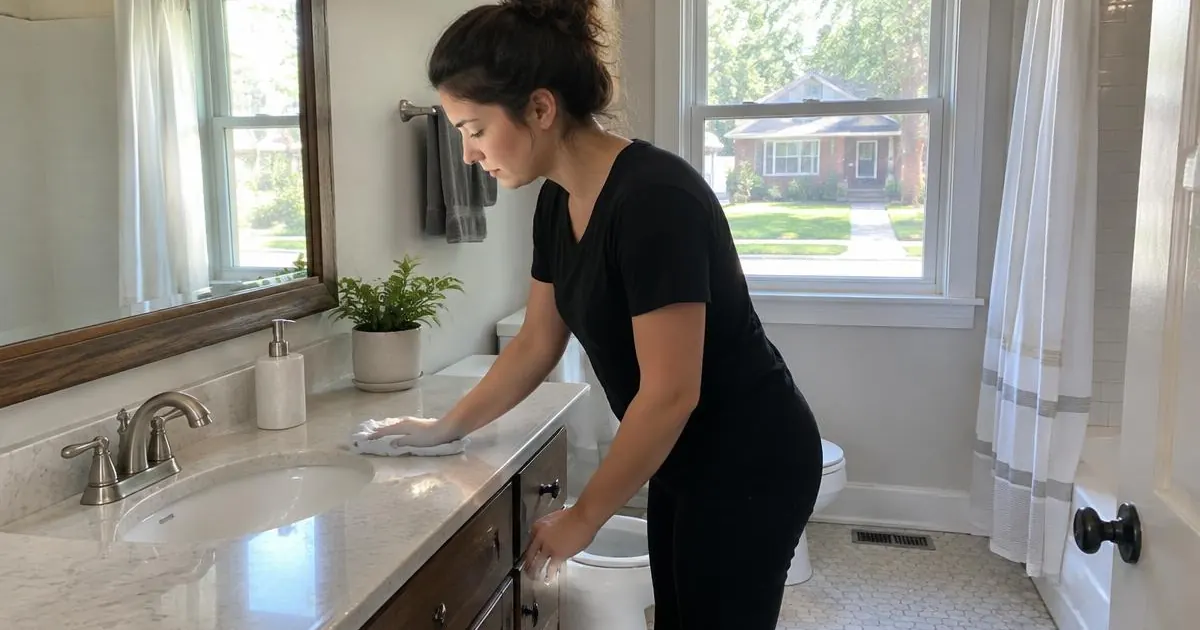
Use a short room list to make the quote specific. In the kitchen, identify cabinet exteriors, counters, backsplash areas, and accessible appliance surfaces you want discussed. In bathrooms, point out soap buildup, fixtures, and floor edges. In living areas, mention trim, reachable ledges, doors, and floors. These are scope questions, not a universal checklist that automatically applies to every property.
Access matters as much as the task itself. A heavily furnished room offers different access from an empty one. Ask who will move small items, whether furniture will remain in place, and which areas cannot be reached safely. Do not assume cleaners will shift heavy furniture or appliances, climb to every height, or handle fragile collections.
Choose priorities if the list is extensive. For example, a homeowner concerned about cooking residue might prioritize the kitchen and adjacent trim over a rarely used guest room. Ask the team to confirm included tasks, exclusions, and access limitations in the quote so both sides are working from the same plan.
Choose appliance, cabinet, and window add-ons deliberately
For deep cleaning, appliance interiors and inside cabinets are optional add-ons. Do not assume that asking for a deep kitchen clean includes either. Specify the appliance and compartment: an oven cavity, refrigerator shelves, or freezer requires a clearer request than “clean appliances.” Discuss preparation and manufacturer restrictions before the appointment.
For cabinet interiors, explain whether shelves are empty, lined, or holding dishes and pantry items. Ask who will remove and replace contents, and identify loose shelving or deteriorated finishes. If you only need a few empty cabinets addressed, name those cabinets rather than implying the entire kitchen is ready.
Interior windows are optional across services except Airbnb turnovers, where they are not offered as an optional add-on. For a deep-cleaning request, clarify whether you mean glass only or also want accessible sills and tracks discussed. Older windows may have fragile glazing, failing paint, or difficult mechanisms. Report those conditions and confirm access instead of expecting a cleaner to force a window open.
Match the service to occupancy and future maintenance
A deep clean for an occupied home and a move-related cleaning serve different situations. Move-In/Move-Out cleaning includes inside and outside cabinets and appliances. That differs from deep cleaning, where appliance interiors and cabinet interiors are optional add-ons. Explain whether belongings remain and when the property will be accessible so the service discussion matches the actual conditions.
Standard/recurring cleaning is available only after an initial deep clean. It is not a one-time or first-time service, and the first standard/recurring quote includes that initial deep clean. If your goal is ongoing upkeep, ask for that full starting scope rather than comparing a maintenance-only figure with a deep-cleaning quote.
For example, someone remaining in a furnished home may choose deep cleaning with a refrigerator-interior add-on, then discuss recurring maintenance. Someone handing over an empty property may need Move-In/Move-Out service instead. Describe the situation first; choosing solely by a service name can leave important tasks misunderstood. Confirm optional interior windows separately when applicable.
Set practical boundaries for older-surface care
Manufacturer-safe surface care should guide the method, including product choice, moisture, tools, and rinsing where required. Ask how the team will approach an uncertain finish. An older wood floor should not be treated as though its coating is intact everywhere, and a rough scrub pad may damage a surface that tolerates gentle wiping.
Never mix cleaners. Avoid acids on stone, including acidic products intended for mineral deposits. If you have already applied a product, tell the team what it was and where you used it. Leave product labels available when relevant, rather than applying another cleaner immediately before the visit.
Disinfection is appropriate only in suitable circumstances and on compatible surfaces. It requires the full label contact time, not a quick spray and immediate wipe. Ask whether cleaning alone is appropriate or whether a particular area calls for disinfection. Keep children and pets away from active work areas, and discuss ventilation or product sensitivities before work begins.
Prepare access and allow room for detailed work
Preparation should improve access without hiding the conditions that need assessment. Clear counters where practical, remove valuables from work areas, and identify fragile objects that should not be handled. If an interior add-on is selected, agree on how the appliance or cabinet will be emptied. Do not disconnect equipment or move heavy items without discussing whether that is necessary and appropriate.
Send useful condition notes or photos if requested, while recognizing that photographs may not reveal finish damage or the full extent of buildup. Mention difficult parking or entry arrangements, stairs, utility availability, and rooms that must remain undisturbed. Provide an available contact for scope questions.
Detailing beyond deep cleaning may take more than one day. That is a reason to discuss the requested level of detail, not a reason to expect a fixed completion promise. If you want individual decorative pieces or intricate features addressed, ask whether that work falls beyond the proposed deep-clean scope and how it would be assessed.
Request a quote with clear scope questions
For a residential request to Prime Cleaning MO LLC, provide the University City property location, approximate size, room and bathroom counts, occupancy status, condition concerns, and preferred scheduling window. List optional add-ons separately. Mention older finishes and existing damage so the discussion can address limitations rather than relying on a generic description.
Ask: “What is included for each priority room? What preparation is my responsibility? Which marks may remain? How will any additional work be discussed before proceeding?” Also confirm entry arrangements and the best way to communicate concerns. These questions help you evaluate the proposed scope without assuming every visible imperfection can be cleaned away.
Commercial/industrial and commercial post-construction requests require a free in-person walkthrough before pricing. Provide the business name, approximate square footage, restroom count, requested date/time window, and onsite contact. A residential deep-clean description should not substitute for that assessment. Hazardous work is never promised, and unusual materials or conditions need to be identified before a cleaning scope is agreed.