Deep Cleaning
Deep Cleaning in Webster Groves: Scope and Add-On Questions
A useful deep-cleaning plan starts with surface condition, access and clear boundaries. Learn what to prepare, which extras to request and how to protect original finishes.
Plan deep cleaning Webster Groves around your rooms
When searching for deep cleaning Webster Groves, start with the rooms you want cleaned and the surfaces that need special care. A useful request describes more than bedroom and bathroom counts: it identifies original woodwork, delicate finishes, buildup and access limitations. Prime Cleaning MO LLC can use those details to discuss scope without treating every home or every surface as interchangeable.
This guide, by the Prime Cleaning MO Team, focuses on preparing rooms with original finishes and making agreed surfaces accessible. Before requesting a quote, walk through the property and separate your needs into three groups: routine accumulated soil, areas needing extra attention and tasks that may fall outside cleaning. A dusty painted door, greasy kitchen surface and peeling window frame require different decisions.
Ask what the proposed deep clean covers in each room, what remains excluded and which requested tasks are optional. Clear boundaries help you compare the quote with your actual priorities rather than assuming that “deep” means every possible task.
Identify original finishes before choosing cleaning methods
Original finishes deserve a condition check before anyone starts scrubbing. Point out wood floors, stained trim, older painted doors, stone counters and decorative metalwork. Share any manufacturer instructions or care information you have. If the material is uncertain, say so; appearance alone may not reliably identify a coating or stone type.
Describe existing problems separately from ordinary soil. Flaking paint, loose veneer, worn floor finish and damaged grout are not simply stubborn dirt. Cleaning should not be presented as restoration, and additional force may make a fragile area worse.
Use condition to set the boundary
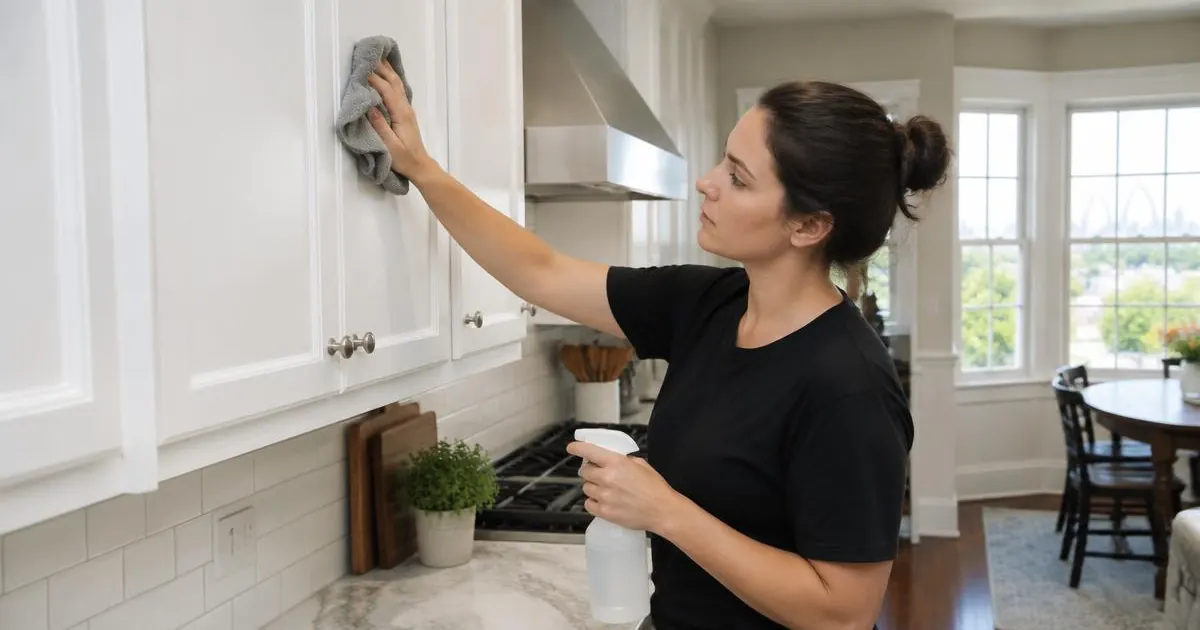
For example, if an original cabinet door has a stable finish but greasy fingerprints, ask about manufacturer-safe surface care. If its finish is lifting around the handle, flag that area for review rather than requesting aggressive scrubbing. Where appropriate, discuss a discreet test area first. The practical question is: “Can this surface be cleaned safely in its current condition, and what should remain untouched?”
Explore our deep cleaning service and cleaning in Webster Groves, MO for property-specific information.
Prepare accessible surfaces without overpreparing
Preparation should create access, not require you to clean before the cleaner arrives. Clear papers from desks, toiletries from bathroom counters and loose belongings from floors. Put medications, jewelry and fragile keepsakes somewhere secure. Leave the actual soil in place so the agreed cleaning work can address it.
Choose a temporary storage spot that does not block another room, doorway or walkway. Moving everything from the kitchen onto the dining table merely transfers the access problem if both surfaces are part of the scope. For a crowded room, decide which surfaces matter most and ask how remaining clutter affects the work.
Discuss furniture access rather than assuming heavy pieces will be moved. Identify tight gaps, unstable shelving, unsecured rugs and anything that should not be handled. Arrange safe access around pets and household activity. If a room cannot be cleared, ask whether accessible portions can be cleaned and how that limitation will be reflected in the agreed scope.
Separate kitchen deep cleaning from interior add-ons
Kitchen requests often become unclear because “clean the cabinets” can mean exterior doors, interior shelves or both. For a deep clean, appliance interiors and inside cabinets are optional add-ons. Ask specifically about the refrigerator, oven and cabinet interiors you want included rather than assuming they come with the main service.
Describe the condition and access requirements for each requested interior. An empty refrigerator is a different planning situation from one full of groceries. Ask what you should remove, whether shelves or drawers need special handling and which manufacturer instructions apply. Do not run an appliance cleaning cycle or apply a treatment beforehand without coordinating it.
Choose between occupied-home and moving scope
If you are staying in the home and mainly need accessible kitchen surfaces cleaned, discuss a deep clean with selected interior add-ons. If you need Move-In/Move-Out cleaning, that service includes inside and outside cabinets and appliances. Explain whether the property will be empty and identify any areas that will remain inaccessible.
Clarify bathroom care and interior window requests
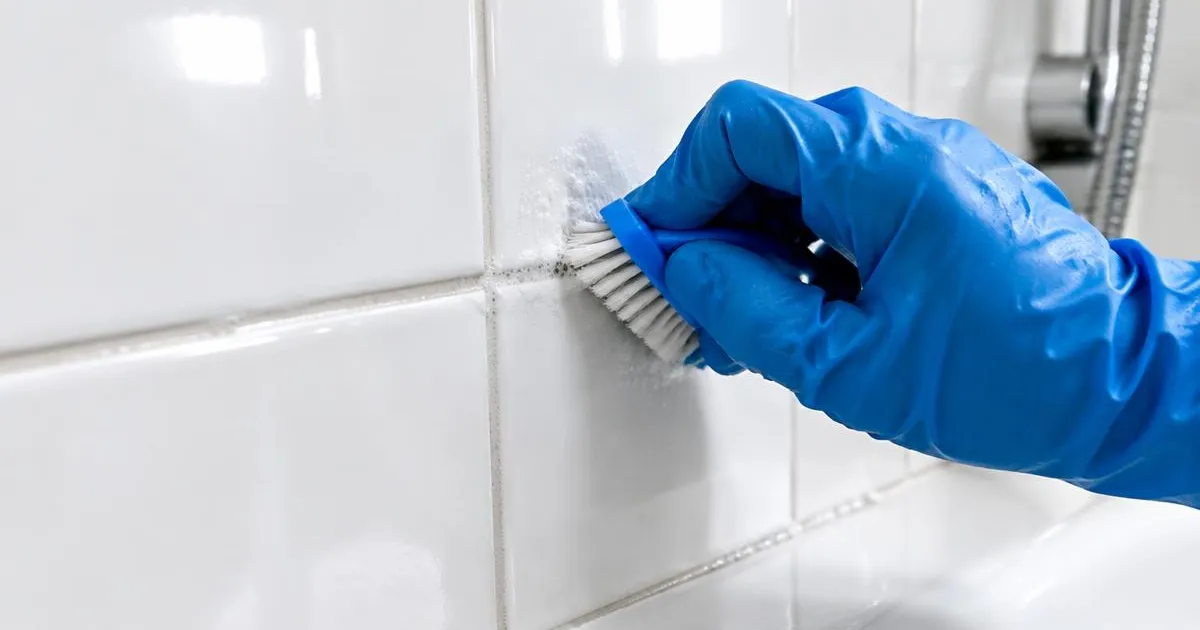
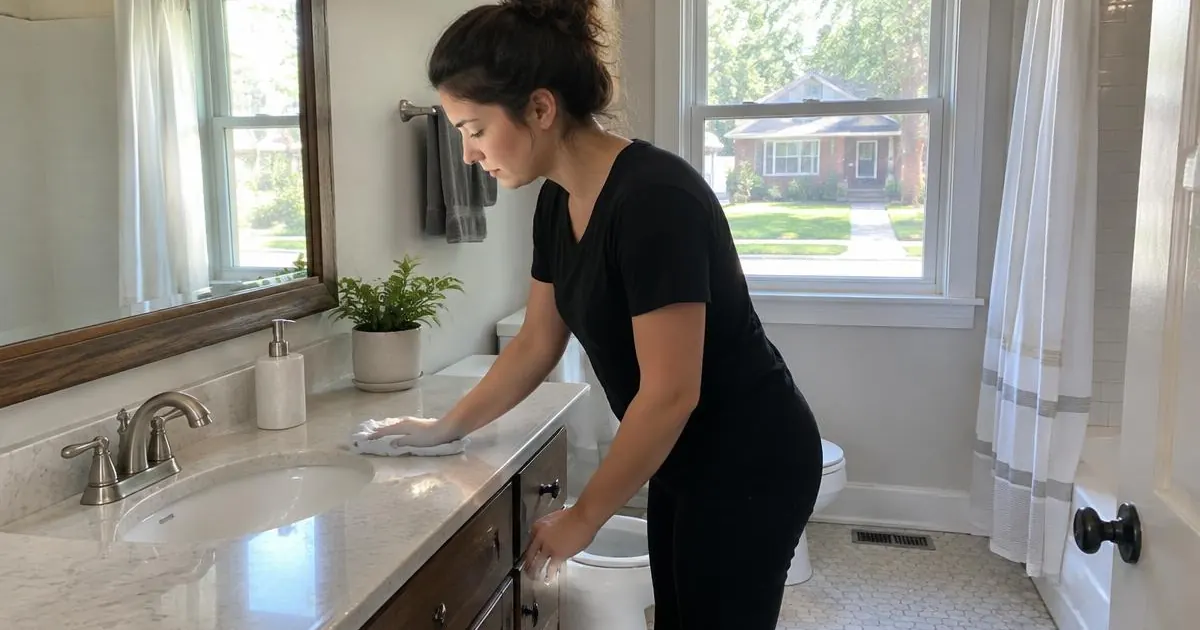
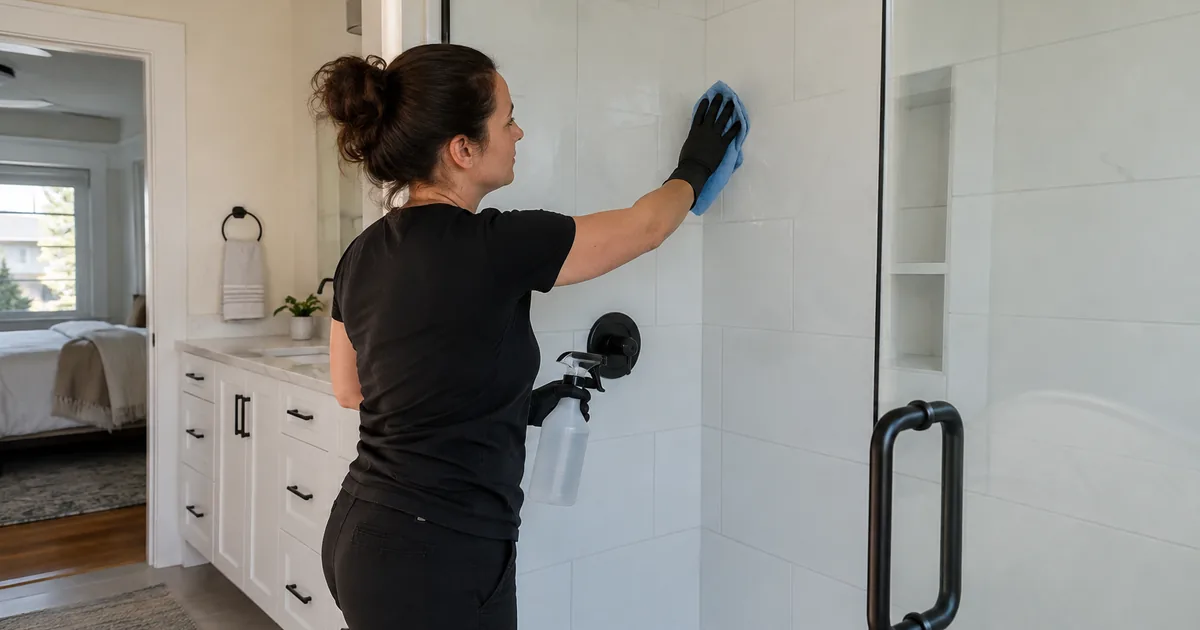
In bathrooms, identify the surface before asking for stronger cleaning. Natural stone, coated fixtures and older enamel may need different care from ordinary tile. Avoid acids on stone, use manufacturer-safe methods and never mix cleaners. Tell the team about products recently applied or left on a surface, especially if you have been trying to remove buildup yourself.
Disinfection is a separate decision from removing visible soil. It should be used only when appropriate for the surface and situation, following the product label, including the full contact time. Ask which areas warrant it rather than expecting every surface to be disinfected.
Interior windows are optional for all services except Airbnb turnovers, where that option is not available. For an eligible service, clarify whether your request concerns glass only or also specific frames, sills or tracks. Flag loose glazing, damaged paint or difficult access before work is planned. Do not assume a window request includes repairs or exterior glass.
Match the service to the property's actual use
Standard/recurring cleaning is available only after an initial deep clean; it is not a first-time or one-time cleaning option. The first standard/recurring quote includes that initial deep clean. If your goal is ongoing upkeep, explain your current conditions first, then discuss recurring scope based on the rooms and surfaces you want maintained.
A room used for business can change the questions that need answering. Commercial/industrial cleaning and commercial post-construction cleaning require a free in-person walkthrough before pricing. Photos or a residential room count do not replace that visit. Provide the business name, approximate square footage, restroom count, preferred date/time window and onsite contact to arrange it.
Describe the activities performed onsite and any known site restrictions. Hazardous work is never promised. If you are unsure whether a space belongs under residential or commercial scope, explain its use before requesting pricing. That prevents an ordinary household cleaning request from obscuring requirements that need a different assessment.
Set priorities when buildup needs more detailing
A deep clean and extensive detailing are not automatically the same scope. Closely spaced trim, intricate hardware or persistent buildup may require a more detailed discussion, especially around original finishes. Detailing beyond deep clean may take more than one day. Ask how any additional work would be assessed and approved rather than expecting unlimited detailing within the initial request.
Use a practical priority order. You might put accessible kitchen surfaces and bathrooms first, followed by dusty trim in the main rooms, with intricate decorative woodwork discussed separately. Explain which results matter most, but recognize that worn finishes and permanent discoloration may remain after soil is removed.
If suspected mold, unknown residue or potentially hazardous material is present, identify it before booking; do not assume ordinary cleaning includes mold removal or hazardous waste handling. Similarly, construction dust should be described accurately, including whether work is still underway. A clear description helps determine the appropriate next step without promising unsuitable work.
Send a room-by-room request before confirming scope
Turn your walkthrough into a short written request. Include the service address, room count, occupancy status, current condition and priority areas. Add photos when useful, especially for original finishes, crowded surfaces or unusual buildup. Explain what you can clear before service and which furniture or belongings must remain in place.
Then list optional work separately: appliance interiors, inside cabinets and eligible interior windows. Identify individual items rather than using “everything.” For example: “Deep clean accessible rooms; please quote the oven interior separately; leave the fragile hallway cabinet untouched.” This gives Prime Cleaning MO LLC concrete questions to resolve.
Before confirming, review what is included, what is excluded, required preparation and how changes will be handled. Ask what happens if a surface appears unsafe to clean or access differs from your description. A room-specific agreement is more useful than a supposedly universal checklist, particularly when original materials and occupied spaces need thoughtful boundaries.