Commercial & Janitorial
Medical Office Cleaning Standards
Medical office cleaning starts with a written division of responsibilities, not a promise to disinfect everything. Use this guide to plan environmental cleaning around patient traffic, facility policies, and the limits of general janitorial work.
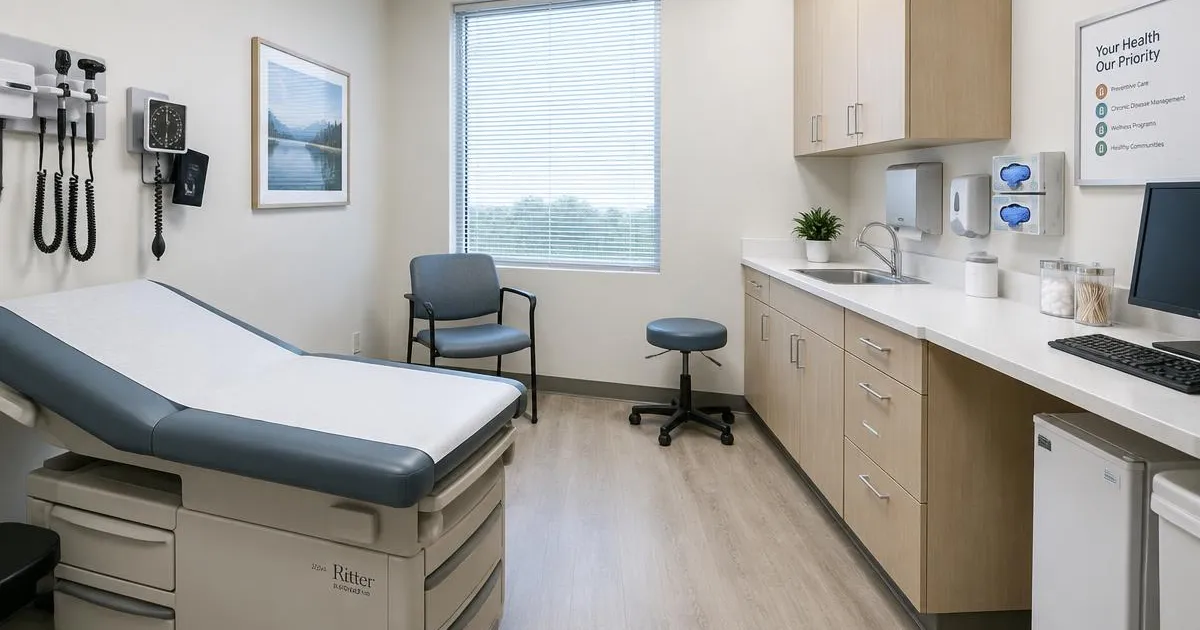
Define environmental cleaning before choosing a schedule
Medical office cleaning standards should translate the facility’s own policies into specific tasks, locations, and responsibilities. A waiting room, an administrative office, and an examination room do not have identical cleaning needs. Before requesting service, identify where patients receive care, where staff handle clinical materials, and which spaces a general cleaning team may enter. The facility’s clinical lead should approve boundaries rather than leave a contractor to infer them from room names.
Cleaning removes dirt and other material from surfaces. Disinfection uses an appropriate product to inactivate specified microorganisms when used according to its label. Neither term means sterilization, and a janitorial visit does not replace instrument processing or a clinical infection-prevention program. Keep those distinctions in the written scope so that staff and cleaners share realistic expectations.
Start with a room inventory, operating hours, surface types, and a named point of contact. Note any rooms that remain occupied after closing and any surfaces that only clinical staff may handle. A useful plan describes who does each task, when it happens, and what happens if the room cannot be accessed. That foundation is more actionable than a general claim that an office meets every medical standard.
Map responsibilities for waiting rooms and treatment areas
Walk through the route patients follow from the entrance to reception, restrooms, and treatment spaces. Identify frequently touched environmental surfaces such as door handles, chair arms, restroom fixtures, and accessible counter edges. Their cleaning frequency should reflect actual use and facility policy, not simply the number of square feet in the lease. A busy reception area may need attention during the day as well as after hours.
Clinical staff should identify who cleans examination tables, diagnostic equipment, and shared patient-care devices. Manufacturer instructions and facility protocols matter, and some equipment requires processes outside a general janitorial scope. Do not assume that a cleaner can disconnect devices, move patient materials, open cabinets, or decide whether a clinical item is ready for reuse.
Create an ownership list for between-patient tasks, scheduled environmental cleaning, and unexpected contamination. If reception personnel wipe a counter during business hours and a contractor cleans it after closing, describe both responsibilities. Include who replenishes soap and paper products and who reports a damaged dispenser. Clear ownership prevents a task from being missed because two groups each believe the other is handling it, especially around shift changes or busy appointment blocks.
Explore our commercial & janitorial service and cleaning in St. Louis, MO for property-specific information.
Use products according to labels and surface instructions
General CDC guidance distinguishes cleaning from disinfection and emphasizes appropriate methods for the setting. Translate that principle into a facility-approved product list rather than selecting a product solely because it smells strong. For disinfectants, the label identifies intended uses, relevant claims, application directions, and required contact time. The facility should select products that fit its needs and the surfaces being treated.
Visible soil may need to be removed before disinfection, depending on the product and the situation. Follow label directions for precleaning, dilution, application, and how long a surface must remain visibly wet. Wiping a product off immediately can undermine the intended process. Never mix cleaning chemicals or improvise stronger concentrations, and do not transfer products into unlabeled containers.
Check surface compatibility before treating upholstery, coated furniture, screens, or sensitive equipment. A product appropriate for one hard surface may damage another material. Keep current instructions accessible to the people doing the work, including safety data sheets where applicable. If a specified product cannot be used safely on a particular surface, pause and ask the facility contact for an approved alternative instead of quietly substituting a different chemical or method.
Keep worker safety and exposure procedures separate
OSHA concepts relevant to cleaning can include hazard communication, appropriate protective equipment, and exposure controls when work presents occupational exposure risks. The exact requirements depend on the tasks and workplace. A general blog checklist cannot determine a facility’s obligations or certify compliance. The employer and facility should review applicable requirements with qualified safety personnel and incorporate them into training and written procedures.
Make the response to unexpected hazards explicit. A cleaner who discovers an uncapped needle, an overflowing sharps container, or unidentified clinical waste should not sort it by hand or put it into ordinary trash. Define how to stop work, keep others away when appropriate, and notify the designated facility contact. Handling blood or other potentially infectious material requires the right procedures, training, and equipment; it is not an automatic part of general office cleaning.
Personal protective equipment should be selected for the task and product rather than used as a substitute for safe methods. Staff need instructions for using, removing, and disposing of or maintaining it as appropriate. Also address wet floors, chemical storage, ventilation, and safe access to supply areas. Routine workplace hazards still matter in a clinical building and should not disappear behind broad infection-control language.
Build a workflow that limits cross-contamination
Plan the route through each room so completed work is not immediately undone. Work from cleaner areas toward dirtier areas when appropriate, and reserve restroom tools for restroom work. A cloth used around a toilet should not return to a reception counter. Facility-approved tool separation, cloth replacement, and solution handling make the workflow understandable and repeatable for everyone assigned to the site.
Address what happens to reusable supplies after a shift. Dirty cloths and mop heads need a defined collection and laundering process, and equipment should be stored so it can dry and remain suitable for reuse. Do not leave damp textiles piled in a closed utility area. Storage arrangements should also keep cleaning supplies away from patient materials and food preparation items.
Sequence floors after higher surfaces so settled debris is removed near the end of the visit. Use methods suited to the room and flooring rather than spreading loose debris into adjoining spaces. Keep doors, corridors, and emergency routes usable while work is underway. Where a room is occupied, confirm whether to defer the task or follow an approved alternative. A missed-access note is safer and more transparent than squeezing cleaning around a procedure without permission.
Set frequencies around use and establish the baseline
A practical schedule separates tasks needed during the operating day from after-hours work and less frequent detail cleaning. Restroom checks and high-touch surface attention may need different intervals from baseboard cleaning or dusting accessible ledges. Ask clinical leadership to identify situations that trigger additional attention. Do not use a once-daily schedule as a blanket answer for every patient-care surface.
For Prime Cleaning MO LLC, standard and recurring service begin only after an initial deep clean. The starting visit establishes the agreed baseline before ongoing maintenance begins. Describe existing buildup, furniture placement, access limitations, and any surfaces that need specialist attention during the walkthrough. An initial deep clean does not mean that excluded clinical tasks or hazardous cleanup become included.
Interior window cleaning is an optional add-on for commercial work. Include window count, access conditions, and any privacy concerns when discussing that service. Periodic tasks should appear separately in the scope with an agreed frequency rather than being assumed to happen during every visit. Revisit the schedule when appointment volume, room use, or opening hours change. A workable plan follows the facility’s operations instead of remaining frozen after the first proposal.
Document completion without exposing patient information
Use a task log that records the date, area, assigned work, and any exceptions. Keep it focused on environmental cleaning, not patient identities or medical information. Cleaning staff should not photograph charts, read records, or move confidential documents to complete a surface. Ask office personnel to clear approved counters and secure information before the cleaning window begins.
Identify how staff should report a locked room, damaged surface, missing supply, or product concern. A short, consistent reporting process helps the facility distinguish unfinished work from work that was inaccessible or intentionally excluded. If a room was not available, the log should say so rather than implying that all listed tasks were completed. Assign someone at the facility to review those exceptions.
Quality checks can include visual inspection, review of task records, and confirmation that approved products and methods are being used. A room looking tidy does not demonstrate that every clinical safety objective has been met. Avoid substituting fragrance or a polished floor for process review. When a problem recurs, update the workflow, access arrangement, or training instead of simply adding a vague instruction to clean more thoroughly next time.
Prepare for a medical office cleaning walkthrough
Before contacting a provider, assemble the business address, approximate square footage, bathroom count, operating hours, and a room list. Note the areas available for general environmental cleaning and those reserved for facility staff or specialist providers. Include the location of supplies, approved products, waste arrangements, alarm instructions, and a contact who can answer scope questions without sharing patient information.
The Commercial Cleaning page introduces broader workplace service planning, while the Office Cleaning page can help frame administrative spaces within the practice. Use the Quote page to request a conversation about the actual facility. Prime Cleaning MO LLC provides commercial pricing only after a free in-person walkthrough; a room count alone cannot establish the appropriate price or clinical scope.
Confirm the next step
Call (314) 274-6907 to discuss access and walkthrough preparation. Ask for a written scope that separates included areas, excluded tasks, optional interior windows, and responsibilities retained by the practice. If the office needs specialized clinical cleaning, exposure response, or instrument-related work, confirm the appropriate qualified provider rather than assuming general janitorial service covers it. A clear boundary is part of a responsible plan, not a shortcoming to hide.