Move-In/Move-Out
Move In Move Out Cleaning Chesterfield: Separating Packing From Cleaning
A practical guide to keeping packing, hauling, and cleaning separate so your Chesterfield move has a clear scope between key handoff and unpacking.
move in move out cleaning Chesterfield: Separating Packing From Cleaning
Planning move in move out cleaning Chesterfield starts with separating two different jobs: moving your belongings and cleaning the surfaces they leave behind. Prime Cleaning MO LLC can help you define the cleaning scope, but packing decisions, unwanted furniture, and boxes need their own plan. Otherwise, a room that looks ready on paper may still have inaccessible floors, occupied drawers, or a refrigerator full of food.
Use three lists: belongings to move, items to remove, and areas to clean. Assign a person to each moving or removal task rather than assuming the cleaning appointment covers it. For example, emptying a pantry means deciding what travels with you; cleaning that pantry means addressing its shelves and cabinet surfaces after those decisions are finished. Keeping those responsibilities separate makes the space easier to assess and the service request more precise.
Start with the handoff, not the boxes
Ask who controls access, when the home becomes empty, and whether cleaning is for your departure or your arrival. Those answers shape the work.
Define your move in move out cleaning Chesterfield scope
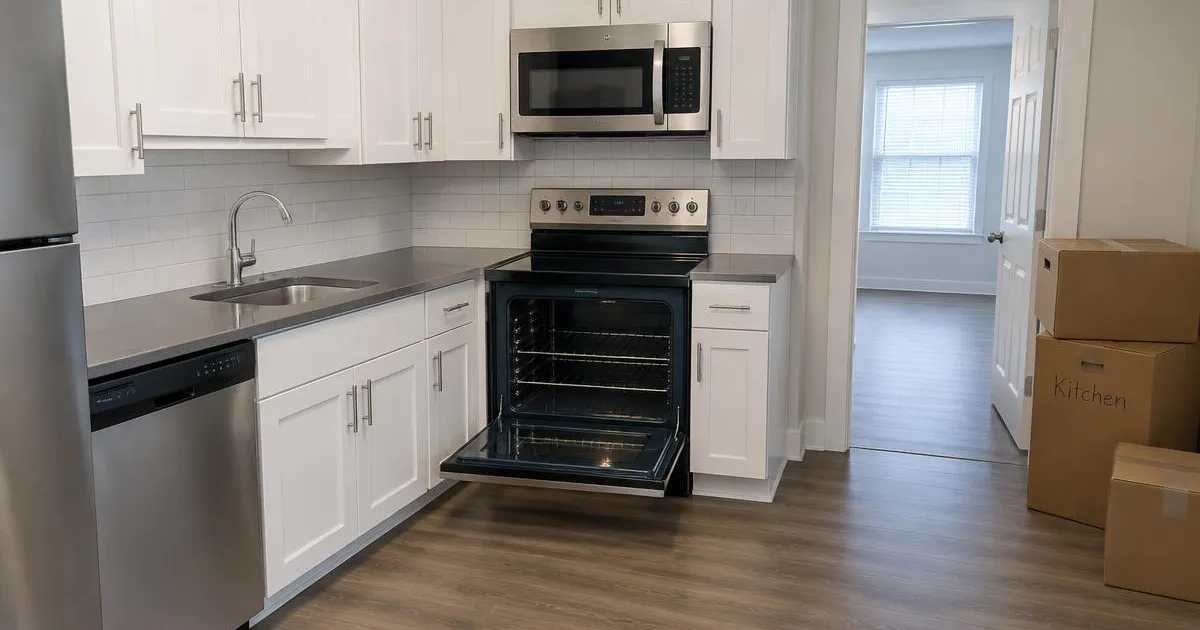
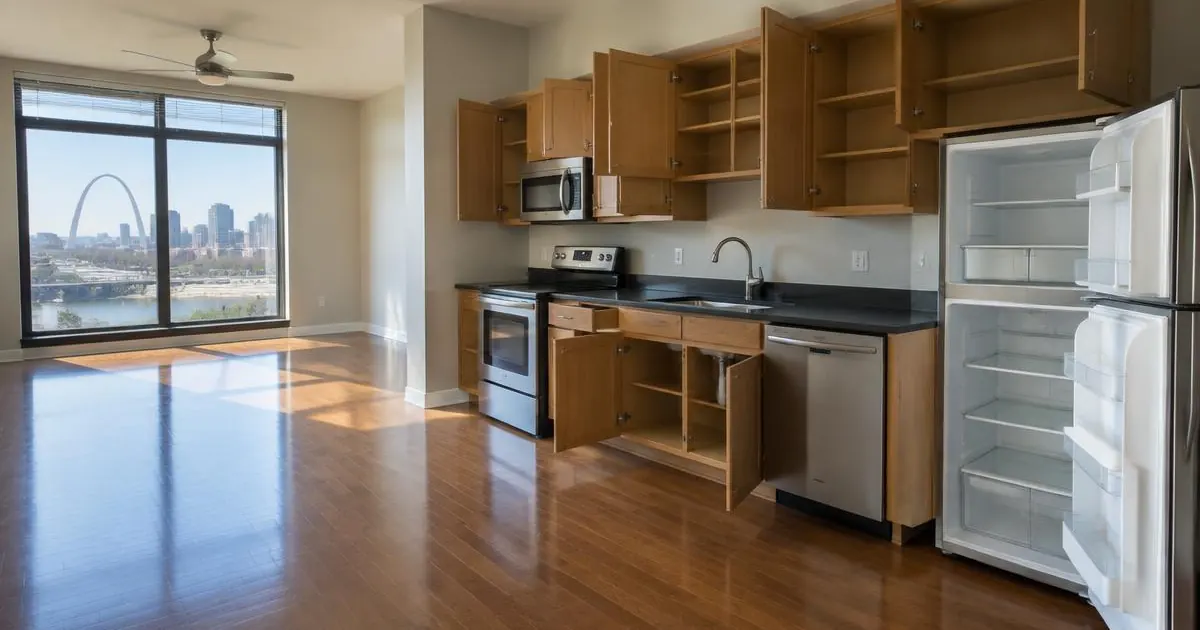
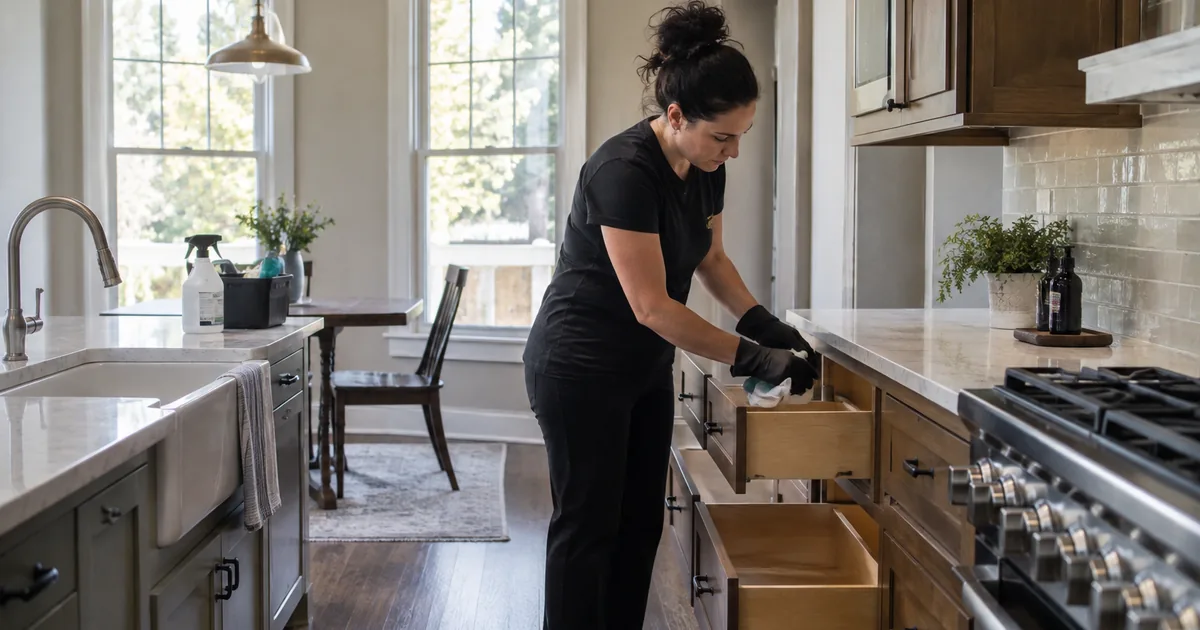
Move-In/Move-Out cleaning includes the inside and outside of cabinets and appliances. That distinction matters when comparing services: appliance interiors and inside cabinets are optional add-ons for a deep clean, not automatic deep-clean inclusions. Choose the service that matches the condition and purpose of the visit rather than assuming every cleaning category covers the same interiors.
Describe the rooms, bathrooms, flooring, and appliances you want addressed. Mention a second refrigerator, basement kitchenette, built-in shelving, or utility area instead of relying on the phrase “whole house.” Ask how closets, laundry appliances, and unusual fixtures will be handled. An agreed scope is more useful than assuming any service follows a universal checklist.
Interior windows are optional for Move-In/Move-Out cleaning, as they are for services other than Airbnb turnovers. Request them explicitly and clarify whether you mean glass, sills, tracks, or another component. Window terminology can conceal different expectations, particularly when a tenant and property manager use the same word differently.
Explore our move-in/move-out service and cleaning in Chesterfield, MO for property-specific information.
Finish household decisions before cleaning begins
Packing is not simply putting things into boxes. It includes separating donations, removing food, gathering personal documents, and deciding whether anything remains for the next occupant. Cleaning should not depend on someone else guessing whether an item is trash or a possession. Put agreed stay-behind items in a clearly identified location and explain them before work begins.
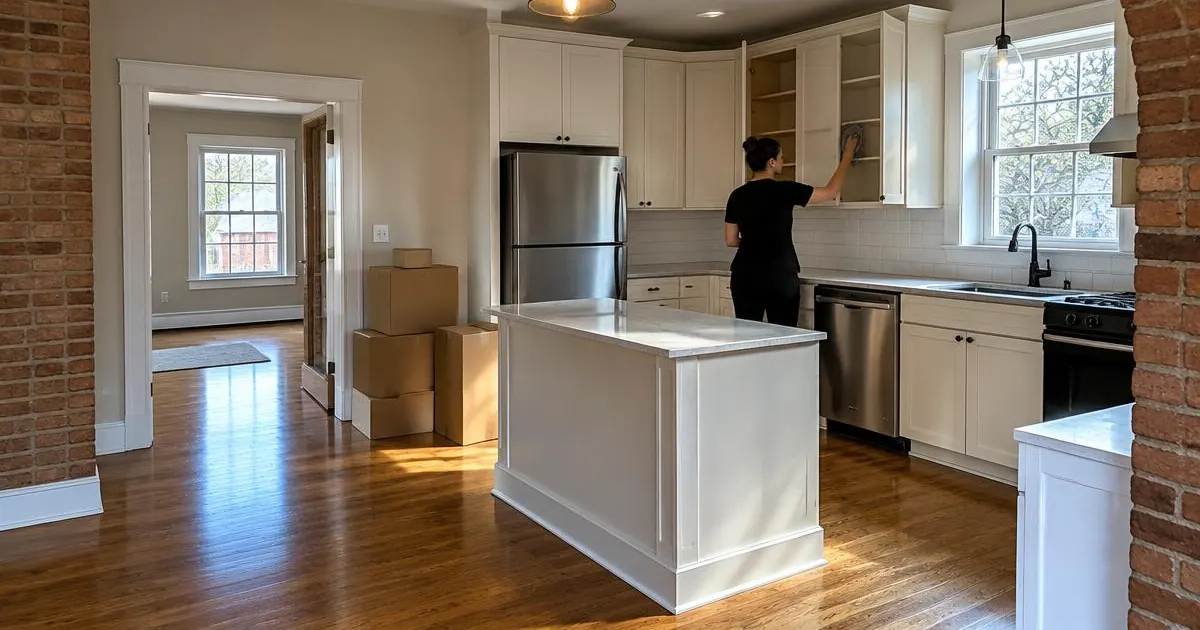
For a departing household, clear cabinets and drawers, remove personal toiletries, and arrange removal of furniture and rubbish outside the cleaning scope. For an arriving household, keep deliveries and unpacking separate from areas awaiting cleaning. A kitchen cannot be fully accessible for interior cabinet cleaning while boxes and shelf contents occupy it.
Choose a staged plan when the home cannot be empty
If one bedroom must hold boxes, identify it before the quote and discuss the resulting limitation. Do not assume cleaners will shift stacked belongings or return later automatically. Decide whether that room should be excluded, cleaned after removal under a separate arrangement, or made accessible before the visit.
Sequence keys, utilities, movers, and final access
Build the sequence around actual access rather than an optimistic moving schedule. Confirm permission to enter, working water and electricity, and the process for locking up afterward. In a shared building, ask about entry rules, parking access, elevators, and where service personnel may bring equipment. Share instructions without placing access codes in publicly visible notes.
Cleaning generally fits most clearly after belongings leave and before new ones arrive. If that separation is impossible, identify who has priority in each area. Movers carrying furniture through a freshly cleaned room can change its condition; cleaners working around active loading may not reach every planned surface. Agree on the order rather than expecting simultaneous work to produce the same result.
Ask what happens if access changes
Before confirming, explain any uncertainty about key release, possession, or mover access. Ask how a changed appointment or inaccessible room would be handled. Do not treat the estimated moving completion as confirmed cleaning access until the responsible person verifies it.
Prepare cabinets and appliances for interior cleaning
Because Move-In/Move-Out includes cabinet and appliance interiors and exteriors, preparation should make those areas usable. Empty shelves and drawers, remove food and loose belongings, and point out any damaged hinges, cracked shelves, or appliance problems. Tell the team about liners, adhesive residue, or items that must remain; removing those materials may require a separate scope decision.
Discuss refrigerator readiness rather than unplugging it automatically. Food storage, freezer frost, water connections, and manufacturer instructions can affect preparation. Similarly, an oven should be cool and available for the agreed work. Do not start a self-clean cycle immediately before service or assume heavy baked-on residue can always be eliminated through ordinary cleaning.
Clarify access around appliances without assuming they will be pulled out, disconnected, or dismantled. Cleaning an appliance interior is different from moving a connected machine to reach the floor behind it. If a gap or rear surface matters to your handoff, describe it and ask what safe access must be arranged beforehand.
Match surface care and detailing to actual conditions
A vacant home makes buildup easier to see, but visible marks do not all respond to cleaning. Scratched finishes, worn grout, discoloration, and damaged coatings may remain. Share photos of concerns and distinguish the desired cleaning result from repairs or restoration, which should not be assumed part of the service.
Manufacturer-safe surface care matters especially when you do not yet know the home's materials. Identify natural stone, coated fixtures, specialty flooring, and any available care instructions. Avoid acids on stone, and never mix cleaners. Disinfection should be used only when appropriate, with the product's full label contact time and surface compatibility respected.
Ask whether the condition calls for detailing beyond a deep clean. Detailed work may take more than one day, so it should not be squeezed into a handoff assumption. If suspected mold, hazardous residue, sharps, or unidentified chemicals are present, disclose them before scheduling; mold removal and hazardous waste handling are not promised cleaning tasks.
Request a quote that separates needs from assumptions
Give Prime Cleaning MO LLC the property type, approximate size, bathroom count, occupancy status, requested date, and access constraints. Explain whether this is a departure, arrival, or overlapping move. Include the appliances present, optional interior-window request, and any rooms that will still hold belongings. Photos can help communicate condition without replacing a clear description.
For example, “empty kitchen with cabinets and refrigerator ready, occupied storage room excluded, interior windows requested” communicates more than “move clean.” Ask the quote to identify included areas, exclusions, optional items, and preparation responsibilities. If packing is unfinished, disclose that instead of presenting the property as empty.
A business relocation requires a different pricing process. Commercial/industrial cleaning and commercial post-construction cleaning require a free in-person walkthrough before pricing. Provide the business name, approximate square footage, restroom count, preferred date/time window, and onsite contact. Describe construction residue or unusual materials without assuming hazardous work can be accepted.
Check the handoff before starting the next routine
Use your agreed scope for the final review. Look at accessible cabinet interiors, appliance interiors, bathroom surfaces, and floors in the areas included. Raise questions while access and responsibility are clear. Photographs can document condition, but cleaning cannot determine whether a landlord will return a deposit or whether a buyer will accept a property.
If belongings remain, record which areas could not be reached. If movers enter afterward, distinguish new tracked-in dirt from the condition at cleaning completion. This keeps the conversation focused on what was actually accessible and agreed, rather than assigning every later mark to the cleaning visit.
Once settled, ask separately about ongoing service. Standard/recurring cleaning is available only after an initial deep clean; it is not a first-time or one-time service. The first standard/recurring quote includes that initial deep clean. Do not assume a move-clean booking automatically establishes a recurring plan or replaces its required starting scope.