Move-In/Move-Out
Move In Move Out Cleaning Clayton: Condo Access and Loading Plans
A practical guide to coordinating condo access, movers, and move-in or move-out cleaning in Clayton without overlooking the spaces behind closed doors.
move in move out cleaning Clayton: Condo Access and Loading Plans
When planning move in move out cleaning Clayton, start with the building rather than the cleaning supplies. A condo can be empty and still difficult to service if the elevator is reserved for movers, the loading entrance requires a fob, or management limits contractor access. Prime Cleaning MO LLC needs a workable entry plan and an agreed scope, not simply a street address. Confirm those details before arranging the cleaning around your key exchange.
Ask management which entrance cleaners should use, where they may park, and whether equipment must travel through a service elevator. Clarify who can authorize entry and whether a resident must remain onsite. If management requests documentation, identify the requirement before confirming arrangements rather than assuming it is available.
Keep the loading plan separate from the cleaning appointment. Reserving a truck space does not necessarily authorize cleaner parking or elevator use. Share both sets of instructions so neither team depends on permissions intended for the other.
Sequence the keys, elevator, cleaning, and boxes
The best sequence usually gives cleaners access after belongings leave and before new belongings arrive. That creates access to floors, cabinet shelves, and appliance interiors without moving boxes repeatedly. For a move-out, confirm when movers expect to finish and who will return for the final walkthrough. For a move-in, check that the seller or outgoing resident has actually vacated.
If the building offers only one elevator reservation, decide which activity needs it most. Movers transporting furniture generally have different access needs from cleaners bringing supplies. Ask whether cleaners can enter through an approved alternative or arrive after moving equipment clears the corridor. Do not assume overlapping appointments save time.
Leave room in your plan for unresolved access issues. A missing fob, occupied unit, or disconnected utilities can change what is feasible. Confirm running water, electricity, usable lighting, and working entry instructions. If boxes arrive first, designate a staging area and identify which surfaces will remain blocked rather than expecting an unchanged scope.
Explore our move-in/move-out service and cleaning in Clayton, MO for property-specific information.
Confirm what the move cleaning actually includes
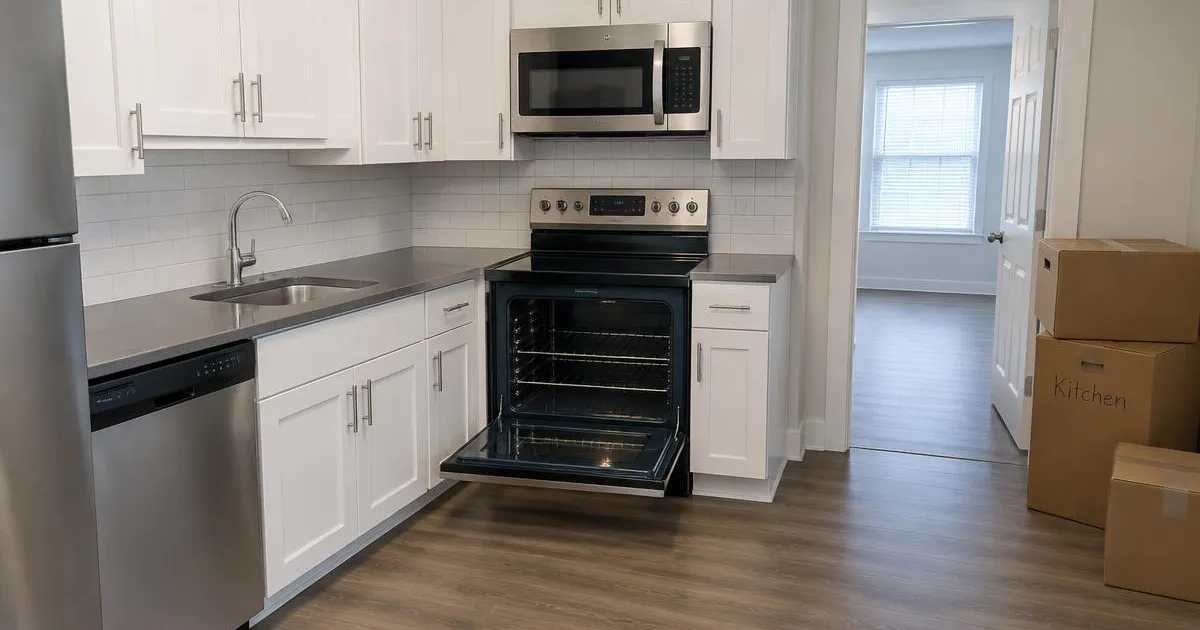
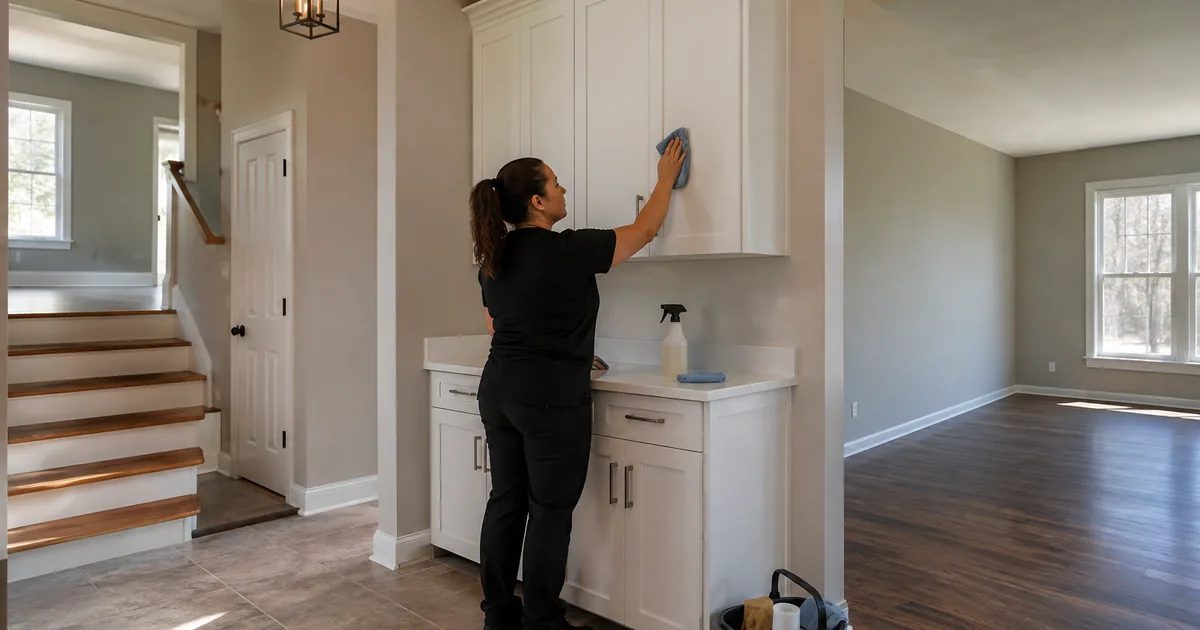
Move-In/Move-Out service includes inside and outside cabinets and appliances. That distinction matters when comparing it with a deep clean, where appliance interiors and inside cabinets are optional add-ons. Tell Prime Cleaning MO LLC which appliances are present and whether each will be empty and accessible. Do not assume the same interior work carries over from every other service category.
Make a room-by-room scope decision
Walk through the unit with a short inventory: kitchen storage, bathrooms, closets, living areas, and laundry space. Ask how accessible shelving, drawers, appliance components, and flooring will be addressed. Identify buildup, fragile finishes, or belongings that must stay untouched. The goal is a property-specific agreement, not a promise that every possible cleaning task is included.
Separate windows from included interiors
Interior windows are optional for Move-In/Move-Out and every other service except Airbnb turnovers. Request them explicitly if wanted, and clarify glass access and any separate questions about tracks or screens. Avoid treating a request for windows as permission to dismantle fixtures or work at unsafe heights.
Prepare cabinets and appliances before arrival
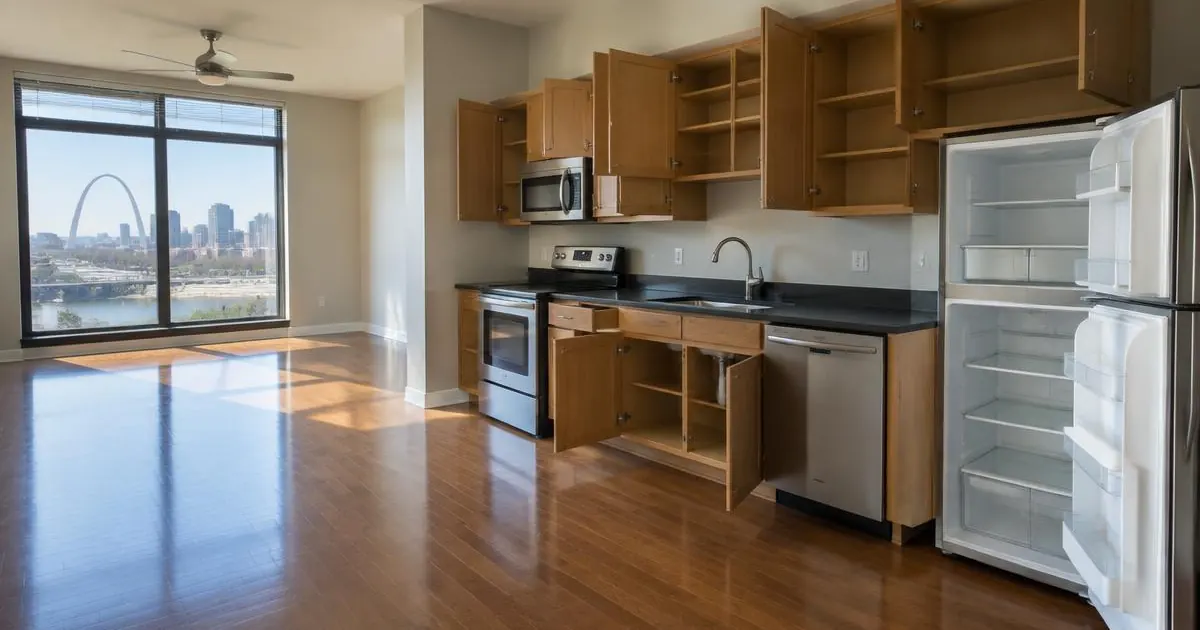
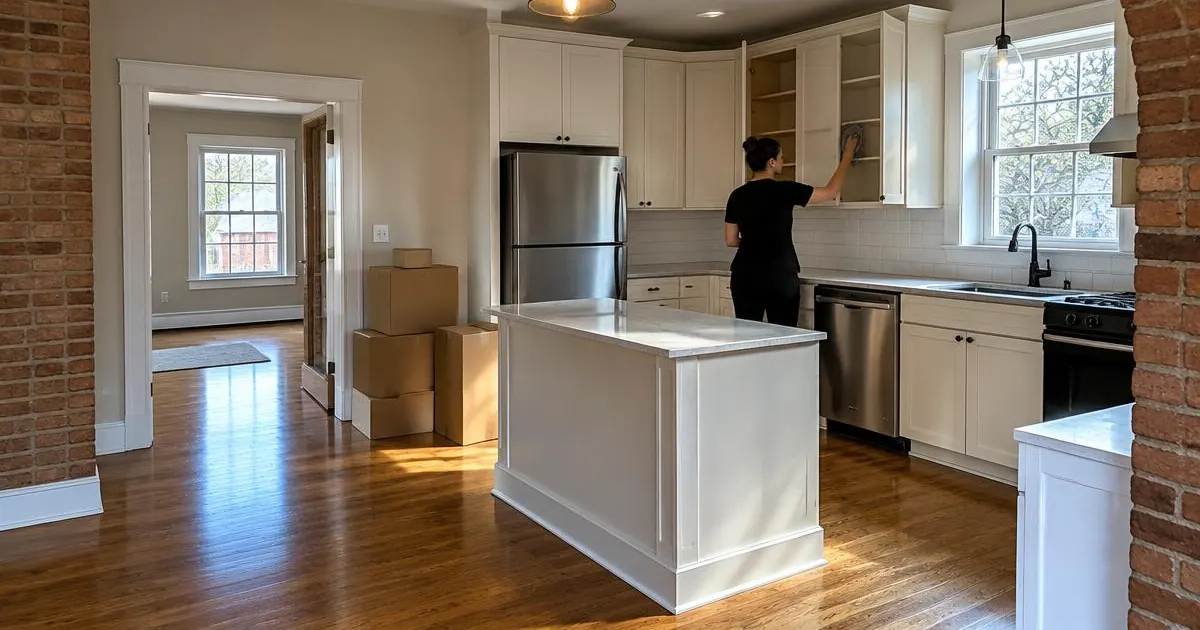
Empty cabinets and drawers before cleaning begins. Remove liners you do not want to keep, and point out adhesive residue rather than scraping it from an unfamiliar finish. If food, dishes, or personal items must remain, identify those areas ahead of time and discuss the resulting limits on interior access.
For a refrigerator, arrange a suitable place for food and follow the appliance manufacturer's instructions about operating settings and removable parts. Let an oven cool before anyone works inside it. Report damaged seals, loose shelves, or cracked components so cleaning does not become an attempt to repair an existing problem.
Ask before expecting appliances to be pulled away from walls. Heavy units, water lines, electrical connections, and delicate floors can make moving them inappropriate. Cleaning accessible interiors and exteriors is different from disconnecting or relocating equipment. Photograph existing damage for your own move records, and keep appliance manuals or model information available when a finish or component needs special care.
Protect condo finishes and shared building areas
Condo access planning should protect the route into the home as well as the rooms being cleaned. Ask management about permitted door stops, elevator padding, and rules for placing supplies in hallways. Keep fire doors, exits, and neighbors' entrances unobstructed. Cleaning a private unit does not automatically include shared corridors, elevators, or the loading area.
Choose surface care by material
Identify stone countertops, wood flooring, coated appliances, and any newly installed finishes. Use manufacturer-safe surface care rather than selecting a product solely because it removes buildup quickly. Avoid acids on stone. When the material is uncertain, check care instructions before treatment; a stronger product is not necessarily a better choice.
Keep cleaning and disinfecting distinct
Never mix cleaners. Disinfect only when appropriate, using a suitable product and its full label contact time. Cleaning visible soil and disinfecting are different tasks, and rushing a wet surface dry can undermine the intended use. Tell the team about product sensitivities and building ventilation restrictions before work begins.
Match expectations to condition, not the word empty
An empty condo may still have baked-on oven residue, mineral deposits, packed drawer corners, or floor buildup hidden by furniture. Describe those conditions when requesting a quote. Useful photos show the whole room and close views of the concern; they help frame questions but cannot reveal every access or material issue.
Distinguish ordinary move cleaning from intensive detailing. Detailing beyond deep clean may take more than one day, so do not anchor an unusually demanding project to an assumed single-day handoff. Ask which priorities are feasible and whether additional work needs separate discussion.
Cleaning is not restoration. Etched stone, worn coatings, damaged grout, and permanent discoloration may remain after soil is removed. Flag suspected mold, sharps, unknown residues, or other potentially hazardous conditions before anyone arrives. Do not expect mold removal or hazardous waste handling as part of the move clean. Pause plans for affected areas until the situation has been assessed and appropriate handling is arranged.
Request a quote that fits the property and service
For a residential quote, provide the address and unit, approximate size, bathrooms, occupancy status, requested date, and access restrictions. Explain whether this is a move-in or move-out, which appliances are present, and whether you want optional interior windows. Include the onsite contact and who can approve scope changes if unexpected conditions appear.
If you want ongoing cleaning after settling in, ask about the correct service sequence. Standard/recurring service is available only after an initial deep clean; it is not a one-time or first-time service. The first standard/recurring quote includes that initial deep clean. Do not assume a move-clean booking replaces that requirement.
A business relocation needs a different quoting process. Commercial/industrial cleaning and commercial post-construction require a free in-person walkthrough before pricing. Provide the business name, approximate square footage, restroom count, preferred date/time window, and onsite contact. Photos or a residential-style request do not replace that walkthrough, and hazardous work is never promised.
Close the handoff with a practical walkthrough
Before returning keys or bringing boxes upstairs, review the agreed scope while rooms are still accessible. Check cabinet interiors and appliance interiors, then look at floors, bathroom surfaces, and any optional work requested. Compare results with the agreed tasks rather than a checklist borrowed from another property or service.
If something needs attention, identify the exact location and concern promptly. A description such as residue on the lower refrigerator drawer is more useful than saying the kitchen needs more work. Distinguish remaining soil from damage or wear, and ask for clarification when you are unsure.
Finish the access handoff deliberately. Confirm that windows and doors are secured as instructed, lights are handled appropriately, and keys or fobs go to the authorized person. Follow building rules for waste disposal rather than leaving bags in a loading space. For move-ins, direct the first boxes to their intended rooms so newly accessible floors and storage do not immediately become an obstacle course.