Move-In/Move-Out
Move In Move Out Cleaning Des Peres: Keeping Boxes Off Clean Surfaces
A cleaner move starts with separating packing work from finished rooms. Plan access, cabinet and appliance cleaning, and box placement before unloading begins.
move in move out cleaning Des Peres: Keeping Boxes Off Clean Surfaces
When planning move in move out cleaning Des Peres, treat boxes as part of the cleaning plan, not just the moving plan. Cardboard, packing paper, shoes, and hand trucks can carry debris onto surfaces that were just cleaned. For a Des Peres move, the most useful starting question is simple: where will packing and unloading happen without undoing the cleaning?
Before requesting service from Prime Cleaning MO LLC, identify when you will have authorized access, when belongings will leave or arrive, and which rooms will still contain furniture. Explain whether utilities will be working and whether another crew will be painting, repairing, or moving items during the same access window. These details help define a workable scope rather than assuming an empty home.
If the keys become available only shortly before unloading, prioritize coordination. Ask whether cleaning can proceed room by room while movers use a separate staging area. If crews would constantly cross each other’s paths, discuss a different sequence instead of assuming every surface can stay untouched.
Create a packing zone that stays separate from finished rooms
Choose one staging area near the entry for incoming boxes, wrapping materials, and items awaiting decisions. It should leave doors, stairs, and walking routes clear. A designated portion of a room is often more practical than spreading boxes across every available floor. Tell everyone helping with the move which area is for staging and which areas should remain clear.
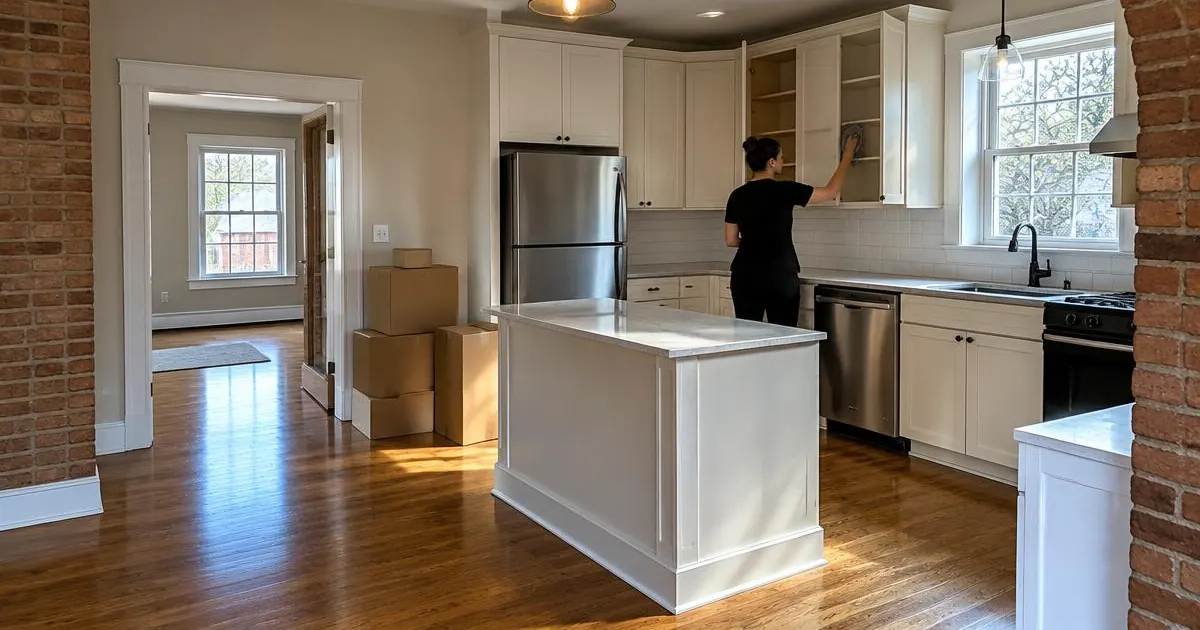
Use a simple boundary everyone understands: boxes stay on the staging side; cleaned counters, shelves, and cabinet interiors stay empty until items are ready to be put away. Do not use kitchen counters as a temporary sorting bench for dusty cartons. Keep a separate bag or container for discarded tape and packing scraps so they do not migrate through the home.
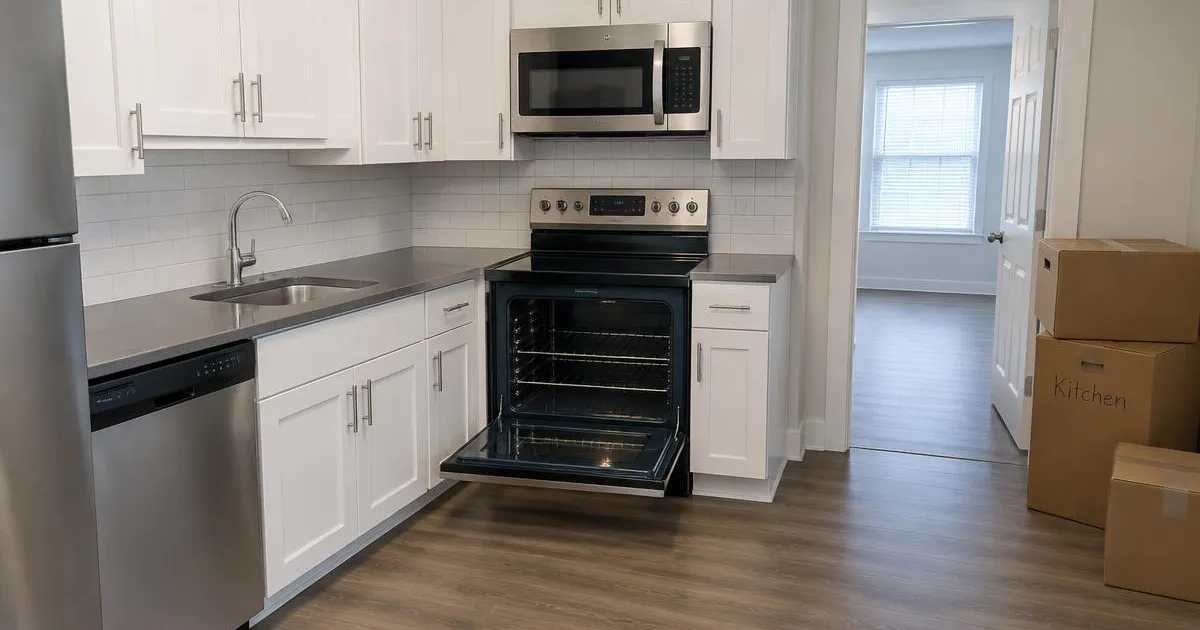
For example, if the kitchen is cleaned before the bedrooms, leave kitchen boxes in staging. Open each carton there, remove the contents, and carry only ready-to-store items into the kitchen. If a temporary floor covering is needed, choose one suitable for the flooring, avoid damaging adhesives, and secure it without creating a trip hazard.
Explore our move-in/move-out service and cleaning in Des Peres, MO for property-specific information.
Confirm what belongs in the cleaning scope
A useful quote distinguishes service types instead of treating every cleaning visit as interchangeable. Describe the condition of the property, occupied areas, and access limitations. Mention heavy buildup or detailed work that could go beyond ordinary deep cleaning; detailing beyond a deep clean may take more than one day.
Move-in and move-out interior cleaning
Move-In/Move-Out service includes inside and outside cabinets and appliances. Before the visit, discuss which units and storage areas are present and make their interiors accessible. Ask how food, freezer contents, shelf liners, and personal belongings should be handled. Do not assume the cleaning team will unpack boxes, relocate heavy appliances, or dismantle components to reach concealed areas.
Deep cleaning, recurring care, and windows
For a deep clean, appliance interiors and inside cabinets are optional add-ons. Standard or recurring cleaning is available only after an initial deep clean, not as a first-time or one-time service; the first standard or recurring quote includes that deep clean. Interior windows are optional for all services except Airbnb turnovers. Request them explicitly for a move rather than assuming they are included.
Prepare cabinets and appliances before packing takes over
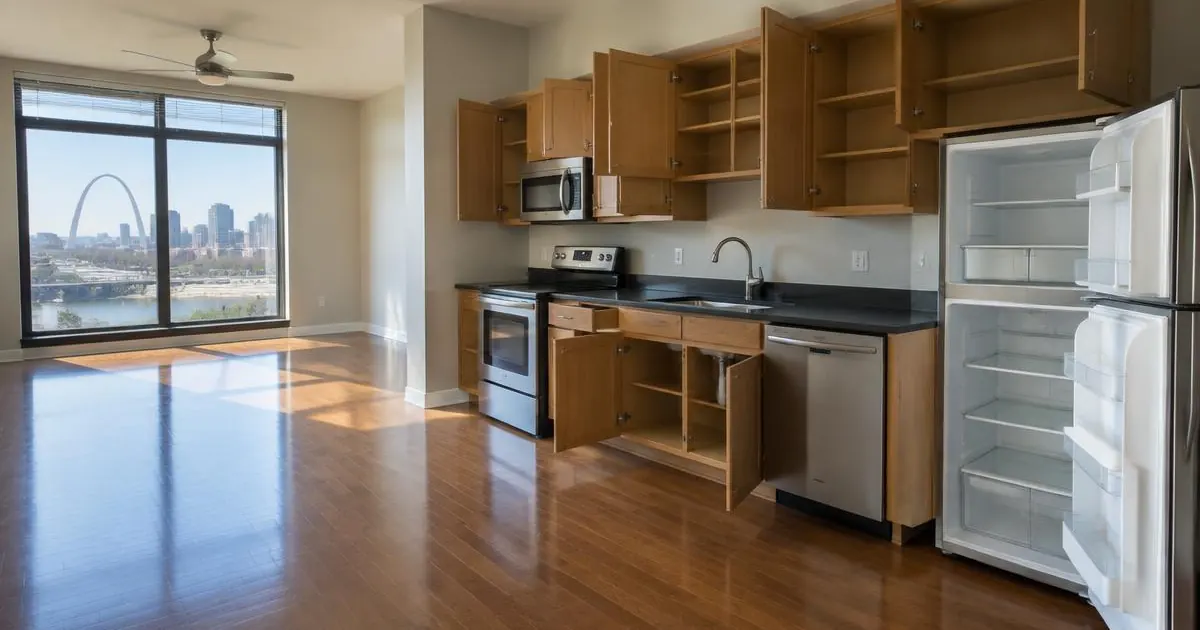
Empty cabinets into labeled boxes before cleaning begins, keeping anything you still need in a separate essentials container. Remove loose shelf paper if appropriate, or ask about it before the visit if it is adhered or fragile. Identify damaged hinges, chipped finishes, or other existing issues so the discussion stays focused on cleaning rather than repair.
For the refrigerator, arrange safe storage for food and follow the manufacturer’s instructions if defrosting is needed. Tell the cleaner about ice buildup or an appliance that is not operating normally. Avoid disconnecting utilities, moving a range, or pulling out a connected appliance simply to create access; discuss reachable surfaces and any limitations instead.
After interior cleaning, let surfaces dry before replacing dishes, food, or liners. Unpack from the cleanest contents first. A dusty small appliance should not move directly from a carton into a freshly cleaned cabinet. Wipe suitable items according to their care instructions elsewhere, then put them away without setting the shipping box on the counter.
Sequence the work from empty spaces to final floors
Plan around which rooms can actually be released for cleaning. In a move-out, removing belongings first exposes shelves, floor edges, and areas hidden by furniture. In a move-in, cleaning before unloading reduces obstacles. When neither arrangement is possible, identify a clear room that can be cleaned and kept free of boxes while another area remains active.
A practical sequence is to clear accessible storage, address higher surfaces and fixtures, clean cabinets and appliances, and finish floors after debris-producing work in that area. The exact order depends on the property and agreed scope. Packing, drilling, or furniture assembly should not resume over a freshly cleaned floor without expecting some additional cleanup.
Consider a two-bedroom move with a busy hallway: clean the empty bedrooms while cartons remain in the designated staging area, then keep those rooms closed until furniture can go directly to its destination. Leave the main carrying route for a later floor pass where scheduling allows. This reduces repeated crossings, although it cannot prevent every mark during unloading.
Protect surfaces with appropriate products and methods
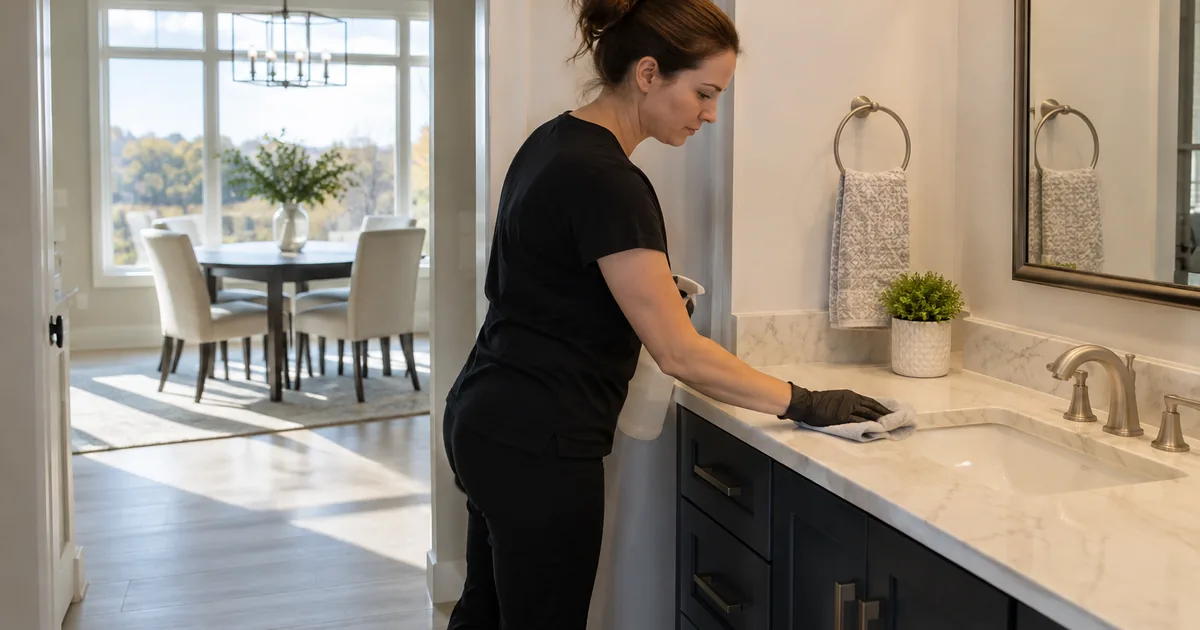
Point out natural stone, specialty coatings, unfinished wood, and any surfaces with specific care instructions. Manufacturer-safe surface care matters more than using the strongest available product. Avoid acids on stone, and never mix cleaners. If a surface or finish is uncertain, identify it before applying a product rather than experimenting during a rushed move.
Cleaning and disinfecting are different tasks. Disinfect only when appropriate, using a product suitable for the surface and following the full label contact time. A quick wipe does not necessarily meet those directions. Keep unpacked food, dishes, children’s belongings, and other sensitive items away from active cleaning areas.
Set aside leaking containers, unidentified substances, and items requiring special handling rather than placing them in a cleaning route. Do not assume ordinary move cleaning includes hazardous waste handling or mold removal. Report suspected hazards before the appointment so access and service limits can be discussed. Cleaning also should not be presented as restoration of scratched, stained, or deteriorated materials.
Ask scope questions before requesting a quote
Give Prime Cleaning MO LLC a clear description of the home, including approximate size, bathrooms, current occupancy, and areas that will remain blocked. Ask: Will all cabinet and appliance interiors be empty? Are interior windows requested? Which rooms must stay available for packing? Who can authorize access or answer questions onsite? Photos may help explain conditions, but they do not make inaccessible areas available.
Separate cleaning priorities from move logistics. For example, if boxes will cover the dining room, say so before requesting that floor’s cleaning. If keys must be returned at a particular time, disclose that constraint and ask what scope can be agreed upon. Do not rely on an assumed completion time or assume cleaning satisfies every lease requirement.
A business relocation follows different quoting requirements. Commercial, industrial, and commercial post-construction cleaning require a free in-person walkthrough before pricing. Provide the business name, approximate square footage, restroom count, preferred date and time window, and onsite contact. Describe any unusual materials or conditions in advance; hazardous work should never be presumed available.
Keep the handoff clean after the cleaners leave
Before unloading resumes, check the agreed areas while they are still visible. Look inside accessible cabinets and appliances, confirm that requested extras were addressed, and raise questions promptly. This is a scope review, not an expectation that cleaning repairs damage or makes every material look new. Keep records of existing condition separate from cleaning concerns.
Give movers and helpers a short placement plan: cartons in staging, furniture in its destination room, and no boxes on cleaned counters. Keep tape, scissors, and wrapping debris in the packing zone. Once each group of boxes is emptied, remove the packaging before opening the next group.
Finish with a walk through the carrying route for loose debris and new marks from moving. If you want ongoing help after settling in, discuss the required initial deep clean and recurring quote rather than assuming the move service automatically starts maintenance visits. Clear boundaries make both the move and subsequent care easier to manage.