Move-In/Move-Out
Move In Move Out Cleaning Fenton: Clearing Junk Before Cleaning
Moving cleanup works best when hauling, cleaning, and repairs have separate plans. Learn what to remove, what to disclose, and how to prepare for a useful handoff.
move in move out cleaning Fenton: Clearing Junk Before Cleaning
Planning move in move out cleaning Fenton starts with separating two jobs: removing what should leave and cleaning what will remain. A vacant room can still contain abandoned furniture, packed closets, or renovation debris that blocks access. Prime Cleaning MO LLC can help clarify the cleaning scope, but hauling should not be assumed part of that scope.
The goal is a practical handoff, whether you are returning keys or preparing to unpack. Identify who controls access, who removes unwanted belongings, and which spaces must be empty before cleaning begins. That preparation matters more than choosing a service solely by the number of bedrooms.
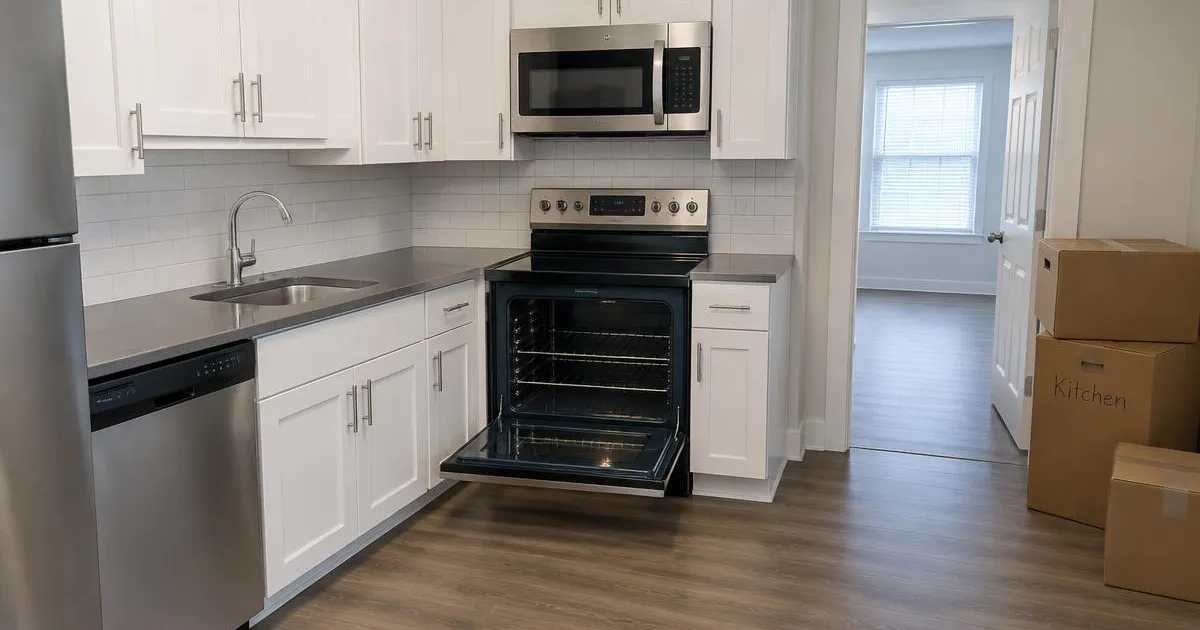
For example, a kitchen with cleared countertops but fully stocked cabinets is not ready for the same work as an empty kitchen. Tell the cleaning team what will remain so the plan reflects actual access rather than an assumption that the entire home is vacant.
Separate Hauling From move in move out cleaning Fenton
Hauling deals with removing objects and materials. Move cleaning deals with accessible surfaces, fixtures, cabinets, and appliances. A sofa awaiting disposal, bags of discarded clothing, or leftover flooring creates a removal task before it creates a cleaning task. Do not assume cleaners will transport those items or decide what can be thrown away.
Walk through each room and assign remaining items to three destinations: moving with you, staying with permission, or leaving through a separately arranged disposal option. Confirm responsibility with the owner, tenant, or property manager rather than leaving an ambiguous pile beside the door.
Use Access as the Decision Test
Ask whether a cleaner can reach the floor, open the cabinet, and work around the fixture without relocating belongings. If not, arrange removal or discuss the limitation before booking. Even a few boxes can obstruct a closet floor. Loose nails, unidentified containers, and questionable waste require disclosure; hazardous handling is never something to assume.
Explore our move-in/move-out service and cleaning in Fenton, MO for property-specific information.
Define the Cleaning Scope Before Comparing Quotes
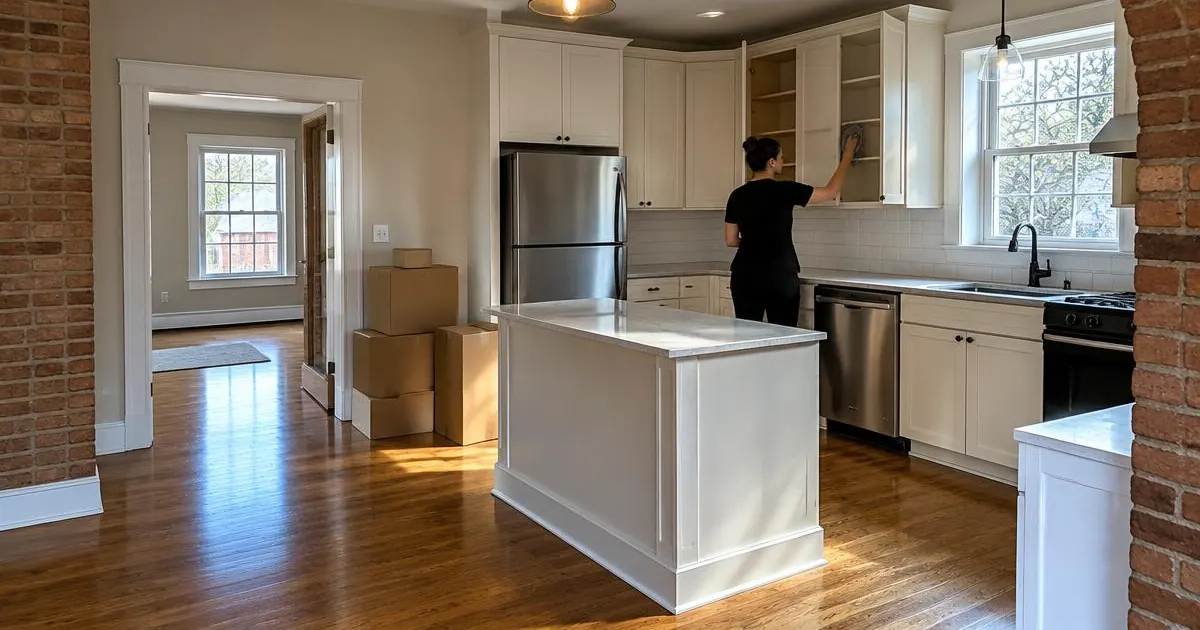
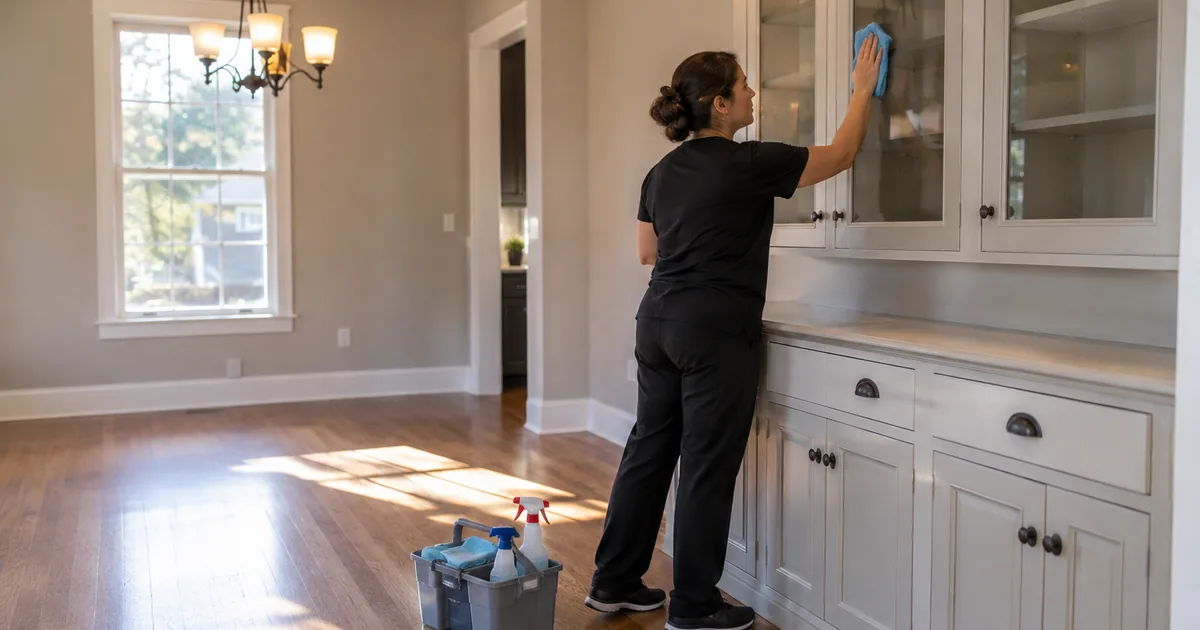
Move-In/Move-Out service includes inside and outside cabinets and appliances. That distinction matters when comparing it with a deep clean, where appliance interiors and inside cabinets are optional add-ons. Describe the property as it will actually be presented, including remaining possessions and appliances that cannot safely be accessed.
Ask which appliances are covered, whether drawers must be completely empty, and how inaccessible surfaces will be treated. Interior windows are optional for move cleaning and all other services except Airbnb turnovers. If glass is a priority, request that addition explicitly instead of assuming that every interior glass surface is included.
Choose the Service by the Situation
An empty home changing occupants points toward Move-In/Move-Out. An occupied home needing an intensive reset may fit a deep clean. Standard or recurring cleaning is available only after an initial deep clean, not as a first-time or one-time service. The first standard or recurring quote includes that initial deep clean.
Prepare Cabinets and Appliances for Interior Cleaning
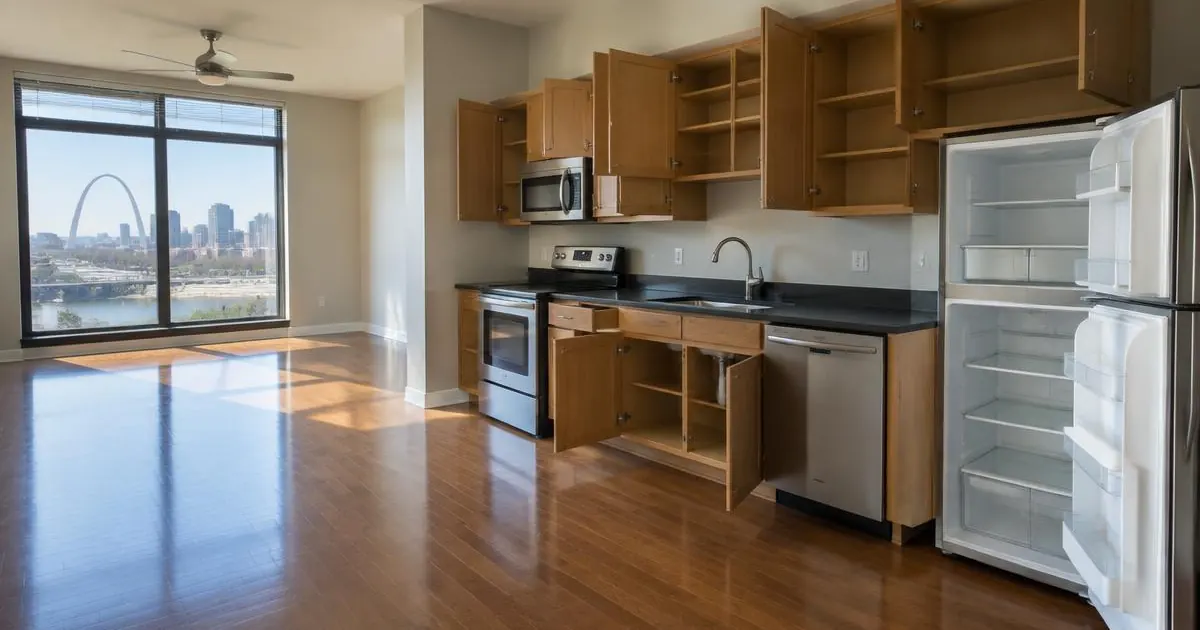
Empty cabinets and drawers of food, dishes, shelf paper you want discarded, and personal belongings. If a liner is stuck or a finish is peeling, mention it rather than scraping it away aggressively. Cleaning does not mean restoration, and damaged finishes may need a separate repair decision.
Remove food from the refrigerator and freezer, and arrange appropriate storage for anything you are keeping. Share appliance instructions or known problems, such as a loose oven door seal or a cracked refrigerator drawer. Ask about appliance settings before unplugging equipment or starting a self-cleaning cycle.
For a move-out, decide who will remove forgotten food and dispose of it before the appointment. For a move-in, avoid filling cabinets before their interiors are cleaned. If a delivery arrives early, place boxes in an agreed area rather than spreading them across the kitchen. Do not pull out heavy appliances yourself unless doing so is safe and appropriate for the installation.
Coordinate Keys, Utilities, and the Order of Work
Build the cleaning plan around access, not simply the date written on a moving calendar. Confirm that possession has transferred or that the person booking has permission to authorize entry. Identify who will provide keys or entry instructions and who can answer questions if a locked room or unexpected condition changes the scope.
Verify that water and electricity will be available. Share parking and building-entry rules, including any restrictions affecting equipment access. If movers, painters, or installers are also scheduled, discuss their sequence so cleaning is not immediately undone by cartons, dust, or foot traffic.
A useful decision example is a bedroom awaiting furniture removal while the rest of the home is empty. Ask whether accessible areas can be addressed separately or whether rescheduling makes more sense. Do not assume the team can clean around an active move without affecting the agreed work. Make the access plan explicit before arrival.
Match Surface Care to Materials and Condition
Tell the team about natural stone, unsealed surfaces, specialty finishes, and any manufacturer restrictions you know. Manufacturer-safe surface care starts with identifying the material and selecting a compatible method. Avoid acids on stone, and never mix cleaners. More aggressive chemistry is not automatically a better answer to stubborn residue.
Cleaning and disinfecting are different tasks. Disinfect only when appropriate, using a product suitable for the surface and allowing the full label contact time. A quick spray and immediate wipe should not be represented as completed disinfection when the label requires otherwise.
Report heavy buildup, lingering odors, moisture damage, or signs of pests before the visit. Some conditions need assessment or a separate qualified provider rather than stronger cleaning. Detailing beyond a deep clean may take more than one day, depending on the condition and agreed work. Cleaning should not be framed as mold removal, restoration, or hazardous waste handling.
Use a Focused Handoff Instead of Assuming Every Task
Before a move-out clean, review any written cleaning requirements from the lease or property manager. Share relevant instructions with Prime Cleaning MO LLC and ask which items fit the proposed scope. Cleaning cannot determine how an owner evaluates damage, wear, or deposit deductions, so keep those questions separate.
For a move-in, prioritize surfaces you will cover immediately: cabinet shelves, appliance interiors, closet floors, and areas where furniture will sit. Agree on priorities without treating any service description as a complete universal checklist. Accessibility, condition, and requested additions still matter.
At handoff, compare the work with the agreed scope and raise specific questions. A dark mark on flooring might be removable residue, a stain, or finish damage; describe its location rather than assuming its cause. Keep a record of pre-existing damage and any areas that remained blocked. That record helps distinguish a cleaning concern from an access limitation or repair issue.
Send the Right Details for a Useful Quote
For a residential Fenton move, provide the property size, room and bathroom counts, occupancy status, requested service, and preferred access window. Explain what still needs hauling, which cabinets contain belongings, and whether appliance interiors are accessible. Photos can help communicate buildup or obstruction, but they do not replace clear descriptions.
Mention optional interior windows and any unusually intensive detailing. Ask how discoveries that change the scope will be discussed before additional work proceeds. The aim is a quote based on the actual cleaning need, not an assumed empty home.
If the move involves commercial or industrial premises, or commercial post-construction cleaning, pricing requires a free in-person walkthrough first. Provide the business name, approximate square footage, restroom count, preferred date/time window, and onsite contact. Residential moving assumptions should not carry over to those spaces. Disclose debris and potential hazards; the walkthrough is not a promise to handle hazardous work.