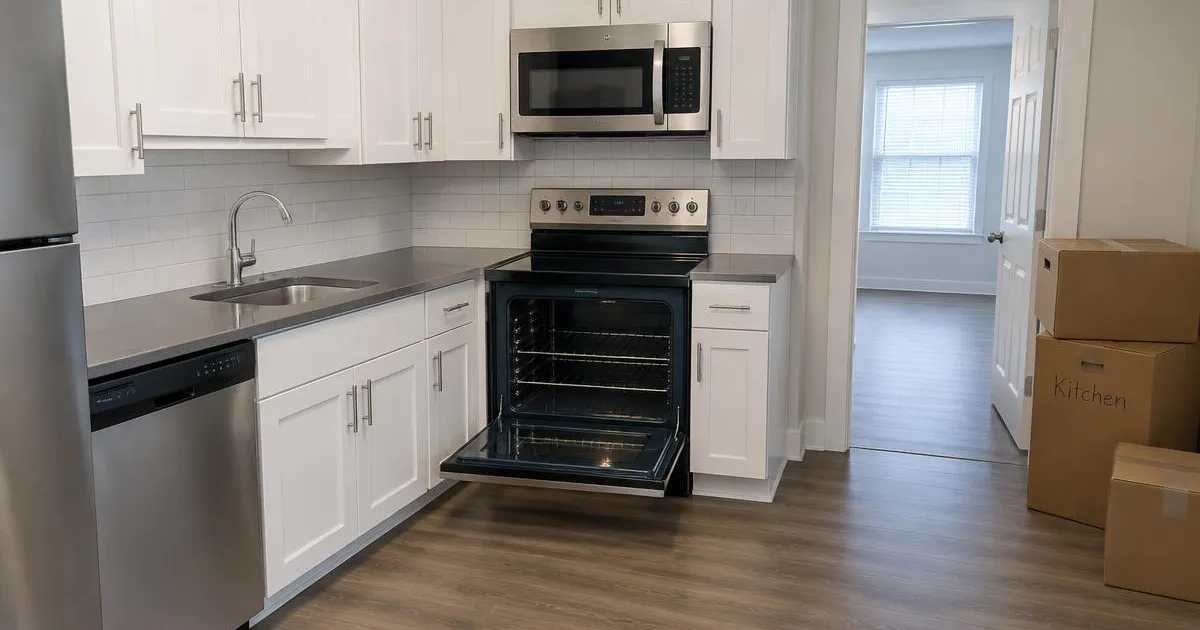
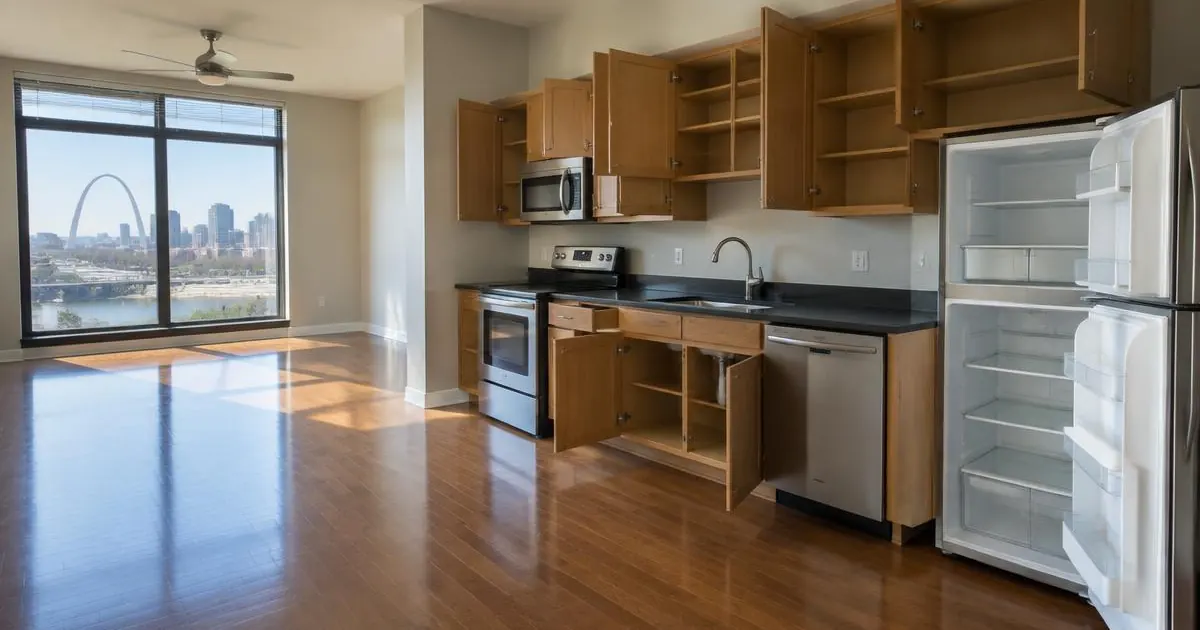
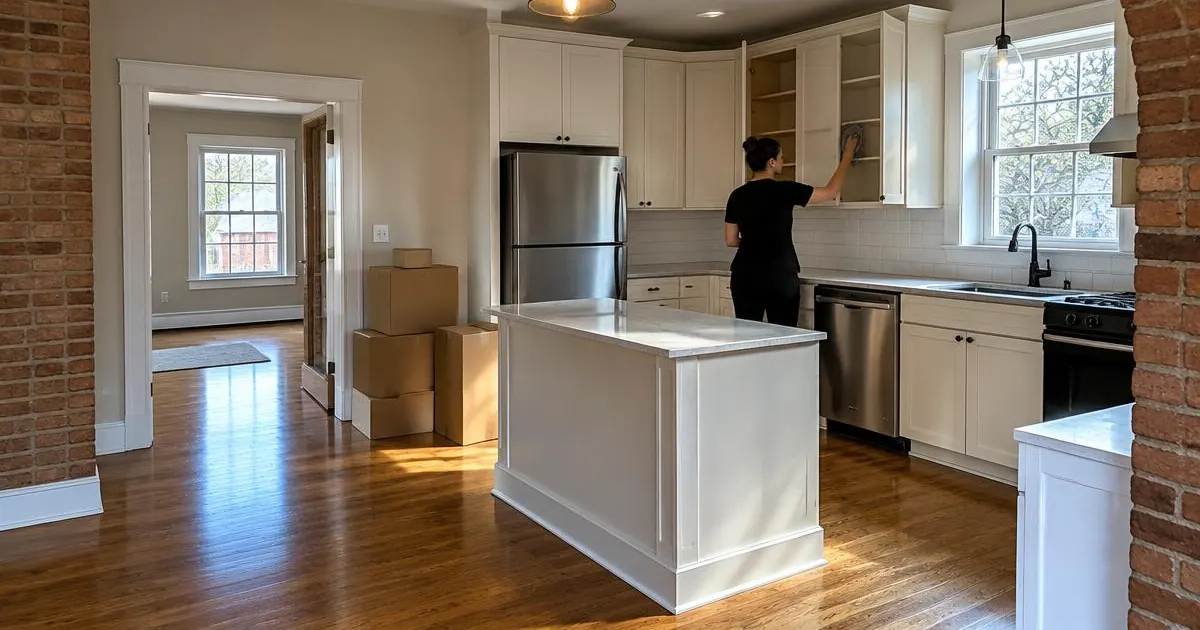
Move-In/Move-Out
Move In Move Out Cleaning Ladue: When a Home Needs Extensive Detailing
An empty home is not always a simple cleaning project. Learn how to separate ordinary move cleaning from extensive detailing and prepare a useful scope before the boxes arrive.
move in move out cleaning Ladue: When a Home Needs Extensive Detailing
The best starting point for move in move out cleaning Ladue is not a room count alone. It is deciding what must happen between gaining access and bringing in belongings—or between removing your belongings and returning the keys. An ordinary empty-home clean and extensive detailing can involve the same rooms but very different amounts of work. Prime Cleaning MO LLC needs the condition, access arrangements, and requested scope to help distinguish them.
Start with three questions: Will the property be empty? Are utilities working? Is the goal a practical move-ready clean or closer attention to accumulated residue and neglected edges? A vacant kitchen with light crumbs differs from one with grease across cabinet faces and baked-on appliance buildup. Describe those conditions rather than relying on phrases such as “just a thorough clean.” For a Ladue move, confirm the exact property address and who can authorize access, especially when possession and moving arrangements are still being finalized.
Separate ordinary empty-home cleaning from extensive detailing
Ordinary empty-home cleaning addresses accessible household soil within the agreed move-cleaning scope. Extensive detailing means additional attention where buildup, complexity, or numerous small surfaces make that scope more demanding. Think layered grease around cabinet hardware, residue along drawer edges, or several bathrooms with substantial soap buildup. Empty rooms make surfaces easier to reach; they do not automatically make those surfaces quick to clean.
Use condition examples when deciding what to request. If cabinet interiors contain loose crumbs and shelves wipe clean readily, describe that straightforward condition. If drawers have sticky lining residue or hinges are surrounded by grime, send close-up photos and ask what treatment is feasible. Do not assume cleaning will reverse discoloration, scratches, worn finishes, or permanent staining.
Detailing beyond a deep clean may take more than one day. Allow that possibility in your move plan rather than placing cleaning immediately before an inflexible key handoff. Ask which priorities can be addressed within the available access and which require a separately agreed scope.
Explore our move-in/move-out service and cleaning in Ladue, MO for property-specific information.
Know what cabinet and appliance coverage actually means
For Prime Cleaning MO LLC Move-In/Move-Out service, cleaning includes inside and outside cabinets and appliances. That distinction matters: with deep cleaning, appliance interiors and inside cabinets are optional add-ons. Choose the service that matches the move rather than assuming that every service name includes the same interior work.
Cabinets need to be empty and accessible
Remove dishes, pantry items, and loose drawer contents before the visit. Flag shelf liners, adhesive residue, damaged veneer, and adjustable shelves that are difficult to remove. Ask whether any unusual residue falls within the agreed scope before someone tries to scrape it. Cleaning the interior is not permission to discard belongings or alter a cabinet finish.
Appliance interiors require preparation, not assumptions
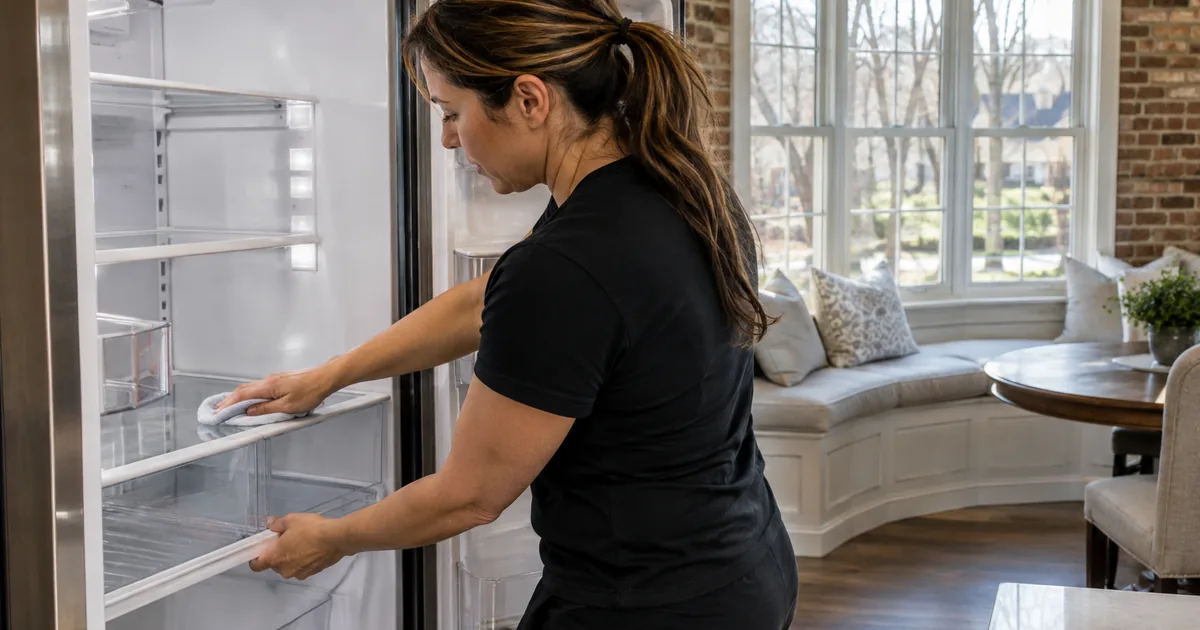
Empty the refrigerator and freezer, and explain any frost, spoiled food, or malfunction. Identify appliances that need special handling and share available manufacturer instructions. Ask about access limitations before expecting work behind or beneath heavy appliances. Included interior cleaning does not automatically authorize moving, disconnecting, repairing, or dismantling equipment.
Walk through the home and record the difficult details
Make a room-by-room note before requesting a quote. Record the number of bathrooms, approximate home size, floor materials, and whether any furniture remains. Then add the conditions that change the workload: cooking residue, pet hair accumulation, mineral deposits, adhesive patches, or dust lodged around detailed trim. Photograph both the room and the specific concern so close-ups have context.
Ask scope questions that lead to useful decisions. Are reachable light fixtures a priority? Do door edges need extra attention? Are there fragile finishes, loose hardware, or surfaces that should not be touched? Which rooms must be ready first if access is limited? These questions create a workable plan without pretending one checklist covers every property.
Interior windows are optional for move-in/move-out cleaning and should be requested explicitly. Identify the windows involved and ask what accessible glass and related surfaces the quote covers. Interior windows are optional across other service categories except Airbnb turnovers; do not transfer assumptions from one service to another.
Protect the gap between cleaning and moving activity
Plan cleaning after belongings and loose packing materials are removed whenever possible. If a moving crew will still be working, identify which rooms will be clear and whether cleaning can proceed without crossing active carrying routes. Floors cleaned before repeated trips with boxes may need attention again; discuss that conflict rather than assuming a return visit is included.
Confirm working water, electricity, lighting, and any building access requirements. Share parking or loading restrictions that affect entry, along with the name of the person available to resolve access problems. Keep keys, entry instructions, and permission to enter clear when different people manage the move and the property handoff.
For a move-in, hold back shelf stocking until cabinet interiors are cleaned and dry. For a move-out, remove remaining personal items before the agreed walkthrough. If tradespeople are still sanding, painting, or installing fixtures, explain that work before booking. Active dust-producing work can undermine completed cleaning and may require a different scope.
Set safe surface-care limits before detailing begins
Extensive detailing should mean careful attention, not increasingly aggressive chemicals or tools. Identify natural stone, coated appliances, wood finishes, and other sensitive materials in advance. Manufacturer-safe surface care should guide product and tool selection. Avoid acids on stone, never mix cleaners, and raise uncertainty about an unfamiliar finish before treatment rather than after damage occurs.
Cleaning and disinfecting are different tasks. Disinfect only when appropriate for the surface and situation, using a suitable product and allowing its full label contact time. A quick spray followed by an immediate wipe should not be presented as proper disinfection when the label requires longer contact.
Some conditions need assessment outside ordinary cleaning. Report suspected mold, unknown substances, sharp objects, pest contamination, or other potentially hazardous conditions before entry. Do not assume move cleaning includes mold removal or hazardous waste handling. Likewise, mineral etching, damaged grout, and worn coatings may remain visible after soil is removed; cleaning is not restoration or repair.
Request a quote that matches the property and service
Send one organized request with the Ladue property address, approximate size, bathroom count, desired date and access window, vacancy status, photos, and priorities. State that you need Move-In/Move-Out service, and identify extensive detailing concerns and optional interior windows. Ask what assumptions the quote uses and how newly discovered conditions would be discussed before additional work proceeds.
If you are comparing deep cleaning instead, remember that inside cabinets and appliance interiors are optional add-ons for that service. Standard/recurring cleaning is available only after an initial deep clean, not as a first-time or one-time substitute. A first standard/recurring quote includes that initial deep clean.
A business relocation needs a different quoting process. Commercial/industrial cleaning and commercial post-construction cleaning require a free in-person walkthrough before pricing. Provide the business name, approximate square footage, restroom count, requested date/time window, and onsite contact. Describe construction activity or unusual materials during that assessment; hazardous work is never something to assume will be accepted.
Review the result against the agreed priorities
Before work begins, keep a short written record of included areas, optional additions, access limits, and the most important detailing concerns. This gives everyone a shared reference at the end. It is more useful than judging the result against an unstated expectation that every mark, hidden cavity, or damaged surface can be corrected.
During the final review, look at the areas tied to your move: cabinet shelves before unpacking dishes, appliance interiors before storing food, bathroom surfaces before setting out toiletries, and floors before furniture arrives. Raise specific concerns while access is still available. Describe the location and condition instead of asking vaguely whether the home is “completely done.”
If a mark remains, ask whether it is removable soil, a material limitation, or damage requiring another trade. Then protect completed areas from packing debris and further work. A clear handoff lets you move forward with realistic expectations and a record of what was agreed, completed, or left outside scope.