Move-In/Move-Out
Move In Move Out Cleaning Lake Saint Louis: First-Week Care After Unpacking
Use the gap between getting the keys and unpacking to define cleaning priorities, protect surfaces, and establish a manageable first-week routine.
move in move out cleaning Lake Saint Louis: First-Week Care After Unpacking
Planning move in move out cleaning Lake Saint Louis starts with a practical question: what needs to be clean before your belongings block access? The interval between receiving keys and filling rooms is an opportunity to address empty storage, appliance interiors, and exposed floors. It is also the right moment to create a first-week maintenance plan that keeps unpacking from undoing that work.
Before requesting service from Prime Cleaning MO LLC, separate your needs into three lists: spaces to clean before unloading, areas that must remain accessible during the move, and tasks you can maintain afterward. For example, kitchen cabinets belong on the first list, the entry route on the second, and wiping breakfast counters on the third. This turns a broad request into clear priorities.
For a departure, use the same approach in reverse. Empty storage, remove belongings, and identify any lease or sale requirements before discussing scope. Cleaning and property repairs are different responsibilities; flag damage separately rather than assuming cleaning will resolve it.
Define your move in move out cleaning Lake Saint Louis scope
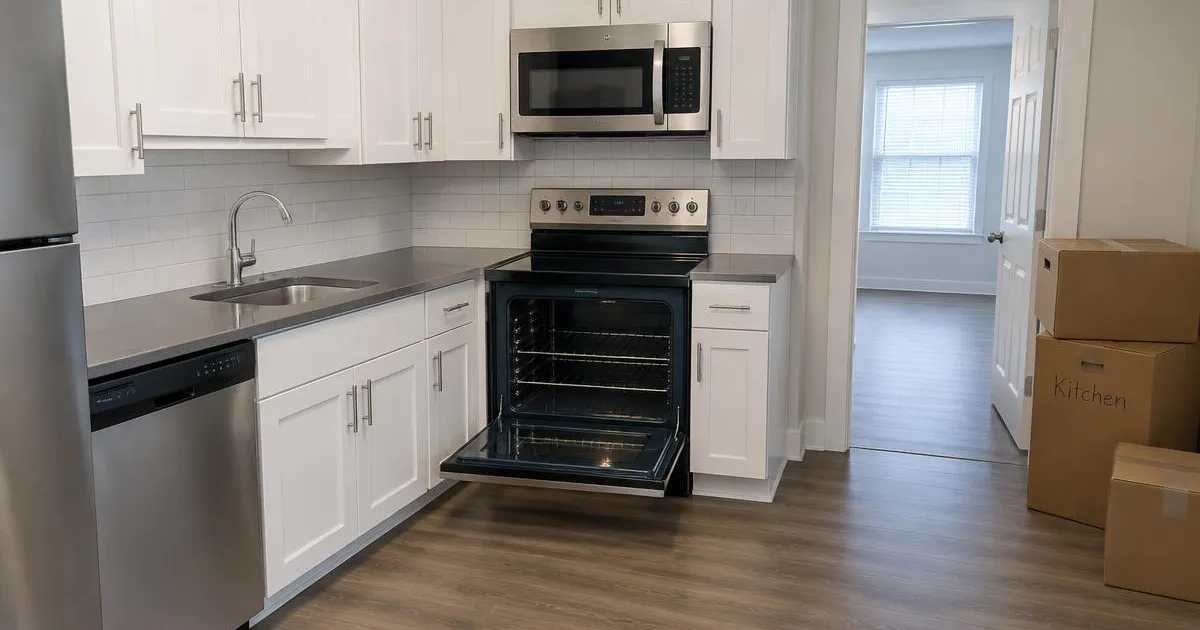
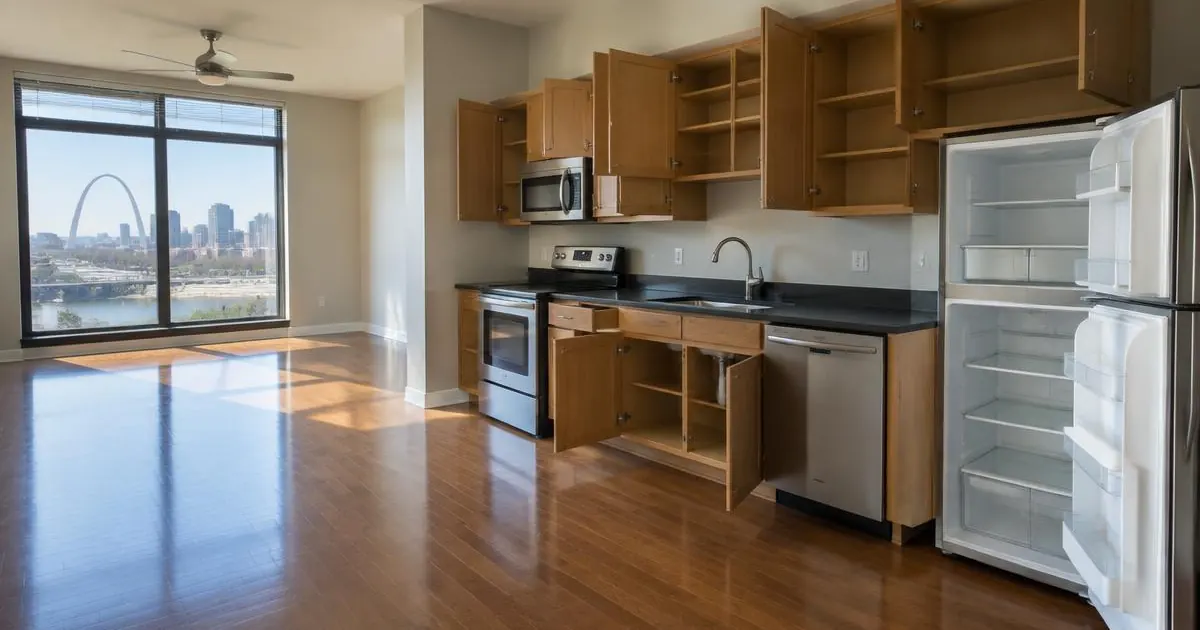
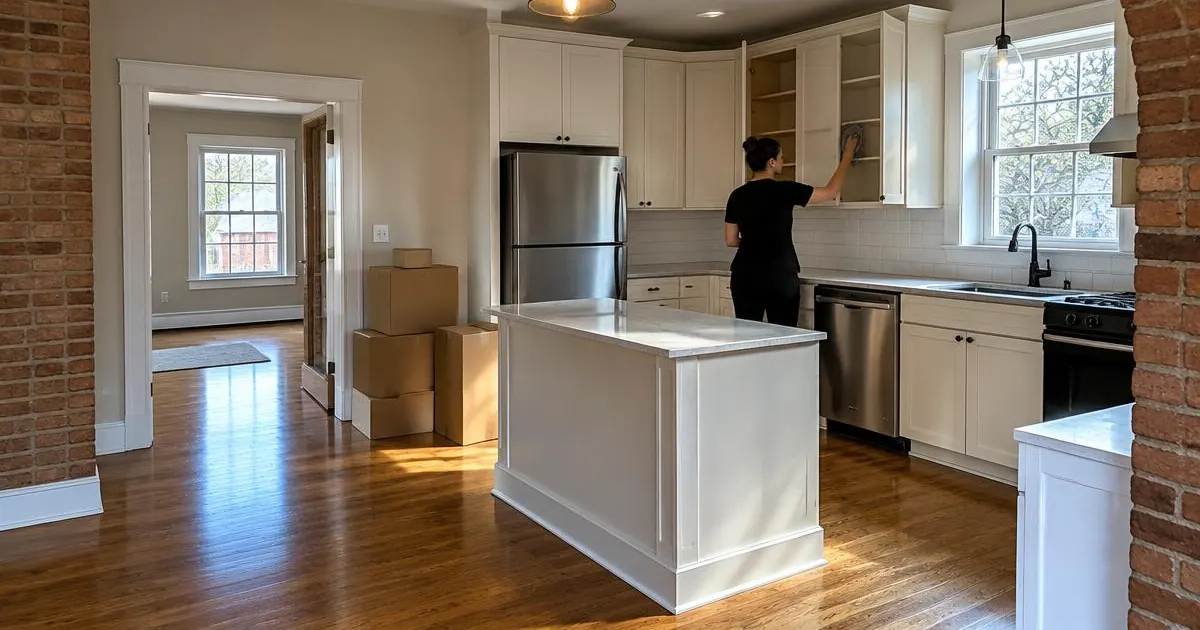
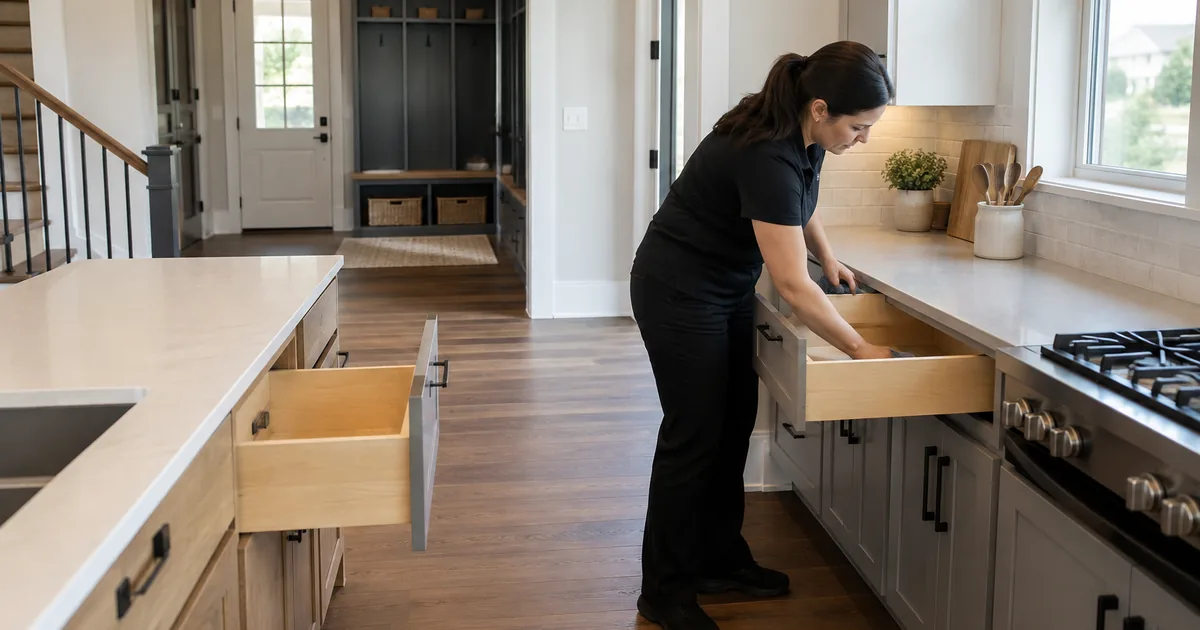
Move-In/Move-Out service includes inside and outside cabinets and appliances. That distinction matters when comparing it with a deep clean, where appliance interiors and inside cabinets are optional add-ons. Name the appliances present and identify storage areas beyond the kitchen, such as bathroom vanities or laundry cabinets. Confirm which spaces are accessible and ready to be cleaned.
Interior windows are optional for Move-In/Move-Out and other eligible services, but they are not offered as that option for Airbnb turnovers. If windows matter before furniture arrives, request them explicitly. Do not assume tracks, screens, exterior glass, or difficult-access areas are covered by an interior-window request; ask what the proposed scope includes.
Useful scope questions include: Will every cabinet be empty? Is the refrigerator staying? Are utilities connected? Does any room contain belongings that cannot be moved? Describe heavy residue or unusually detailed work before scheduling. Detailing beyond a deep clean may take more than one day, so disclose conditions rather than treating the moving schedule as proof that everything can fit.
Explore our move-in/move-out service and cleaning in Lake Saint Louis, MO for property-specific information.
Arrange access before the first box arrives
Choose a cleaning window based on possession, utility availability, and access—not simply the date printed on a moving reservation. Confirm permission to enter, the entry method, and who can answer questions. Tell the team whether movers, painters, installers, or other contractors will be present. Overlapping work can block surfaces or reintroduce dust after they are cleaned.
Decide where arriving belongings will wait. A designated staging space protects access to cabinets, bathrooms, and floors. If unloading cannot wait, keep cartons out of the kitchen and the first bathroom you intend to use until cleaning there is finished. Keep walkways clear rather than stacking boxes against doors or appliances.
For an outgoing home, check closets and drawers before the cleaning visit. Remove food, personal products, and items destined for disposal yourself unless another arrangement has been confirmed. Share parking or building-entry instructions where relevant, and keep keys available until the agreed work and your handoff review are complete.
Protect surfaces while addressing moving-day residue
Cleaning methods should follow manufacturer guidance for each surface and appliance. Share information about stone counters, coated floors, specialty finishes, and any known care restrictions. If you do not know a material, say so. Guessing can lead to a cleaner or tool being used where a gentler approach is needed.
Never mix cleaners, and avoid acids on stone. Disinfect only when appropriate for the surface and situation; when a disinfectant is used, follow its label, including the full contact time. Routine soil removal and disinfection are not interchangeable, and more chemical product does not automatically mean a better result.
Separate ordinary cleaning needs from conditions requiring assessment. Report suspicious growth, sharp debris, unknown substances, or strong unexplained odors before work begins. Do not assume cleaning includes restoration, mold removal, hazardous waste handling, or repair of damaged finishes. A stained surface may remain discolored after removable soil is addressed; discuss that distinction when setting expectations.
Make the kitchen and bathroom unpack-ready
Prioritize the spaces that support meals, hygiene, and sleep. An empty kitchen cabinet is easier to assess than one already holding dishes. Keep shelves clear until cleaning is finished and surfaces are dry, then unpack frequently used items first. Avoid immediately filling every shelf; accessible storage makes missed packing debris easier to notice.
Set up food storage before groceries
Confirm the refrigerator is empty and discuss its condition and operating status. Move-In/Move-Out includes appliance interiors and exteriors, but preparation requirements still matter. Check manufacturer instructions before removing components or changing settings. Once cleaning is complete, follow the appliance guidance for safe operation and food storage rather than assuming a wiped interior is ready for groceries.
Prepare one bathroom for immediate use
Keep towels, soap, toilet paper, and personal items in a separate essentials container. Unpack it after the bathroom is ready, leaving counters mostly open. If a fixture leaks or drains poorly, report it as a maintenance issue. A small daily wipe-down is easier when toiletries are not scattered around the sink.
Build a first-week plan around actual use
Your first week does not need an elaborate cleaning calendar. Assign a small set of tasks to the areas you are using, then expand as rooms become occupied. Keep a basic supply kit accessible and separate from packing tools. Choose products appropriate for your surfaces, and store them away from food and children.
Arrival day: contain incoming dirt
Designate an entry area for shoes and packing materials without obstructing exits. Deal with visible grit before it spreads across floors, using a manufacturer-appropriate method. Clear the kitchen work surface after unpacking essentials. Check that bathroom supplies are available, then stop rather than opening more boxes than you can organize.
Midweek through week’s end: reset occupied rooms
After meals, remove crumbs and address spills promptly. Give the active bathroom a brief check for splashes and accumulating soil. As each room is unpacked, remove packing debris and clean the newly exposed floor. At week’s end, identify recurring trouble spots: entry grit, cooking residue, or cluttered counters. Let those observations guide your ongoing routine instead of assigning equal effort to unused rooms.
Review the handoff and choose ongoing care
Before furniture covers walls or cartons fill closets, review the agreed scope against the accessible spaces. Check cabinet interiors, appliance areas, and the rooms prioritized during booking. Raise questions while access is still straightforward. This is a scope review, not an assumption that every possible surface or condition was included.
For a rental departure, compare your responsibilities with the lease and any written property instructions. Keep cleaning concerns separate from deductions involving damage or missing items. For a new home, record maintenance problems you discover while unpacking so a leak or broken fitting does not become another cleaning task.
If you want continuing help, Prime Cleaning MO LLC offers standard/recurring service only after an initial deep clean. It is not a first-time or one-time standard-cleaning option, and the first standard/recurring quote includes that deep clean. Ask how a move-related visit fits your circumstances rather than assuming it automatically replaces the required starting service.
Send a request that supports an informed quote
Describe whether you are moving in or out, the home’s approximate size, room and bathroom counts, occupancy, and preferred service window. Identify appliances, cabinets, optional interior windows, and access limitations. Photos can help communicate conditions, but they should not replace an honest description of buildup, remaining belongings, or ongoing contractor work.
If your move involves commercial or industrial premises, or commercial post-construction cleaning, a free in-person walkthrough is required before pricing. Provide the business name, approximate square footage, restroom count, preferred date/time window, and onsite contact. Hazardous work is never promised. A residential move request should not be treated as authorization for a business-space cleanup.
Finally, share your first-week priorities: which bathroom you will use, where food will be prepared, and which rooms can wait to be unpacked. Clear scope and thoughtful access make the cleaning request more useful—and leave you with a practical plan for maintaining the rooms you actually occupy.