Move-In/Move-Out
Move In Move Out Cleaning Manchester: Finishing Repairs Before Cleaning
Finish the dust-producing repairs before cleaning, then leave room for inspection and deliveries. Here is how to coordinate the space between keys and boxes.
move in move out cleaning Manchester: Finishing Repairs Before Cleaning
When arranging move in move out cleaning Manchester, finish repairs that create dust before treating a room as ready for cleaning. A painted wall, replaced cabinet, or repaired floor can require different care and access arrangements. List unfinished work, confirm who will return, and agree which rooms can remain clear between cleaning and unpacking.
Plan move in move out cleaning Manchester around repairs
The hardest part of move in move out cleaning Manchester is often deciding when the home is actually ready to clean. Keys may be available while a contractor is still sanding a patched wall, adjusting cabinet doors or replacing a fixture. For a Manchester move, put repair completion ahead of the cleaning appointment whenever possible. Cleaning before dust-producing work ends can leave you paying attention to the same surfaces twice.
Start with three separate milestones: repairs finished, cleaning completed and belongings delivered. Ask the owner, property manager or contractor what work remains, which rooms it affects and whether tools or materials will stay onsite. Share those answers with Prime Cleaning MO LLC before confirming the cleaning scope. If the answer is simply “a few touch-ups,” ask what that means. Tightening a handle creates a different scheduling problem from sanding drywall beside an open kitchen.
Explore our move-in/move-out service and cleaning in Manchester, MO for property-specific information.
Define what repair completion actually means
A repair is not ready for cleaning merely because the worker has left. Dust-producing tasks should be finished, tools and construction debris removed, and surfaces ready for the care their manufacturers allow. Paint, caulk, grout and floor finishes may have product-specific restrictions. Ask the person responsible for the repair for those instructions rather than assuming a dry-looking surface can be wiped.
Confirm that water and electricity are available, fixtures work and there are no active leaks. Photograph unfinished areas and send a short written update before the appointment. Fresh damage or a leaking connection belongs with the owner or repair professional, not on a cleaner’s task list.
Ask a completion question with a clear answer
Instead of asking whether the repairs are nearly done, ask: “Will anyone drill, sand, cut, paint or carry debris through these rooms after cleaning?” If yes, identify the rooms and reconsider the sequence. Also ask who can confirm completion onsite; a forwarded schedule alone does not establish that the space is ready.
Choose between postponing and separating the work
Postponing is usually the cleaner choice when unfinished work affects shared routes, ventilation or several rooms. A hallway repair can spread dust into otherwise finished bedrooms as workers walk through. Keeping one appointment after that work ends can be more practical than trying to protect newly cleaned surfaces.
Separating the work may make sense when the remaining task is contained and access can stay separate. For example, an isolated bathroom fixture adjustment may not prevent cleaning an empty kitchen, provided no cutting or dusty preparation remains. Discuss this arrangement before booking; do not assume a partial visit includes a later return.
Use a room-by-room decision note
Write each room’s remaining task, expected disturbance and responsible contact. Mark rooms as ready, awaiting repair or awaiting confirmation. If kitchen counters are ready but cabinet hardware is still being drilled, keep the kitchen pending. If all work is finished except an exterior task with no indoor traffic, explain that distinction so the cleaning plan reflects actual conditions.
Confirm the move-clean scope before handing over keys
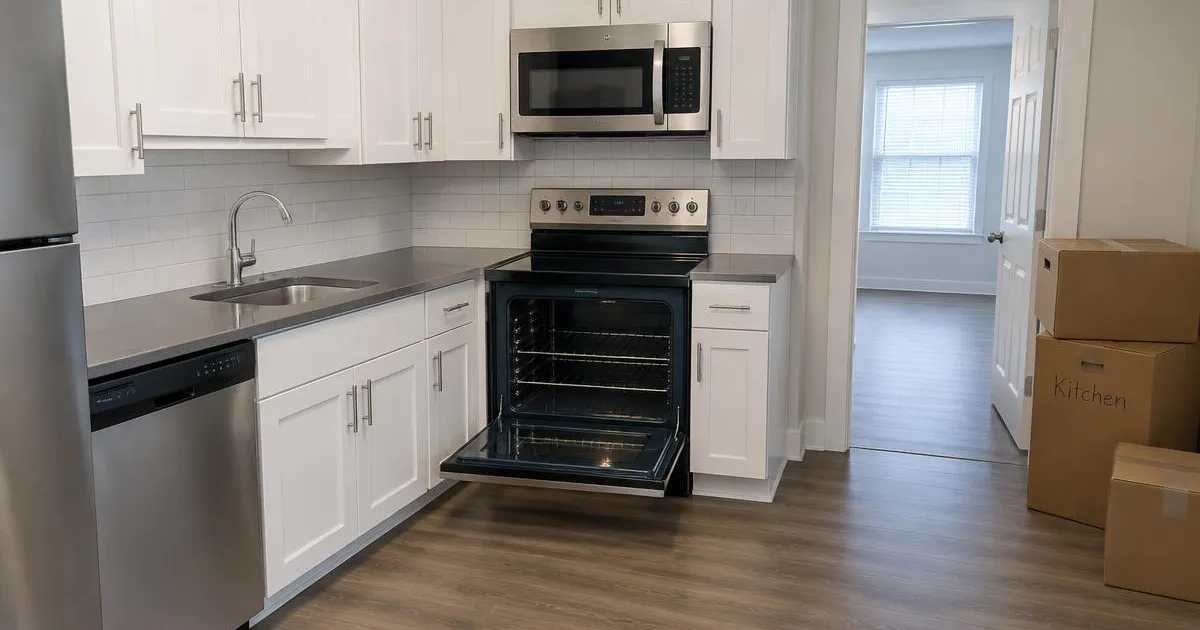
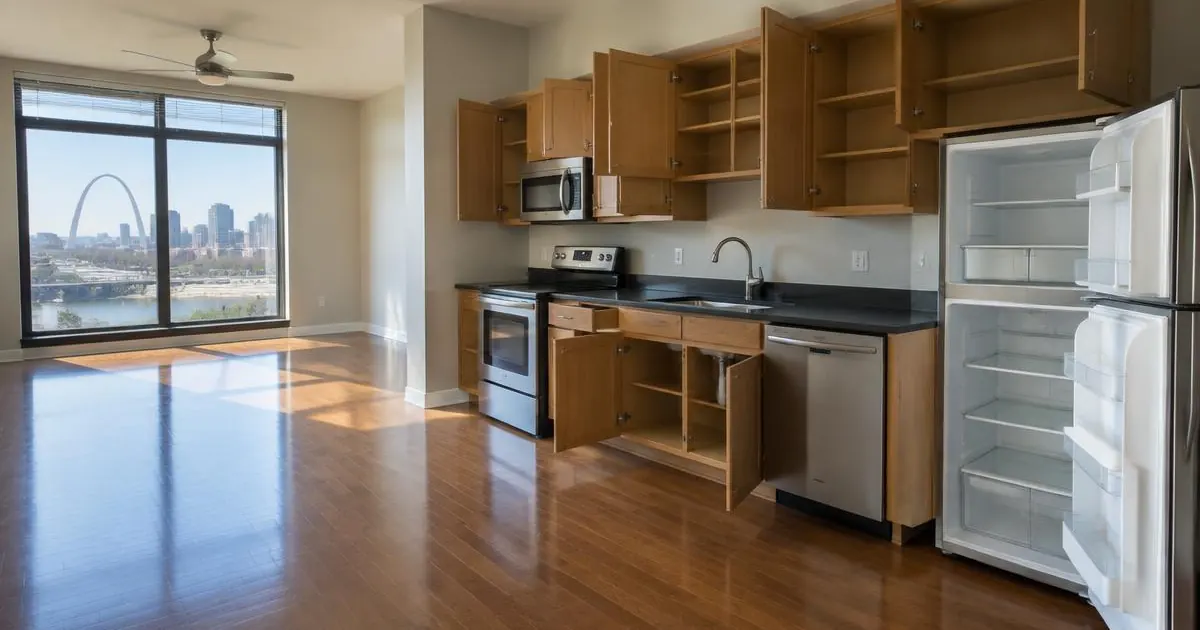
Prime Cleaning MO LLC’s Move-In/Move-Out service includes inside and outside cabinets and appliances. That matters when a home is empty: storage compartments and appliance interiors can be addressed before food, dishes and belongings occupy them. Identify which appliances are present, whether they are empty and whether anything is disconnected or awaiting repair.
Do not confuse this scope with an initial deep clean. Appliance interiors and inside cabinets are optional add-ons for deep cleaning. Standard/recurring service is available only after an initial deep clean, not as a first-time or one-time service; the first standard/recurring quote includes that deep clean. Select the service that matches the handoff rather than relying on the word “cleaning” alone.
Ask about interior windows if you want them included. They are optional for all services except Airbnb turnovers. Explain heavy buildup, adhesive residue or other unusual conditions in advance. Detailing beyond deep cleaning may take more than one day, and specific conditions need assessment rather than an assumed universal checklist.
Prepare empty storage, appliances and access routes
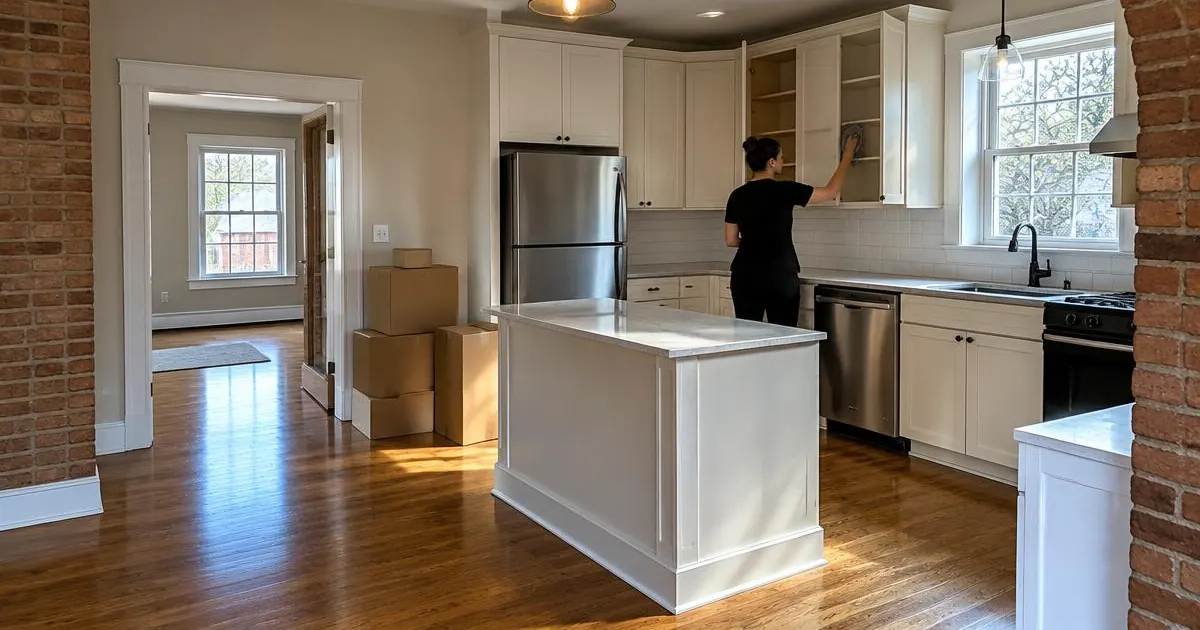
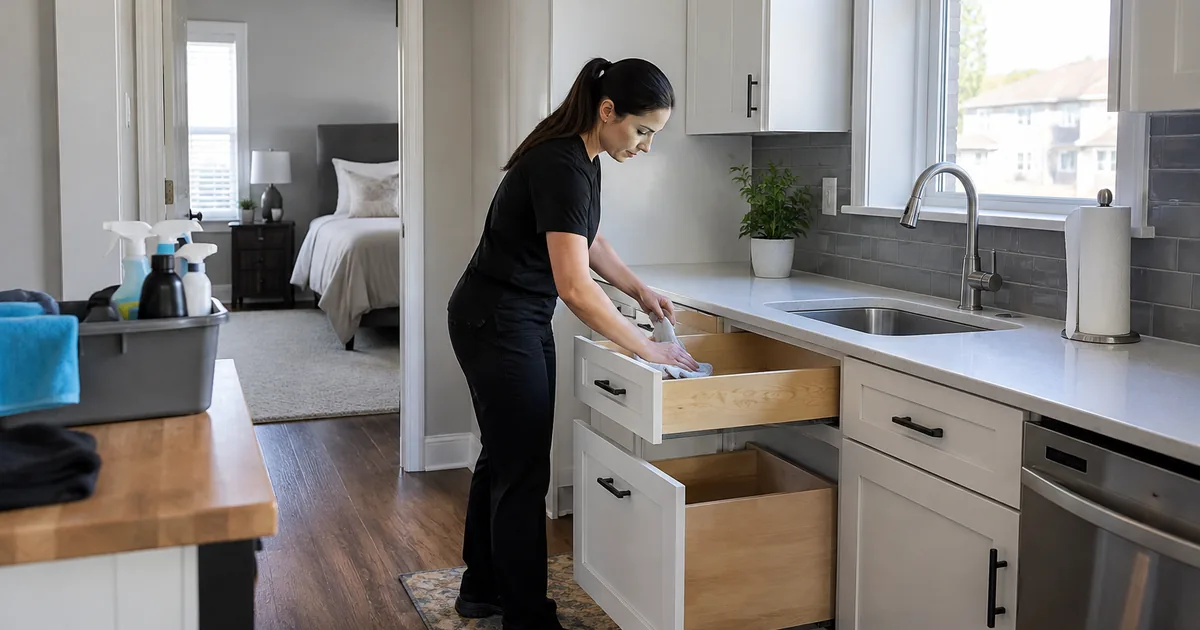
Before cleaners arrive, remove personal possessions, food, loose packaging and unwanted items from the areas being serviced. Open each cabinet and drawer rather than assuming movers emptied everything. Check under sinks for bottles, beneath removable storage bins for forgotten belongings and around laundry appliances for small items. Decide who will remove anything left behind; cleaning should not depend on guessing whether an object is rubbish.
Keep entry routes clear and confirm how the team will enter, lock up and reach you. Share parking or building-access instructions, pet arrangements and any doors that must remain closed. Schedule boxes and furniture after cleaning where possible, especially in kitchens and bathrooms.
For appliances, disclose faults and follow manufacturer instructions for shutdown, defrosting or preparation where needed. Do not expect cleaners to disconnect gas, repair electrical faults or move an appliance that cannot safely be accessed. Ask how inaccessible edges will be handled, and have an appropriate professional resolve installation issues before those areas are scheduled.
Protect newly repaired surfaces during cleaning
New repairs can make a home look ready while leaving surfaces vulnerable to the wrong product or technique. Identify newly painted walls, refinished floors, replacement countertops and freshly installed tile. Provide any care instructions you received. Manufacturer-safe surface care should guide product choice and handling, particularly where protective coatings or curing restrictions apply.
Never mix cleaners. Avoid acids on stone, and do not assume a product suitable for a sink is suitable for the counter surrounding it. Disinfection is appropriate only where needed and where the surface and product label support it; the full label contact time must be observed. More product or stronger chemistry is not a substitute for compatible care.
Flag suspected mold, unknown powders, sharp debris or other potentially hazardous conditions before work begins. Do not treat them as ordinary cleaning tasks. Cleaning is not restoration, repair or hazardous-waste handling, and safe access may require assessment by an appropriate specialist before the planned service can proceed.
Keep inspections and late repairs from undoing the clean
Arrange a walkthrough after cleaning and before deliveries if access allows. Review the agreed scope, check the rooms that had repairs and distinguish cleaning concerns from permanent wear or unfinished work. A scratched appliance panel, damaged grout or stained finish may remain visible after cleaning. Document those conditions separately so the handoff does not become a dispute about the wrong task.
For a move-out, ask the landlord or property manager which written requirements apply and share them in advance. Cleaning cannot guarantee a deposit return or inspection outcome. For a move-in, coordinate the walkthrough with whoever controls keys and contractor access.
If a worker must return afterward, limit the route and affected area where practical. Ask them to remove their materials and report any new dust or marks. Then discuss whether additional cleaning is needed. A later repair visit should not silently become an expectation that the original cleaning appointment covers all subsequent disturbance.
Send a booking brief that supports an accurate scope
Give Prime Cleaning MO LLC the Manchester property address, whether you are moving in or out, approximate home size, bathroom count and occupancy status. Add the key-access arrangement, preferred date/time window, delivery plans and the person authorized to answer scope questions. List remaining repairs by room and attach clear photographs when useful.
Ask what happens if repairs are not finished, how scope changes are approved and whether unusual buildup needs additional assessment. Confirm optional interior windows and any access limitations in writing. Leave scheduling room for the actual condition of the property rather than treating the cleaning appointment as a deadline that unfinished work must fit around.
If the request is for commercial/industrial cleaning or commercial post-construction cleaning, a free in-person walkthrough is required before pricing. Provide the business name, approximate square footage, restroom count, date/time window and onsite contact. Hazardous work should never be assumed or promised as part of that request.