Move-In/Move-Out
Move In Move Out Cleaning Richmond Heights: Coordinating Incoming and Outgoing Residents
A smoother moving handoff starts with shared expectations about empty rooms, appliance access, cleaning scope, and when boxes can come inside.
move in move out cleaning Richmond Heights: Coordinating Incoming and Outgoing Residents
Planning move in move out cleaning Richmond Heights can involve outgoing occupants, incoming residents, a property manager, and movers. Decide who approves entry and cleaning scope before those responsibilities become confused. One clear handoff plan should explain what is leaving, which surfaces will be accessible, and who can answer questions about the property.
Start move in move out cleaning Richmond Heights with one shared plan
Good move in move out cleaning Richmond Heights starts with a conversation between the people leaving, the people arriving, and whoever controls access. Before booking Prime Cleaning MO LLC, identify what must be empty, which appliances are staying, and who can approve changes. Cleaning can address agreed surfaces and buildup, but it cannot resolve disagreements about belongings, repairs, or possession. A written handoff plan keeps those separate and helps everyone understand what will happen between the last outgoing box and the first incoming one.
Choose one scheduling contact, even when several people share responsibility. That person should collect questions from both occupants and confirm the answers with the cleaning provider. If a landlord, property manager, or agent has separate requirements, request them before agreeing on scope. Avoid passing instructions through multiple people without a final written summary; an instruction to leave a drawer untouched can otherwise disappear between messages.
Explore our move-in/move-out service and cleaning in Richmond Heights, MO for property-specific information.
Separate cleaning expectations from lease and ownership decisions
Outgoing occupants may be focused on meeting move-out requirements, while incoming occupants want usable storage and appliances. Those goals overlap, but they are not automatically identical. Share relevant cleaning requirements without assuming that a professional cleaning determines a deposit refund, satisfies every lease condition, or replaces a property inspection. Whoever administers the lease or sale remains responsible for those decisions.
Make three short lists: cleaning requests, repair concerns, and items awaiting an ownership decision. Grease on a stovetop belongs on the cleaning list. A cracked shelf belongs on the repair list. A refrigerator full of food needs an occupant decision before interior cleaning. Photograph disputed conditions with permission and describe them neutrally. Ask who authorizes disposal, who retains the photographs, and who should receive notice if a previously hidden condition becomes visible after furniture leaves.
Confirm cabinet and appliance scope before comparing quotes
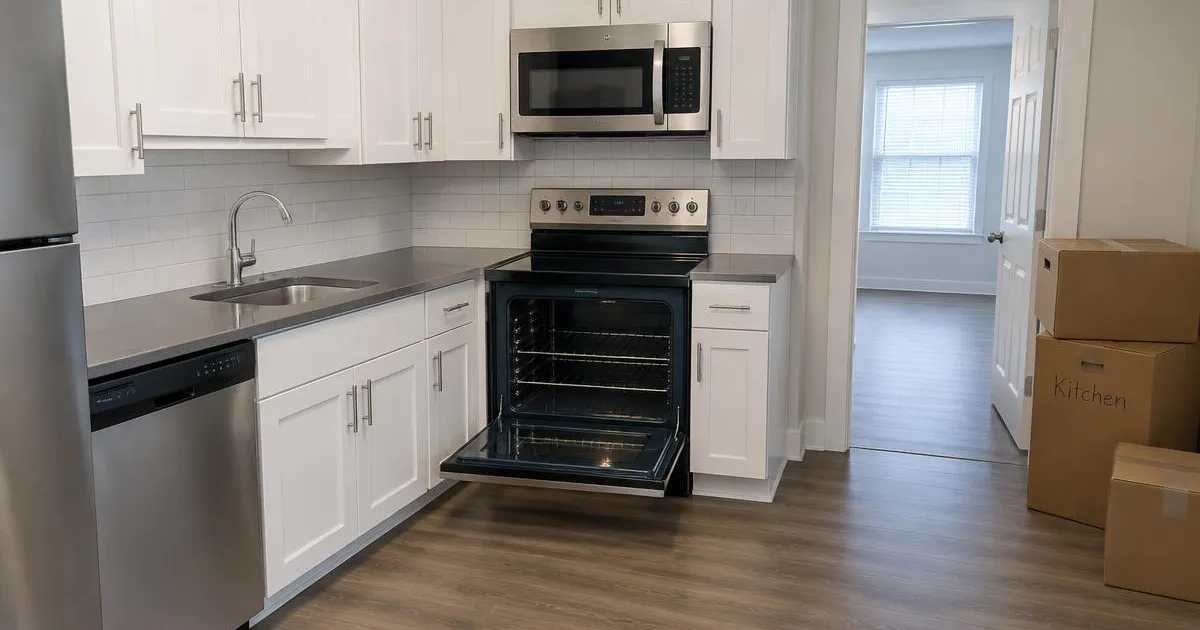
Prime Cleaning MO LLC's Move-In/Move-Out service includes inside and outside cabinets and appliances. That distinction matters when occupants compare service descriptions: appliance interiors and inside cabinets are optional add-ons for a deep clean, rather than automatically included in that service. Give the provider an accurate description of the property and ask how its condition affects the proposed work.
Agree on what must be emptied
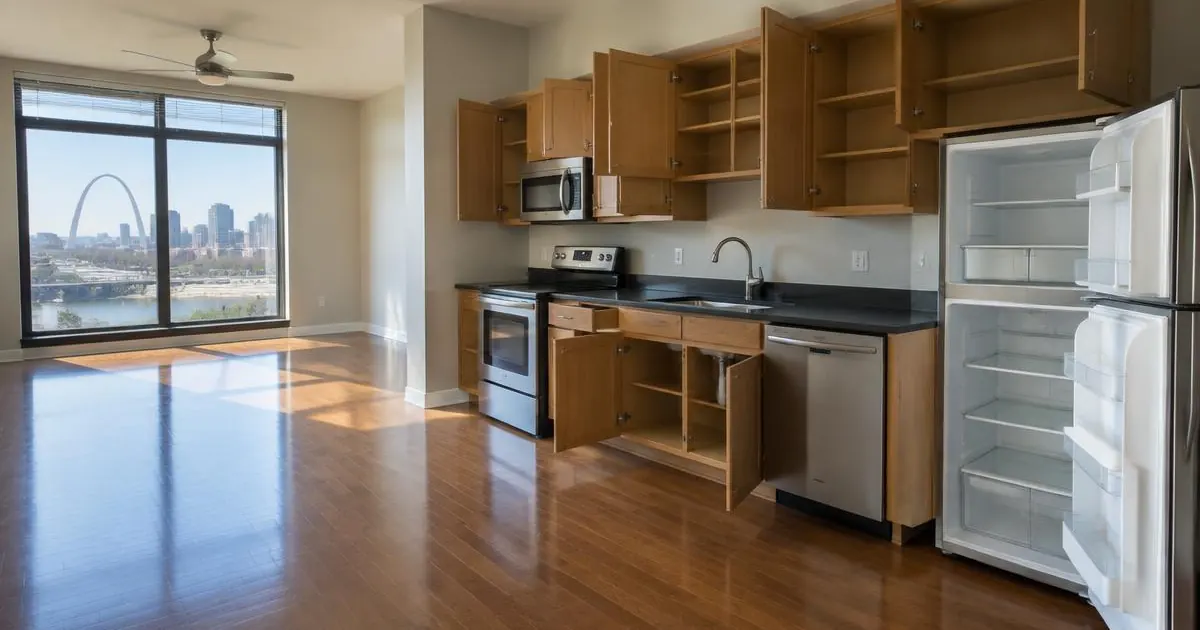
Ask the outgoing occupant to empty cabinets, drawers, and appliances that need cleaning, including overlooked storage above the refrigerator. Decide who removes shelf liners and leftover food. If an incoming occupant wants existing liners kept, note that request before work begins. Do not assume cleaners will sort possessions, determine what is abandoned, or move heavy appliances to reach concealed areas.
Identify optional work explicitly
Interior windows are optional for Move-In/Move-Out and other services except Airbnb turnovers, where that option is not offered. Mention them when requesting scope rather than treating them as implied. Ask how window access, removable screens, or fragile treatments affect the request. Also distinguish ordinary move cleaning from unusually detailed work beyond a deep clean, which may take more than one day.
Arrange access around the actual movement of belongings
Plan cleaning for a period when the agreed areas are empty and accessible, rather than relying only on the official moving date. Confirm when the outgoing occupant will finish loading, when access changes hands, and when the incoming occupant expects deliveries. Ask the provider what access and working conditions are needed before finalizing the sequence. Keep utilities available as required for the agreed work.
For example, if the incoming occupant's delivery arrives before kitchen cleaning is finished, designate a separate staging area instead of filling the kitchen with cartons. If movers still need to cross a cleaned room, discuss how the route will be managed and whether additional attention might be needed. Share building entry instructions, parking or loading restrictions, elevator arrangements where applicable, and an authorized contact. Send access codes through an agreed private channel, not a group message with unnecessary recipients.
Use a room-by-room handoff note without promising every task
A useful handoff note describes priorities and exceptions; it is not a claim that every possible cleaning task is included. List the rooms, known buildup, delicate finishes, and anything that must remain untouched. Ask the incoming occupant which areas need to be ready first for unpacking. Ask the outgoing occupant about sticky drawers, loose hardware, or appliance issues that could affect access.
Kitchen and bathroom decisions
For the kitchen, record whether the refrigerator will remain powered, whether food has been removed, and any appliance instructions. For bathrooms, identify fragile fixtures and existing damage. Heavy staining, failed caulk, and worn finishes may require a repair decision rather than more cleaning; do not describe them as conditions cleaning will necessarily correct.
Storage and living-area decisions
Identify closets containing retained belongings and mark any storage that should stay closed. Note floor materials and known finish sensitivities. If furniture remains, ask which accessible areas can be addressed and what will remain blocked. A shared note stating that one occupied closet is excluded is clearer than letting either occupant expect every shelf to be ready.
Protect surfaces and communicate unusual conditions early
Surface care should follow manufacturer guidance and the material's condition. Share available instructions for stone counters, finished wood, coated fixtures, and appliances. Avoid acids on stone, and never mix cleaners. Disinfect only when appropriate, using a product suited to the surface and allowing the full label contact time. Cleaning visible soil and disinfecting are different steps, so avoid treating a quick wipe as proof of disinfection.
Report suspicious growth, pest activity, unknown substances, sharp debris, or damage before the appointment. Do not assume these conditions fall within ordinary moving cleaning or that hazardous work can be accepted. The provider needs to determine whether the requested work is suitable and whether another qualified resource is needed. If an odor persists, describe its location and any known history instead of requesting a promise of removal. Cleaning is not restoration, and it should not be presented as mold removal or hazardous waste handling.
Give the quote request enough detail to prevent surprises
For a residential move, provide the Richmond Heights property location, approximate size, room and bathroom counts, current occupancy, requested service, and preferred date and time window. Explain whether cabinets and appliances will be empty, what belongings remain, and whether you want optional interior windows. Photos can help communicate visible conditions, but they should supplement clear descriptions rather than substitute for questions.
Distinguish a residence from a business premises at the outset. Commercial, industrial, and commercial post-construction requests require a free in-person walkthrough before pricing. Provide the business name, approximate square footage, restroom count, date and time window, and onsite contact so that walkthrough can be arranged. Do not request a residential quote for a commercial space and assume the scope transfers. Neither a walkthrough nor a quote request establishes that hazardous work will be undertaken.
Close the handoff with a focused review and next-step agreement
Agree in advance who will review the work and how questions should be reported. During the review, compare the accessible areas with the written scope and note anything that remained blocked or required an occupant decision. Keep repair observations separate from cleaning concerns. Let the incoming occupant know which areas are ready for belongings and which exceptions remain, without describing the property as flawless or making promises about deposit outcomes.
If ongoing help is wanted after unpacking, discuss that as a separate service arrangement. Standard or recurring cleaning is available only after an initial deep clean, not as a one-time or first-time standard service; the first standard or recurring quote includes that deep clean. Do not assume a moving appointment automatically establishes recurring eligibility or pricing. Confirm the required starting scope with Prime Cleaning MO LLC before setting expectations for future visits.