Move-In/Move-Out
Move In Move Out Cleaning Rock Hill: Utilities and Entry Permissions
A successful moving clean starts before the boxes arrive: confirm utilities, assign access responsibility, and agree on the condition and areas being cleaned.
move in move out cleaning Rock Hill: Utilities and Entry Permissions
Start with a practical question: who controls the property when cleaning begins? If you are arranging move in move out cleaning Rock Hill, confirm possession, working utilities, and entry permission before choosing your cleaning window. Prime Cleaning MO LLC needs a clear description of the property and access conditions, not simply a moving date.
For an outgoing household, plan cleaning after belongings are removed and before the agreed handover. For an incoming household, obtain permission to enter before sending anyone to the property. A closing appointment or lease start does not necessarily mean keys, utility service, and building access will all be available together.
Decide whose priorities guide the scope. A seller preparing for possession, a tenant documenting departure, and a buyer unpacking tomorrow may need different coordination. Ask whether any rooms remain occupied, whether maintenance work is unfinished, and whether the person booking can authorize access throughout the agreed cleaning window.
Verify utility readiness before anyone arrives
Do not treat an active utility account as proof that the property is ready. Have someone with authorized access check working lights, running water, drainage, and indoor conditions. Communicate known shutoffs, leaks, disconnected fixtures, or electrical problems before the appointment rather than leaving the cleaner to discover them.
Water and power affect ordinary cleaning tasks, including rinsing surfaces, vacuuming, and seeing residue inside cabinets. If either is unavailable, discuss whether work must be rescheduled or whether a limited scope is feasible. Never assume a cleaner will turn on a shutoff valve, restore power, or troubleshoot equipment.
Assign the utility check to a named person
Write down who will verify readiness and how they will report problems. For example, if the seller ends service before the buyer takes possession, the buyer should resolve that gap before confirming cleaning access. Ask: Is water available where needed? Are drains usable? Are appliances connected safely? Is heating or cooling available when conditions require it? A named owner prevents each party from assuming someone else checked.
Explore our move-in/move-out service and cleaning in Rock Hill, MO for property-specific information.
Make entry and lockup responsibilities explicit
Choose one authorized contact who can answer access questions during the cleaning window. Provide the correct entry point, any building entry instructions, and relevant parking or loading restrictions. If an agent, landlord, or property manager controls access, obtain their agreement rather than passing along an unconfirmed expectation.
Share keys or entry codes through the booking channel agreed with Prime Cleaning MO LLC. Explain alarm procedures, doors that must remain closed, and areas that are excluded. Do not hide access credentials in instructions visible to movers, visitors, or other unrelated parties.
Agree on what happens when cleaning ends
Specify who will lock doors, return keys, and confirm the property is secured. If a lockbox is involved, confirm that its use is authorized and that the person providing access will remain reachable. Consider a simple decision example: if a buyer cannot enter until possession is formally released, cleaning cannot start merely because a contractor already has a key. Permission and physical access are separate requirements.
Define the moving-clean scope before emptying cupboards
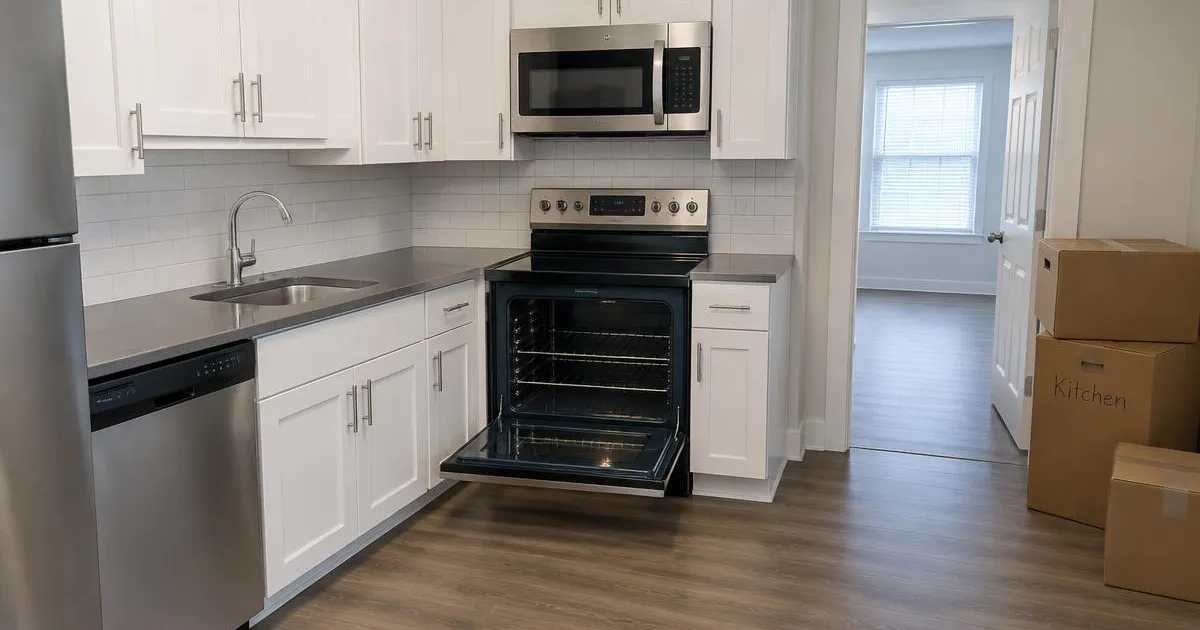
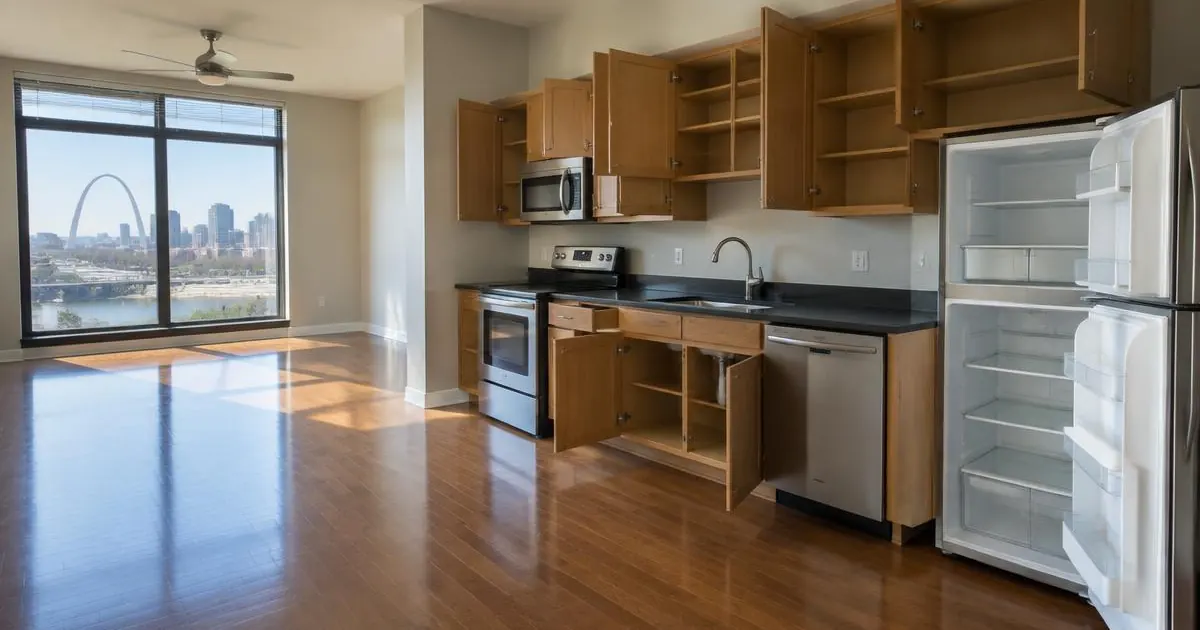
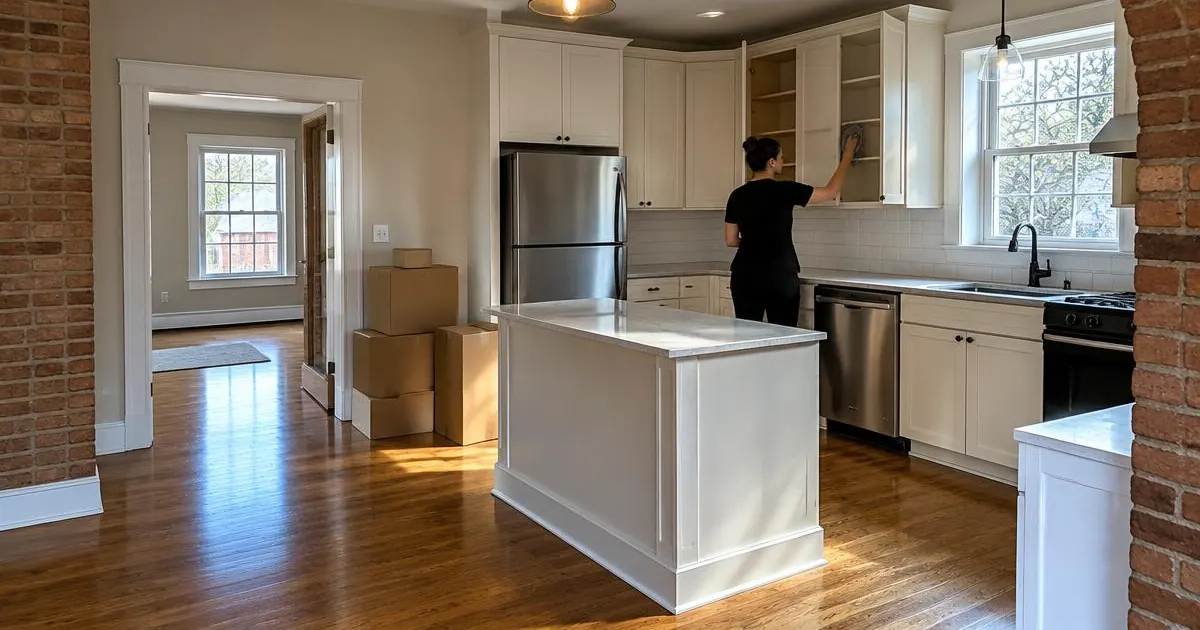
Move-In/Move-Out cleaning includes inside and outside cabinets and appliances. Identify the actual appliances present, whether cabinets are empty, and whether any items must remain untouched. Discuss detached shelves, freezer contents, and appliances that are disconnected or not operating. Do not assume heavy appliances will be moved or dismantled; ask what can be accessed safely.
This differs from a deep clean, where appliance interiors and inside cabinets are optional add-ons. Interior windows are optional for Move-In/Move-Out and other services except Airbnb turnovers. Request them explicitly if they matter to your handover, and clarify which accessible glass surfaces you mean.
Walk through the rooms in your request: kitchen, bathrooms, bedrooms, living spaces, and any additional areas needing attention. Describe residue, buildup, and access limitations without assuming every possible task is included. If a landlord supplies inspection requirements, share them in advance so the requested work can be compared with the agreed scope. Cleaning does not guarantee a deposit return or inspection result.
Keep boxes, repairs, and cleaning from competing
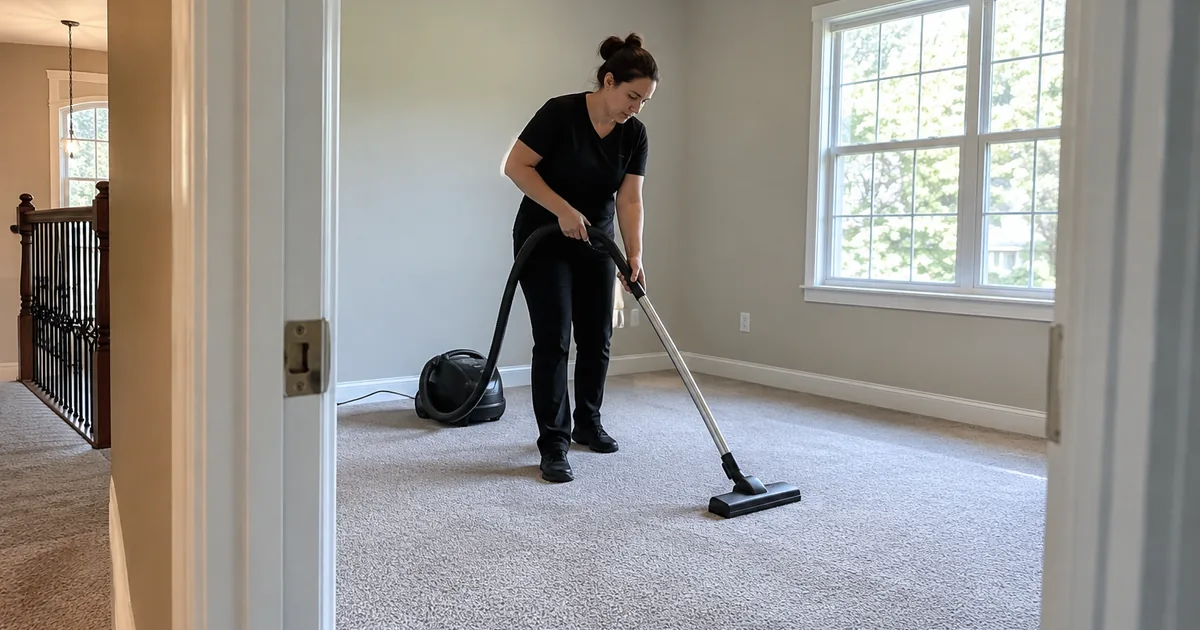
An empty room is easier to assess than one lined with sealed cartons. Remove personal belongings and decide who handles leftover food, packing materials, and unwanted furniture. Do not assume disposal or moving heavy possessions is part of cleaning. Clear routes between rooms so equipment can be carried without navigating unstable stacks.
Where possible, finish dust-producing repairs before cleaning, then bring in boxes afterward. If that sequence is impossible, identify which rooms are ready and whether another visit may be needed. For example, cleaning a kitchen while cabinet hardware is still being installed can leave freshly cleaned interiors exposed to new debris.
Avoid stacking a possession deadline, movers, and cleaning into the same uncertain access window. Ask how the property's condition affects scheduling, especially when substantial detailing beyond deep cleaning is requested; that work may take more than one day. Report changes promptly, including a delayed move-out, a plumbing repair, or belongings left behind. The plan should reflect actual readiness, not an optimistic handoff.
Flag surface sensitivities and conditions needing review
Share known surface materials and manufacturer care instructions, especially for stone counters, coated fixtures, wood finishes, and appliance panels. Manufacturer-safe surface care means selecting suitable products and methods rather than treating every mark with stronger chemicals. Avoid acids on stone, and never mix cleaners.
Disinfection should be used only when appropriate, with the full label contact time observed. It is not a substitute for removing soil first. If a surface has an unknown finish or existing damage, identify it before work begins so care decisions are based on what is actually present.
Describe concerning conditions honestly, including suspected mold, pest contamination, exposed wiring, or unknown substances. Do not frame these as ordinary cleaning tasks or expect hazardous work. Ask whether the requested work can proceed safely and whether another qualified provider is needed. Cleaning also should not be confused with restoration: worn finishes, scratches, discoloration, and damaged seals may remain after removable soil is cleaned away.
Build a quote request that resolves uncertainty
For a residential move, provide the address, approximate size, room and bathroom counts, occupancy status, and preferred date and time window. Include utility readiness, the access contact, and a plain-language description of the condition. Photos can help explain visible buildup or obstacles, but they do not replace permission to enter or confirmation that the property is usable.
Ask specific scope questions: Are all cabinets empty? Which appliances need interior cleaning? Are interior windows requested? Will movers or tradespeople be present? Who approves changes if the property differs from the description? These questions make the request more useful than simply asking for a moving-clean price.
A business relocation follows a different pricing process. Commercial/industrial cleaning and commercial post-construction cleaning require a free in-person walkthrough before pricing. Provide the business name, approximate square footage, restroom count, requested date and time window, and onsite contact. Identify construction activity or restricted areas upfront; hazardous work is never promised as part of that request.
Close the handoff and plan care after unpacking
Before releasing access, arrange a review against the agreed scope. Check accessible cabinet and appliance interiors, point out any questions, and distinguish remaining damage from removable residue. Keep your own permitted condition photos and relevant handover messages, especially when different people manage booking, possession, and the final inspection.
Confirm that keys have been returned or secured as agreed and that doors are locked. Keep utility service active through the completed appointment rather than scheduling a shutoff against an assumed finish. Once boxes arrive, expect packing debris and fresh footprints; those are separate from the condition at the cleaning handoff.
If you want ongoing service after settling in, discuss the required starting point with Prime Cleaning MO LLC. Standard/recurring cleaning is available only after an initial deep clean, not as a one-time or first-time service. The first standard/recurring quote includes that deep clean. Do not assume a moving appointment automatically replaces this requirement; confirm the appropriate plan before booking.