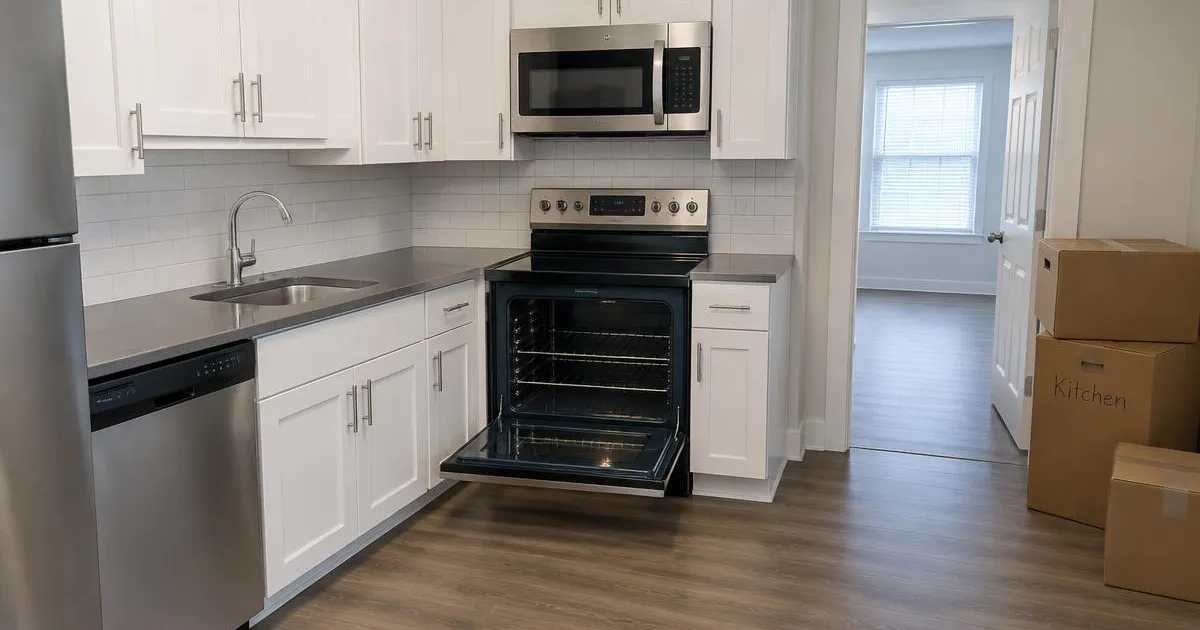
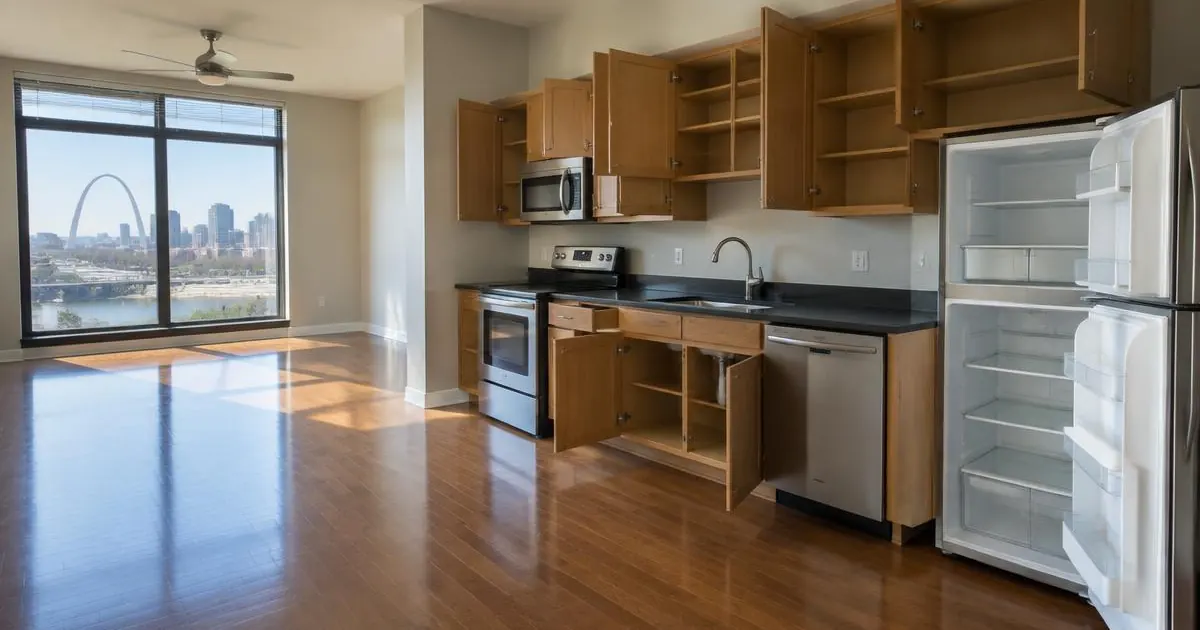
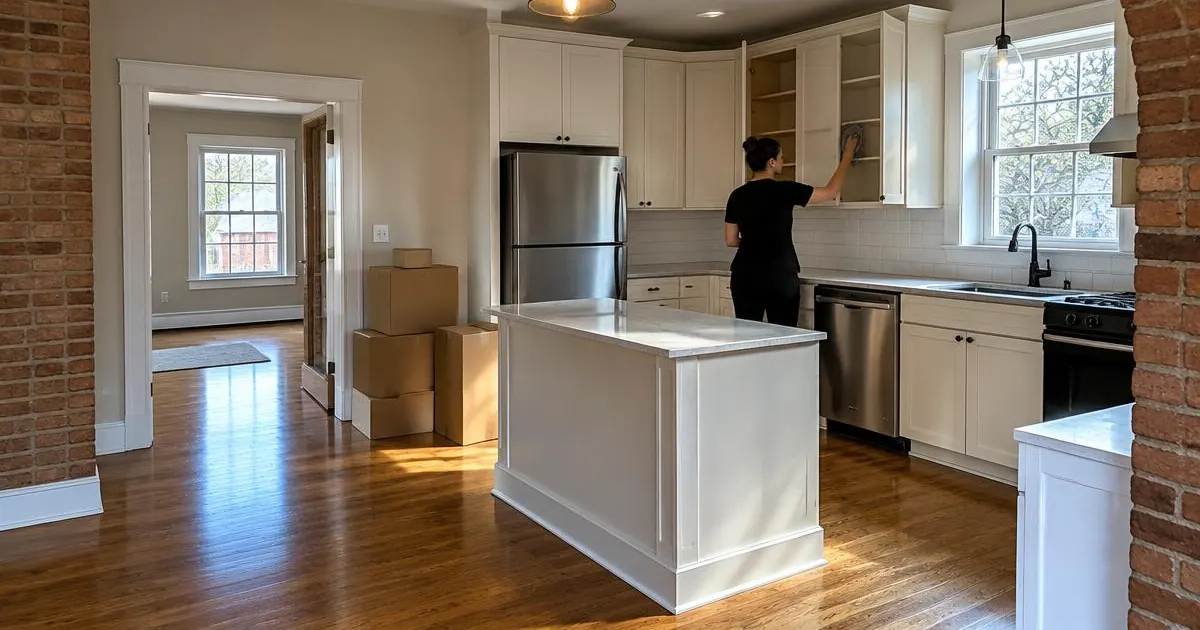
Move-In/Move-Out
Move In Move Out Cleaning St. Louis: Keys, Access and an Empty Home
A useful move-cleaning plan starts with access, not supplies. Coordinate keys, remaining belongings and inspection priorities before the boxes arrive.
move in move out cleaning St. Louis: Keys, Access and an Empty Home
Moving in St. Louis rarely comes down to choosing a cleaning date alone. A useful move in move out cleaning St. Louis plan connects three events: when belongings leave, when cleaning can begin and when keys change hands. Prime Cleaning MO LLC recommends defining those access points before deciding which rooms need attention. Otherwise, a booked visit may overlap with movers, locked rooms or cabinets that are still full.
Write down who controls entry at each stage: the departing resident, property manager, seller, buyer or another authorized contact. Confirm permission to enter rather than assuming possession of a key means cleaning is authorized. Then identify the next activity in the home. If boxes arrive immediately afterward, prioritize a clear handoff so newly cleaned floors and storage areas are not blocked before anyone checks them.
Start with three questions: Will the property be empty? Who can approve access changes? Which areas must be ready before belongings arrive? Those answers shape a more useful request than bedroom count alone.
Choose an Empty-Home or Occupied-Home Approach
Empty rooms make edges, closets and floor space easier to reach, but an occupied home can still be planned thoughtfully. Describe it accurately. “Mostly empty” might mean a sofa remains, every kitchen cabinet is packed or one household member is still living there. Each situation changes what can reasonably be accessed without handling personal possessions.
When the home will be empty
Schedule cleaning after furniture removal and before deliveries whenever your move allows. Check closets, drawers and the spaces behind open doors before declaring the property empty. Remove unwanted belongings through an appropriate disposal arrangement; do not assume cleaning includes hauling. Tell the team about anything intentionally left behind, including appliances, shelving or furniture that belongs to the property.
When belongings must remain
Agree on accessible zones and who will clear them. For example, empty kitchen cabinets ahead of the visit while keeping packed boxes in one designated room. Ask whether that room can be addressed once it is cleared, rather than assuming staff will move stacked boxes. Separate pets and keep essential medications, documents and valuables under your control.
Explore our move-in/move-out service and cleaning in St. Louis, MO for property-specific information.
Make the Key Handoff a Written Plan
A key arrangement should explain entry, security and departure. Provide the correct address and unit, an authorized entry method and a contact who can respond during the visit. If building entry requires a fob, concierge approval or elevator reservation, confirm those details with management. Avoid leaving the team to negotiate access with someone who has not approved the appointment.
Decide how the property should be secured afterward. Specify which doors must be locked, where approved keys should go and whether an alarm needs to be reset. Share sensitive access information privately through the agreed booking channel, not in a publicly visible note. If access authority changes at closing or lease turnover, verify whose instructions apply.
Consider a seller who plans to leave keys with an agent while movers are still loading. Cleaning should not depend on guessing when loading ends. Establish a confirmation message that the home is ready, plus a decision-maker if the move runs behind. Do not assume an access delay leaves the original scope unaffected.
Understand What Move Cleaning Includes
Prime Cleaning MO LLC’s Move-In/Move-Out service includes inside and outside cabinets and appliances. That distinction matters when comparing service types: appliance interiors and inside cabinets are optional add-ons for a deep clean. Describe the actual task as a move cleaning when that is what you need, rather than selecting a different service and assuming its inclusions match.
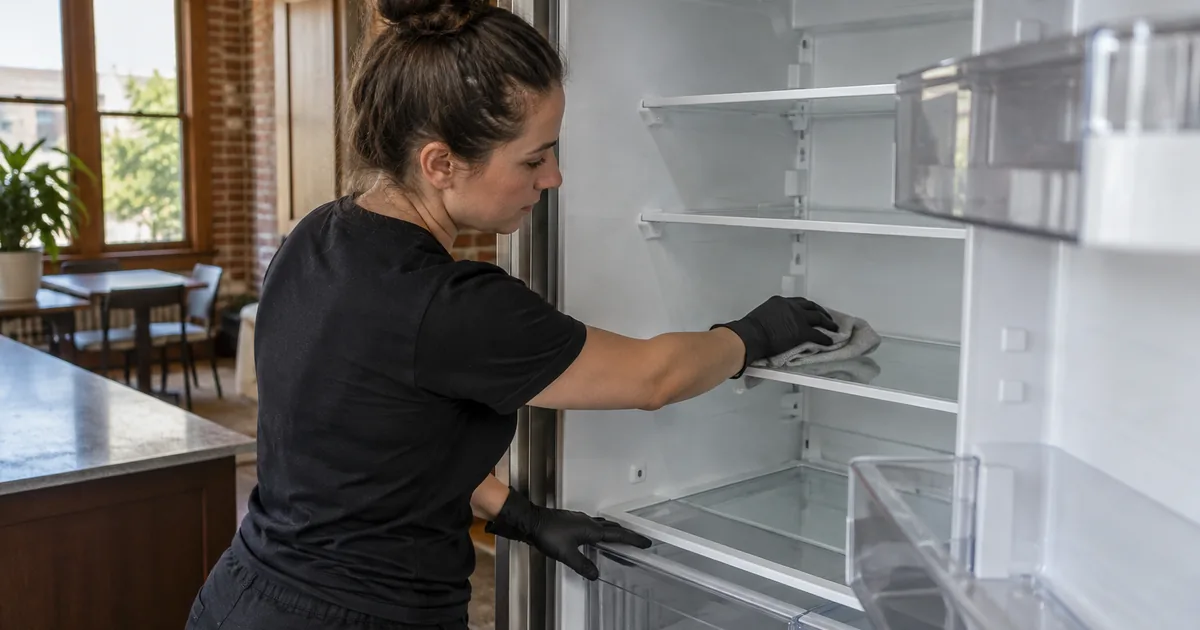
Included areas still need safe, practical access. Empty cabinets and drawers, remove food and identify appliances that will remain with the property. Ask how refrigerator compartments, oven interiors and removable parts will be approached for your particular equipment. Do not assume a heavy appliance will be pulled out or disconnected; discuss spaces behind or beneath it separately.
Interior windows are optional for move cleaning and other services except Airbnb turnovers. If glass matters to your handoff, request it explicitly and clarify which panes are accessible. Mention blinds, tracks, wall marks or unusually heavy buildup as separate scope questions. An inclusion list is not a promise to correct every stain, damaged finish or maintenance problem.
Prepare Utilities, Appliances and Fragile Surfaces
Confirm that water and electricity will remain available for the agreed work. Coordinate utility shutoff with cleaning and the final property check rather than ending service as soon as the moving truck leaves. Report plumbing leaks, loose fixtures, malfunctioning outlets or appliances that should not be operated. Cleaning access should not depend on using equipment known to be faulty.
Leave appliance instructions when they affect safe care, and flag delicate finishes or previous damage. Manufacturer-safe surface care matters more than using the strongest product. Avoid acids on stone, never mix cleaners and disinfect only when appropriate, allowing the full label contact time. Cleaning and disinfection are different tasks; neither should be described as repairing a worn or damaged surface.
For a refrigerator, agree on food removal and whether it should remain running. Do not unplug it or begin defrosting solely on an assumption about the cleaning method. For ovens, disclose recent use and any active cleaning cycle. Equipment should be in a safe condition before work begins.
Match Priorities to the Next Person Through the Door
Move-out and move-in visits can cover similar areas but serve different decisions. A departing tenant may be checking lease instructions; an incoming owner may want storage areas ready before unpacking. Share written requirements that apply to the property and distinguish cleaning requests from repairs. No cleaning appointment can guarantee a deposit return or an inspection outcome controlled by someone else.
For a move-out, list the areas that need review before keys are surrendered, such as emptied cabinets and appliance interiors. For a move-in, identify the first rooms you intend to use. If a delivery will block the kitchen, arranging cleaning before that delivery is more practical than trying to work around cartons afterward.
Ask what condition could change the proposed scope. Detailing beyond deep cleaning may take more than one day, so disclose extensive buildup or unusually detailed requests before booking. Photos can help explain accessible areas, but they do not eliminate uncertainty about hidden conditions. Agree on how unexpected findings will be discussed before additional work proceeds.
Request the Right Quote for the Property
For a residential move, provide the address, property size, room and bathroom counts, current occupancy and requested date window. Explain when movers finish and when the next occupant takes possession. Include remaining furniture, pets, stairs, building entry restrictions and optional interior windows. Ask which preparation steps are yours and which access limitations affect the proposed work.
If you want ongoing service after settling in, standard/recurring cleaning is available only after an initial deep clean. It is not a one-time or first-time service, and the first standard/recurring quote includes that deep clean. Discuss the transition directly rather than assuming a move visit automatically establishes recurring eligibility.
Moving a business requires a different quoting process. Commercial/industrial cleaning and commercial post-construction cleaning require a free in-person walkthrough before pricing. Provide the business name, approximate square footage, restroom count, date/time window and onsite contact. Describe operational restrictions and any suspected hazards. Hazardous work should never be assumed or promised as part of a cleaning request.
Close the Visit With a Clear Property Handoff
Arrange a final check while an authorized person can still access the home. Use the agreed scope, not a newly expanded wish list, to guide the review. Look at accessible cabinet interiors, appliance areas and any requested windows. If belongings prevented access somewhere, record that limitation so the next occupant understands what was and was not available for cleaning.
Confirm that appliances are left in the agreed state, windows are secured and entry keys or fobs are handled as instructed. Keep personal documentation of the property’s condition if your lease or purchase process calls for it. Photos can support a handoff record, but they should not be presented as proof of compliance with requirements nobody reviewed.
Finally, protect the work during the move itself. Keep packing debris contained and avoid dragging boxes across finished floors. Tell arriving movers which rooms are ready. A successful transition depends on cleaning, access and deliveries fitting together—not merely on placing a cleaning appointment between two dates.