Move-In/Move-Out
Move In Move Out Cleaning St. Peters: Room-by-Room Scope Planning
A useful moving clean starts with clear access and room-by-room decisions. Learn what to confirm before the keys change hands and the boxes arrive.
move in move out cleaning St. Peters: Room-by-Room Scope Planning
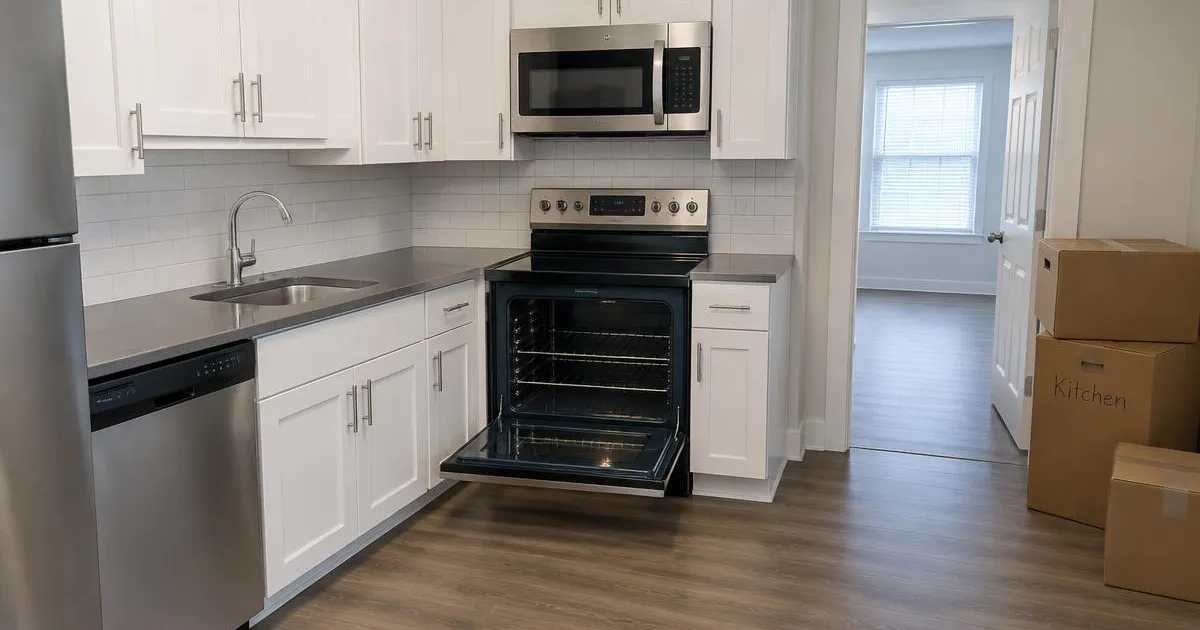
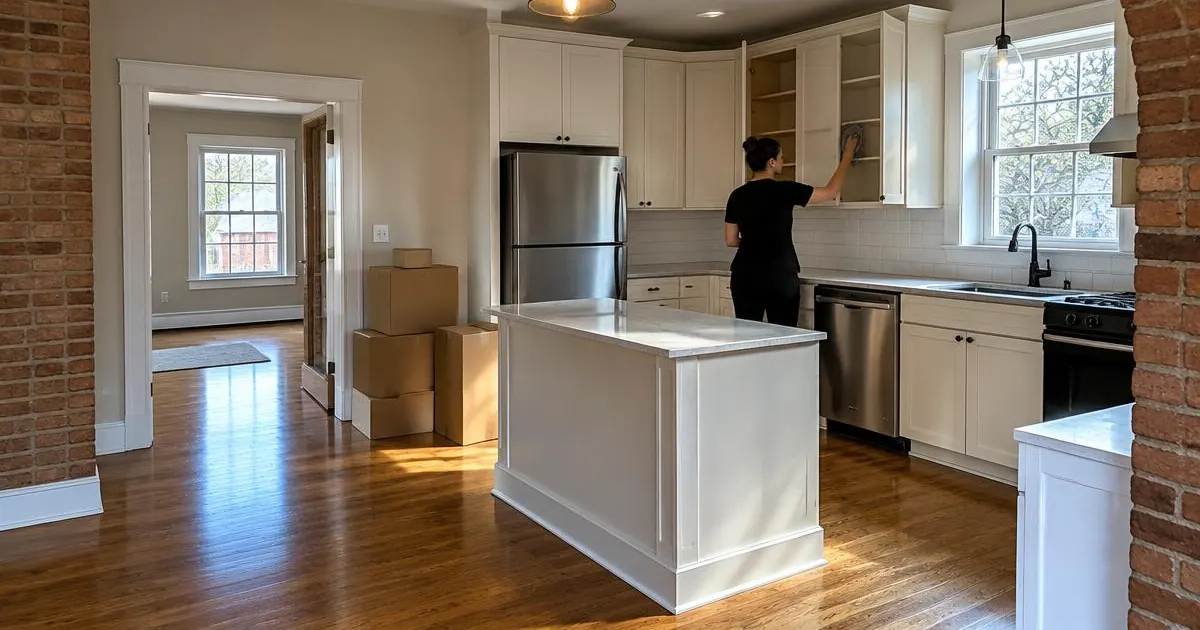
For homeowners and renters comparing move in move out cleaning St. Peters, the most useful starting point is not a generic checklist. It is a room-by-room agreement about what will be empty, accessible, and ready to clean. Prime Cleaning MO LLC includes inside and outside cabinets and appliances in Move-In/Move-Out cleaning, so packing and access decisions directly affect the work.
Start with three questions: When can cleaners legally enter? When will belongings and moving equipment be out of the way? Which rooms must be ready before unpacking begins? Coordinate those answers with your key exchange, movers, and property contact. Do not assume a cleaning appointment also covers hauling, repairs, or removing items left behind.
For a move-out, prioritize the condition you need to document at handoff. For a move-in, prioritize food storage, bathing, and sleeping spaces. Both situations benefit from cleaning before boxes arrive, but access and scope still need confirmation.
Article details
Moving in St. Peters: Cleaning Between the Keys and the Boxes is a room-specific planning guide by Prime Cleaning MO Team.
Define your move in move out cleaning St. Peters scope
Walk through the property with a room list rather than requesting “everything.” Note the bedrooms, bathrooms, kitchen, laundry area, stairs, and any additional spaces you want considered. Identify built-in storage separately from freestanding furniture. Ask whether closets, utility areas, an attached garage, or unfinished rooms belong in the agreed scope; their presence does not automatically make every task included.
Explain whether the home will be vacant, partly furnished, or occupied during cleaning. A cabinet full of dishes needs a different access plan than an empty one. Identify any belongings that must remain untouched, and arrange permission before anyone handles another person's property.
Choose the service by the situation. Standard/recurring cleaning is available only after an initial deep clean, not as a one-time or first-time service; the first standard/recurring quote includes that deep clean. For Deep Cleaning, appliance interiors and inside cabinets are optional add-ons. Move-In/Move-Out includes both inside and outside cabinets and appliances.
Explore our move-in/move-out service and cleaning in St. Peters, MO for property-specific information.
Prepare the kitchen from food storage to cooking surfaces
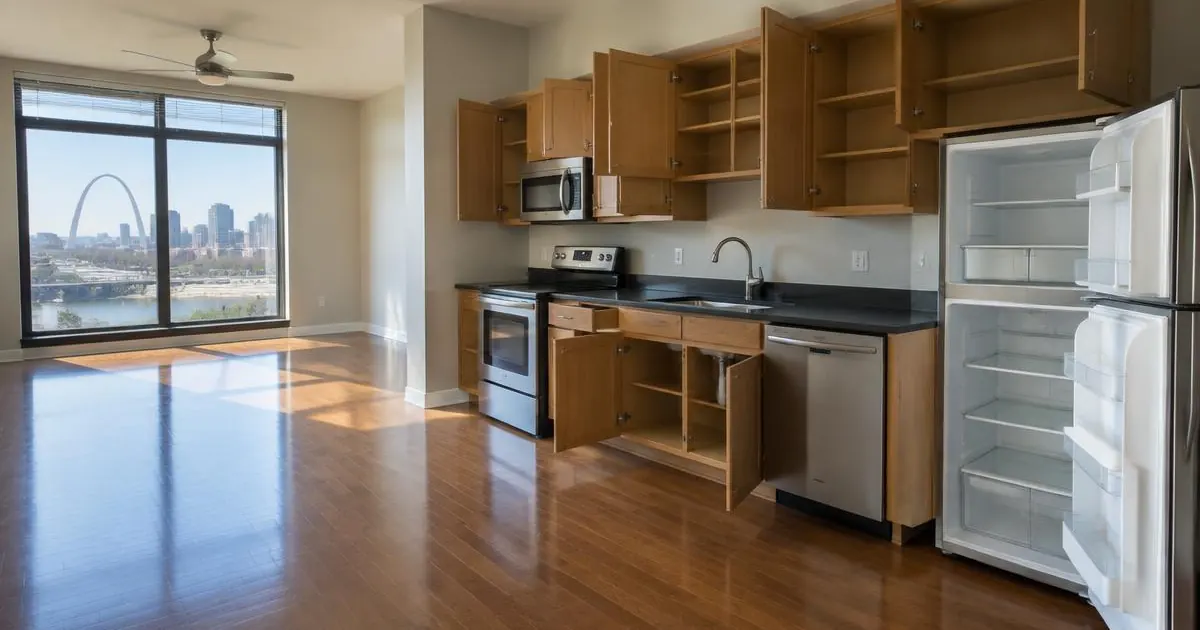
Pack dishes, remove food, and check every drawer before the appointment. Confirm that cabinet shelves are empty and disclose loose liners, peeling finishes, or damaged hinges. Ask how fixed organizers and removable inserts will be handled. Photograph existing damage so cleaning expectations stay separate from repair concerns.
Cabinets and drawers
Inside and outside cabinets are included in Move-In/Move-Out cleaning, but access matters. Decide who will remove shelf paper and whether adhesive residue needs separate assessment. Do not assume scraping is safe for a painted or laminated surface. If one pantry remains stocked until departure, flag that limitation before the visit.
Appliances and surrounding areas
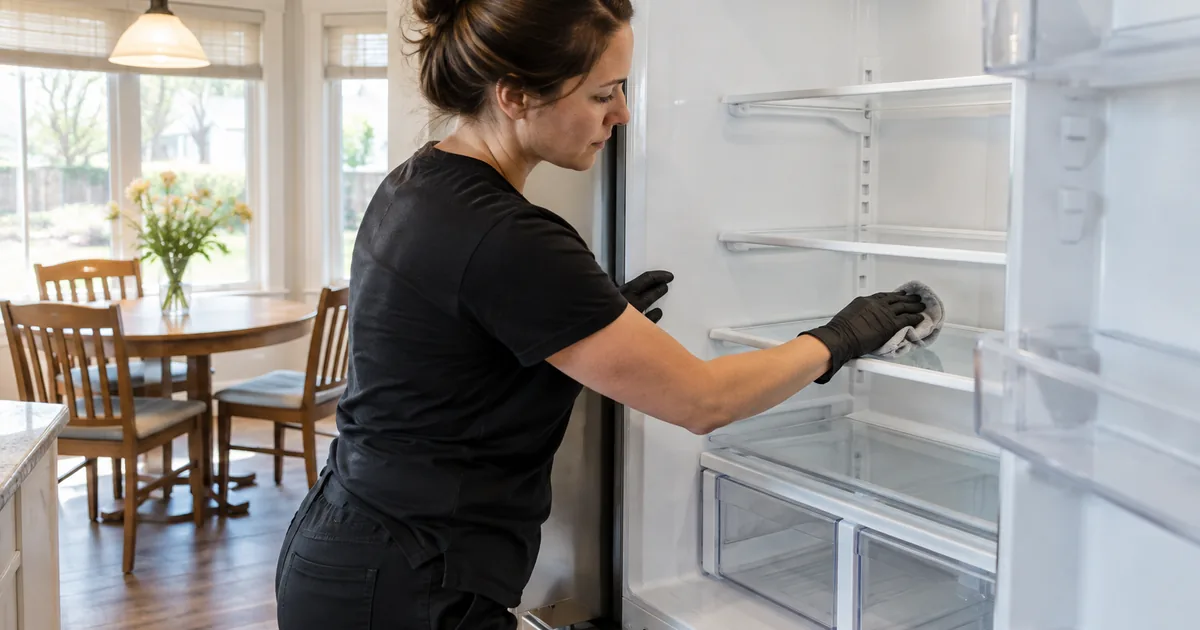
Empty the refrigerator and freezer, and coordinate power or defrosting requirements using the appliance instructions. Remove stored pans from the oven. Appliance interiors and exteriors are included, but moving heavy appliances or accessing utility connections should never be assumed. Ask whether reachable edges and gaps can be addressed without moving equipment. Identify damaged seals, exposed wiring, or other conditions that require a qualified repair professional instead.
Set bathroom priorities without confusing cleaning and repair
Remove toiletries, medicines, bathmats, and items stored beneath sinks. Open storage areas so their condition is visible, and identify any cabinets that must remain closed. Tell the team about loose fixtures, slow drains, leaking supply lines, or damaged caulk before work begins. Those issues may affect access and results without being cleaning tasks.
Discuss toilets, sinks, tubs, showers, mirrors, and accessible fixtures as separate scope points. For example, removable soap buildup on an intact shower surface is different from discoloration within failing sealant. Cleaning should not be presented as restoration or mold removal, and persistent moisture concerns need an appropriate assessment.
Identify marble, limestone, or other sensitive finishes. Surface care should follow manufacturer guidance, with no acids used on stone and no mixing of cleaners. Disinfection is appropriate only where warranted, using a compatible product and its full label contact time. Ask about unknown materials rather than guessing which product will be safe.
Plan bedrooms, living areas, and storage room by room
In each bedroom, check closets before declaring the room empty. Remove hangers, loose shelf liners, and small items behind doors. Point out built-in shelves and any storage compartments that are easy to miss. If a bed or dresser remains, explain that clearly so the team can discuss reachable areas rather than assume the room is vacant.
For living rooms and hallways, identify the floor material and any delicate finishes. Ask about accessible trim, doors, ledges, and fixtures you want included. Note sticky residue, paint splashes, or unusually heavy buildup individually; these may require assessment rather than routine treatment. Detailing beyond a deep clean may take more than one day.
Interior windows are optional for Move-In/Move-Out and all other services except Airbnb turnovers. If you want them added, confirm the accessible panes and whether tracks or screens are part of the requested work. Glass, frames, tracks, and screens are different tasks, not interchangeable descriptions.
Make laundry areas and floors ready for safe access
Empty laundry cabinets and remove detergent bottles, baskets, and personal items. Tell the team whether the washer and dryer will stay, leave, or arrive after cleaning. Ask how appliance interiors and exteriors will be addressed within the move service, using manufacturer-safe methods. Cleaning an accessible surface does not imply disconnecting hoses, opening equipment housings, or servicing dryer ducts.
Check floor access throughout the home. Boxes stacked against walls prevent cleaning beneath them, while loose nails, broken glass, or exposed tack strips require a safety decision before work starts. Share these conditions in advance rather than treating them as ordinary dust and debris.
Sequence the visit around major traffic where possible. If movers must return after floors are cleaned, designate a clear route and discuss any requested follow-up separately. For a partly occupied home, decide whether rooms can be emptied in advance; repeated furniture shuffling should not be assumed to fit the agreed scope.
Confirm entry, utilities, and the right quoting process
Provide the St. Peters property address, access instructions, parking restrictions, and a contact who can answer questions during the visit. Confirm permission to enter and whether water, electricity, lighting, and usable facilities will be available. Explain alarms, locked rooms, pets, and any restrictions from the owner or property manager.
Share the home's approximate size, room counts, current condition, and preferred date and time window. Photos can help communicate residential scope, especially for crowded rooms or substantial buildup, but they do not replace disclosure of inaccessible areas or safety concerns. Ask what information is still needed before accepting a quote.
A business relocation follows a different quoting process. Commercial/industrial cleaning and commercial post-construction cleaning require a free in-person walkthrough before pricing. Provide the business name, approximate square footage, restroom count, requested date/time window, and onsite contact. Do not assume hazardous work can be accepted; specialized conditions must be identified rather than folded into a general moving-clean request.
Use a final walkthrough to separate results from remaining tasks
Before the appointment, save your agreed scope and note any exclusions or optional services. At handoff, review the rooms in the same order you used for planning. Look inside accessible cabinets and appliances, check bathroom surfaces, and review the requested floor and storage areas. Compare the work with the agreement rather than an imagined universal checklist.
Distinguish missed cleaning from permanent wear or damage. A chipped cabinet finish, etched stone, and worn flooring do not become repair projects simply because the property is changing occupants. If something appears unresolved, identify the room and surface clearly and contact Prime Cleaning MO LLC to discuss it.
For a move-out, keep your own condition photos and follow the lease or sale requirements; cleaning does not guarantee a deposit outcome or inspection approval. For a move-in, unpack clean storage first and keep packing debris separate. Confirm any later service independently instead of assuming another visit is included.