Move-In/Move-Out
Move In Move Out Cleaning Wentzville: Construction Dust or Moving Dirt
A practical guide to cleaning an empty home between possession and unpacking, with special attention to construction dust, safe surface care and clear service scope.
move in move out cleaning Wentzville: Construction Dust or Moving Dirt
When planning move in move out cleaning Wentzville, start with access rather than a cleaning date. A home may look ready while painters, installers or previous occupants still need to return. Prime Cleaning MO LLC can discuss your moving-cleaning needs, but an accurate scope depends on the property’s condition, what remains inside and whether construction work is finished.
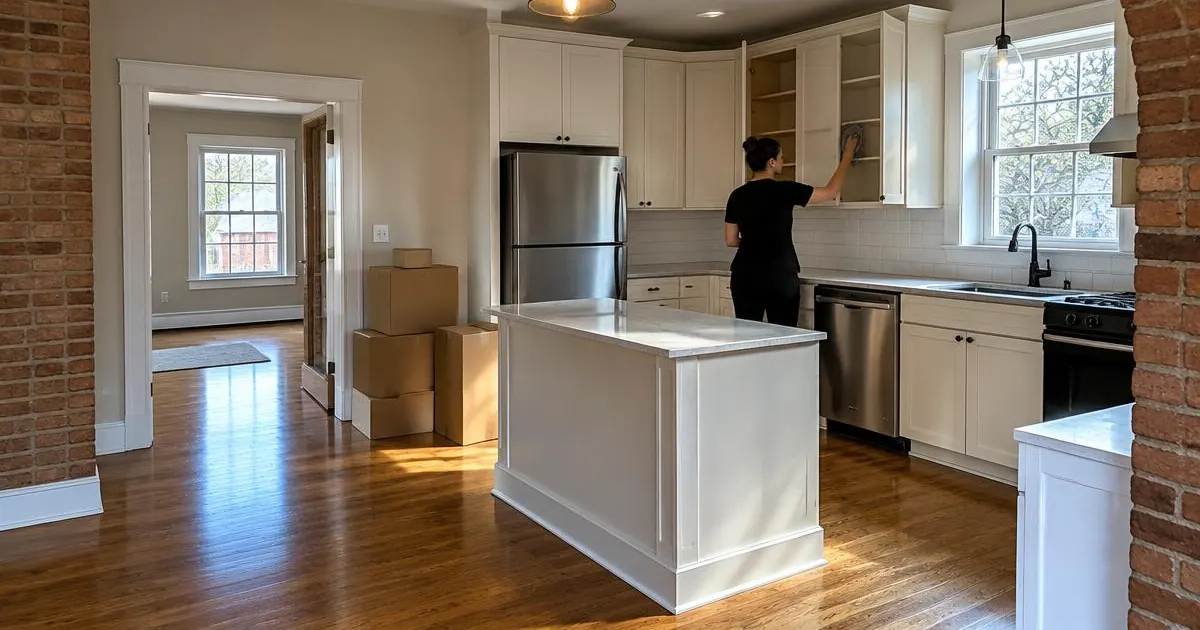
Use three checkpoints: when you legally receive access, when other work ends and when belongings arrive. Place cleaning after dust-producing work whenever possible, with cabinets and appliances empty and accessible. If those events overlap, identify which rooms can remain undisturbed instead of assuming the entire home can be finished at once.
Ask who supplies entry instructions, whether water and electricity are working, and who can answer questions during the visit. For a rental departure, compare your lease requirements with the requested service. Cleaning does not resolve damage, missing fixtures or disagreements about a security deposit; those need separate documentation and communication.
Separate ordinary moving residue from construction dust
A newly built home is not automatically a straightforward move-in clean. Fine dust inside drawers, gritty window tracks, adhesive residue or material left by installers can require a separate assessment. Tell the team whether the property is new construction, recently remodeled or simply vacant. Photos help reveal conditions, but do not establish what an unidentified substance contains.
Describe the dust before requesting a scope
Explain where dust appears and whether it returns after wiping. Note unfinished work, visible debris and affected surfaces. If sanding, cutting or installation continues, cleaning may be interrupted or newly cleaned areas may become dusty again. Ask whether the requested work fits move-in cleaning or needs a separately defined post-construction or detailing scope.
Know when to pause for assessment
Do not ask cleaners to sweep up unknown powders, handle sharp construction debris or treat suspected hazardous material as household dirt. Raise concerns with the builder or an appropriate specialist first. Fine detailing beyond a deep clean may take more than one day; the amount of residue and surface sensitivity should guide planning.
Explore our move-in/move-out service and cleaning in Wentzville, MO for property-specific information.
Make cabinet and appliance access part of the plan
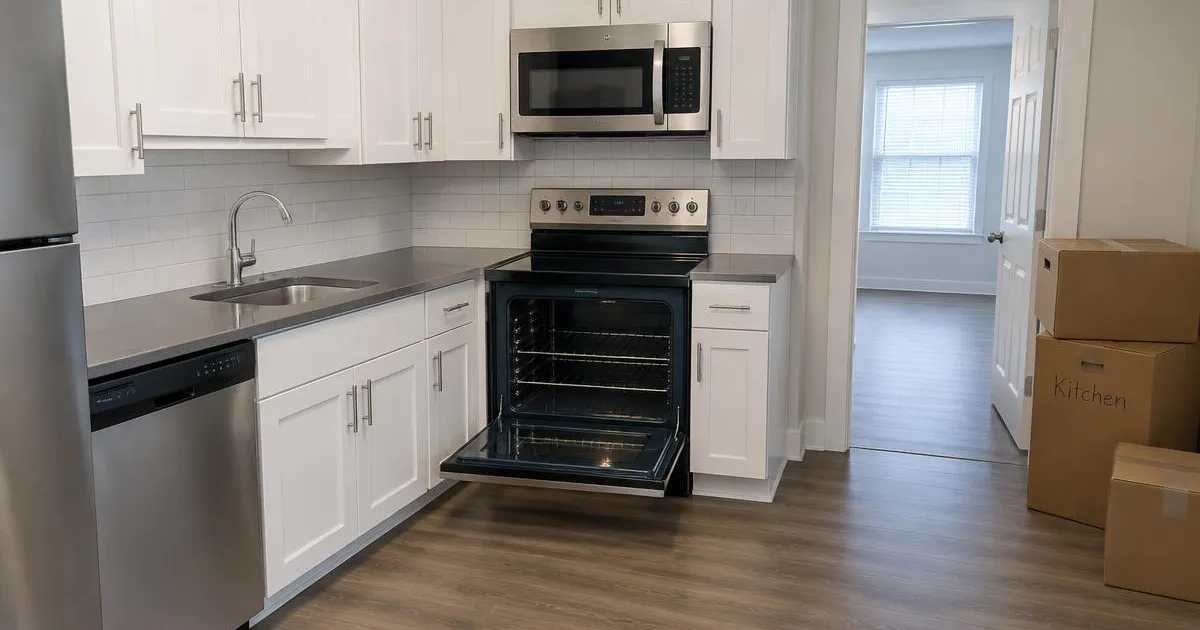
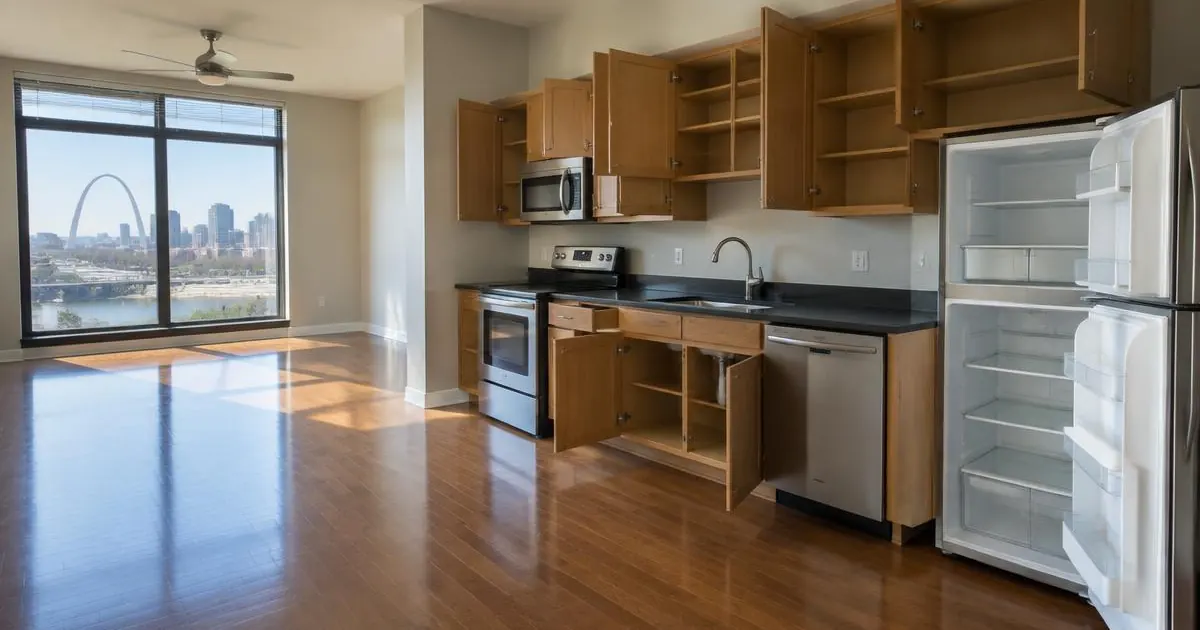
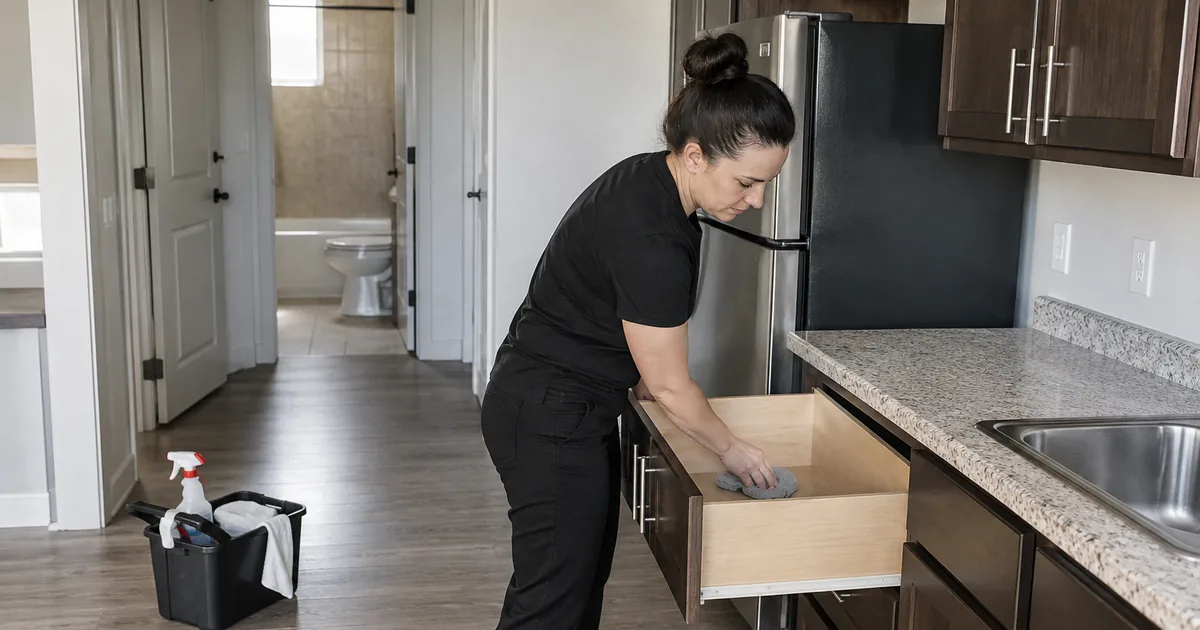
Move-In/Move-Out service includes inside and outside cabinets and appliances. That makes empty storage and appliance access important preparation steps, not minor conveniences. Remove food, shelf liners you no longer want, cookware and personal items before the visit. Tell the team about stuck drawers, damaged shelving or appliances that cannot safely be opened or used.
The distinction matters when comparing services: appliance interiors and inside cabinets are optional add-ons for a deep clean, rather than automatically included. For Move-In/Move-Out, they are included. Interior windows are optional across services except Airbnb turnovers, so request them explicitly for a moving clean instead of assuming glass throughout the home is covered.
Ask how inaccessible areas will be handled. Cleaning an appliance interior does not imply disconnecting a gas line, moving a heavy unit or dismantling components. For example, an empty refrigerator with removable shelves presents a different scope from one containing groceries with a blocked door. Describe limitations before the quote so expectations match practical access.
Choose priorities for the home you are leaving or entering
The same empty house can call for different priorities depending on which side of the move you are managing. A departing resident needs a clearly documented handoff. An incoming resident needs usable storage, bathrooms and food-preparation areas before unpacking. Share that goal instead of simply requesting that everything be spotless.
For a move-out, empty closets and check areas previously hidden by furniture. Photograph existing damage and keep cleaning concerns separate from maintenance requests. For a move-in, identify the first rooms you must use and ask how they fit into the agreed scope. Priorities help guide the work; they do not create an unlimited checklist.
Consider a household receiving keys before a delivery truck arrives. If the kitchen and bathrooms are accessible but one bedroom contains the seller’s remaining belongings, disclose that room. Ask whether it can be excluded or addressed separately. A defined exception is more useful than a whole-home expectation that cannot be met because access changes.
Prepare the property without creating extra risk
Before the visit, remove belongings and ordinary rubbish, secure pets away from work areas and provide clear routes through the home. Share parking and entry instructions, including any building access restrictions. Keep keys or access codes available through an agreed method rather than relying on a door being left unsecured.
Confirm that sinks, toilets, lighting and necessary outlets function. Mention leaks, loose fittings, damaged grout, lifting flooring or broken glass before cleaning begins. These details affect safe working methods and may require maintenance first. Do not leave a leaking appliance running to make it seem ready for service.
Identify surfaces with special care instructions, particularly natural stone, coated glass, wood finishes and newly installed materials. Leave manufacturer guidance where it can be reviewed. If a builder or installer has specified curing or cleaning restrictions, communicate those instructions. Fresh surfaces should not be treated aggressively simply because there is residue; some marks require installer advice rather than more scrubbing.
Match cleaning methods to surfaces and conditions
Manufacturer-safe surface care starts with knowing the material and its finish. A cleaner suitable for one countertop may damage another. Avoid acids on stone, and never mix cleaning products. Stronger chemistry is not automatically a better answer for moving residue, especially around new fixtures or surfaces with uncertain care requirements.
Disinfection should be used only when appropriate, with the product’s full label contact time and other directions followed. Removing visible soil and disinfecting are different tasks. Ask about a specific concern rather than assuming every surface should receive a disinfectant or that a quick wipe provides the same result.
Construction residue deserves particular restraint. Paint specks, adhesive and hardened deposits may respond differently depending on the surface underneath. Flag these areas during assessment and ask what can safely be included. Cleaning should not be described as restoration, mold removal or hazardous waste handling. Suspected mold, damaged finishes and unknown materials may need evaluation outside the cleaning scope.
Build a useful quote request with clear boundaries
For a residential moving-cleaning inquiry, share the Wentzville property address, approximate size, bathroom count, occupancy status and preferred scheduling window. Add photos of buildup, construction dust or access obstacles. Explain whether you are moving in or out, which appliances are present, and whether all cabinets will be empty.
Request written clarification of inclusions, optional interior windows, exclusions and any conditions that could change the scope. Ask how newly discovered construction residue will be discussed before extra work proceeds. If you later want standard or recurring cleaning, that service is available only after an initial deep clean, not as first-time or one-time standard cleaning. The first standard or recurring quote includes that deep clean.
Business properties follow a different quoting process. Commercial/industrial and commercial post-construction work require a free in-person walkthrough before pricing. Provide the business name, approximate square footage, restroom count, requested date/time window and onsite contact. A residential moving quote should not be treated as interchangeable with a commercial assessment, and hazardous work is never promised.
Check the handoff before unpacking hides the surfaces
Arrange a practical way to review the agreed areas while cabinets, counters and floors remain visible. Compare the result with the confirmed scope rather than an imagined universal checklist. If something appears missed, identify the room and surface clearly and share a photo when useful. Separate cleaning concerns from damage or ongoing construction fallout.
For a new-build move-in, watch for dust returning after contractors revisit or ventilation runs. That does not, by itself, establish why it is happening. Document where it appears and discuss the source with the builder or appropriate service provider before requesting repeated surface cleaning. Resolving ongoing dust generation is different from removing settled dust.
After review, unpack into cleaned storage first and keep boxes off food-preparation surfaces. Save your scope notes for future service decisions. A clear handoff helps you know what was addressed, what remained inaccessible and which concerns still belong with the builder, landlord or maintenance professional.