Airbnb/Vacation Rental
Vacation Rental Cleaning Kirkwood: Who Handles the Laundry?
A practical host handoff plan for deciding who washes, dries, stores, and returns rental linens—and what happens when clean stock is unavailable.

vacation rental cleaning Kirkwood: Who Handles the Laundry?
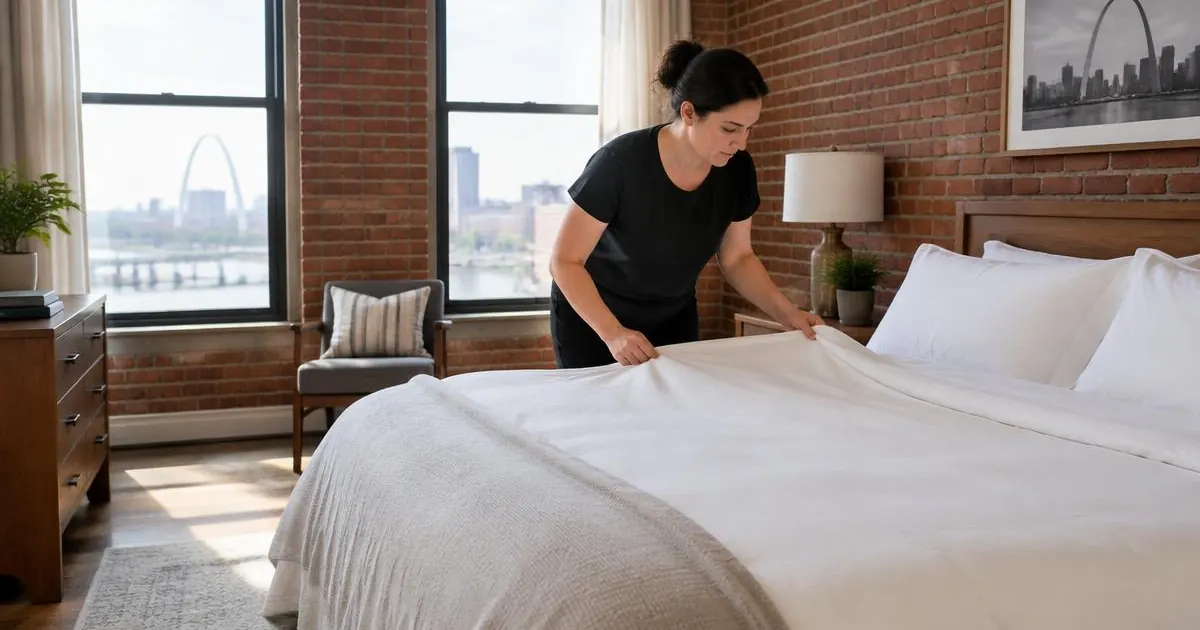
A reliable plan for vacation rental cleaning Kirkwood starts with a question that is easy to overlook: who is responsible for getting used linens back into service? Cleaning the rental and processing its laundry are connected tasks, but they are not automatically the same service. A host can have freshly cleaned rooms and still face an unfinished handoff if sheets remain wet or towels have not returned from an outside laundry provider.
For your property, decide whether Prime Cleaning MO LLC will be asked to process laundry, use clean stock supplied by you, or coordinate an agreed exchange with another provider. Each arrangement needs confirmation before the visit. The plan should identify who strips beds, washes and dries textiles, inspects them, makes beds, and puts unused clean items away. This article focuses on making those responsibilities explicit so your turnover scope reflects how your rental actually operates.
Give intake the information that determines laundry feasibility
Start the inquiry with the number of bedrooms and bathrooms, approximate square footage, approximate bookings, and whether laundry is needed. Add the actual bed configuration: a bedroom with two beds creates a different linen workload from one with a single bed. Explain which sleeping spaces are normally prepared and whether sofa beds or other occasional beds require attention after each stay.
Then describe the equipment and storage available. Is laundry processed in the rental, in a shared facility, or elsewhere? Note machine capacity, access restrictions, and which textiles cannot use the usual wash or drying settings. Identify where clean stock and used laundry can be kept separately.
Ask scope questions before accepting a quote: Does the proposed work include washing, drying, folding, bed-making, and putting linens away, or only selected steps? Is taking laundry offsite available at all? If it is, confirm transport responsibility, return arrangements, and how any separate charge is determined. Do not assume that a request for turnover cleaning answers those questions.
Explore our airbnb/vacation rental service and cleaning in Kirkwood, MO for property-specific information.
Choose the laundry arrangement that fits the property
Choose one primary arrangement and document its limits. Mixing approaches without naming the responsible person can leave everyone expecting someone else to finish the laundry.
Processing laundry at the rental
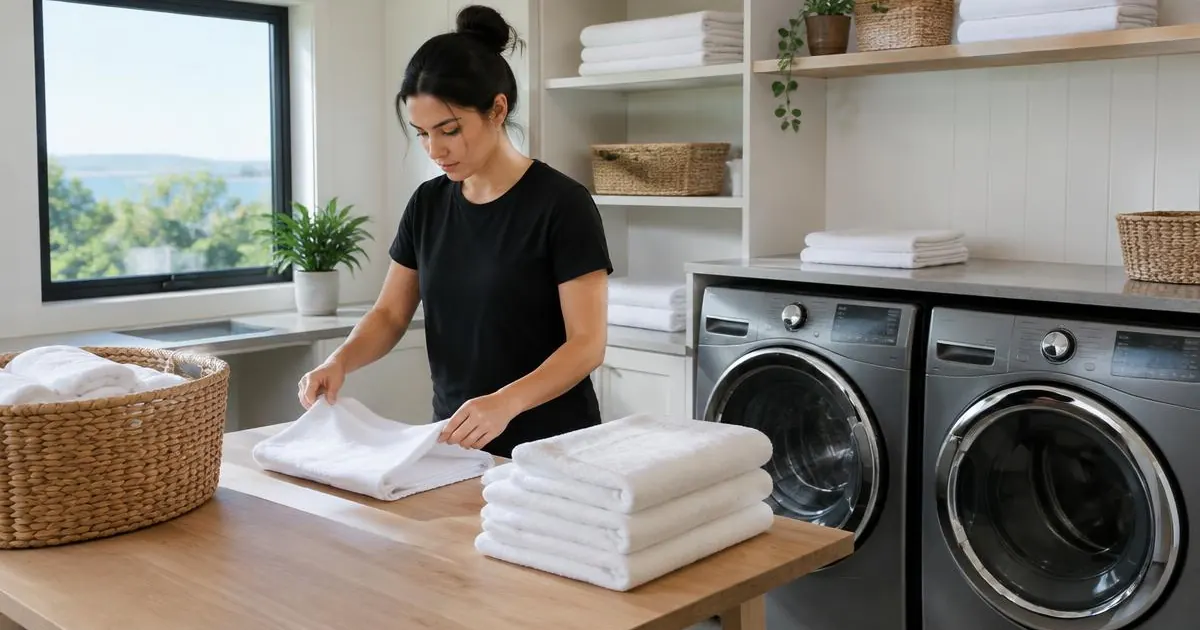
Onsite laundry may suit a property whose equipment can handle the used linen load within the agreed access window. Confirm who starts and finishes each load, whether folding and storage are included, and what happens if a cycle is unfinished when cleaning ends. Available machines do not establish that laundry is included. A large comforter may also need a different process from everyday sheets.
Using host-supplied or externally processed stock
With a clean-stock arrangement, the cleaning team uses linens that are already washed, dried, and accessible. The host or another provider handles the used items unless otherwise agreed. Specify who collects the laundry and returns usable stock. For example, a host using an outside laundry service might ask the cleaner to place used towels in a designated container, while retaining responsibility for pickup, processing, and replenishment. Confirm bed-making separately rather than assuming it follows automatically from supplying clean sheets.
Size linen inventory around beds and actual capacity
Build a simple inventory by bed size and textile type. Count usable sheet sets, pillowcases, towels, bath mats, and any washable covers that belong in the turnover process. Keep retired or damaged pieces out of the usable count. A shelf full of mixed-size sheets is not the same as having suitable linens ready for every bed.
Choose spare stock based on the beds in use, actual laundry capacity, booking pattern, and the reliability of your processing arrangement. There is no single spare-linen quantity that fits every rental. If drying bulky items occupies the equipment needed for towels, additional ready-to-use stock may be more practical than expecting more loads to fit into the visit.
Decide whether linen counting or inventory reporting is part of the requested service. If it is, agree on what gets counted and how shortages are communicated. Label storage by size and purpose, and identify any locked reserve stock that requires host permission before use.
Make the schedule depend on clean stock, not assumptions
Provide the planned departure and arrival windows, the authorized cleaning window, and any restrictions on laundry equipment. Ask whether the proposed work fits those conditions; do not treat a booking schedule as proof that every load can be completed. A turnover requiring several laundry cycles presents a different scheduling problem from one with clean replacement stock ready.
Agree on a decision point for shortages or equipment trouble. If the dryer fails and no usable towels remain, who can authorize replacement stock or arrange another processing option? Identify the host contact and a backup contact, along with the preferred communication method. These are escalation arrangements to discuss, not a promise of emergency availability.
For example, if a larger group uses every bed, the host may need to supply more processed stock than after a stay using only one bedroom. Tell the cleaning provider about the changed workload before the visit. Confirm how schedule updates will be shared rather than assuming booking changes reach the team automatically.
Authorize access and separate linens from guest property
The host must confirm lawful access to the rental and permission to enter during the agreed window. Provide entry instructions, any laundry-room restrictions, and the location of authorized linen storage. If a shared laundry area requires a separate key or reservation, resolve that before assigning onsite processing.
Distinguish rental-owned textiles from guest belongings. A towel brought by a guest or clothing left in a washer should not be treated as property laundry without permission. Establish whom the cleaner should contact if personal items block a machine or remain on a bed. Do not build a plan that depends on moving or laundering guest possessions without authorization.
Also agree where ordinary used linens should wait for collection and how they will remain separate from clean stock. Suspected pests, mold, bodily fluids, or other potentially hazardous contamination should be reported for a separate handling decision. Routine turnover arrangements should not be understood as permission or a promise to treat those conditions.
Define cleaning boundaries alongside the linen work
Confirm the turnover cleaning tasks separately from linen processing. Discuss which rooms and surfaces need attention, which beds should be made, and whether restocking is requested. For restocking, identify host-supplied items, storage locations, and any authorized quantities. Purchasing supplies, tracking shortages, and replenishing stock should be discussed rather than treated as automatic inclusions.
A periodic deep clean addresses accumulated detail work beyond the agreed turnover scope; it is not automatically required before Airbnb turnover service. Appliance interiors and inside cabinets are optional deep-clean add-ons. If additional detailing is requested beyond a deep clean, it may take more than one day and should not be squeezed into a departure-to-arrival window by assumption.
Surface care should follow manufacturer guidance. Avoid acids on stone, never mix cleaning products, and disinfect only when appropriate while allowing the full label contact time. For laundry, make care labels, approved product instructions, and known sensitivities available. Do not assume a stain can be removed or that every textile can tolerate the same treatment.
Close the handoff with a clear laundry status
Agree in advance whether a completion message, linen report, or damage photos are requested and what each should cover. A useful laundry update distinguishes beds made with clean stock, items still awaiting processing, and stock that cannot be used. It should not simply say “laundry done” when some pieces are elsewhere or unavailable.
If damage photos are requested, confirm the reporting channel and privacy expectations. Documenting a torn sheet does not establish who caused the tear. Keep observations factual and avoid including guest information unnecessarily.
Finish your handoff instructions with named responsibilities: who provides clean stock, who processes used textiles, who authorizes substitutions, and who resolves shortages. When requesting service from Prime Cleaning MO LLC, provide the property details and ask for the agreed laundry scope to be reflected in the quote. Revisit that scope when bed configurations, booking patterns, or equipment change. A practical plan follows the property’s real linen workload, not an assumption that cleaning includes everything.