Airbnb/Vacation Rental
Vacation Rental Cleaning Lake Saint Louis: Reviewing Scope After Actual Stays
A practical host handoff plan for matching turnover scope to booking patterns, property condition and the work actually authorized.

vacation rental cleaning Lake Saint Louis: Reviewing Scope After Actual Stays
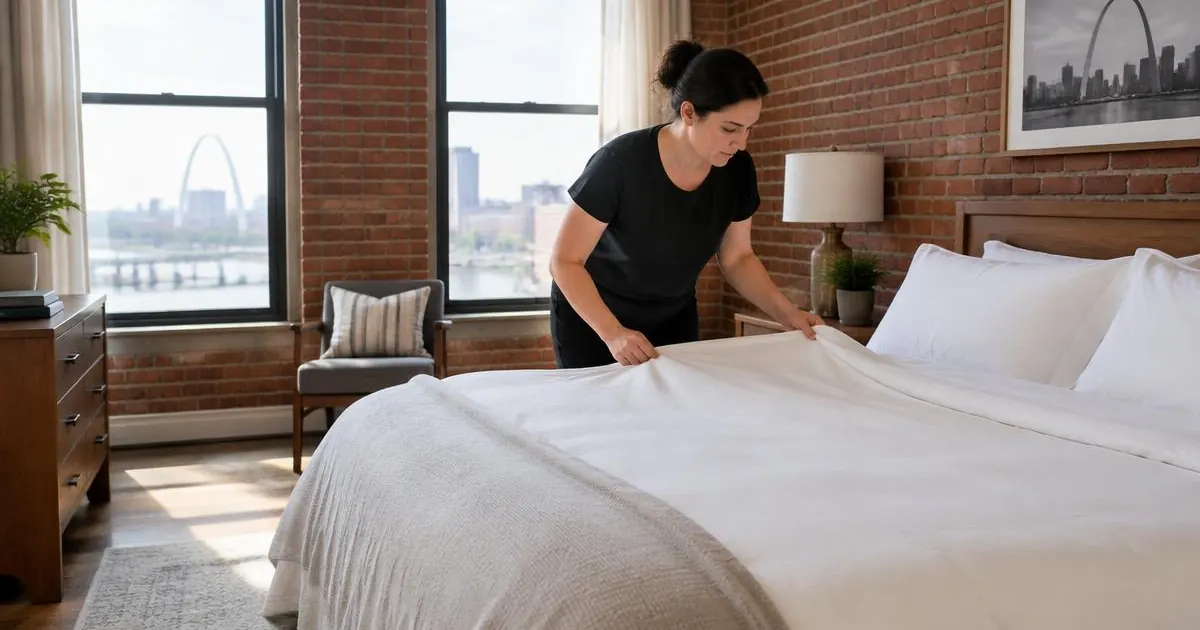
A useful plan for vacation rental cleaning Lake Saint Louis starts with two records: your actual bookings and the property’s observed condition. A departure date shows when access might begin, but it does not reveal how much laundry remains, whether a spill needs extra attention or whether the next reservation uses every bedroom. For hosts considering Prime Cleaning MO LLC, those differences should shape the scope discussion before anyone assumes the same work fits every stay.
Keep a short booking summary beside your property notes. Record occupied nights, authorized guest count, rooms used and recurring cleaning concerns. Compare those facts with what is visible after departure rather than assuming a longer stay is always harder to clean. A short booking can leave heavy kitchen use; a longer booking may leave little beyond routine turnover work. The goal is a realistic handoff based on evidence, not assumptions about guests or a permanently fixed task list.
Build an intake that explains the property’s workload
Start the Airbnb intake with bedrooms, bathrooms, square footage, approximate bookings and whether laundry is needed. These details establish the property’s size and likely workload. Approximate bookings should include the period you mean, such as expected reservations per month, because frequent departures create a different coordination problem from occasional longer stays. Note sleeper sofas and other sleeping spaces rather than relying on bedroom count alone.
Then describe the layout and practical constraints: stairs, separated sleeping areas, parking instructions, supply storage and laundry equipment. Share known surface materials and appliance care instructions. These details help distinguish cleaning work from time spent locating supplies or understanding the property.
Ask scope questions before requesting a quote: Will every bathroom be available to guests? Are any rooms locked out? Who washes bedding? Does the host want a condition report? Identify the specific property and relevant access arrangements in Lake Saint Louis without sharing entry credentials in a public inquiry.
Explore our airbnb/vacation rental service and cleaning in Lake Saint Louis, MO for property-specific information.
Use bookings to test the proposed turnover scope
Review actual reservations against the proposed work instead of treating booking count as a complete workload measure. Occupancy, room use and the checkout-to-arrival window help explain what must be ready and when access is possible. Discuss schedules explicitly; a short gap does not establish that the requested cleaning and laundry can fit.
Compare two realistic booking patterns
Suppose one reservation uses a single bedroom while another uses all bedrooms and a sleeper sofa. The second may require more bed changes and laundry even with the same number of nights. Confirm whether unused rooms still receive inspection or cleaning, and who verifies that they were genuinely unused. Do not quietly remove them from scope.
Flag departures that need another conversation
If several stays produce persistent cooking residue, ask whether the kitchen allocation remains suitable. If outdoor activity repeatedly brings in grit, discuss floor condition and appropriate care. These are reasons to review the work, not proof that every future reservation needs a larger service.
Let observed condition trigger clear decisions
At departure, compare the property with the agreed scope using factual observations: beds used, dishes left, visible spills, floor soil and supplies available. A host inspection, or an inspection and reporting arrangement discussed with the cleaner, can provide that information. Avoid vague labels such as “terrible condition,” which do not explain what changed or what authorization is needed.
Agree beforehand on a decision route for unexpected work. Which changes require host approval? Who can approve them if the host is unreachable? Should an affected area remain untouched while the rest of the authorized work proceeds? Confirm whether condition reports and damage photos are requested, what they cover and how they are delivered; do not assume either is automatically included.
For example, a chipped countertop calls for documentation and a host decision, not an attempted repair. Suspected pests, mold, sharps or bodily fluids require a separate safety conversation and potentially a qualified specialist. A turnover agreement should not imply treatment or hazardous-material handling.
Match laundry and linen inventory to real capacity
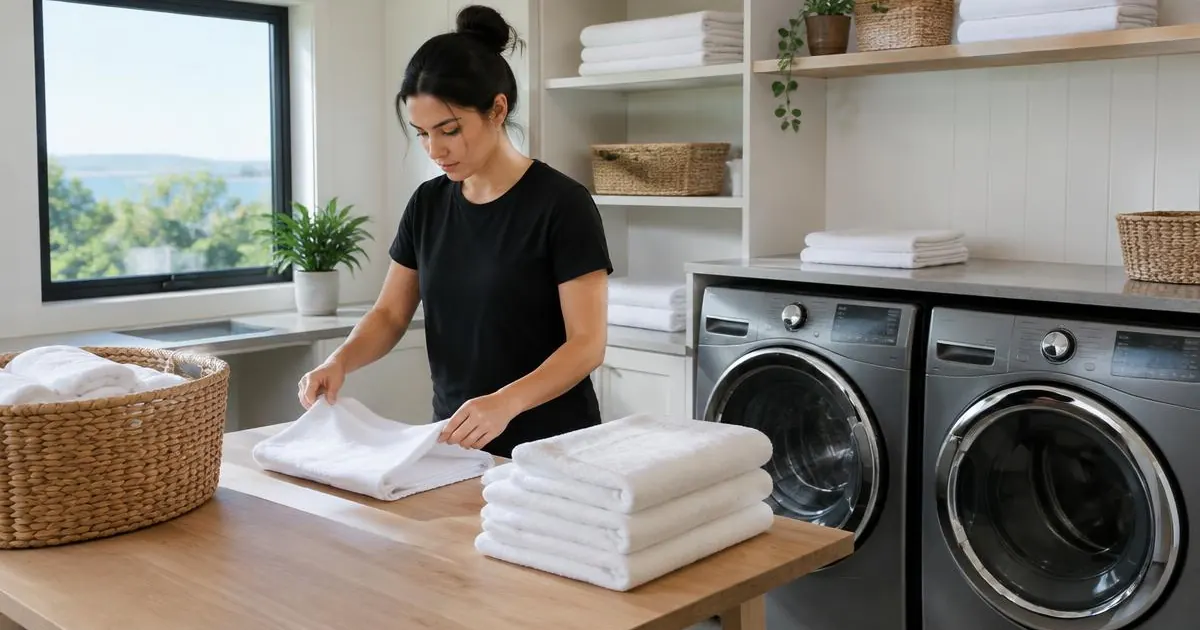
Laundry should be discussed as its own workload, not hidden inside the word “turnover.” Confirm whether service is needed, which items are included, where washing happens and who supplies detergent. Check the equipment’s load capacity, care labels and drying limitations against the beds actually used. Availability of a washer alone does not mean all bedding can be processed within the access window.
Choose a workable linen arrangement
If several beds need changing but onsite laundry capacity is limited, discuss a host-provided clean-linen arrangement or another agreed laundry plan. Size spare linen inventory around bed types, occupied beds, realistic wash capacity and replenishment logistics. There is no single spare quantity that suits every property.
Define responsibility for missing or unsuitable items
Ask who counts linen, identifies worn pieces and authorizes replacement. Linen inventory and reporting are scope items to confirm, not automatic inclusions. If a needed sheet is missing, specify who supplies an approved replacement rather than leaving the cleaner to improvise with an unsuitable size.
Separate turnover work from periodic deep cleaning
A turnover prepares the property for the next authorized stay within the agreed scope. Periodic deep cleaning addresses buildup and less frequently reached areas that routine guest changes may not adequately address. Review the need from observed condition and use patterns rather than declaring deep cleaning mandatory before every Airbnb service.
For example, recurring residue around kitchen fixtures may justify discussing targeted deeper attention or a separate deep clean. Appliance interiors and inside cabinets are optional add-ons for deep cleaning and need explicit agreement. Do not assume they belong to an Airbnb turnover because an appliance or cabinet is present. Interior window cleaning is not an Airbnb turnover add-on.
Deep-clean scope also has limits: detailing beyond deep cleaning may take more than one day and should be assessed separately. For authorized surface care, follow manufacturer guidance, never mix cleaners and avoid acids on stone. Disinfect only when appropriate, using the product’s full label contact time rather than treating a quick wipe as equivalent.
Write a handoff that controls access and approvals
Before scheduling, the host must confirm lawful access and the authorized entry window. Establish how entry instructions will be shared, who confirms departure and what happens if guests remain onsite. Do not direct cleaners to enter an occupied property merely because the booking calendar shows checkout. Guest belongings should not be moved, packed or discarded without permission.
Keep the handoff specific to the reviewed scope. State the approved rooms, laundry arrangement, supplies available, requested reporting and responsible contact. Restocking needs its own agreement: which host-provided items, where they are stored, how much to place and who handles shortages. Purchasing supplies should not be presumed.
Discuss the closing steps too. Who checks locks, returns keys or reports an access problem? What completion message is expected? These details are not automatic inclusions. If the reservation changes, reconfirm the work and scheduling feasibility instead of assuming the original arrangement still applies or that same-day completion is guaranteed.
Recheck the plan when booking evidence changes
Use each review to answer a practical question: Does the agreed scope still match the property’s actual use? Keep notes about repeated exceptions, such as unavailable linens, unapproved extra sleeping areas or supply shortages. Distinguish a one-off issue from a pattern before changing the ongoing arrangement.
When a pattern emerges, revise the relevant part rather than expanding everything. Repeated laundry bottlenecks call for a capacity discussion. Persistent buildup calls for a deeper-cleaning assessment. Missing supplies call for a restocking responsibility review. Share the revised scope with everyone responsible for access, approvals and property readiness.
To discuss service with Prime Cleaning MO LLC, prepare your intake details, representative bookings, current condition concerns and preferred scheduling windows. Ask what can be included, what needs separate approval and what information is still missing. That creates a useful starting point for a property-specific quote without treating every departure as identical.