Airbnb/Vacation Rental
Vacation Rental Cleaning Maplewood: Small-Space Supply Staging
A practical host handoff plan for compact vacation rentals, where clear counters, accessible supplies and realistic laundry arrangements matter as much as presentation.
vacation rental cleaning Maplewood: Small-Space Supply Staging
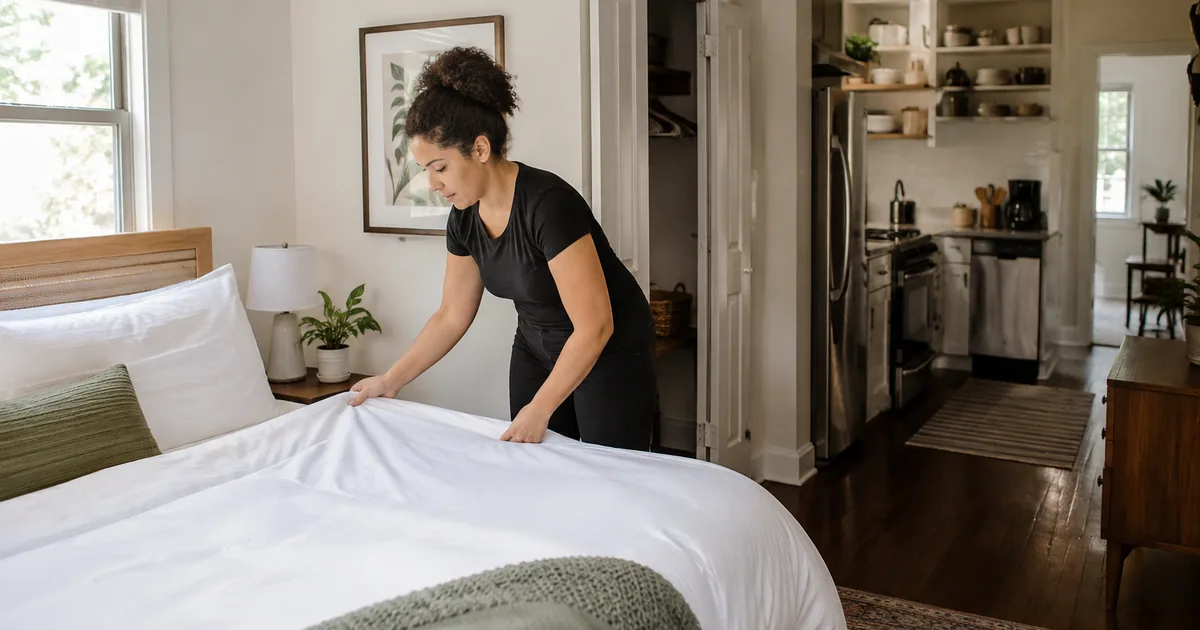
In a compact rental, a neatly made bed means little if guests must move a chair to reach towels or cleaners cannot open the supply cabinet. Planning vacation rental cleaning Maplewood around those constraints helps hosts create a useful handoff rather than just a tidy photograph. The goal is a space that looks welcoming, works comfortably and keeps authorized supplies accessible without exposing private stock.
Begin with a simple room map showing sleeping areas, bathroom storage, the laundry location and the host supply zone. Mark doors, drawers and appliances that need clearance. Walk the route from the entrance to the bed and bathroom while carrying a bag. Anything you must sidestep deserves attention before staging decisions are finalized.
Identify furniture that changes function between bookings, such as a sleeper sofa or folding dining table. Tell Prime Cleaning MO LLC which configuration the next reservation needs, rather than expecting the cleaning team to infer it from the room.
Build the intake around usable space, not just room count
Provide the number of bedrooms and bathrooms, approximate square footage, approximate bookings and whether laundry is needed. Those details establish the starting scope, but compact properties need another layer: where can someone work without blocking the room? Describe narrow bed clearances, stacked furniture and whether the washer shares a closet with cleaning stock.
Ask practical scope questions before requesting a quote. Does the sofa bed need resetting? Are towels stored in a bathroom drawer or on an open shelf? Can supplies be reached while the bed is extended? Does the team need to move lightweight staging pieces, and which items must stay untouched?
Explain how guests actually use the space. For example, a studio advertised for two may occasionally accommodate additional guests on a convertible sofa. That changes bedding, towel placement and laundry demand even though the square footage stays the same. Confirm the cleaning tasks and staging expectations for each configuration, including who communicates the setup needed for the next booking.
Explore our airbnb/vacation rental service and cleaning in Maplewood, MO for property-specific information.
Give guest supplies and host stock separate homes
Small rentals often fail at storage because every spare item ends up under the sink. Separate what guests may use from what the cleaning team needs, then check that neither zone blocks plumbing access, appliance ventilation or a walking route.
Keep guest essentials visible without crowding surfaces
Choose a consistent, reachable place for toilet paper, towels and any consumables you provide. Avoid filling the only bathroom counter with baskets. A clearly designated shelf may work better than decorative containers that guests must unpack. Ask whether the proposed placement leaves room for toiletries and allows cabinet doors to open fully.
Reserve an accessible host supply zone
Use a designated cabinet or secured storage area for reserve stock and cleaning products, with access instructions agreed in advance. Keep products in labeled containers and away from guest food. Discuss whether restocking is part of the service, which products qualify and who purchases replacements. Cleaning access should not require shifting a bed or unpacking private host possessions.
Set staging rules that protect working surfaces
A compact rental benefits from fewer placement decisions, not more decorations. Establish a restrained reference setup for the bed, seating and kitchen. Use host-provided reference photos if helpful, but confirm whether photo-based staging is within the agreed scope. The reference should show usable surfaces, not merely an attractive camera angle.
Choose rules that can be checked physically: the bedside surface has room for a phone; the dining surface is usable; towels do not obstruct the bathroom door; and seating does not cover the supply cabinet. If a tray must be removed before someone can cook, consider storing it rather than repeatedly repositioning it.
Decide where decorative pillows and throws belong when a sleeper sofa is in use. Do not assume a cleaner can place them in a locked closet. Agree on an authorized storage spot. Manufacturer-safe surface care matters too: avoid acids on stone, never mix cleaners, and disinfect only where appropriate while allowing the product’s full label contact time.
Match linen staging to actual laundry capacity
Laundry can consume the same limited space needed for cleaning and staging. Confirm whether laundry is requested, where it will happen, which items are covered and who is responsible for anything that cannot be completed within the agreed visit. Do not treat washing, drying, folding or bed resetting as automatic inclusions.
Plan the route from used linen to ready storage
Choose a collection point that does not block the entrance or bathroom. Keep clean linen separate from used linen and away from cleaning products. If the washer is behind a folding table, decide who clears that table and where it goes. Avoid a plan that requires clean sheets to wait on the floor.
Choose reserves by beds and laundry constraints
Base spare linen inventory on the beds being prepared, booking patterns and actual washing and drying capacity. Bulky bedding may change what is workable. If onsite capacity is insufficient, discuss host-managed replacement sets or another agreed laundry arrangement. Confirm whether linen counting or inventory reporting is requested.
Agree on access, timing and obstruction decisions
The host must confirm lawful access and provide authorized entry instructions, including any building rules relevant to the visit. Establish the expected checkout, cleaning window and next arrival information, then ask whether the requested schedule is feasible. A compact floor plan does not necessarily mean a short turnover, particularly when laundry and convertible furniture are involved.
Decide what happens if access is delayed or the supply area is blocked. Identify the host contact and the preferred communication method. If a guest has left a suitcase in front of the linen cabinet, the team should not move or handle those belongings without permission. The host needs to resolve authorization and access rather than leaving the cleaner to guess.
Make a second decision for ordinary staging obstructions. Can an empty ottoman be repositioned? May a folding table be stored? Specify allowed changes and a fallback layout. This keeps the handoff focused on approved actions while avoiding promises of same-day completion or availability outside the agreed schedule.
Keep turnover work separate from periodic deeper cleaning
Turnover scope should address the agreed between-guest cleaning and setup. Periodic deep cleaning serves a different purpose: addressing buildup and less frequently reached areas that may be impractical during a booking change. It is not automatically required before an Airbnb turnover. Discuss the property’s condition and select the service that matches the work.
In small spaces, watch for recurring trouble behind movable storage, around furniture edges and beneath frequently shifted staging pieces. If reaching an area requires clearing an overloaded cabinet, decide who will remove the contents and whether that work belongs in a separate appointment. Do not assume decluttering or detailed organizing is included.
For deep cleaning, appliance interiors and inside cabinets are optional add-ons that need explicit agreement. Detailed work beyond a deep clean may take more than one day, so keep it separate from arrival-dependent promises. Suspected pests, mold, biohazards or bodily fluids call for host notification and a separate assessment of appropriate help, not an assumption that turnover service includes treatment.
Make the final handoff about usability and exceptions
Agree on the handoff before the visit: who receives updates, which communication channel to use and whether completion reports or photos are requested. Damage photos and supply reports are scope items to discuss, not automatic deliverables. If documentation is agreed, define what needs recording without capturing unnecessary guest information.
Organize the final review around the small-space plan. Are authorized supplies reachable? Is the requested sleeping configuration ready? Can doors open without moving staging pieces? Are clean linens in their designated place? These are suggested host priorities, not a promise of a universal checklist. Discuss which checks the team will perform.
Set a practical restocking threshold for each agreed item and identify who responds to shortages. If the last replacement towel is used, for example, the host may need to replenish stock before another booking. Share the room map, scope decisions and access instructions with Prime Cleaning MO LLC when requesting service, so the quote reflects how the rental actually functions.