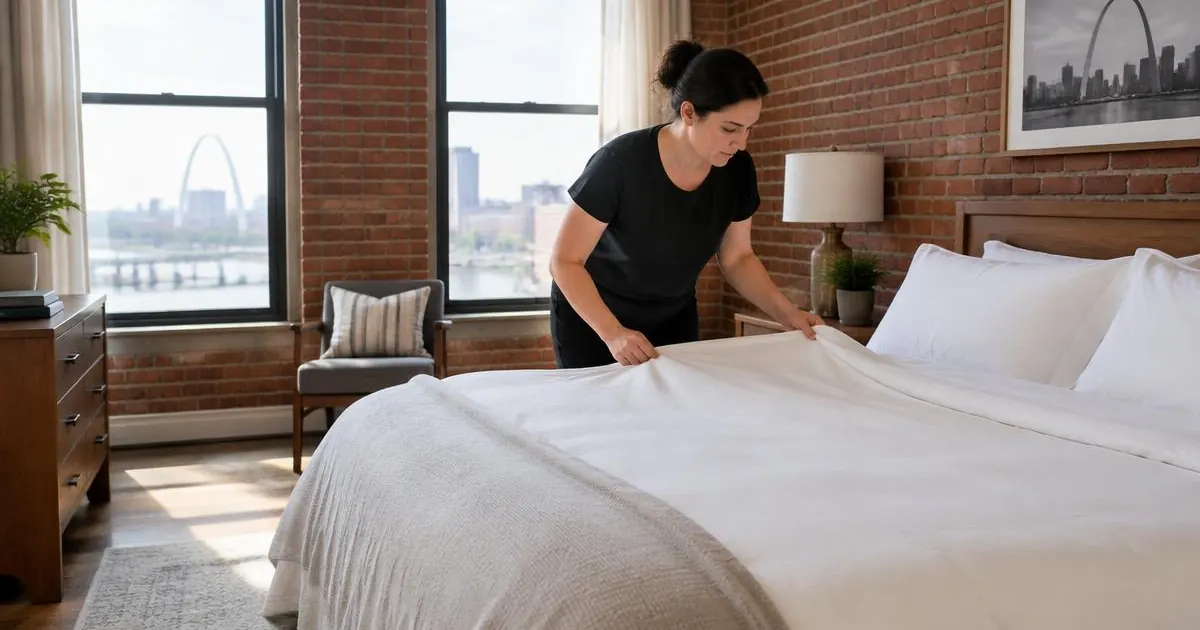
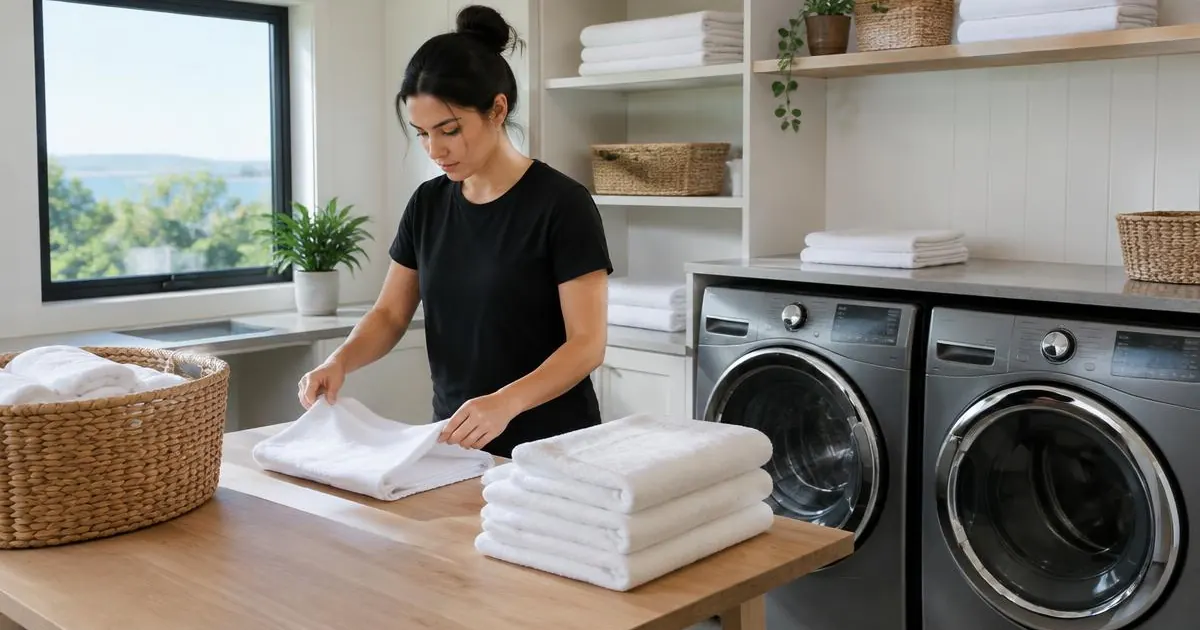
Airbnb/Vacation Rental
Vacation Rental Cleaning Oakville: Laundry Capacity and Spare Linens
A practical host handoff plan for keeping laundry bottlenecks from disrupting an Oakville vacation rental turnover, with clear spare-linen and scope decisions.
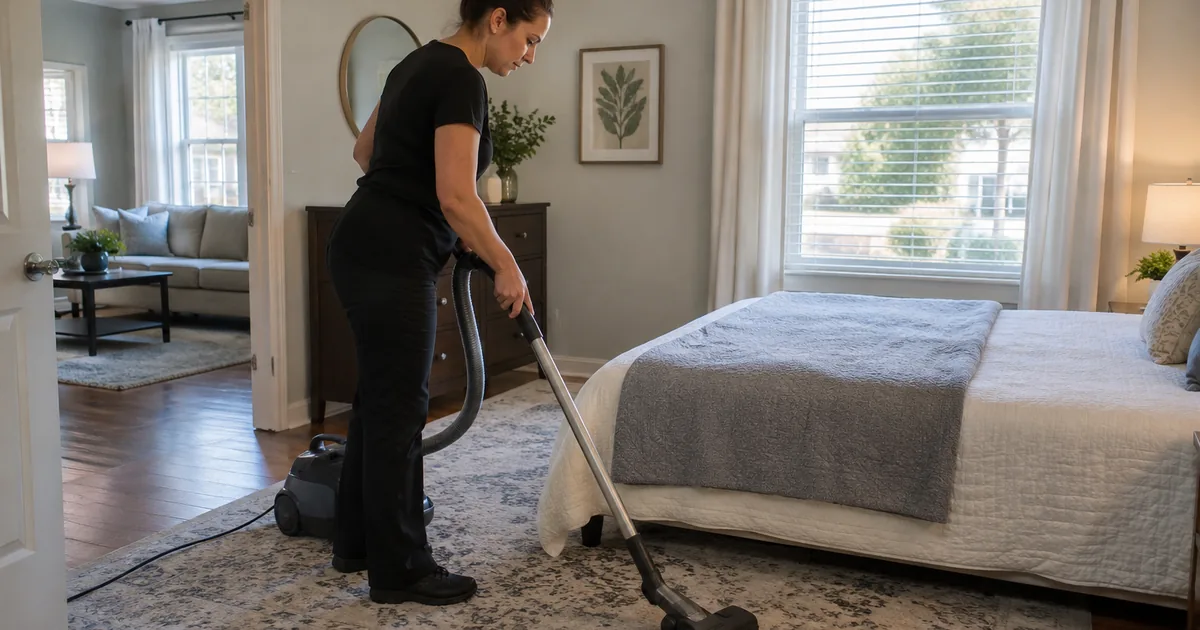
vacation rental cleaning Oakville: Laundry Capacity and Spare Linens
A reliable guest handoff starts before the first towel enters the washer. For hosts arranging vacation rental cleaning Oakville, drying capacity can become the limiting factor even when the rooms are straightforward to clean. This guide from Prime Cleaning MO Team explains how to build a handoff plan with Prime Cleaning MO LLC around actual laundry equipment, usable spare linens, and agreed responsibilities rather than assuming everything will be dry before arrival.
Start with one question: must today's used linens return to the beds today? If yes, the handoff depends on washing, drying, inspection, and bed-making all fitting within the available window. If clean replacements are ready, room preparation can proceed separately from laundry, provided someone remains responsible for finishing it.
Neither approach is automatically better. A small property with reliable equipment may work differently from a larger rental with several beds and bulky towels. Choose based on your property's workload, not another host's routine.
Give intake details that reveal the real laundry load
When requesting service, provide the number of bedrooms and bathrooms, approximate square footage, approximate bookings, and whether laundry is needed. Then describe the sleeping arrangements: bed sizes, sofa beds, layered bedding, and any differences between advertised capacity and typical occupancy. Bedroom count alone does not explain how many textiles need processing.
List what usually enters the laundry after a stay, including sheets, pillowcases, towels, bath mats, and washable covers. Explain which items follow a separate washing schedule. Ask which laundry tasks can be included in the proposed scope, where they would happen, and who supplies suitable detergent.
Report the washer and dryer setup, any shared access, equipment instructions, and known performance issues. A dryer that leaves towels damp or a machine with an unresolved error changes the plan. Share departure and arrival windows as scheduling information, not as proof that the laundry will fit between them.
Explore our airbnb/vacation rental service and cleaning in Oakville, MO for property-specific information.
Find the drying bottleneck before setting the schedule
Judge capacity using your actual textiles and equipment instructions. Do not estimate drying from washer capacity alone: a load that fits the washer may need dividing for effective drying. Overloading can leave dense items damp while lighter pieces feel finished.
Observe a representative turnover load
Before relying on a same-set handoff, observe ordinary loads under the conditions the cleaner will encounter. Note which items can be washed together, whether drying needs another pass, and whether clean items have space to cool and be checked. Include bulky bedding rather than testing only lightweight sheets.
Have the host address lint buildup, ventilation concerns, or equipment faults through appropriate maintenance. Cleaning staff should not be expected to diagnose or repair a dryer.
Choose a fallback before laundry starts
If towel loads regularly delay bed linen, consider separating those streams or using ready-to-fit bedding while towels finish. Offsite laundering is another possibility only if the provider, transport permission, cost, custody, and return arrangements are confirmed. Do not assume it is available through the turnover service.
Size spare linens around beds and actual capacity
Build your spare-linen plan by matching clean sets to each bed size and the expected towel demand. Then account for what your laundry setup can realistically finish between stays, including clustered bookings. There is no useful universal minimum: the right reserve depends on the beds, textiles, storage, and recovery capacity.
For example, a property with two different bed sizes needs compatible replacements, not merely a cupboard full of sheets. If the slower-drying bedding cannot reliably return during the handoff, ready replacements let the beds be made without waiting for that load.
Decide where approved stock is stored and who may use it. Label shelves by size and keep dry, usable items separate from laundry awaiting inspection. A stained or torn set is not a dependable spare.
Discuss whether linen inventory checks are part of the service. If they are, agree how shortages are recorded, who purchases replacements, and when the host should review stock against upcoming bookings.
Write the handoff around decisions, not assumptions
Confirm that the host has lawful authority to grant entry and provide approved access instructions, including any laundry-room restrictions. Agree what happens if guests have not departed, an access code fails, or the machines are unavailable. Those situations require host direction rather than an assumed right to enter or continue.
Specify who starts, transfers, finishes, and stores each load. If a cycle could still be running when the cleaner leaves, establish whether that is permitted under property rules and equipment guidance, and who will complete it. Do not leave this responsibility implied.
Keep guest belongings separate from property laundry. Staff should not wash, move, discard, or otherwise handle guest possessions without permission. Establish a contact path for an uncertain item.
Confirm the service schedule and the actual handoff recipient. If laundry falls behind, the decision should be clear: use approved spares, arrange an agreed alternative, or have the host revise the arrival arrangements. No same-day completion should be assumed.
Keep turnover scope separate from deeper cleaning
A turnover prepares the rental for its next agreed use; periodic deep cleaning addresses accumulated detail beyond that visit's scope. Discuss both separately, without treating a deep clean as an automatic prerequisite for Airbnb service. A heavier cleaning visit also needs a schedule that does not depend on the usual laundry window.
For a deep clean, appliance interiors and inside cabinets are optional add-ons. Do not confuse that with move-in/move-out service, which includes inside and outside cabinets and appliances. Detailing beyond deep cleaning may take more than one day, so flag unusually demanding conditions before scheduling.
For the turnover itself, confirm room-cleaning priorities, laundry, bed-making, and any agreed restocking. Ask whether the dryer lint filter and accessible machine surfaces are within scope; neither implies appliance repair or vent servicing. Keep detergents and cleaning products used according to manufacturer instructions, never mix cleaners, avoid acids on stone, and disinfect only when appropriate with the full label contact time.
Agree what gets reported when laundry cannot finish
A useful laundry report answers a decision question: what is ready, what remains, and what action is needed? Discuss whether completion reports are included and the format the host can review. A short status note may be more useful than a large collection of unstructured photos.
For instance, a report might distinguish made beds from clean towels still drying, then identify the approved spare stock used. That helps the host decide whether the remaining task affects arrival or can be completed through a separately agreed arrangement. Damp textiles should not be folded into storage or presented as guest-ready.
Confirm whether damage photos are requested, where they should be sent, and how guest privacy will be protected. Photos document a condition; they do not establish who caused it.
Unexpected pests, suspected mold, or potentially hazardous contamination need a stop-and-contact decision, not improvised treatment. Do not assume ordinary turnover laundry includes handling bodily fluids or other biohazards.
Review the plan before a dense run of bookings
Before clustered stays, compare expected linen demand with clean stock and the laundry still outstanding. Look for the point where one unfinished load would consume the reserve intended for the next booking. That is where to increase suitable stock, adjust the laundry arrangement, or change scheduling expectations.
Confirm restocking separately from linen handling: which supplies are approved, where they are stored, who buys them, and whether replenishment is within scope. A cleaner finding an empty shelf does not create an automatic purchasing arrangement.
Send Prime Cleaning MO LLC a concise brief with the intake details, equipment limitations, spare-linen locations, lawful access instructions, requested tasks, and the person authorized to make decisions. Ask which elements can be accepted before finalizing the handoff. Revisit the plan when occupancy, bedding, equipment, or booking patterns change; the goal is a workable process tied to this property's drying capacity.