Commercial & Janitorial
Industrial, Medical Office & Dorm Cleaning: Scope Boundaries in St. Louis
Industrial cleaning St. Louis can describe very different work, from an administrative breakroom to a restricted production area. Prime Cleaning MO LLC’s commercial offering includes small industrial spaces, medical and dental practices, and college dorm turnovers. Those customer types do not mean every specialist task inside those buildings is part of general cleaning.
Industrial cleaning St. Louis starts with boundaries
Industrial cleaning St. Louis can describe very different work, from an administrative breakroom to a restricted production area. Prime Cleaning MO LLC’s commercial offering includes small industrial spaces, medical and dental practices, and college dorm turnovers. Those customer types do not mean every specialist task inside those buildings is part of general cleaning.
Before requesting service, identify the exact areas to be cleaned and any restricted or hazardous conditions. Commercial pricing requires a free in-person walkthrough. Business name, approximate square footage, bathroom count and an onsite contact help the team understand the request without assuming unfamiliar areas are safe or accessible.
Light industrial spaces: separate everyday rooms from production
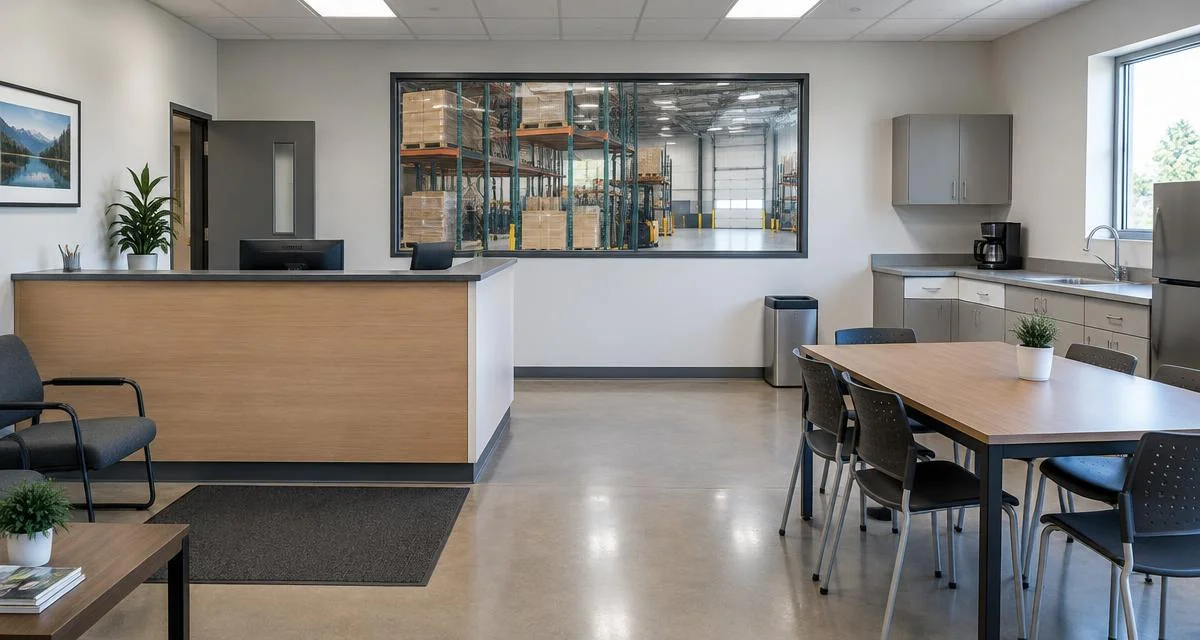
Offices, staff restrooms and breakrooms can be described as individual general-cleaning zones. Production equipment, electrical systems and stored materials need separate boundaries. Do not include machinery maintenance, chemical processing or waste handling in a routine premises-cleaning checklist.
The Industrial quote path asks whether the site deals with hazardous waste. Answer accurately and describe relevant restrictions to the authorized contact. Disclosure is a request for assessment, not confirmation that hazardous cleanup or disposal is offered. Leave specialist requirements to properly qualified providers.
Explore our commercial & janitorial service and cleaning in St. Louis, MO for property-specific information.
Medical and dental offices: do not infer clinical services
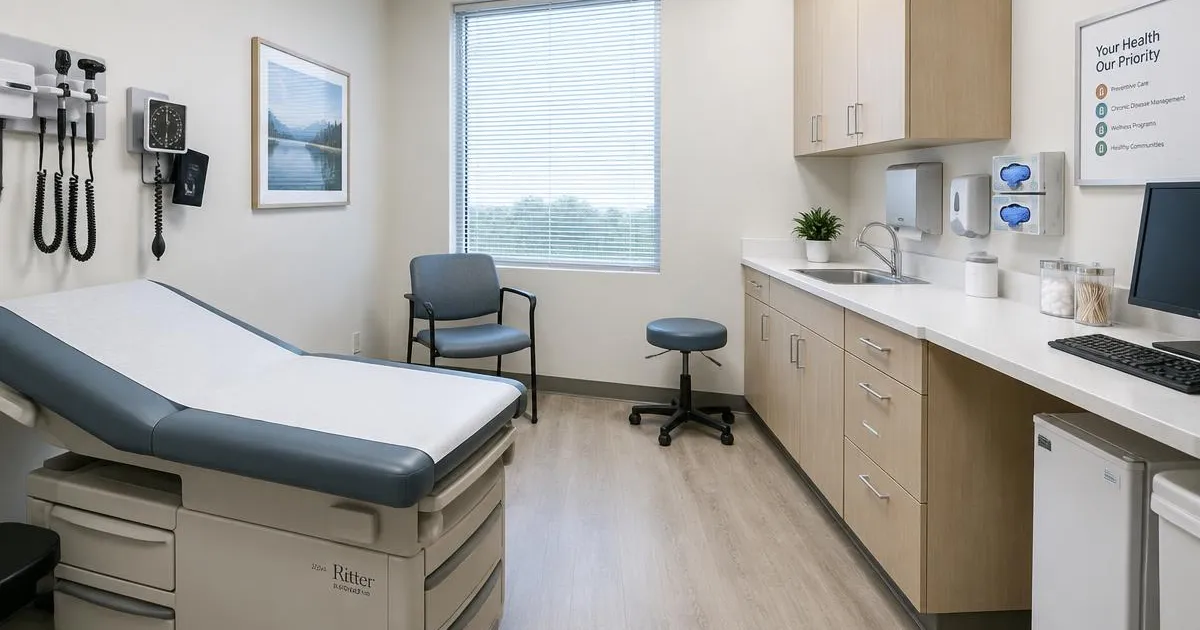
Reception, administrative offices and general common areas should be distinguished from treatment rooms and clinical equipment. Ask the facility manager which areas may be entered and what site-specific rules apply. General cleaning of a medical office does not establish regulated clinical cleaning or instrument-processing capability.
Keep sharps, regulated waste, treatment materials and specialist infection-control responsibilities outside an ordinary cleaning scope unless separately verified. Avoid broad claims such as hospital-grade service or a regulatory guarantee. The proposal should describe actual approved tasks rather than borrowing a healthcare label.
Dorm turnovers: define what makes a room ready
For dorm turnover work, provide room count, shared or private bathroom arrangements, building access and the expected turnover window. Specify who removes resident belongings and who authorizes entry. A vacant room and an occupied room create different cleaning permissions.
Confirm whether the scope includes desks, accessible surfaces, floors and any bathroom areas. Linen changes and room staging need their own agreement rather than being assumed from the word turnover. Identify maintenance issues separately so a cleaning request does not become a furniture-repair or replacement promise.
Use one contact and a written scope
Choose an authorized onsite contact who can explain access restrictions and approve changes. Share sensitive access details privately. Interior window cleaning is an optional add-on, and specialist tasks should not be inferred from a general commercial package.
Standard and recurring service are available only after an initial deep clean, not as first-time or one-time maintenance visits. The quote includes the initial deep clean. Review each included area after the free walkthrough so the starting work and ongoing responsibilities are clear.