Commercial & Janitorial
Janitorial Services St. Louis: A Workplace Maintenance Checklist
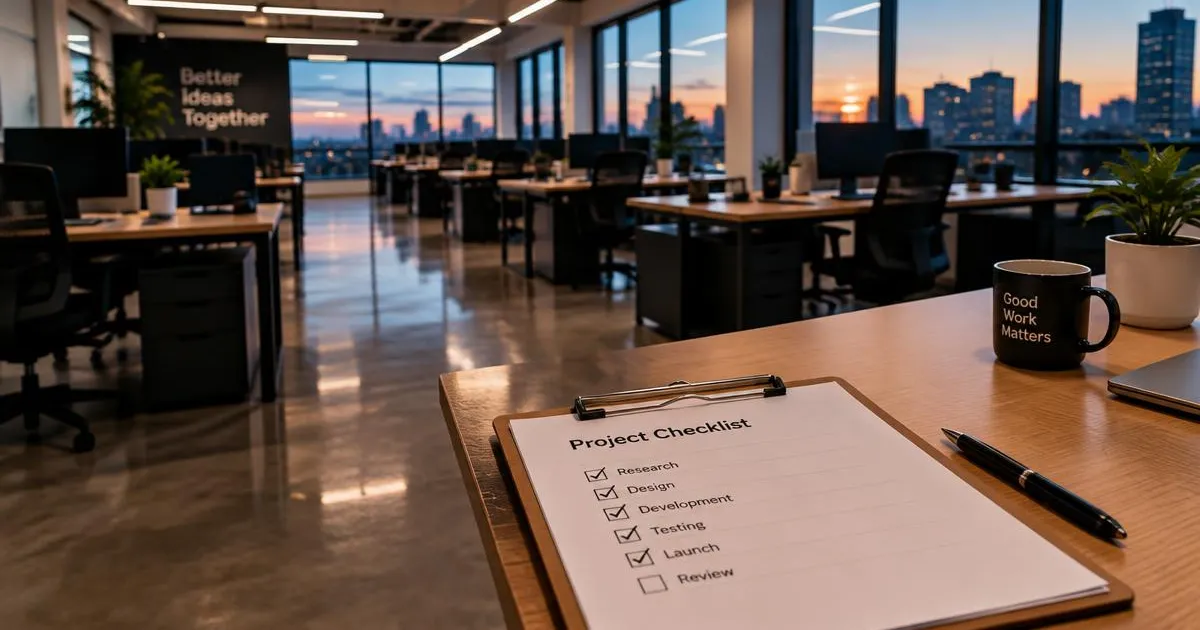
Planning janitorial services St. Louis means deciding which workplace maintenance tasks belong on each visit and which need a separate schedule. A single instruction to clean the building does not explain restroom care, breakroom surfaces, waste handling or floor materials. A useful checklist gives both your staff and the cleaning team a shared picture of the expected work.
Make janitorial services St. Louis task-specific
Planning janitorial services St. Louis means deciding which workplace maintenance tasks belong on each visit and which need a separate schedule. A single instruction to clean the building does not explain restroom care, breakroom surfaces, waste handling or floor materials. A useful checklist gives both your staff and the cleaning team a shared picture of the expected work.
Begin with a list of rooms and the activity in each area. Include public restrooms, employee restrooms, lunch spaces, copy rooms and entrances. Identify any spaces controlled by the landlord rather than your business. Prime Cleaning MO LLC confirms commercial scope and pricing through a free in-person walkthrough.
Restrooms: fixtures, supplies and responsibility
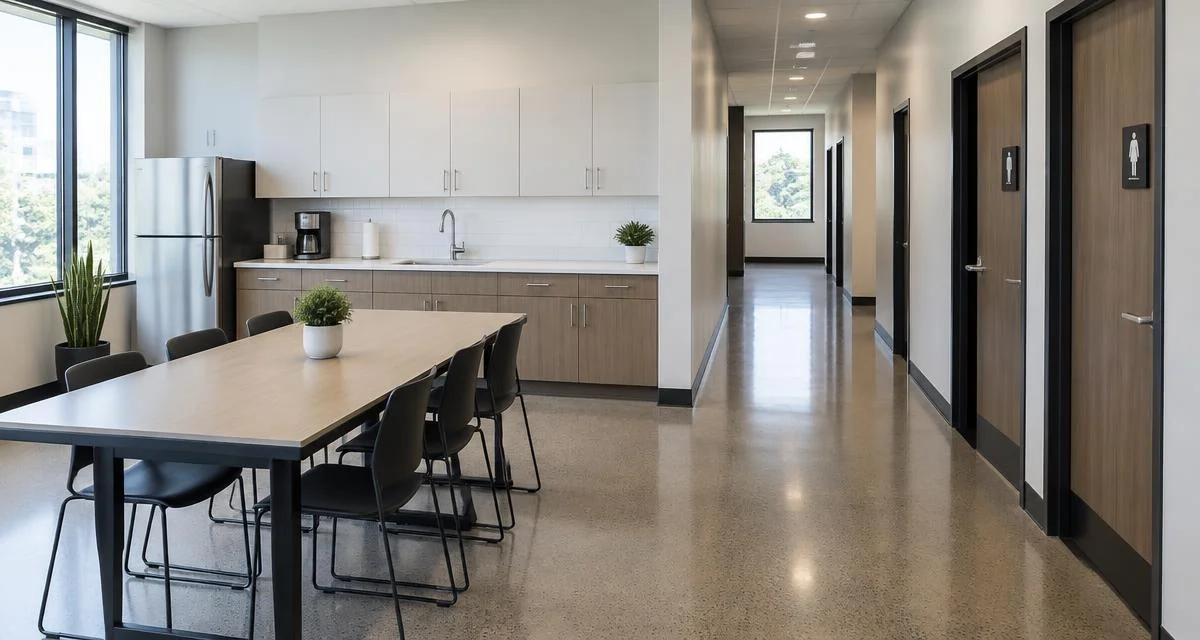
Record bathroom count and fixture types rather than describing the facility only by floor area. Toilets, sinks, mirrors and accessible floors need a specific approved checklist. Dispenser refilling also needs an owner: confirm whether your staff stocks supplies or whether ordering and restocking are an agreed add-on.
Keep cleaning responsibilities separate from plumbing repairs and building maintenance. A leaking fixture or damaged dispenser needs a report to the authorized contact, not an assumption that a janitorial visit includes a repair. Record the reporting process so small problems can reach the right person.
Explore our commercial & janitorial service and cleaning in St. Louis, MO for property-specific information.
Breakrooms: define surfaces and appliance access
Counters, sinks, tables and floors are typical breakroom planning items. Refrigerator interiors and other appliance detail work need explicit permission and scope. Staff food, personal mugs and labelled containers should not be treated as items to discard simply because the room needs cleaning.
Confirm who clears dishes and removes personal items before a visit. If the breakroom is still occupied at the cleaning time, identify a safe way to work around users or an alternative service window. A realistic checklist reflects daily workplace habits rather than assuming every area will be empty.
Waste and floors: ordinary maintenance boundaries
Distinguish routine office trash and recycling from furniture removal, heavy debris or regulated waste. Bulky office items belong in a separate junk-removal request. Hazardous materials require disclosure and specialist assessment; a routine janitorial checklist does not establish safe handling or disposal authority.
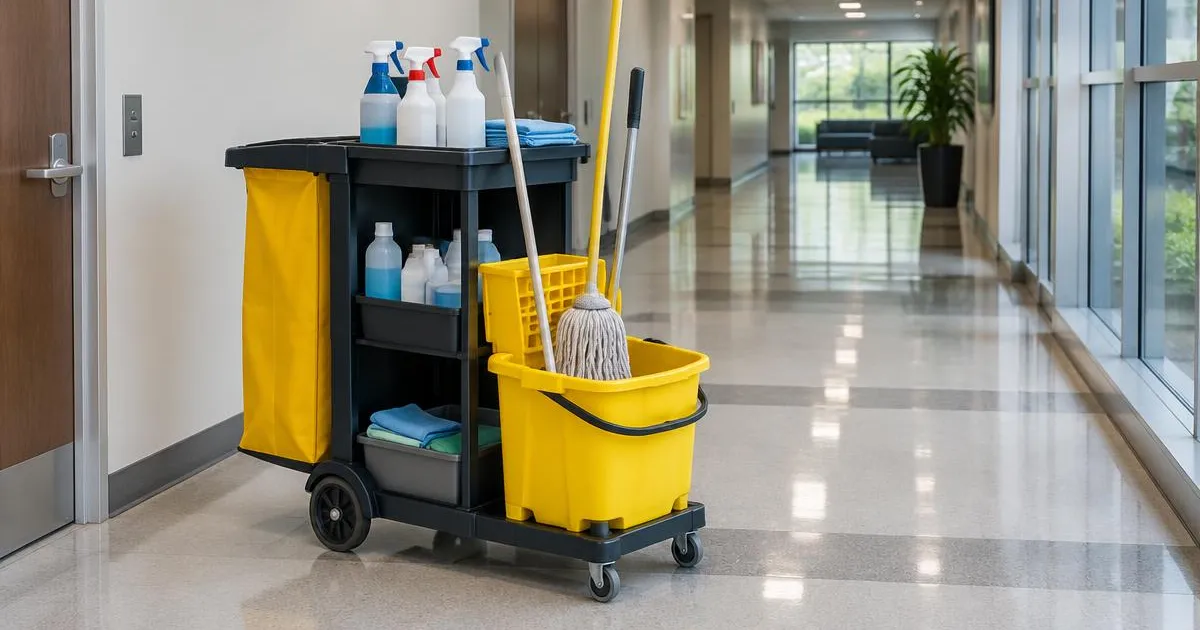
List floor materials and identify mats, rugs and restricted areas. Vacuuming and mopping are different from carpet extraction, floor stripping, waxing or restoration. Do not compare providers as though these specialist tasks were included automatically. Ask for the exact agreed floor care rather than a vague promise of polished floors.
Set a checklist review and a starting baseline
Standard and recurring cleaning are available only after an initial deep clean, not for a one-time or first-time visit. Your quote includes that initial deep clean. This starting step lets the team address the baseline before a maintenance checklist takes over.
Choose one person to review the scope when staffing, room use or visitor traffic changes. Request adjustments when the building changes instead of adding unapproved tasks to a wall checklist. Add interior window cleaning separately if needed, and confirm the final frequency and scope after the free walkthrough.