Move-In/Move-Out
Move-In Cleaning in St. Charles: Empty-Home Guide
An empty home offers the best opportunity to reach cabinets, appliances, closets, and floors before boxes arrive. Use this guide to prepare access, confirm scope, and inspect the spaces you will use first.
Book Move-In Cleaning in St. Charles Before Unpacking
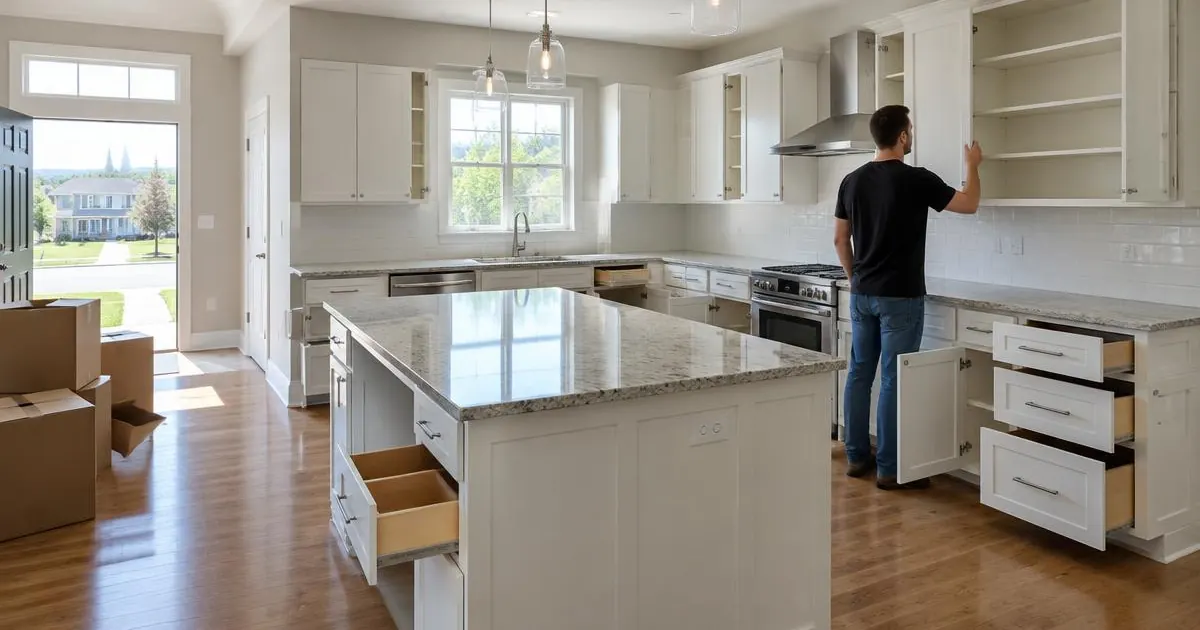
Arrange move-in cleaning in St. Charles after you have authorized access and after repair crews finish, but before furniture and boxes arrive. Confirm that the scope includes inside and outside cabinets and appliances. Those empty storage spaces and food-contact areas become much harder to reach once you start settling in.
Start by checking possession, utility availability, and any remaining contractor visits. Then request a quote using the home's size, bedroom and bathroom counts, condition, and preferred access window. Tell the cleaning company whether anything will remain inside, including furniture, stored belongings, or appliances left by the previous occupant.
Prime Cleaning MO LLC serves the St. Louis metro, including St. Charles. Its move-in/out service includes cabinet and appliance interiors and exteriors. This guide from the Prime Cleaning MO Team explains how to prepare the property, clarify exceptions, and inspect the result before unpacking.
Match the Service to the Home's Actual Condition
Choose the service based on the condition and purpose of the property, not simply whether it is empty. An unfurnished home with ordinary household buildup is different from one containing renovation dust, abandoned belongings, or materials that need specialist assessment.
Move-in cleaning versus deep cleaning
For an empty-home transition, move-in cleaning includes inside and outside cabinets and appliances. With deep cleaning, appliance interiors and inside cabinets are optional add-ons. That distinction matters if you are comparing quotes: two descriptions that both say “kitchen cleaning” may cover different work.
If you plan to continue with Prime Cleaning MO LLC after moving, standard/recurring cleaning is available only after an initial deep clean. It is not a one-time service or a first-time-client option, and the first recurring-service quote includes the initial deep clean. Ask how your transition visit and recurring plan should be coordinated rather than assuming they are interchangeable.
When renovation changes the request
If contractors have worked inside, provide bedroom and bathroom counts and say whether the remaining material is dust, debris, or both. Suspected lead, asbestos, silica, or biohazards require appropriate specialists and contractor assessment, not routine cleaning. Do not sweep or vacuum unidentified construction residue to prepare for the visit.
Explore our move-in/move-out service and cleaning in St. Charles, MO for property-specific information.
Confirm Cabinet and Appliance Details Before Booking
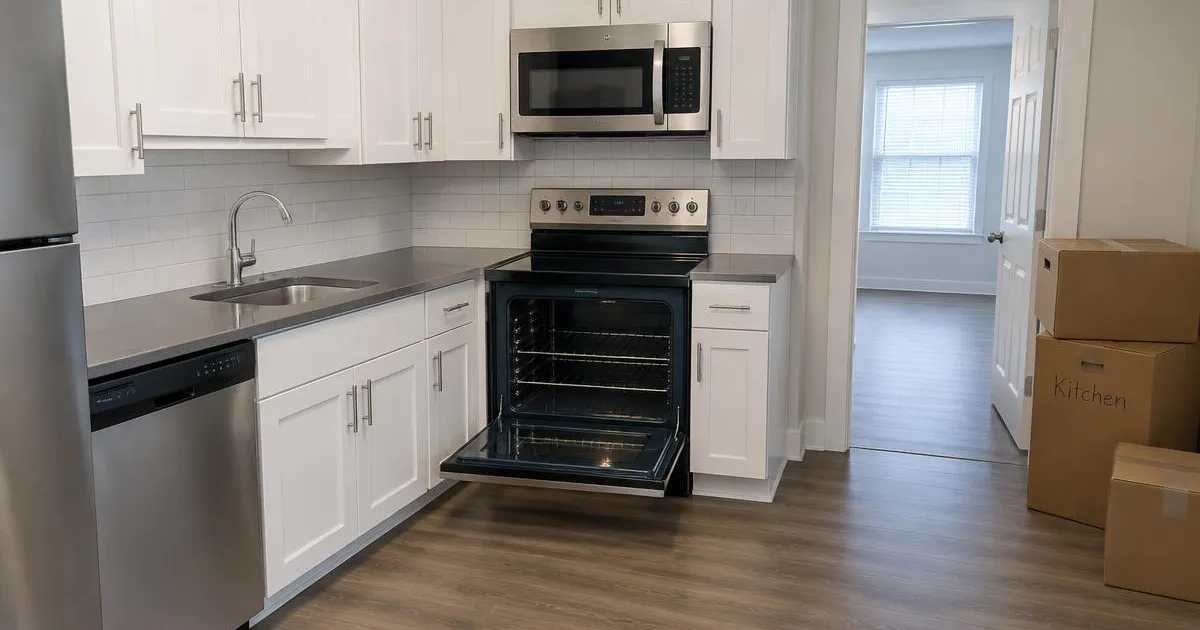
Ask for the written scope to state “inside and outside cabinets and appliances.” Then identify which appliances are present and any access limitations. Mention a second refrigerator, separate freezer, wall oven, or laundry appliances rather than assuming they are understood from the kitchen description.
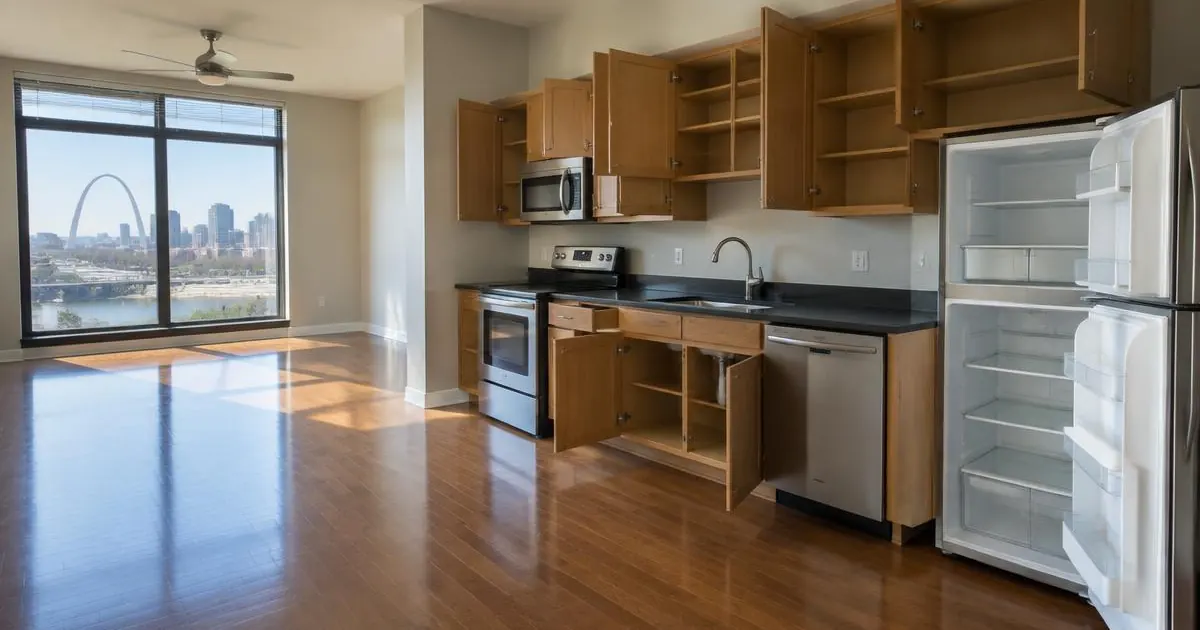
Cabinets should be empty. Remove old shelf liners if you can do so without damaging the finish, or flag them for discussion. Check whether sticky adhesive, loose veneer, or swollen shelves are present. Cleaning can remove accessible soil, but it does not repair water damage or deteriorated surfaces.
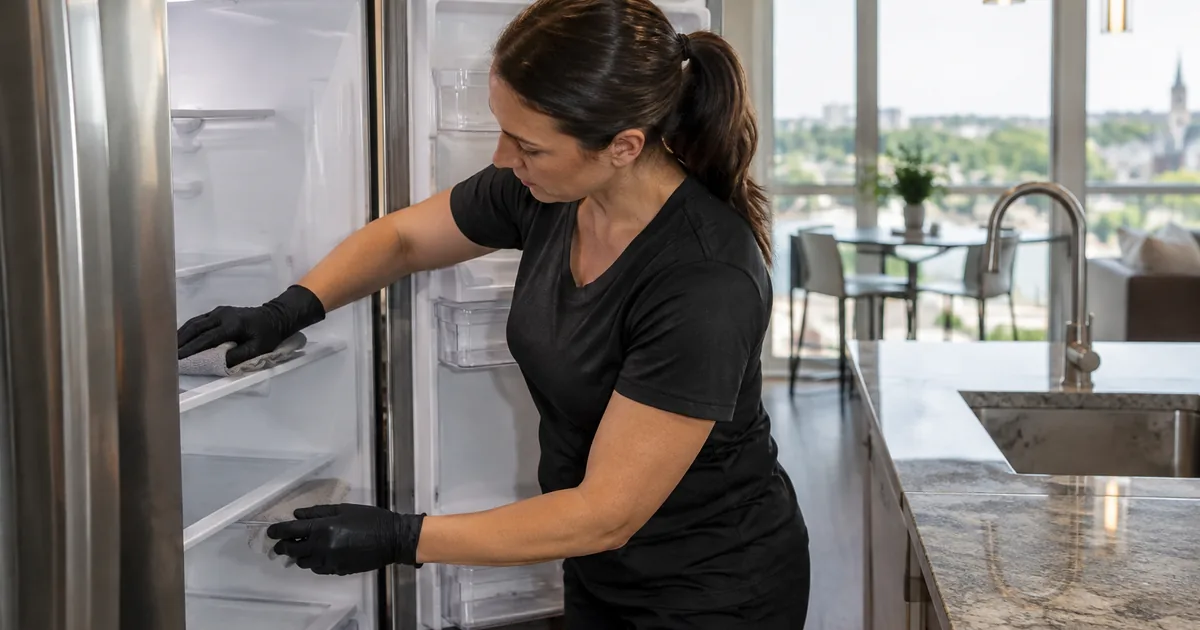
For appliances, disclose heavy oven buildup, refrigerator spills, broken drawers, or uncertain operating condition. Ask how removable shelves and racks will be handled. Do not assume that interior/exterior cleaning includes appliance disassembly, mechanical servicing, or moving heavy units away from walls.
For example, a refrigerator's accessible interior can be cleaned while the floor beneath it remains inaccessible. If that floor matters to you, discuss safe access separately before the appointment.
Prepare Access, Utilities, and an Empty Work Area
First, confirm that you are authorized to provide entry. Share the correct address, entry instructions, parking restrictions, and a reachable contact. In St. Charles neighborhoods with limited driveway space, explain where equipment can be unloaded without blocking neighbors or the moving truck.
Next, verify working water, electricity, lighting, and drainage. Report any disconnected plumbing, leaking fixtures, or appliances that cannot be operated safely. A sink that looks usable but leaks into the cabinet below needs attention before cleaning begins.
Then remove belongings, food, packing materials, and ordinary trash you are responsible for taking away. Leave cabinet doors and closets accessible. Keep children and pets out of active work areas, and arrange a secure entry method rather than leaving the property unsecured.
Finally, send photos of specific concerns: grease above the stove, residue in drawers, shower buildup, or dusty closet shelving. Photos help describe conditions, but they do not replace disclosure of inaccessible areas or suspected hazardous materials.
Use a Room Sequence That Prevents Rework
Plan around what will be covered first when belongings arrive. Kitchen storage and bathroom drawers deserve attention before dishes and toiletries go in. Closet shelves should be ready before clothing, and floors should remain clear until cleaning and inspection are complete.
A sensible sequence addresses higher surfaces and shelving before lower surfaces and floors. This reduces the chance of dust falling onto a finished area. Discuss priorities with the cleaning team rather than directing overlapping tasks that send people back through completed rooms.
For your own preparation, open each empty cabinet and look for belongings, damage, or residue. Photograph pre-existing defects without trying to scrub them away. In bathrooms, identify loose caulk or grout so cleaning is not mistaken for a repair.
If movers must arrive before every area is ready, designate a staging room and keep boxes away from cabinets and appliances. Understand that occupied floor space limits access. Leave essential cleaning areas open rather than filling every room at once.
Protect Finishes and Use Disinfectants Correctly
Identify sensitive surfaces before anyone chooses a product. Marble counters, natural-stone floors, coated fixtures, wood cabinetry, and stainless appliances may need different care. Share manufacturer instructions where available, and point out surfaces whose material or finish is uncertain.
Avoid acids on marble, including vinegar-based solutions. Do not use vinegar as a universal cleaner. Use manufacturer-safe methods for each finish, and do not assume stronger products or aggressive scrubbing will solve an old stain without damage.
Never mix cleaners. CDC guidance calls for cleaning before disinfection and using disinfection when appropriate. An empty home does not automatically need every surface disinfected; removing dirt and residue remains the starting point.
When an EPA-registered disinfectant is appropriate, follow its label for compatible surfaces, ventilation, protective equipment, and application. Keep the surface visibly wet for the full label contact time; there is no universal number of minutes. Follow any required rinsing instructions, especially for food-contact areas.
Inspect the Empty Home Before Boxes Arrive
Walk through while drawers, shelves, and floor edges are still visible. Use normal room lighting and additional light where necessary. Compare what you see with the agreed scope, distinguishing removable residue from permanent discoloration, scratches, and worn finishes.
In the kitchen, open cabinets and drawers, inspect shelf corners, and check accessible appliance interiors and exterior handles. In bathrooms, look at vanity storage, fixture bases, and floor edges. In bedrooms, check closet shelves and accessible baseboards before furniture hides them.
If something appears missed, identify the exact location and describe the condition. “Residue in the upper-left drawer” is more useful than “the kitchen needs attention.” Share concerns promptly and ask about the next step without assuming every mark is cleanable.
Do not treat this walkthrough as a building inspection. Leaks, electrical faults, damaged flooring, and persistent unexplained odors may need a qualified repair professional or further investigation rather than additional cleaning.
Build Flexibility Into the Move
Keep cleaning separate from furniture delivery and contractor touch-ups where possible. Detailed work may take more than one day, depending on condition and scope. Avoid scheduling based on a fixed duration before the property and access needs have been discussed.
Interior windows are an optional add-on for move-in cleaning. Request them explicitly and describe access concerns. Do not assume that exterior glass, screens, or difficult-to-reach windows are included with an interior-window request.
If your move also involves cleaning the home you are leaving, request a separate move-out scope. Confirm which appliances remain there and when the property will be empty. At your destination, unpack kitchen and bathroom essentials after inspection, then proceed room by room to preserve access.