Move-In/Move-Out
Move In Move Out Cleaning St. Charles: Documenting the Property Condition
A useful moving clean starts with clear access and a record of existing conditions. Here is how to organize cleaning, photos, and the handoff without assuming a deposit outcome.
move in move out cleaning St. Charles: Documenting the Property Condition
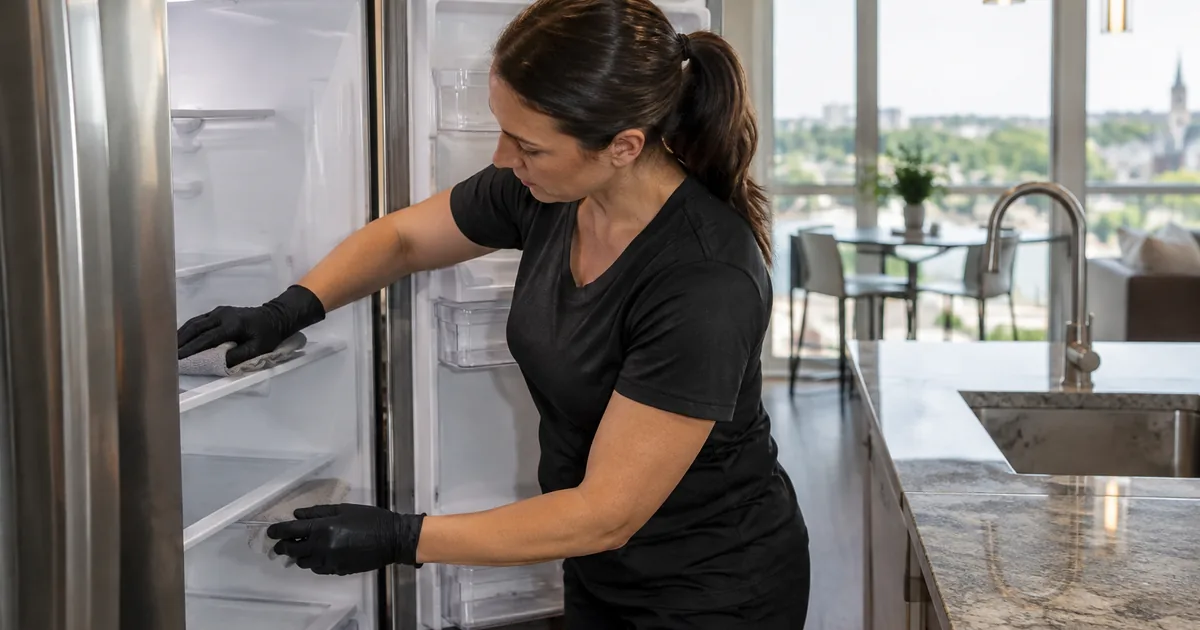
For move in move out cleaning St. Charles, documenting the condition before work begins helps distinguish removable dirt from existing damage. Photograph accessible rooms, note concerns separately, and define what should be cleaned before boxes obscure the surfaces. A useful record supports communication without promising a deposit refund or an inspection result.
Plan the gap between possession and unpacking
For move in move out cleaning St. Charles, the most useful starting point is the gap between gaining access and filling the rooms. Prime Cleaning MO LLC can help you define the cleaning scope, but the moving plan also needs a record of existing conditions. Photograph the property before cleaning or unpacking so dirt, wear, and damage are not confused later.
1. Set the Scope for move in move out cleaning St. Charles
Start by identifying the purpose of the visit: preparing a property for your own arrival, leaving a rental, or handing a home to its next owner. Those situations share cleaning needs, but their documentation and access requirements differ. Ask who approves entry, which rooms are included, and whether belongings or furniture will remain.
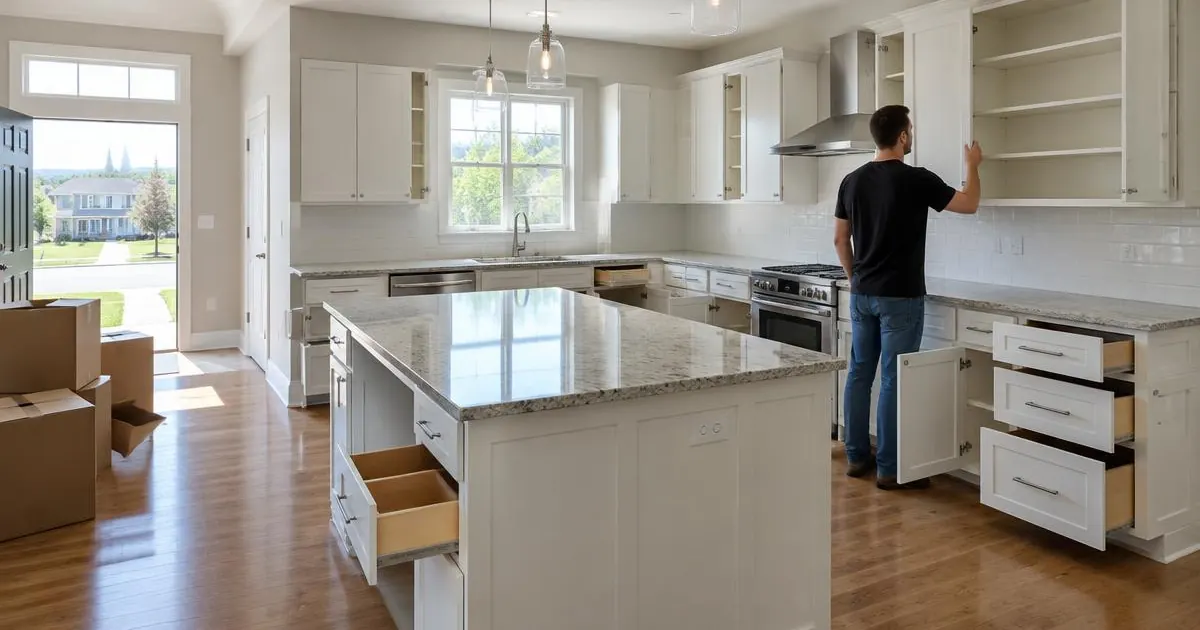
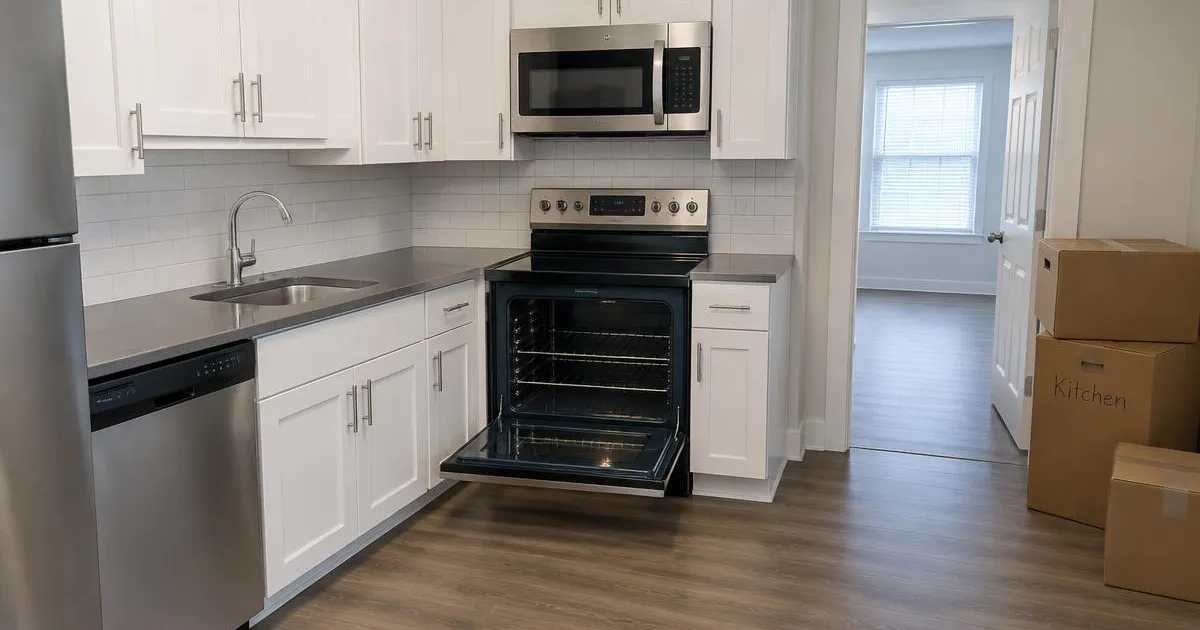
Move-In/Move-Out cleaning includes inside and outside cabinets and appliances. Confirm which appliances are present, whether they are empty, and whether any are disconnected or awaiting repair. Interior windows are optional rather than automatically included. Describe garages, storage areas, and other spaces separately instead of assuming the booking covers every area.
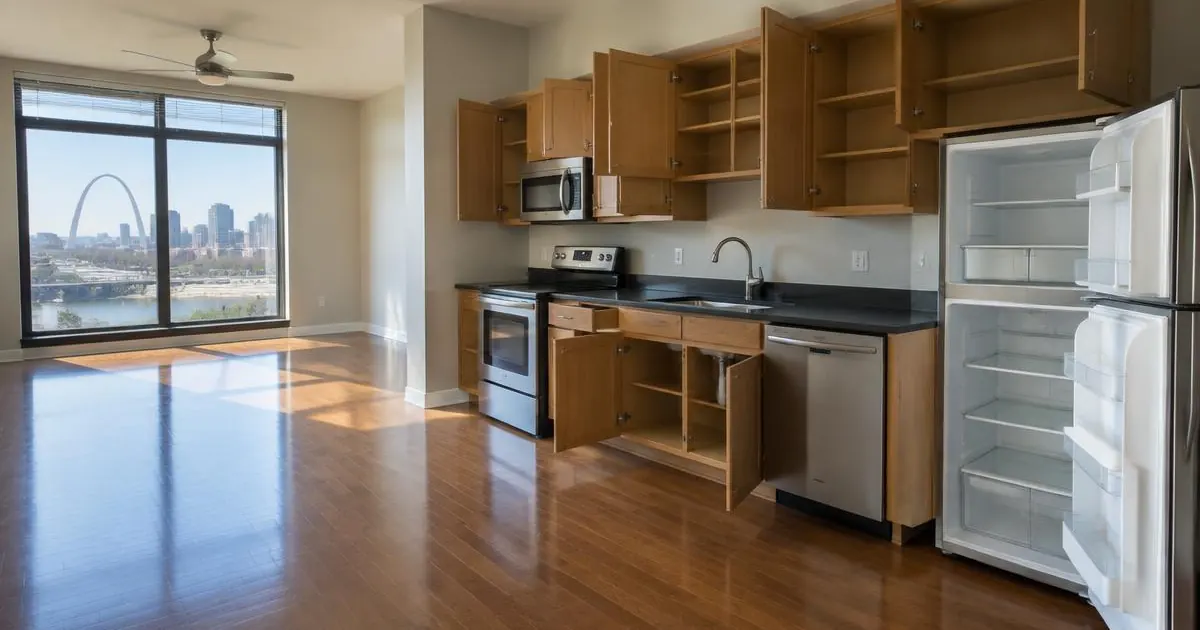
For example, an empty kitchen with food left in the refrigerator is not ready in the same way as a fully cleared kitchen. Decide who removes food, liners, and abandoned items before work begins. A clear scope prevents removal tasks from being mistaken for routine cleaning.
Explore our move-in/move-out service and cleaning in St. Charles, MO for property-specific information.
2. Make a Before-Cleaning Condition Record
Take photographs while the property is accessible and before surfaces change. Use an orderly route through each room: a wide view for context, then closer images of marks, residue, cracks, or existing damage. Keep the original files rather than only edited copies or compressed message attachments.
A written note should identify the room, surface, and visible condition without guessing its cause. Write “dark mark beside bathroom vanity” rather than declaring mold or water damage. Cleaning does not establish what caused a defect, and photographs are not a substitute for a qualified inspection when one is needed.
Pair each detail with a location
If you photograph a chipped cabinet edge, also capture the cabinet within the room. Record whether an appliance was empty and accessible, but avoid including private documents or personal information. Share relevant concerns with the owner or property manager through their requested channel. Keep your cleaning scope and condition record together, while treating them as separate documents with different purposes.
3. Arrange Access Before the Boxes Arrive
Choose the cleaning window around confirmed possession and access, not just the moving truck reservation. Verify that entry is authorized and that water, electricity, and lighting are available. Ask about parking, stairs, elevators, building entry instructions, and where keys should go afterward. Do not leave access arrangements to someone who may already be driving between homes.
Empty rooms usually make surfaces easier to reach and document. If movers must overlap with cleaning, identify a finished area for boxes and keep walkways open. Tell the cleaning team which rooms will remain occupied, locked, or blocked. A room full of furniture requires a different access discussion than a vacant one.
If painting, repairs, or installations are still underway, decide whether cleaning should happen afterward. Otherwise, fresh dust or footprints may obscure the result and complicate the handoff record. Extensive detailing beyond deep cleaning may take more than one day; discuss the actual condition before tying the visit to a fixed handover appointment.
4. Prepare Cabinets and Appliances for Interior Cleaning
Because Move-In/Move-Out includes inside and outside cabinets and appliances, preparation matters. Empty cabinets and drawers, remove personal items, and identify anything that must remain untouched. Point out loose shelves, damaged hinges, peeling finishes, or an appliance that does not operate normally. Do not assume cleaning includes repairs, dismantling, or moving heavy equipment.
Ask how refrigerator contents will be handled and whether any freezer needs preparation under its manufacturer’s instructions. Do not disconnect or defrost equipment solely on assumption. For ovens, identify the model when possible and mention unusual coatings or existing damage. Cleaning methods must suit the appliance rather than applying one aggressive method everywhere.
Separate residue from permanent wear
A sticky drawer and a swollen drawer base need different responses. Residue may be a cleaning task; swelling is a condition to document and report. Similarly, scratched stainless steel or a worn cabinet finish should not be presented as something cleaning will restore. Ask what can reasonably be cleaned without worsening the material.
5. Choose Surface-Safe Priorities Room by Room
Walk through the property and identify the surfaces needing particular care: stone counters, wood finishes, coated fixtures, glass cooktops, or specialty flooring. Share manufacturer instructions when available. Surface care should follow those directions, and acids should be avoided on stone. Never mix cleaners, including products left behind by a previous occupant.
Ask which bathroom fixtures, floor areas, edges, and reachable surfaces are included in the agreed work. This is a scope conversation, not a claim that one checklist fits every property. Highlight visible buildup and access limitations so priorities reflect the actual home.
Disinfection is appropriate only where warranted and compatible with the surface. A disinfectant needs its full label contact time to work as directed; a quick wipe should not be described as equivalent. If you discover sharps, suspicious substances, significant moisture concerns, or other potentially hazardous conditions, stop and disclose them. Ordinary move cleaning should not be treated as mold removal or hazardous waste handling.
6. Select the Right Service and Optional Extras
Move-In/Move-Out is distinct from deep cleaning. For a deep clean, appliance interiors and inside cabinets are optional add-ons; for Move-In/Move-Out, inside and outside cabinets and appliances are included. Specify the service you need rather than using “deep clean” as a catch-all phrase.
Standard or recurring cleaning is available only after an initial deep clean, not as a one-time or first-time service. The first standard or recurring quote includes that initial deep clean. If you want ongoing upkeep after relocating, ask how the initial requirement applies to your plan instead of assuming the move visit automatically establishes eligibility.
Interior windows are optional for all services except Airbnb turnovers. Request them explicitly for a move visit. If the job is commercial or industrial, or commercial post-construction, a free in-person walkthrough is required before pricing. Provide the business name, approximate square footage, restroom count, preferred date/time window, and onsite contact. Do not assume a residential scope transfers to business premises.
7. Record the Result and Finish the Handoff
After cleaning, repeat the same photo route used beforehand. Comparable angles help distinguish what changed from what remains. Note inaccessible areas and unresolved defects separately, using neutral descriptions. A remaining chip, stain, or worn finish does not by itself show that a cleaning task was missed.
Review the agreed scope while access is still available. If something needs clarification, identify the exact room and surface rather than saying the property is not finished. Confirm how keys, entry codes, and any remaining items will be handled. Keep your service record alongside the photos and written communications.
For a rental, compare your records with the lease and the property manager’s move-out instructions. Cleaning cannot guarantee a deposit return or determine responsibility for damage. For a purchase, preserve the condition record before unpacking conceals walls and floors. The practical goal is a clearly documented handoff, with cleaning results distinguished from maintenance issues and contractual decisions.