Commercial & Janitorial
Office Janitorial Cleaning Florissant: Clear Inspection Criteria
Build an office janitorial plan around room use, clear task frequencies, and written inspection criteria that make service easier to manage.
office janitorial cleaning Florissant: Clear Inspection Criteria
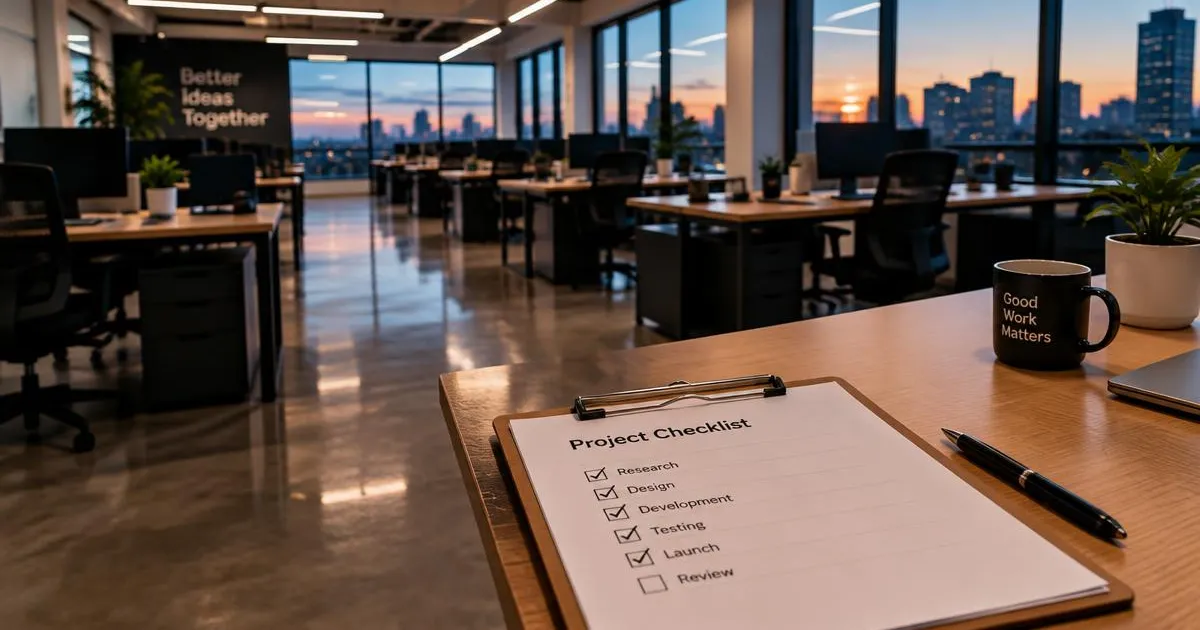
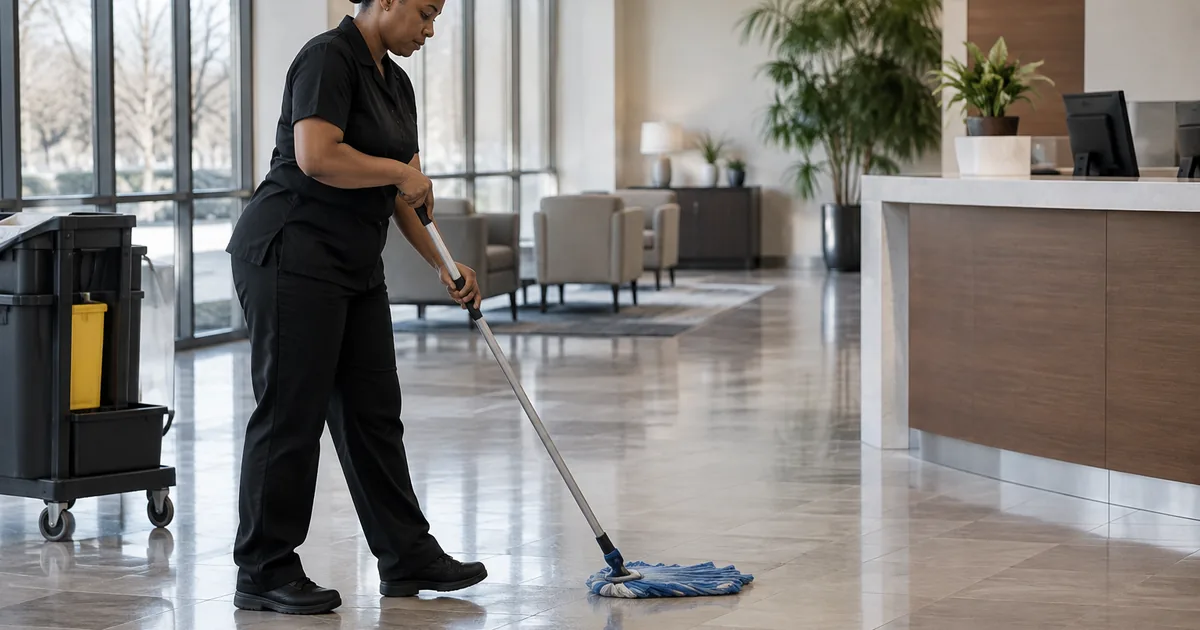
A useful plan for office janitorial cleaning Florissant starts with how your workplace operates, not a generic list of rooms. Prime Cleaning MO LLC needs to understand which spaces receive visitors, where employees eat, when restrooms become busiest, and which doors remain locked. Two offices with similar floor areas can need different schedules because occupancy, access, and materials differ. Start with a floor plan or a simple room list.
For each area, record its purpose, approximate use, floor material, waste sources, and access restrictions. Ask who works there, whether food is permitted, and whether cleaning can happen during business hours. Note sensitive equipment and papers that should remain untouched. This room inventory becomes the foundation for a written scope rather than an assumption that every visible item is included.
Assign one office contact to approve the plan and report changes. Without a clear contact, requests from individual employees can expand the work unexpectedly or conflict with security rules.
Use the walkthrough to define scope before pricing
Commercial and industrial cleaning, including commercial post-construction cleaning, requires a free in-person walkthrough before pricing from Prime Cleaning MO LLC. To arrange it, provide the business name, approximate square footage, restroom count, preferred date and time window, and onsite contact. Identify any visitor registration or escort requirements so the inspection can cover the intended rooms.
During the walkthrough, distinguish accessible cleaning surfaces from areas needing permission, preparation, or specialist assessment. Are desk surfaces clear? Can chairs move safely? Does the breakroom contain shared food storage? Are utility rooms part of the requested scope? Record these answers by room, along with any exclusions. Describe the desired outcome without assuming that ordinary cleaning can correct permanent wear.
For post-construction spaces, point out remaining materials and unfinished work. Pricing should follow observation of actual conditions, not floor area alone. Suspected hazardous materials or unsafe conditions require assessment; hazardous work is not promised.
Explore our commercial & janitorial service and cleaning in Florissant, MO for property-specific information.
Match task frequencies to traffic and soil
Frequency belongs beside each task, not just beside each room. A reception area may need frequent entry-floor attention while its reachable ledges need less frequent work. Restroom use can justify a different schedule from a lightly used conference room. Build the starting schedule from observed conditions and review it when occupancy or activities change.
Set routine and rotating tasks separately
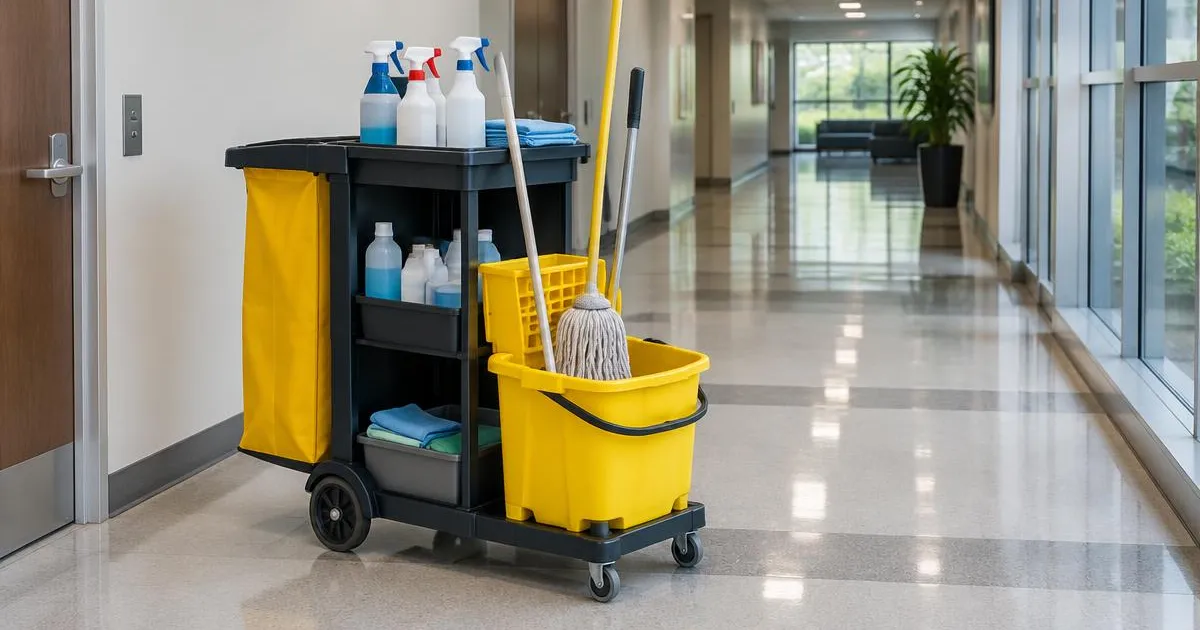
Place waste removal, accessible surface wiping, restroom cleaning, and agreed floor care in the routine column where needed. Put selected detail tasks, such as reachable trim or chair-base wiping, in a rotating column. Write the interval explicitly: each visit, a named weekday, or an agreed periodic visit. Avoid terms such as “regularly” that leave room for conflicting expectations.
Use conditions to adjust the schedule
If meeting-room bins repeatedly contain food between visits, consider more frequent waste removal or a staff disposal rule. If a spare office stays locked and unused, discuss reducing its routine attention. Confirm changes in writing rather than letting missed visits or informal requests redefine the agreement.
Write room-specific inspection criteria
Inspection criteria should describe observable results at the end of service, before normal office activity resumes. “Clean reception” is too vague. “Accessible counter wiped, agreed waste removed, and entry floor free of loose debris” gives both the office contact and cleaner something concrete to check. Criteria should reflect the approved scope, surface condition, and safe access.
Reception, desks, and meeting rooms
For reception, check accessible counters, agreed seating surfaces, and the entry floor. For desks, inspect only cleared, authorized areas; papers should not be rearranged to expose more surface. For meeting rooms, check the table, agreed chair surfaces, bins, and accessible flooring. Do not make stain removal an automatic pass requirement when marks may be permanent.
Restrooms and breakrooms
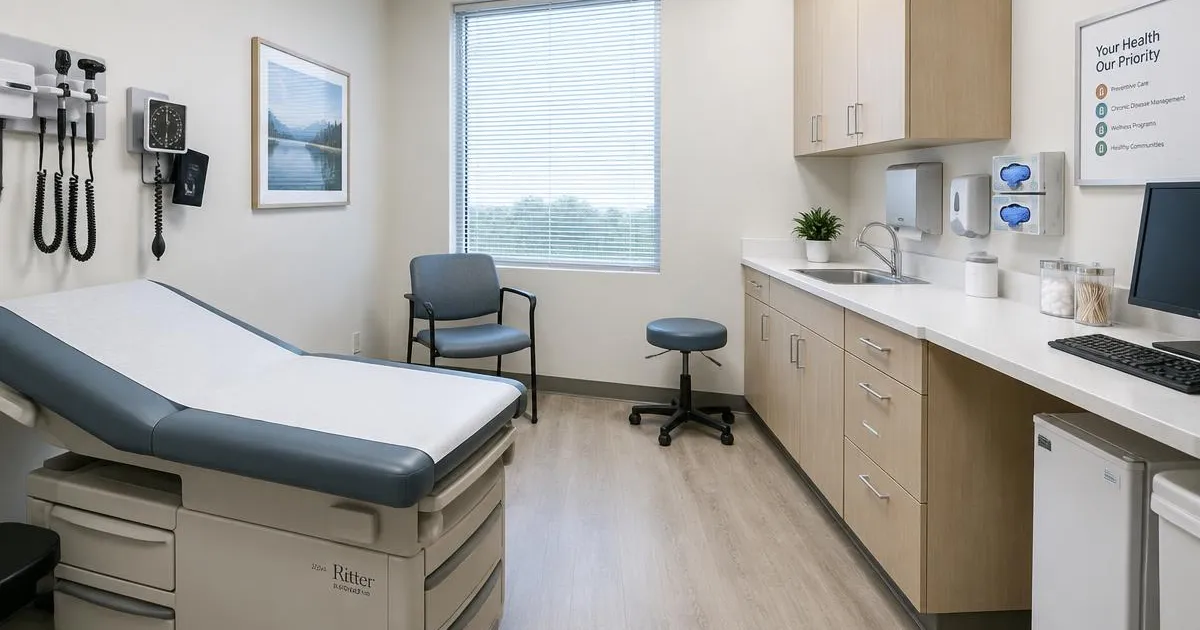
Restroom criteria can cover visible soil on fixtures, accessible touchpoints, agreed waste removal, and floors. Breakroom criteria can cover cleared counters, sink surfaces, appliance exteriors, and flooring. Note whether replenishment is included and who supplies consumables. Record appliance interiors separately so an exterior wipe is not confused with interior cleaning.
Protect surfaces and define appropriate disinfection
Document materials before selecting cleaning methods. Stone counters, coated floors, screens, and finished wood may require different care. Use manufacturer-safe surface care and resolve uncertain finishes before applying products. Avoid acids on stone, and never mix cleaners. Employees should not add another product to a recently treated surface without understanding the instructions and compatibility.
Cleaning and disinfection are different tasks. Remove soil first, then disinfect only when appropriate to the space, agreed scope, and product directions. Any disinfectant must remain on the surface for its full label contact time. A quick wipe should not be described as disinfection when the required conditions were not met.
Ask which shared touchpoints deserve attention and whether office policy identifies specific needs. Keep product directions and surface restrictions available to the cleaning team. If a surface cannot safely tolerate the proposed treatment, agree on an alternative rather than risking damage or making unsupported sanitation claims.
Coordinate access, security, and staff responsibilities
A workable schedule includes an arrival window, authorized entry method, alarm instructions, and a departure procedure. Confirm whether the onsite contact must be present and which rooms require an escort. Record where approved supplies may be stored and whether water and electrical access are available. These details prevent an otherwise clear scope from becoming impossible to perform.
Office staff also need defined responsibilities. Ask employees to clear approved desk areas, secure confidential records, and remove personal dishes if dishwashing is excluded. Decide who handles overflowing bins between visits. Cleaning personnel should not have to guess whether a document is waste or whether a device may be unplugged.
For inspection records, use room names and factual notes rather than employee names. Photographs, if authorized, should avoid screens, paperwork, and personal information. Agree on a reporting channel for locked rooms, spills, damaged fixtures, or other conditions that affect service.
Separate baseline cleaning from added detail work
Keep service categories distinct when discussing related needs. Standard/recurring service is available only after an initial deep clean, not as a one-time or first-time standard visit. The first standard/recurring quote includes that deep clean. Ask how the proposed service and ongoing janitorial scope are described in the written agreement rather than treating those labels as interchangeable.
For a deep clean, appliance interiors and inside cabinets are optional add-ons. Move-In/Move-Out cleaning includes inside and outside cabinets and appliances. If an office relocation raises those needs, identify the applicable service and obtain an explicit scope. Interior windows are optional for all services except Airbnb turnovers; do not assume they are included in office janitorial work.
Detailing beyond a deep clean may take more than one day. Identify priorities and access limitations before scheduling extensive detail work. Janitorial cleaning should not be presented as restoration, mold removal, hazardous waste handling, or a complete universal checklist.
Review results with a written inspection record
Create a short inspection record with the room, agreed task, frequency, observable criterion, result, and follow-up action. For example: conference room; table wiping; each visit; cleared tabletop free of visible crumbs and residue; access blocked by meeting materials. That note explains the limitation without wrongly recording the task as completed or blaming an unnamed employee.
Inspect under ordinary lighting and distinguish new soil from conditions present when service ended. If a concern arises, identify the exact location and criterion involved. Ask whether the task was included, accessible, and scheduled for that visit. This sequence makes the discussion more useful than a general statement that the office does not feel clean.
Review the plan when staffing, room use, flooring, or operating hours change. Update frequencies, exclusions, and responsibilities together. A practical plan stays accountable through clear written observations, not invented performance percentages or promises that every surface will always look new.