Commercial & Janitorial
Office Janitorial Cleaning Manchester: Cleaning After Maintenance Work
A practical office janitorial plan starts with room use, contractor sequencing, and clear scope—not a generic task list. Learn what to prepare before a walkthrough.
office janitorial cleaning Manchester: Cleaning After Maintenance Work
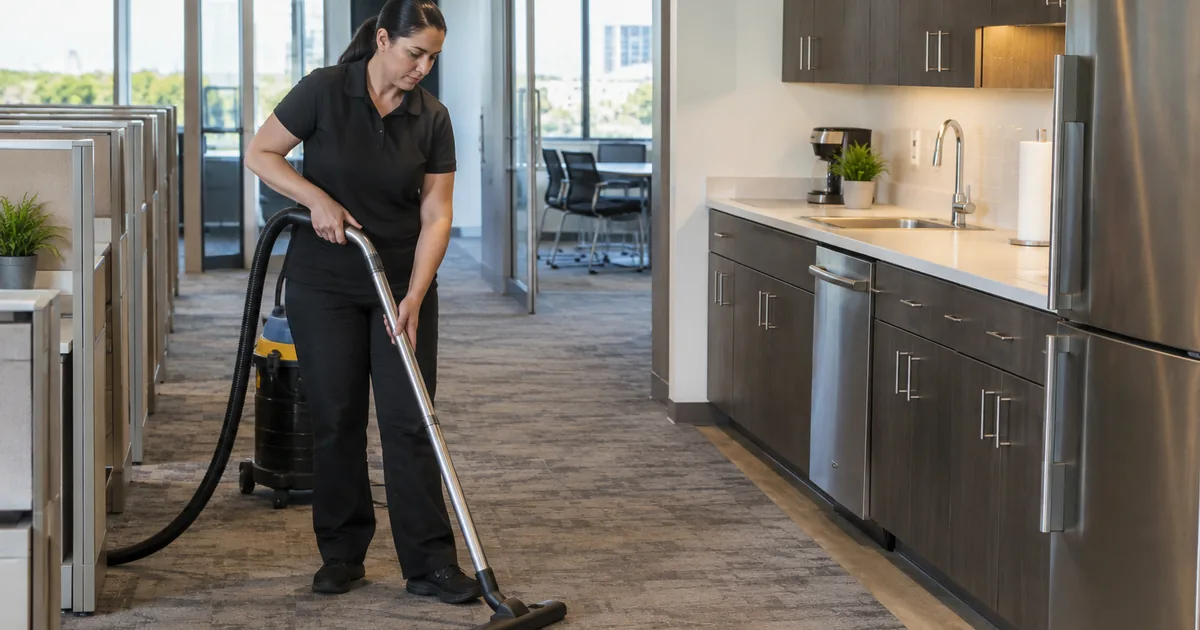
Effective office janitorial cleaning Manchester planning starts with how people use each room, not simply how many rooms appear on a floor plan. For Prime Cleaning MO LLC, the useful starting point is a conversation about your Manchester office’s occupied areas, shared facilities, access restrictions, and maintenance schedule. Those details help separate routine soil removal from work that needs deeper attention or coordination with another contractor.
Walk through the office with a room list and note what happens in each space. Does reception serve visitors throughout the day? Is the conference room rarely used but regularly catered? Are private offices occupied daily or intermittently? Record floor materials, shared touchpoints, visible buildup, and items cleaners must leave alone. This creates a practical scope for discussion rather than an assumed universal checklist. Identify who can approve changes when occupancy or room use shifts.
Schedule maintenance contractors before janitorial visits
Whenever practical, place maintenance work before the janitorial visit. Ceiling repairs, HVAC servicing, cable installation, furniture assembly, and similar tasks can leave dust, packaging, or tracked soil after cleaning has already occurred. Ask each contractor which rooms they will enter, what debris they expect, and whether their work requires a separate cleanup. Give the janitorial team that information before confirming the sequence.
For example, if an electrician needs access above a conference room ceiling, arrange that work before the room’s planned cleaning. The contractor should finish its own debris removal and release the area before janitorial work begins. If work overruns, agree whether cleaners should skip that room, clean unaffected spaces, or discuss a return visit. Do not assume a routine visit includes construction residue or an additional trip. Keep a named office contact available to confirm that affected rooms are ready.
Explore our commercial & janitorial service and cleaning in Manchester, MO for property-specific information.
Give each room a frequency based on demand
Use room demand to propose frequencies for the walkthrough, then adjust the plan after observing actual conditions. Occupant count, visitor traffic, food use, and flooring matter more than assigning every room the same interval. Distinguish scheduled janitorial work from small tasks office staff handle between visits.
Restrooms and breakrooms
Review these spaces first because shared use can create frequent attention needs. Ask when bins fill, whether spills persist, and who checks supplies between visits. A busy shared restroom may need attention on each service visit, while daytime checks remain an office responsibility unless separately agreed. In breakrooms, define sink, counter, table, and floor work without assuming appliance interiors are included.
Workstations and meeting rooms
Plan workstation cleaning around access and privacy: cleared surfaces can be addressed, while paperwork, personal belongings, and sensitive equipment need boundaries. Give frequently used meeting rooms more attention than closed spare offices. After catered meetings, decide who removes food and dishes so the scheduled cleaning can focus on accessible surfaces and floors.
Establish the initial deep clean and recurring boundaries
Standard or recurring service with Prime Cleaning MO LLC begins only after an initial deep clean; it is not a first-time or one-time standard cleaning option. The first standard or recurring quote includes that initial deep clean. During the commercial walkthrough, identify existing buildup and areas where maintenance visits alone would not establish the intended starting condition. Separate initial work from ongoing tasks so the office contact can compare scopes clearly.
Deep-clean appliance interiors and inside cabinets are optional add-ons, not automatic inclusions. Move-In/Move-Out service includes inside and outside cabinets and appliances. Clarify which service fits the situation rather than treating an office relocation as ordinary recurring work. Interior windows are optional across services except Airbnb turnovers. If requested detailing goes beyond deep cleaning, it may take more than one day; discuss access and scope instead of assuming everything can fit into one visit.
Prepare for the required in-person commercial walkthrough
Commercial and industrial cleaning, including commercial post-construction cleaning, requires a free in-person walkthrough before pricing from Prime Cleaning MO LLC. To arrange it, provide the business name, approximate square footage, restroom count, preferred date and time window, and an onsite contact. Explain whether the office is occupied, being vacated, or undergoing maintenance. Photos or a room list can support the discussion, but they do not replace the required visit.
Have the onsite contact show shared areas, restricted rooms, floor transitions, waste collection points, and any storage location proposed for supplies. Ask who provides consumables, how building access works, and whether another tenant shares the restrooms or kitchen. Point out contractor work that is unfinished. A quote should reflect the observed condition and agreed responsibilities, not just square footage. Hazardous work should never be assumed or promised as part of commercial cleaning.
Plan the route and product choices together
A useful cleaning route reduces unnecessary crossing through finished areas and respects the building’s operating needs. Discuss quieter work windows, rooms that must stay available, and how occupants will avoid wet floors. Confirm that contractor activity has ended before releasing affected spaces for cleaning.
Move through rooms without undoing finished work
Within an accessible room, address appropriate higher surfaces before floors so settled debris is not left on a newly cleaned floor. Keep restroom tools separate from tools used in food areas and offices. Plan floor work around the exit route, and identify where equipment can be staged without blocking doors or circulation.
Match surface care to the material
Use manufacturer-safe surface care and identify uncertain finishes before applying products. Avoid acids on stone, and never mix cleaners. Disinfect only when appropriate, using a suitable product according to its label and allowing the full label contact time. Electronics, specialty coatings, and unfamiliar materials need specific handling instructions rather than a stronger-product assumption.
Write down access, exclusions, and exception decisions
A workable plan says what happens when the expected conditions are not available. Establish rules for locked offices, occupied meeting rooms, unsecured documents, and desks covered with belongings. Agree whether inaccessible areas are recorded as skipped or handled through an approved scope change. Identify the person authorized to make those decisions, especially when cleaning occurs outside normal office hours.
Use concrete scenarios when reviewing the plan. If a maintenance contractor leaves packaging in reception, does that contractor remove it, or will additional handling be discussed? If a cabinet is locked, who provides access for an approved interior add-on? If an unknown spill or potentially hazardous material is found, stop and notify the designated contact rather than proceeding under the routine scope. Define reporting expectations without sharing confidential documents or unnecessary images of workstations. Clear exceptions help prevent unsafe improvisation and disputes about unfinished rooms.
Review the schedule when office conditions change
Treat the room schedule as an operating document, not a permanent assumption. Review it after changes in occupancy, room assignments, food service, or maintenance activity. If the office adds staff but leaves the same restroom schedule in place, look at actual conditions before deciding whether the scope still fits. If a meeting room becomes storage, update access instructions and remove tasks that no longer apply.
Keep feedback specific: identify the room, observed condition, and whether it appeared before or after cleaning or contractor work. A dusty surface beneath a recently opened ceiling requires a different scheduling decision from a missed accessible tabletop. Use those observations to adjust frequencies, responsibilities, or contractor sequencing. Before the next project, share its room list with the cleaning contact so maintenance can finish first and any different cleanup scope can be assessed before the visit.