Commercial & Janitorial
Office Janitorial Cleaning Maplewood: Desk Clearance and Personal Belongings
A practical room-by-room framework for small offices, with clear-desk rules, frequency decisions and the information needed before commercial pricing.
office janitorial cleaning Maplewood: Desk Clearance and Personal Belongings
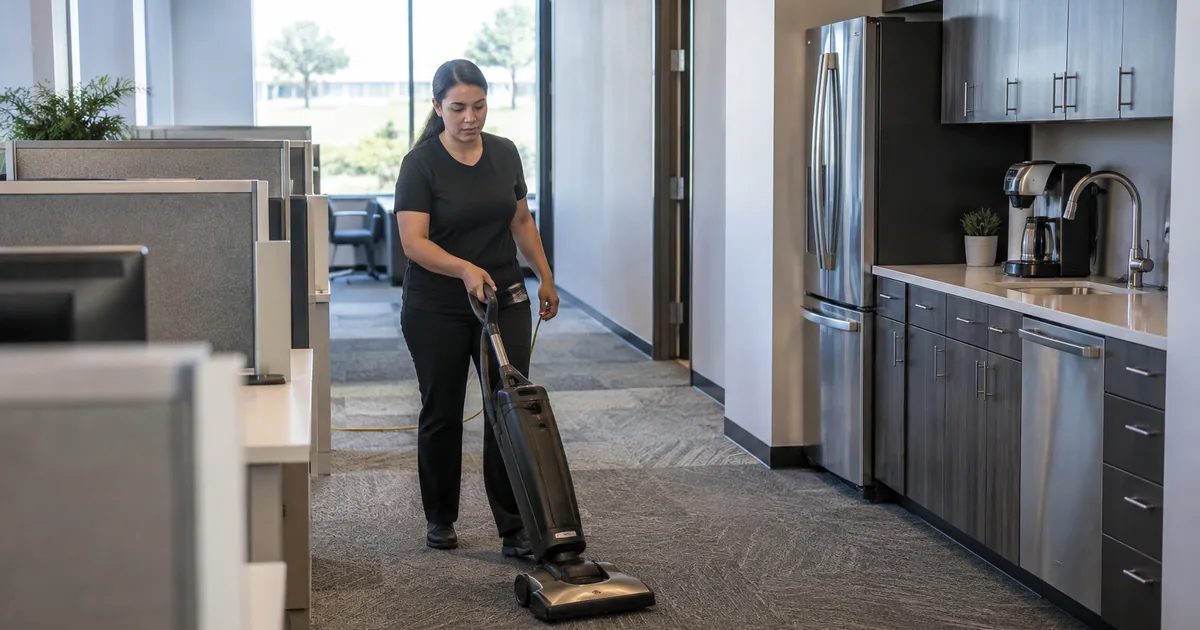
A practical plan for office janitorial cleaning Maplewood starts with how your workplace operates, not a generic list of tasks. In a small office, one crowded desk, shared lunch counter or locked room can change what is accessible. Prime Cleaning MO LLC can use your room priorities and access rules to define the requested scope during a free in-person walkthrough.
Make a room inventory before that visit. Include reception, workstations, meeting rooms, restrooms, kitchenettes, storage areas and connecting floors. Beside each, note who uses it, whether visitors enter and what cleaning access is restricted. Identify rooms that must remain locked and surfaces that should not be touched.
Ask three scope questions: What must be ready when staff arrive? Which areas get visibly dirty between visits? Who can authorize changes? Choose one office contact to resolve access issues rather than leaving cleaners to interpret conflicting instructions from individual employees.
Set a clear-desk rule before cleaning starts
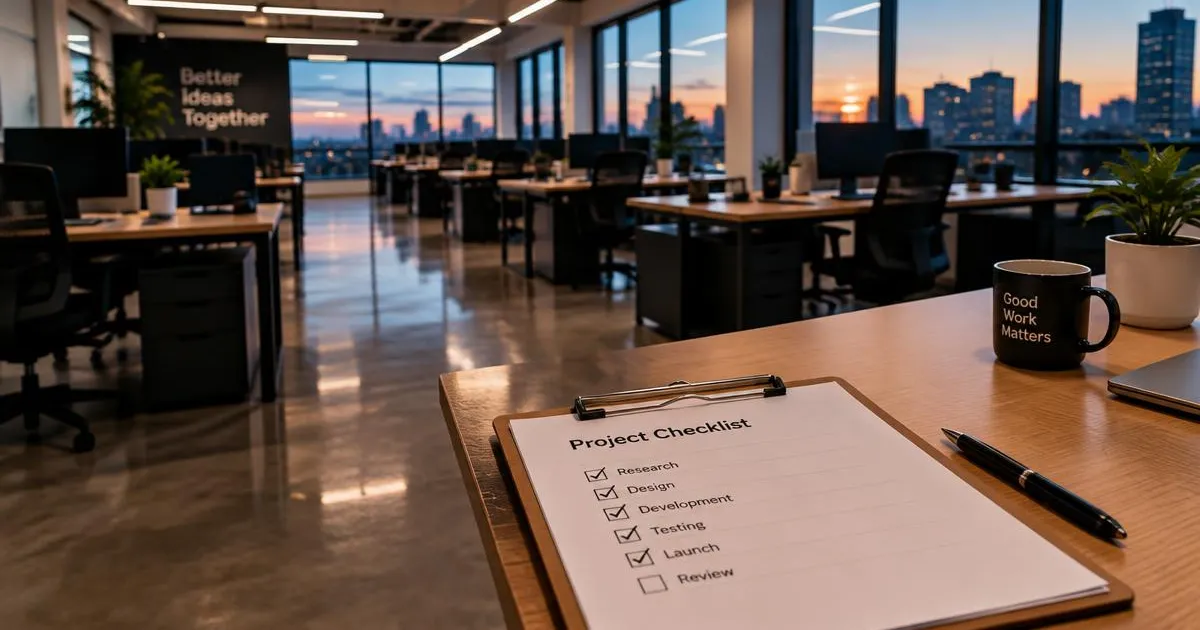
Desk clearance is the most useful preparation step for a small office. Employees should put loose papers in drawers or designated trays, take food containers to the kitchenette and store personal items themselves. Clearing the desk means exposing the agreed work surface, not asking the cleaning team to reorganize it. Decide whether chairs and accessible floor space beneath desks are included.
Separate movable supplies from personal belongings
Create a short handling rule for ordinary shared supplies, such as an empty pen cup, and a separate no-touch rule for personal belongings. Wallets, medication, photographs, headphones and bags should remain with their owners or in storage. Staff should secure confidential papers before service; cleaners should not decide which documents are important.
Define what happens when a desk is not cleared
Choose a predictable fallback: clean accessible, unobstructed areas without moving papers or personal possessions, or skip the desktop and record the access limitation. For example, a desk covered in client files may receive only agreed surrounding floor care. Communicate that choice to staff before the first visit.
Explore our commercial & janitorial service and cleaning in Maplewood, MO for property-specific information.
Match office janitorial cleaning Maplewood frequencies to use
Assign frequencies by room and task rather than giving every surface the same schedule. Start with observed use: restroom traffic, food preparation, visitor volume and how quickly entrance floors collect soil. Then separate routine tasks from periodic detail work. The walkthrough should establish a proposed schedule, with adjustments based on actual conditions.
For example, an office where several people eat at shared desks needs a different food-residue plan from one with a single designated lunch table. A meeting room used occasionally may need a pre-meeting check rather than the same attention as reception. Frequency decisions should reflect occupancy, not room size alone.
Keep a simple log of overflowing bins, restroom supply shortages and visibly soiled shared surfaces. Review those observations with the office contact. If the kitchenette repeatedly needs attention between contracted visits, decide whether staff will handle interim upkeep or whether the service frequency should change. This avoids treating every recurring issue as a missed task.
Plan reception, meeting rooms and shared workstations
Reception and meeting spaces often combine public-facing surfaces with sensitive materials. Specify accessible tables, chair arms, entry flooring and other agreed touchpoints, while identifying displays, artwork and electronics that need special handling. Request manufacturer-safe surface care for finishes and equipment. Screen cleaning should never be assumed to follow the same method as wiping a tabletop.
At shared workstations, decide who removes abandoned cups, loose notes and personal accessories. A booking system does not create permission to handle someone's belongings. Ask the office contact to clear shared desks before the service window and establish a holding location managed by staff, not an improvised cleaner-run lost-and-found.
For meeting rooms, define the expected setup without turning cleaning into document management. Should chairs be returned to a specified arrangement? Must staff remove catering trays first? Are whiteboards excluded unless explicitly marked for erasing? Written answers prevent avoidable disruption, especially when a room contains notes needed for the next meeting.
Give restrooms and kitchenettes separate priorities
Restrooms and kitchenettes deserve distinct task lists because they have different soils, supplies and access issues. For restrooms, discuss fixtures, partitions, floors, waste bins and dispensers. Clarify who supplies paper products and soap, whether replenishment is included, and how maintenance problems such as leaks should be reported. Cleaning should not be presented as plumbing repair.
In the kitchenette, separate shared surface cleaning from employee housekeeping. Staff should label or remove food, wash or relocate personal dishes, and empty the sink as agreed. Decide whether bins include recycling or food waste and identify the permitted disposal point. A sink full of cups can prevent access to the surface beneath them.
Appliance interiors and inside cabinets are optional add-ons to deep cleaning, not automatic inclusions. Discuss their condition and access separately. Interior windows are also optional for office service; they are optional across services except Airbnb turnovers. Ask specifically about conference-room glass or interior partitions rather than assuming all glass belongs to one task category.
Choose safe methods and realistic detail scope
Surface care should follow manufacturer guidance and suit the material being cleaned. Identify natural stone, sealed wood, specialty flooring and sensitive coatings during the walkthrough. Avoid acids on stone, never mix cleaners, and distinguish soil removal from disinfection. Disinfect only when appropriate, using a suitable product for its full label contact time.
Ask where cleaning supplies may be stored and whether any staff sensitivities or building restrictions affect product selection. These discussions help define workable methods without implying that every product suits every person or surface. Cleaning around computers, cables and powered equipment also requires clear access boundaries; staff should manage devices and connections.
Describe heavy buildup or unusually detailed requests before pricing. Detailing beyond a deep clean may take more than one day, depending on the agreed scope and conditions. Do not treat janitorial service as restoration, mold removal or hazardous waste handling. Suspected hazards should be disclosed so limitations can be discussed, rather than assuming the work will be accepted.
Prepare for the required commercial walkthrough
Commercial and industrial cleaning, including commercial post-construction work, requires a free in-person walkthrough before pricing from Prime Cleaning MO LLC. Provide the business name, approximate square footage, restroom count, preferred date and time window, and onsite contact. Include entry instructions and any restrictions on viewing occupied or secured rooms.
During the visit, walk through the actual work areas rather than relying only on a floor plan. Show desk congestion, floor transitions, storage limitations and disposal access. Explain whether staff will be present during service and whether doors, alarms or building rules limit movement. For post-construction spaces, disclose remaining work, debris and any suspected hazards; hazardous work is never promised.
If requesting standard/recurring service, note that it is available only after an initial deep clean, not as a one-time or first-time service. The first standard/recurring quote includes that deep clean. Review the proposed initial work and ongoing tasks separately so desk preparation, optional add-ons and maintenance expectations are clear.
Turn the agreed scope into an office routine
After scope review, create a brief staff preparation note. State when desktops should be cleared, where personal belongings belong, which rooms need access and who handles dishes or food removal. Keep the note specific enough to follow: 'Store papers in your drawer' is more useful than 'Tidy your area.'
Use a room-by-room reference showing agreed tasks, frequency, exclusions and staff responsibilities. It is a site-specific plan, not a claim of a complete universal checklist. Include the procedure for reporting inaccessible areas and directing questions to the office contact. Avoid documenting confidential desk contents when noting an obstruction.
Revisit the plan when occupancy, room use or furniture changes. Converting a quiet storage room into a shared workstation creates new desk-clearance and waste needs. Moving lunch breaks into a meeting room changes food-cleanup priorities. Confirm scope changes before expecting additional work, and keep personal-belonging rules consistent even when the layout changes.