Commercial & Janitorial
Office Janitorial Cleaning Oakville: Separate Breakroom and Restroom Tools
Build an office cleaning scope around actual room use, separate restroom and breakroom workflows, and prepare for a commercial walkthrough before pricing.
office janitorial cleaning Oakville: Separate Breakroom and Restroom Tools
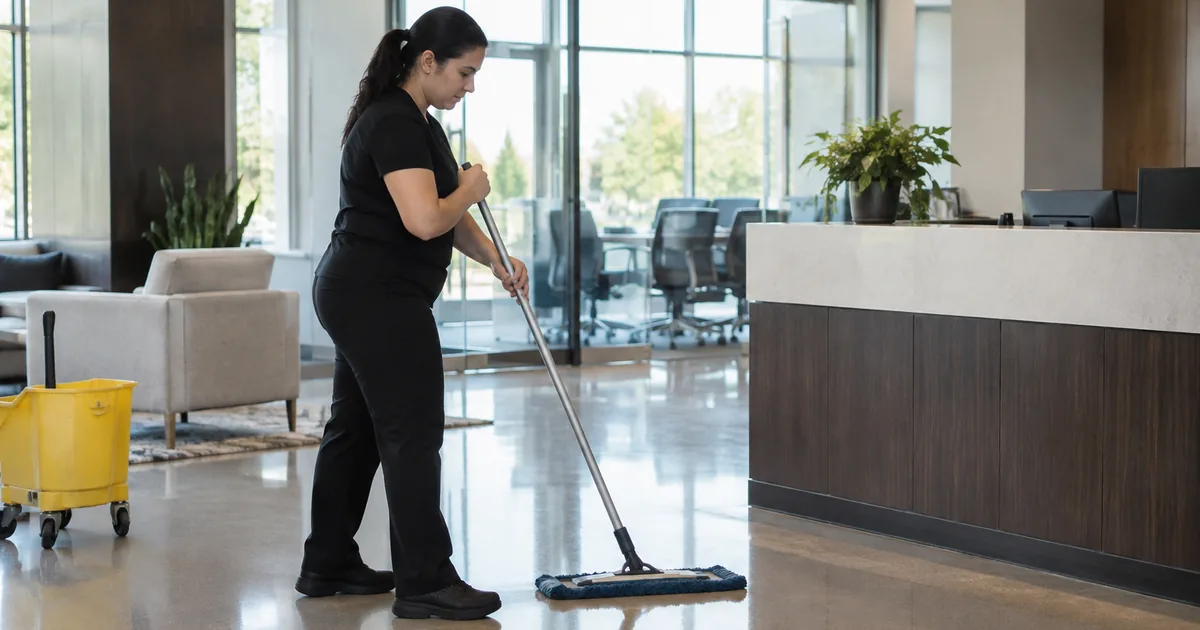
Planning office janitorial cleaning Oakville workplaces need starts with understanding how each room gets used. A quiet private office, a shared breakroom, and a busy restroom should not receive identical attention. For an Oakville office working with Prime Cleaning MO LLC, the useful starting point is a room-by-room scope that identifies traffic, surfaces, access restrictions, and sanitation priorities before choosing visit frequency.
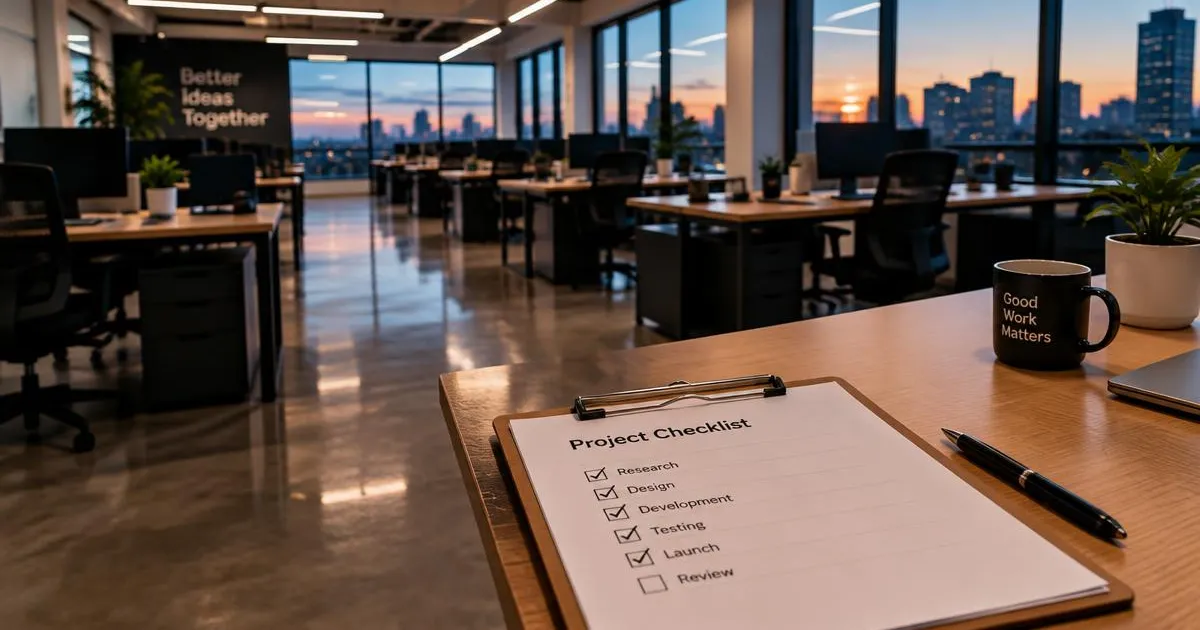
List every area to be considered: reception, workstations, meeting rooms, corridors, breakroom, restrooms, storage, and any restricted rooms. Beside each, record who uses it, whether food is handled there, what waste accumulates, and when cleaning can happen without interrupting work. Flag surfaces with special care instructions rather than assuming one product suits the entire office.
Then establish responsibility. Does staff handle dishes and personal desk clutter? Who reports soap shortages or spills between visits? A written division of tasks prevents missed work and gives the walkthrough a practical agenda. This is a tailored service plan, not a promise that every possible office task is included.
Scope office janitorial cleaning Oakville workplaces need
Commercial and industrial cleaning, including commercial post-construction cleaning, requires a free in-person walkthrough before pricing from Prime Cleaning MO LLC. Supply the business name, approximate square footage, restroom count, preferred date and time window, and onsite contact when requesting that visit. Note whether the space is occupied, vacant, shared with another tenant, or being prepared after construction.
During the walkthrough, explain which spaces belong to your business and which are maintained by the building. Identify shared restrooms, loading access, alarm procedures, locked supply closets, and any rooms that require an escort. Approximate square footage helps orient the discussion, but room use and access conditions also matter when defining work.
Ask how the proposed scope will distinguish routine janitorial tasks from periodic or separately requested work. Interior windows are optional for commercial service, so identify them rather than assuming they are included. Construction dust, unusual residues, or intensive detailing also need assessment; detailing beyond a deep clean may take more than one day. Hazardous work should never be presumed available.
Explore our commercial & janitorial service and cleaning in Oakville, MO for property-specific information.
Keep restroom tools out of the breakroom
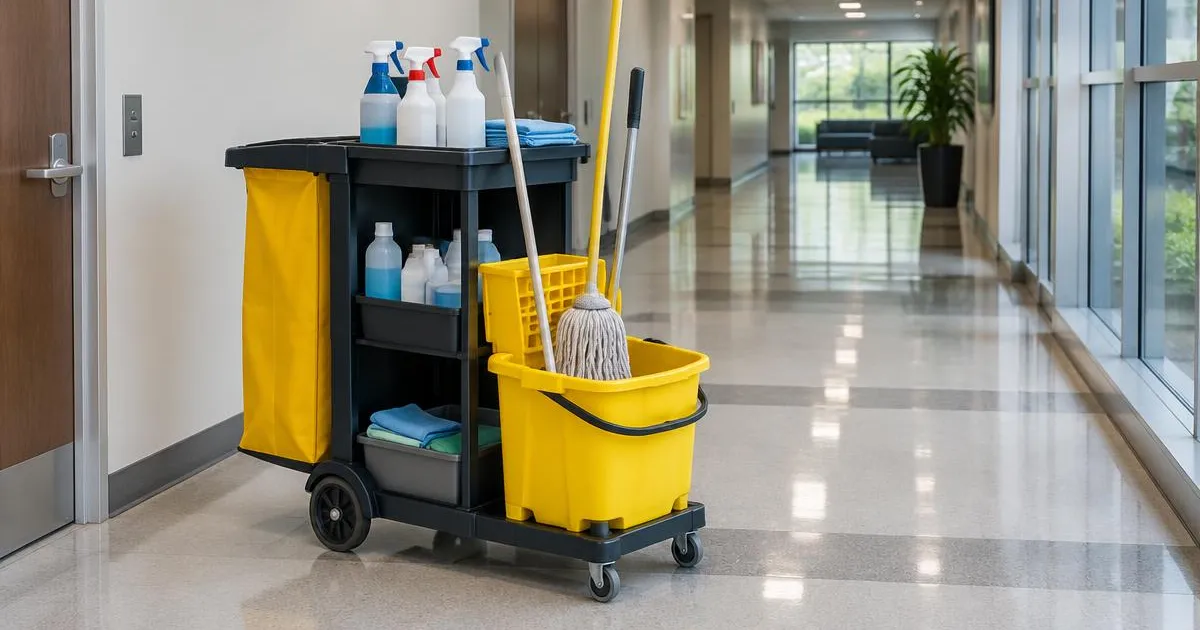
Cross-contamination prevention should be a workflow rule, not simply an instruction to clean carefully. Restroom cloths, mop heads, brushes, and gloves must not become breakroom supplies. Agree on a labeling or color-coding system, separate storage, and a process for removing used materials from circulation. Color alone is insufficient unless everyone understands what it means.
Assign supplies by zone
Reserve one tool set for restroom work and another for food and beverage areas. Within restrooms, keep toilet-cleaning materials separate from those used on sinks and touchpoints. Carry clean cloths in protected storage and put used cloths in a designated container. Never place a restroom caddy on a breakroom counter or use the same cloth across unrelated surfaces.
Control the transition between rooms
Schedule breakroom work before restroom work where practical. If someone returns to the breakroom afterward, require fresh zone-appropriate supplies, glove removal or replacement as appropriate, and handwashing. Keep waste transport away from food preparation surfaces. The aim is to prevent the cleaning process itself from moving restroom contamination onto counters, handles, or shared equipment.
Set breakroom tasks around food and shared equipment
Breakrooms need a scope that separates daily mess from equipment maintenance. Discuss counters, tables, chair touchpoints, sinks, appliance handles, waste bins, and floors. Identify whether the room has only a coffee station or supports regular meal preparation. Food scraps and sticky spills should not remain until the next contracted visit; name a staff contact for between-visit issues.
Set a policy for personal food, dishes, and refrigerator contents. Cleaners should not have to guess whether a container can be discarded or whether a mug is abandoned. For example, staff could clear counters before service while management handles food removal under a posted policy. Any refrigerator interior cleaning should be specifically agreed, with contents and access addressed beforehand.
Use manufacturer-safe methods for appliances and finishes. Food-contact surfaces need products suitable for that use and any label-required rinse. Disinfection belongs where appropriate, after necessary cleaning, with the surface kept wet for the full label contact time. Do not spray indiscriminately around open food, electrical components, or personal belongings.
Give restrooms their own frequency and handling rules
Restroom planning should cover fixtures, touchpoints, floors, waste, and consumable checks without treating every surface as equally contaminated. Start with cleaner surfaces and work toward dirtier ones, using dedicated toilet tools. Avoid returning a used cloth to a clean solution container or using it on another fixture. Specify how reusable supplies are processed before reuse.
Frequency depends on actual demand. A restroom serving employees and visitors may need more attention than one used by a small team with limited onsite hours. Ask when bins fill, soap runs low, floors become wet, or visible soil appears. These observations provide a better basis for scheduling than an arbitrary weekly pattern.
Separate cleaning from supply management. Confirm who purchases soap, paper products, and liners, who stores them, and whether replenishment is part of the agreed scope. Establish a reporting route for leaks, damaged dispensers, blocked fixtures, or unusual contamination. Cleaning does not replace plumbing repairs, and potentially hazardous conditions need assessment rather than an automatic promise of handling.
Match office and shared-area frequencies to demand
Build a simple frequency matrix with three decisions for each room: what happens every scheduled visit, what happens periodically, and what triggers an extra request. Reception might need entry-floor attention each visit during wet weather, while an infrequently used meeting room may need service based on bookings. The contract should describe tasks, not just say office cleaning.
For workstations, decide whether cleaners may move desk items or clean only accessible surfaces. Identify screens, keyboards, cables, confidential papers, and equipment that staff must handle themselves. A cleared-desk policy can improve access without inviting cleaners to rearrange documents. Discuss touchpoints such as shared door handles separately from personal electronics.
Review the schedule when occupancy or room use changes. If employees begin eating at desks, workstation waste and floor care may need adjustment even when square footage stays the same. If conference rooms host back-to-back meetings, add an internal reset process between bookings. Janitorial visits cannot replace immediate attention to spills or every event-related mess.
Choose surface-safe methods and clear service boundaries
Document flooring, stone counters, coated fixtures, wood finishes, and other sensitive materials during the walkthrough. Follow manufacturer care directions, avoid acids on stone, and never mix cleaners. More aggressive products or excessive moisture can damage finishes without improving the result. Ask for clarification when a surface material or prior treatment is unknown.
Do not confuse commercial janitorial scope with residential package names. Prime Cleaning MO LLC standard/recurring residential cleaning is available only after an initial deep clean, not as a first-time or one-time standard visit. The first standard/recurring quote includes that deep clean. Commercial work is scoped separately through the required walkthrough.
In deep cleaning, appliance interiors and inside cabinets are optional add-ons. Move-In/Move-Out cleaning includes inside and outside cabinets and appliances. Interior windows are optional for all services except Airbnb turnovers. These distinctions matter if a request also involves a residence or rental; none should be assumed to define an office contract. Specialty conditions require assessment, not promises of restoration or mold removal.
Turn the walkthrough into a workable written plan
After the walkthrough, review a written scope organized by room. Check task frequency, exclusions, optional work, access arrangements, supply responsibilities, and the breakroom-versus-restroom tool separation procedure. Specify who can authorize changes. If a tenant adds rooms or changes operating hours, update the agreement instead of relying on verbal assumptions.
Choose a practical communication method for missed access, low supplies, maintenance concerns, and requests outside scope. Feedback should name the location and issue: breakroom sink residue is more actionable than the office needs attention. Keep sensitive employee or customer information out of routine cleaning messages.
Use the opening service period to check whether the planned frequencies match observed conditions, without assuming a fixed adjustment timeline. Look for recurring bin overflow, inaccessible desks, restroom supply gaps, or breakroom clutter. These may call for a schedule change, a staff policy, or a maintenance response rather than simply more cleaning. A clear plan makes those decisions easier to separate.